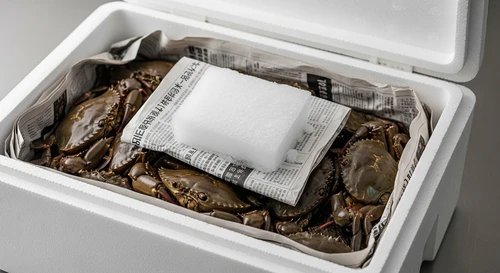
" Forget the delicate elegance of Western seafood preparations for a moment. This is about a primal, joyous collision of flavors. It's the kind of dish that makes you want to gather everyone around, lean in, and get your hands messy. "
1 Where the Rivers Meet the Sea: The Bounty of Ca Mau
Our journey begins in Ca Mau, the southernmost province of Vietnam, a land carved by intricate river systems and fringed by vast mangrove forests. This is the beating heart of the Mekong Delta's seafood production, a place where the daily rhythm is dictated by the tides and the lifeblood of the region flows through its crabs.
The crabs here, particularly the famed Blue Mud Crabs, are not just ingredients; they are a testament to a unique ecosystem. They feed on the rich biodiversity of the mangroves, resulting in meat that is exceptionally sweet, succulent, and imbued with a subtle, oceanic brininess that you simply don't find anywhere else. For a dish like this, which celebrates freshness, the origin of the crab is paramount. We're talking about crabs that were likely swimming in their brackish home just hours before they reached your pot.
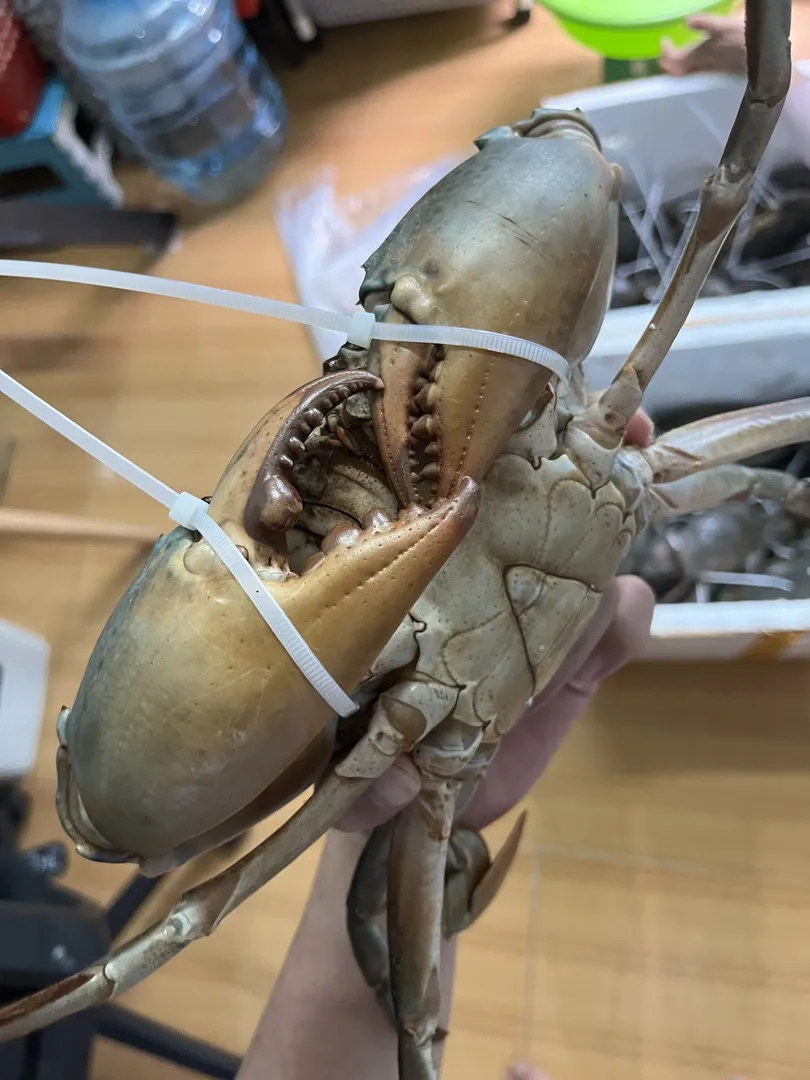
Heritage Ingredient
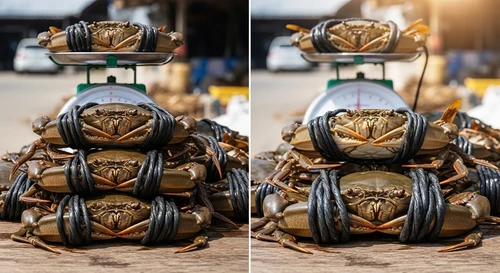
Ca Mau Jumbo Mud Crab
Ca Mau Jumbo Mud Crab
A large male mud crab prized for dense, sweet meat and thick claws, commonly used in steamed crab and grilled crab dishes across the Mekong Delta.
An icon of coastal culinary heritage, featuring firm, sweet meat that captures the raw power and freshness of Ca Mau's tides.
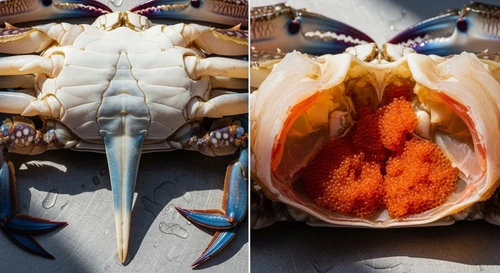
📸 A prime specimen: The Blue Mud Crab of Ca Mau, a jewel of the delta.
2 The Fiery Soul of Kimchi
Now, we take this sweet, oceanic gift and introduce it to a force of nature from across the sea: Korean Kimchi. This isn't just any fermented cabbage; it's a symphony of garlic, ginger, gochugaru (Korean chili flakes), and fermented seafood that delivers a powerful punch of sour, spicy, and umami.
The magic of kimchi lies in its complexity. Its bright acidity cuts through the richness of any dish, and its deep fermented funk adds an addictive layer of savory depth. When simmered in a hotpot, especially with something as pure and sweet as crab, the kimchi mellows but doesn't lose its character. It transforms the broth into a vibrant, piquant elixir that clings to every piece of crab meat.
For this particular hotpot, we're going beyond basic cabbage kimchi. We'll be using a well-fermented, ripe kimchi that has developed a robust sourness. This ensures it can stand up to the crab's sweetness without being overpoweringly spicy. The addition of plump, earthy oyster mushrooms further complements both the crab and the kimchi, absorbing the broth and providing a delightful textural contrast.
3 The Symphony: Hotpot Construction
The Foundation
- Fresh Blue Crab: (Prepped – see below) The star.
- Kimchi: 1.5 - 2 cups, roughly chopped. Ensure it's well-fermented for maximum tang.
- Oyster Mushrooms: 200-250g, cleaned and torn into bite-sized pieces.
- Broth: 6-8 cups. Seafood stock or a light chicken/vegetable broth works best to not compete with the main flavors.
The Enhancers
- Garlic: 4-5 cloves, minced.
- Ginger: 1-inch piece, julienned or minced.
- Onion: 1/2 medium, thinly sliced.
- Optional: A splash of fish sauce or soy sauce for added umami, a pinch of sugar to balance, and fresh scallions/cilantro for garnish.
4 The Culinary Dance
Crab Prep (Mekong Style)
Clean the crabs thoroughly. If using live crabs, dispatch them humanely (a quick chop with a heavy knife through the head is efficient). Cut them into halves or quarters, depending on size. This allows the flavors to penetrate better and makes them easier to eat.
Aromatics First
In your hotpot base (or a large pot if you're cooking off the heat), sauté the minced garlic, ginger, and sliced onion in a touch of oil until fragrant. This builds the aromatic foundation.
The Kimchi Infusion
Add the chopped kimchi to the pot and stir-fry for a minute or two. This awakens its flavors and releases its pungent aroma.
Broth and Simmer
Pour in the broth, bring to a simmer. Add the oyster mushrooms and the optional fish sauce/sugar. Let it simmer for about 10-15 minutes to allow the flavors to meld.
The Grand Entrance
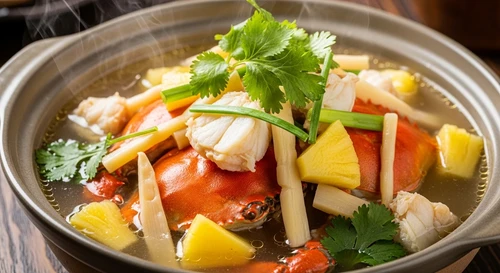
Add the prepared crab pieces to the simmering broth. Cover the pot and cook for approximately 10-15 minutes, or until the crab shells turn bright red and the meat is cooked through. Avoid overcooking, or the crab will become tough.
Serve and Enjoy
Ladle the hotpot into bowls, ensuring each gets a good mix of crab, mushrooms, and broth. Garnish generously with fresh scallions and cilantro. Serve immediately, perhaps with a side of steamed rice.
The Perfect Companions
While the broth is a star, having a dipping sauce elevates the experience. For this fusion, we'll lean into Vietnamese classics.
1. Lime & Chili Salt (Muối Tiêu Chanh)
A Vietnamese staple. Mix fine sea salt, freshly ground black pepper, and a generous squeeze of lime juice. Add finely chopped bird's eye chilies for heat.
2. Nuoc Mam Cham (Fish Sauce Dip)
A classic, balanced dip of fish sauce, lime juice, sugar, garlic, and chili. A touch of sweetness to counter the sour-spicy kimchi broth.
6 Beyond the Bowl: The Spirit of Mekong Fusion
In the Mekong Delta, food is life. It's about community, about sharing, about making the most of the incredible natural bounty. While this Kimchi Blue Crab Hotpot might sound like a modern innovation, the spirit behind it – taking fresh, local ingredients and infusing them with bold, global flavors – is deeply ingrained in Vietnamese culinary history.
Think of the French influences in early Vietnamese pâté, or the subtle hints of Chinese spice in many Southern dishes. Fusion isn't new here; it's an evolution. This hotpot is a vibrant example of how two distinct culinary cultures can create something entirely new and exciting, without losing the essence of either. It’s a celebration of the sea's sweetness meeting the land's fermented fire, all coming together in one steaming, joyous pot. It's the kind of meal that tells a story – a story of rivers, of resilience, and of delicious, boundary-pushing flavors.
7 Elevating Your Hotpot Game
- Crab Quality is King: For this dish, freshness is non-negotiable. If possible, source live blue crabs. If using frozen, ensure it's high-quality and thawed properly, but the vibrancy won't be the same.
- Kimchi's Maturity Matters: Use a kimchi that has aged for at least a few weeks. This develops a deeper sourness and complexity that is essential for balancing the crab.
- Don't Fear the Broth: While a seafood stock is ideal, a good quality chicken or vegetable broth works well. The key is a clean base that won't overpower the star ingredients.
- Spice Level Adjustment: If you're sensitive to heat, use less kimchi, or a milder type. You can always add more gochugaru or chili flakes to individual bowls.
- Garnishes are Not Optional: Fresh herbs like cilantro and scallions add a burst of freshness that brightens the entire dish.