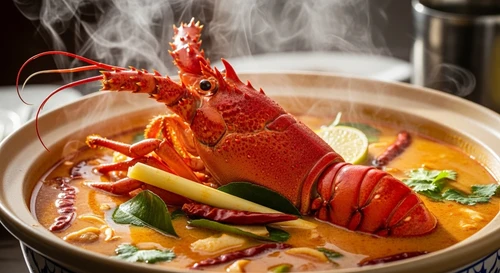
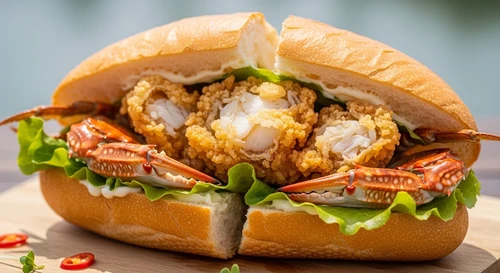
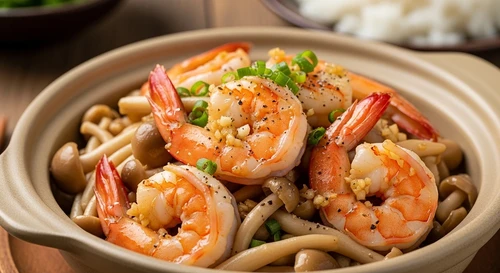
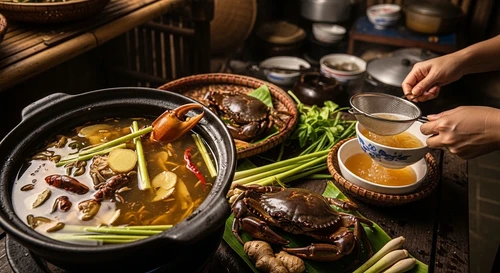
" The Mekong Delta is a lifeblood of seafood, and the crab fisheries here, particularly around Ca Mau, are legendary. But what happens when that prize catch needs to travel? Not just across a province, but across oceans? It's a delicate dance of science and tradition. "

📸 The careful packing: Ensuring survival for the long haul.
1 From the Mangroves to the Mainstream: The Mekong Delta's Bounty
The Mekong Delta, a vast labyrinth of rivers, canals, and mangrove forests in Southwestern Vietnam, is an ecological paradise. It's here that some of the world's most prized crabs are harvested. From the rich mudflats of Ca Mau comes the legendary mud crab (Scylla serrata), renowned for its dense, sweet meat and sometimes, its incredible roe.
Think of the fishermen, their small boats navigating the waterways at dawn, expertly bringing in their catch. These aren't just crabs; they are the livelihood of communities, the culmination of generations of expertise in understanding tides, seasons, and the very pulse of the ecosystem. Understanding the source is key to appreciating the challenge of transport.
Ca Mau Jumbo Mud Crab
Prized for its meaty claws and sweet flesh, a staple in many regional delicacies.
Heritage Ingredient
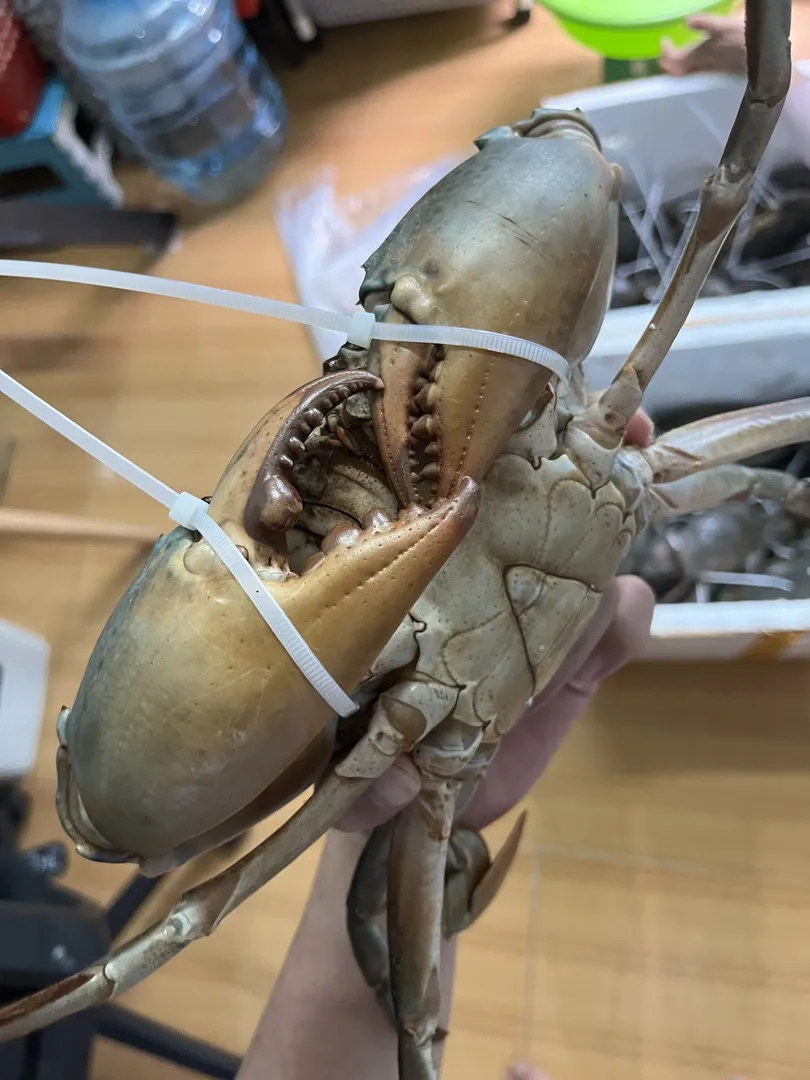
Ca Mau Jumbo Mud Crab
Ca Mau Jumbo Mud Crab
A large male mud crab prized for dense, sweet meat and thick claws, commonly used in steamed crab and grilled crab dishes across the Mekong Delta.
An icon of coastal culinary heritage, featuring firm, sweet meat that captures the raw power and freshness of Ca Mau's tides.
Ca Mau Roe Mud Crab
A female crab celebrated for its rich, creamy orange roe, often reserved for special occasions.
Heritage Ingredient
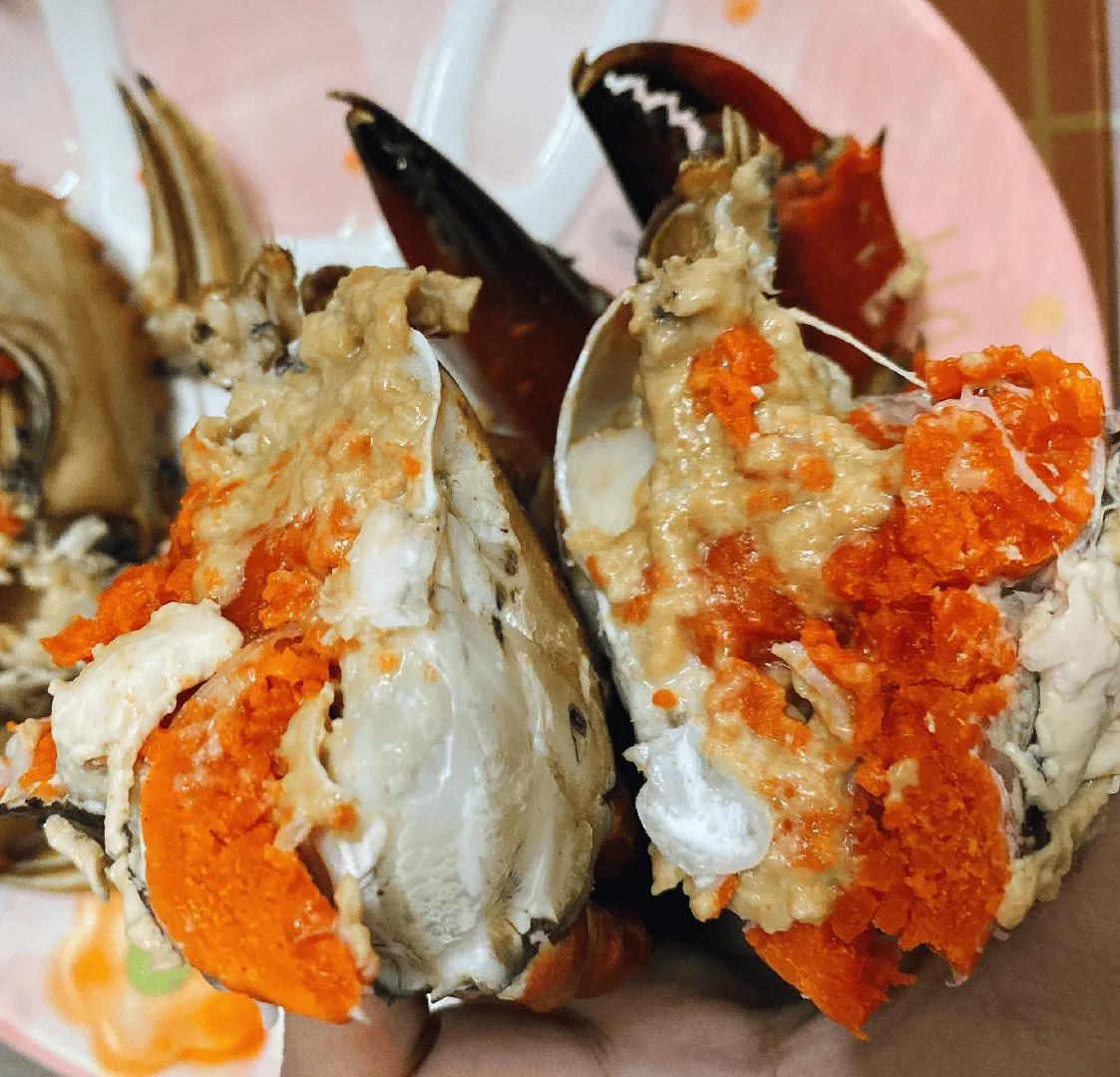
Ca Mau Roe Mud Crab
Ca Mau Roe Mud Crab
A female mud crab known for deep orange roe and a rich, creamy finish, often featured in celebratory Southern Vietnamese seafood meals.
A crimson treasure hidden within a shell, boasting rich, creamy roe that melts on your tongue like a golden sunset over the delta.
Note: The crabs depicted are representative of the types found in the Mekong Delta.
2 Science of Stasis: Simulating Winter
The goal isn't to kill the crabs, but to induce a state of torpor – a deep, cold-induced sleep. This drastically slows their metabolism, minimizing oxygen consumption and waste production, effectively pausing their life processes for the duration of the journey. This technique is crucial for transporting live seafood over long distances, ensuring freshness and quality upon arrival.
Metabolic Slowdown
Cold temperatures below their typical living range but above freezing cause a significant reduction in the crabs' metabolic rate. This is the same principle that allows fish to survive in cold waters for extended periods.
Reduced Oxygen Demand
As metabolism slows, so does the demand for oxygen. This is vital, as the crabs will be in a sealed environment with limited air supply.
3 The Insulated Shell: Crafting the Transport Box
This isn't about speed, it's about creating a stable, cold environment. The choice of materials and the layering are key to maintaining that critical low temperature for up to 12 hours, and potentially longer.
The Inner Sanctum: Styrofoam Cooler
A good quality styrofoam cooler is your primary defense against ambient heat. The thicker the walls, the better. Choose a size that fits your crabs comfortably, with enough room for insulation.
The Comfort Layer: Newspaper Padding
Crumpled newspaper serves multiple purposes. It provides cushioning, prevents the crabs from sliding around, and importantly, it absorbs any minor condensation that might form, keeping the crabs dry.
The Chilling Element: Dry Ice
This is the star. Dry ice (solid carbon dioxide) sublimates directly from solid to gas, providing a consistent, intense cold without creating liquid water. Handle with extreme care and appropriate gloves.
Sealing the Deal
Once packed, the cooler must be sealed tightly. Use strong packing tape to secure the lid, preventing any air leaks (both in and out) and keeping the cold air contained. Ensure proper ventilation for CO2 gas release is considered if transporting by air cargo or enclosed vehicles for very long periods, to avoid suffocation risks.
4 Building the "Hibernation Chamber"
Critical Considerations
Crab Preparation
Gently clean the crabs. Some sources recommend a brief immersion in very cold water to induce a semi-dormant state before packing. Avoid over-handling.
Dry Ice Placement
Place dry ice at the bottom of the cooler, NEVER directly touching the crabs. Layer newspaper or cardboard between the dry ice and the crabs. Use about 1-2 lbs (0.5-1 kg) of dry ice per cubic foot of cooler space for 12-24 hours.
Ventilation & Safety
Dry ice releases carbon dioxide (CO2) gas. Ensure the cooler is not hermetically sealed if you are transporting it in an enclosed space like a car cabin or plane cargo hold for extended periods. Proper ventilation is paramount to prevent CO2 buildup.
For optimal results, precool the styrofoam box in a refrigerator or freezer for a few hours before packing. This gives the dry ice a head start.
5 Bridging the Gap: Air Cargo Realities
Transporting live crabs internationally, especially from a region like the Mekong Delta to Western markets, is a complex logistical operation. Air cargo is almost always the preferred method for speed. Each airline and country has specific regulations regarding the transport of live animals and the use of dry ice (which is classified as a hazardous material due to its sublimation into CO2).
Shippers must adhere to strict packaging guidelines, documentation requirements (health certificates, declarations), and payload limitations. The goal is always to minimize transit time and temperature fluctuation. Even a slight rise in temperature can wake the crabs prematurely, leading to stress, injury, or death.

📸 The modern artery: Air cargo ensures speed and reduces transit time.
For consumers looking to experience the finest Mekong Delta crabs, this meticulous process ensures that what arrives is as close to freshly caught as possible. It's a testament to the global reach of culinary traditions and the innovative spirit of food logistics.
Consider the export-grade criteria; these high-value crabs demand the best transport methods to maintain their premium quality.
Heritage Ingredient
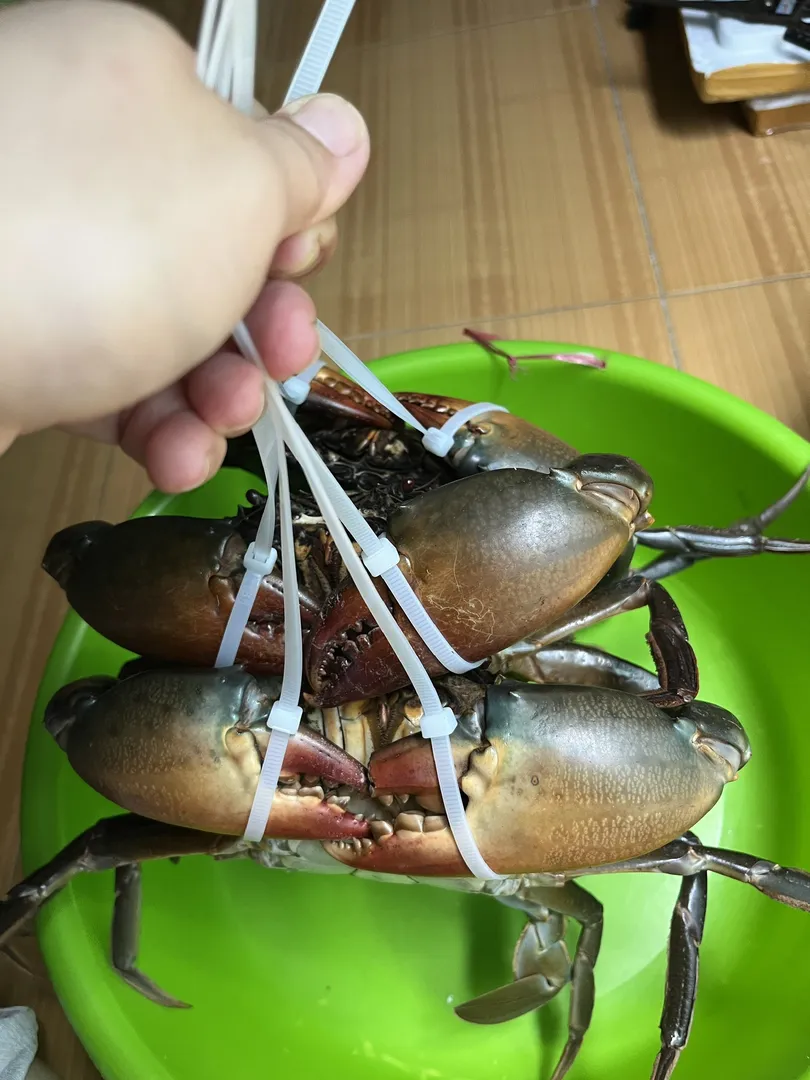
Giant Ca Mau Mud Crab
Giant Ca Mau Mud Crab
A larger export-grade mud crab with dramatic claws and thick meat, often used to illustrate oversized crab categories in Vietnamese seafood markets.
A titan of the ocean, offering colossal claws filled with muscular, succulent meat that elevates every feast into a royal experience.
Your Burning Questions Answered
❓ How much dry ice do I need?
⚠️ Is dry ice safe to handle?
❓ Can I use regular ice instead of dry ice?
✈️ What are the airline regulations for dry ice?
6 The Final Unveiling: Tasting the Prize
Upon arrival, the crabs should be lethargic but alive. Gently unpack them. If they are to be cooked immediately, their flavor will be remarkably preserved. Steaming, a common and celebrated method in the Mekong Delta, allows the natural sweetness of the crab meat to shine through.
Whether it's a simple steam with lemongrass and beer, or a more complex preparation, the quality of the raw ingredient, preserved by the careful journey, is paramount. This logistical feat allows gourmands worldwide to experience a taste of the rich seafood heritage of the Mekong.
For a glimpse into how these crabs are best enjoyed locally, explore the iconic Steamed Crab with Coconut Water.
7 Responsible Sourcing & Handling
The transport method is only one part of the equation. Responsible sourcing from sustainable fisheries in the Mekong Delta is crucial. This involves respecting fishing seasons, using eco-friendly methods, and ensuring fair trade practices for the local communities.
By supporting suppliers who prioritize these values, we not only get the freshest, highest-quality crabs but also contribute to the preservation of the delicate ecosystem and the livelihoods of those who depend on it. This mindful approach extends from the water to the table, ensuring a truly exceptional and ethical culinary experience.
Craving Delta Flavors?
Beyond the journey, the true magic is in the local preparations.
🌊 Discover More Delta Recipes