" Down in the Mekong Delta, the rivers and coastlines teem with life. While we often sing praises of the plump mud crab or the sweet black tiger shrimp, the smaller wonders of the sea deserve their moment. They’re not all created equal, and your kitchen strategy should reflect that. "
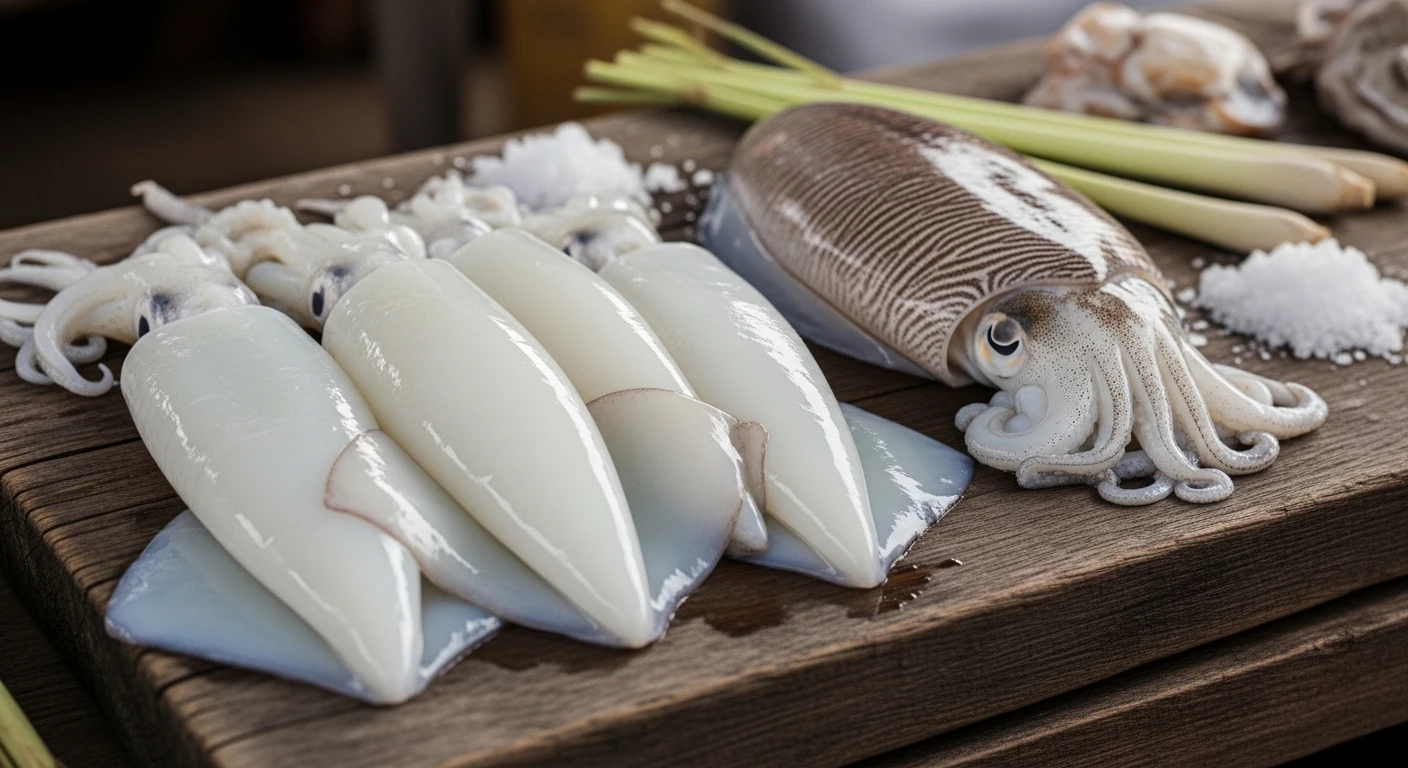
📸 The bounty of the sea: A visual introduction to our subjects.
1 The Cephalopod Family Tree: Know Your Kin
In the vast ocean of seafood, the terms "squid" and "cuttlefish" are often used interchangeably, leading to culinary confusion. But these are distinct creatures, belonging to the broader class of Cephalopoda, which also includes octopuses. Understanding their differences is key to mastering their preparation.
At their core, both are mollusks with a mantle (the main body), arms/tentacles, and a beak. The crucial difference often lies in their internal structure and external features, particularly their fins – the small, wing-like appendages that aid in propulsion and steering. These fins are our primary clue to differentiation.
Squid (Decapodiformes)
Squid, often sold as "squid tubes" in Western markets, are generally characterized by their elongated bodies and two distinct fins that run along the sides of their mantle. These fins are typically triangular or diamond-shaped. They have ten appendages: eight arms and two longer tentacles.
Cuttlefish (Sepiida)
Cuttlefish, while also having eight arms and two tentacles, possess a unique internal shell called a cuttlebone. Externally, their most distinguishing feature is their fin: a single, continuous fin that runs along the entire length of their mantle, often appearing like a wave or a fringe.
2 The Tail Fin: Your Navigational Chart
The simplest and most effective way to tell them apart, especially when buying them at a wet market or seeing them in a restaurant display, is to examine the fins. This is where the magic happens, and where we can choose the right creature for our culinary ambitions.
Squid Fins (The "Tube" Type)
When you encounter a classic "squid tube," look for fins that are:
- Paired: Two distinct fins.
- Located on the sides: They run along the edges of the mantle.
- Shape: Typically triangular, diamond-shaped, or somewhat pointed. Imagine small wings on each side.
This configuration makes them agile swimmers, ideal for quick movements.
Cuttlefish Fins (The "Continuous" Type)
Cuttlefish will present a different fin structure:
- Single and Continuous: One long, undulating fin.
- Runs the length of the mantle: It’s like a skirt or fringe around the body.
- Shape: Often resembles a wave, fringe, or elastic band.
This fin allows for precise maneuvering and hovering.
3 Bigfin Reef Squid: The Intriguing Intermediate
Now, let's talk about the "Bigfin Reef Squid" (Sepioteuthis lessoniana). This one can cause confusion because its name includes "squid," but its fin structure often leans towards cuttlefish, or at least, is a hybrid. This species is where the lines blur, and careful observation is key.
Characteristics:
- Fins: This is the key. Bigfin reef squid have prominent, elongated fins that run along the sides of their mantle, much like cuttlefish. However, they might not be as universally continuous as in typical cuttlefish, sometimes appearing as two very long, wide fins.
- Body Shape: They tend to be more robust and cylindrical than many typical squid, more akin to a cuttlefish in girth.
- Habitat: As their name suggests, they prefer reef environments.

For cooking purposes, the Bigfin Reef Squid often behaves more like a cuttlefish due to its flesh density and moisture content. Its longer, more robust fins mean it can be less prone to drying out in quick, high-heat cooking than the thinner, more delicate fins of many common squid types. So, if you identify a "bigfin," consider treating it with the care you'd give a cuttlefish.
4 Culinary Applications: Steaming vs. Stir-Frying
The distinction isn't just academic; it directly impacts your cooking. Choosing the right cephalopod for the right method can elevate your dish from ordinary to extraordinary. In the kitchens of Southern Vietnam, where seafood is a daily staple, this understanding is practical and crucial.
Best for Stir-Frying: Classic Squid Tubes
The elongated body and side fins of common squid tubes make them ideal for quick, high-heat cooking. Their thinner flesh cooks rapidly, and when cut into rings or scored, they develop a pleasing tenderness without becoming rubbery if cooked correctly. The key is speed: toss them in the wok for just a minute or two until they turn opaque. Overcooking is the enemy here. Think of dishes like Mực Xào Rau Củ (Squid Stir-Fried with Vegetables).
Best for Steaming: Cuttlefish & Bigfin Reef Squid
The denser flesh and more robust fins of cuttlefish and bigfin reef squid lend themselves beautifully to steaming. Their slightly higher moisture content helps prevent them from drying out. Steaming allows their natural sweetness and unique texture to shine. A classic Vietnamese preparation is simply steaming them with ginger and scallions. The cuttlebone, incidentally, is sometimes used in traditional medicine or ground into a powder.
5 The Mekong Connection: From Mangroves to Markets
While the dramatic mud crabs and colossal prawns often steal the spotlight, the coastal and estuarine regions of the Mekong Delta are rich hunting grounds for squid and cuttlefish too. These waters, influenced by both freshwater inflows and the South China Sea, provide a diverse ecosystem.
Local fishermen, often working from small boats or specialized fishing platforms, harvest these cephalopods daily. You’ll find them piled high in the bustling floating markets of Can Tho or Can Giuoc, or laid out neatly on ice in the morning markets of Ca Mau or Bac Lieu. The smaller, more delicate squid might be destined for quick stir-fries served with a side of pungent fish sauce and lime. The firmer cuttlefish, with their distinctive texture, are prized for steaming, or sometimes grilled over charcoal until slightly charred, their cuttlebone a testament to their oceanic origins. Their presence on the market stalls is a clear indicator of the region's rich marine biodiversity and the resourcefulness of its people.

Understanding these subtle differences allows you to appreciate the nuanced approach to seafood cooking that has evolved over generations in these watery landscapes. It’s about respecting the ingredient, understanding its nature, and preparing it in a way that honors its provenance.
6 Identification Checklist & Kitchen Tips
Quick Reference Guide:
Squid Tube
Fins: Paired, side of mantle, triangular/diamond.
Body: Elongated cylinder.
Best For: Quick stir-fries, high heat.
Texture: Tender if fast-cooked.
Cuttlefish
Fins: Single, continuous, runs length of mantle.
Body: Plumper, more oval.
Best For: Steaming, simmering, grilling.
Texture: Denser, more substantial.
Bigfin Reef Squid
Fins: Prominent, elongated, often appearing continuous or very long paired.
Body: Robust, cylindrical.
Best For: Steaming, braising (behaves like cuttlefish).
Texture: Can be more forgiving than thin squid.
Extra Kitchen Pro-Tips:
- Freshness is Key: Always aim for fresh, firm seafood. Smell is your best indicator – it should smell like the sea, not ammonia.
- Scoring for Tenderness: For both squid and cuttlefish, lightly scoring the mantle in a diamond pattern can help break down fibers and improve texture, especially for thicker pieces.
- Don't Overcook: This is the cardinal sin with any cephalopod. They go from tender to rubbery in a matter of seconds. Cook quickly and confidently.
- The Cuttlebone Clue: If you find a hard, white internal shell, it's a cuttlebone, confirming you have a cuttlefish.
7 Beyond the Basics: Cephalopod Myths & Mysteries
Myth: All "Squid Tubes" are the same.
Reality: As we've seen, the term "squid tube" often refers to a *type* of body shape rather than a specific species. Species like the European squid or the Humboldt squid (much larger and tougher) all fall under this umbrella, with varying textures and ideal cooking methods. Always consider the fins and body density.
Myth: Cuttlefish is always tough.
Reality: Cuttlefish, when properly handled and cooked using methods like steaming or slow simmering, is incredibly tender and flavorful. Its denser texture makes it more forgiving than delicate squid when cooked with moisture and lower heat for a longer period.
8 The Takeaway: A Dish Reimagined
The next time you're at the market, or scanning a menu, take a moment to observe. Are those the slender, side-finned tubes ready for a fiery wok dance? Or the robust, fringe-finned wonders destined for a gentle steam? This simple distinction, born from the very biology of these fascinating creatures, is your passport to perfectly cooked squid and cuttlefish.
In the Mekong Delta, where every ingredient tells a story of the rivers, canals, and coastline, understanding these nuances isn't just about good cooking; it's about respecting the source and savoring the subtle gifts of the water. So, go forth, identify with confidence, and cook with precision. The ocean's bounty awaits.
More from the Kitchen
View More Food & Culinary
Charcoal Grilling Technique for Seafood Without Burning It Black
Brush a mixture of cooking oil and butter on the surface of shrimp or squid, and manage the embers to avoid high flare-ups.
Stuffed Crab Shells Deep-Fried to Perfection
Mix crab meat, wood ear mushrooms, and minced pork, stuff them back into the crab shell, fry, and serve with sweet & sour sauce.
Cantonese Soy Sauce Steamed Crab with Scallion & Ginger
A light Cantonese soy sauce steaming recipe that elevates the original, natural sweetness of the crab meat.
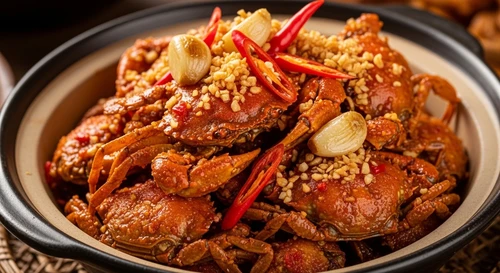
Sweet & Salty Garlic Chili Baby Crabs (Ghe Sua)
Soft-shelled baby crabs deep-fried until crispy, then simmered in a garlic-chili fish sauce. Eat the whole shell!
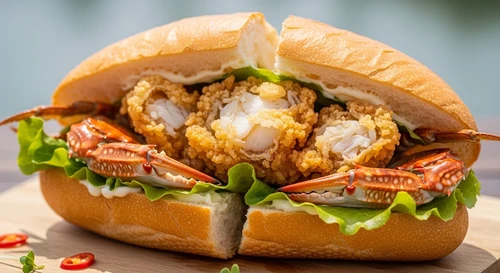
Crispy Fried Soft-Shell Blue Crab Sandwich
Molting, soft-bodied blue crabs battered and fried golden, sandwiched with lettuce and mayo in a crispy baguette.
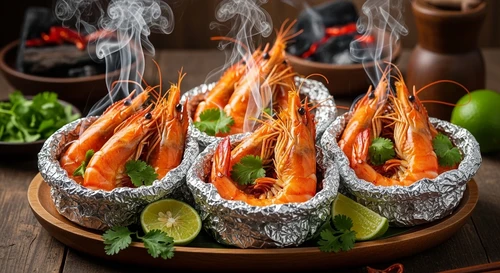
Foil Baked Tiger Prawns with Sa Te
Wrap tiger prawns and spicy horn chili Sa Te sauce in aluminum foil and grill over charcoal to keep the meat juicy.
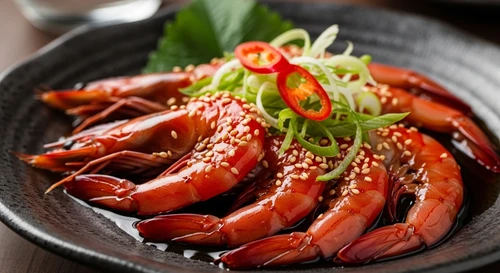
Ganjang Saeu: Korean Soy-Marinated Raw Shrimp
Sweet, sticky, and deeply savory. How to safely marinate fresh raw tiger shrimp in soy sauce, apples, and chilies.
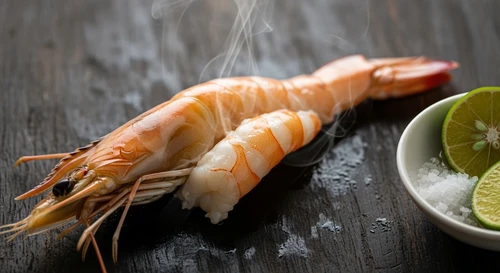
How to Peel a Giant Prawn by Hand Without Scissors
Snap the head, press down the spine, and unwrap the shell in one piece. Impress your friends at the dinner table.
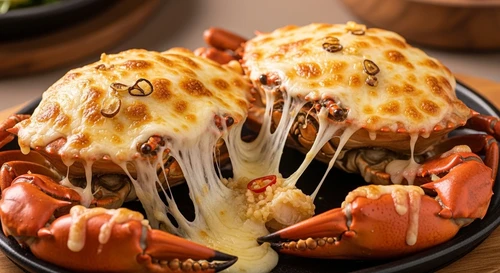
Cheese Baked Mud Crab with Stretchy Mozzarella
Halved mud crabs smothered in rich, creamy Mozzarella cheese and baked until golden brown and fragrant.