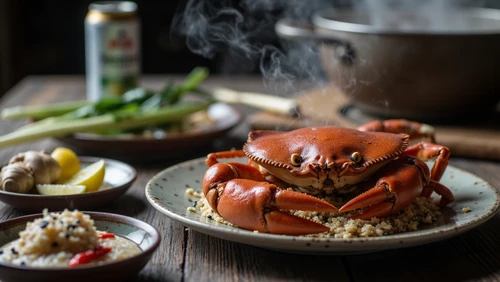
" In the labyrinthine waterways of the Mekong Delta, where lifeblood flows in the form of water and culinary traditions are as deep as the ancient rivers, lies a dish that captures the soul of the region: a vibrant hotpot, singing with the sweet essence of crab, the tangy whisper of fermented bamboo, and the bright spark of pineapple. This isn't just soup; it's a journey. "
1 The Mekong Delta: A Culinary Cradle
The Mekong Delta, often called Vietnam's "rice bowl" and "rice granary," is a vast, fertile region crisscrossed by a thousand rivers and canals. This intricate network of waterways shapes not only the landscape but also the very fabric of its food culture. Life here is intimately tied to the rhythm of the tides, the abundance of freshwater seafood, and the bounty of tropical fruits and vegetables. It's a place where culinary innovation is born from necessity and tradition, where every meal tells a story of the land and its generous spirit.
This "Blue Crab Hotpot with Sour Bamboo Shoots & Pineapple" is more than just a recipe; it's a testament to this spirit. It embodies the delta's ability to transform humble ingredients into something extraordinary, balancing sweetness, sourness, and umami in a way that is both complex and comforting. The star, of course, is the crab – the sweet, delicate meat a direct gift from the delta's nutrient-rich waters.

A vibrant bowl, brimming with the flavors of the Mekong.
The unique combination of sour bamboo shoots and sweet pineapple is a classic Vietnamese flavor profile, particularly cherished in the southern regions. The sourness, often derived from natural fermentation or ingredients like tamarind or pickled vegetables, cuts through richness and adds a refreshing zest. Pineapple, with its natural enzymes and tropical sweetness, complements the seafood beautifully without overpowering it.
2 The Star of the Show: Blue Crab
While various crabs grace the waters of Vietnam, the "blue crab" often refers to species that thrive in brackish or saltwater environments along the coast and in the mangrove-lined estuaries of the Mekong Delta. These crabs are prized for their sweet, tender flesh, especially when sourced fresh from these pristine aquatic ecosystems. In regions like Ca Mau, renowned for its rich biodiversity and extensive aquaculture, crab fishing and farming are vital livelihoods, providing both sustenance and economic prosperity.
For a hotpot like this, freshness is paramount. The crab should ideally be alive when cooked to ensure the meat remains firm, sweet, and succulent. The slight chewiness of the blue crab meat is a delightful contrast to the soft noodles and tender vegetables, making each spoonful a textural adventure.
Heritage Ingredient
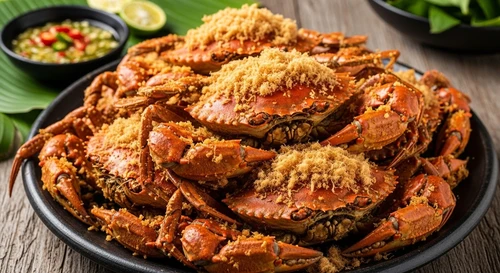
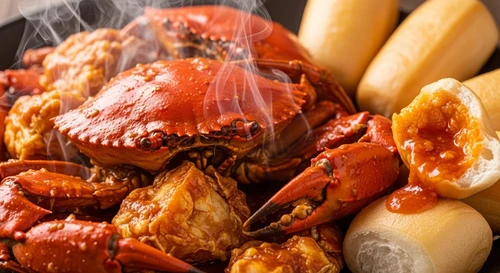
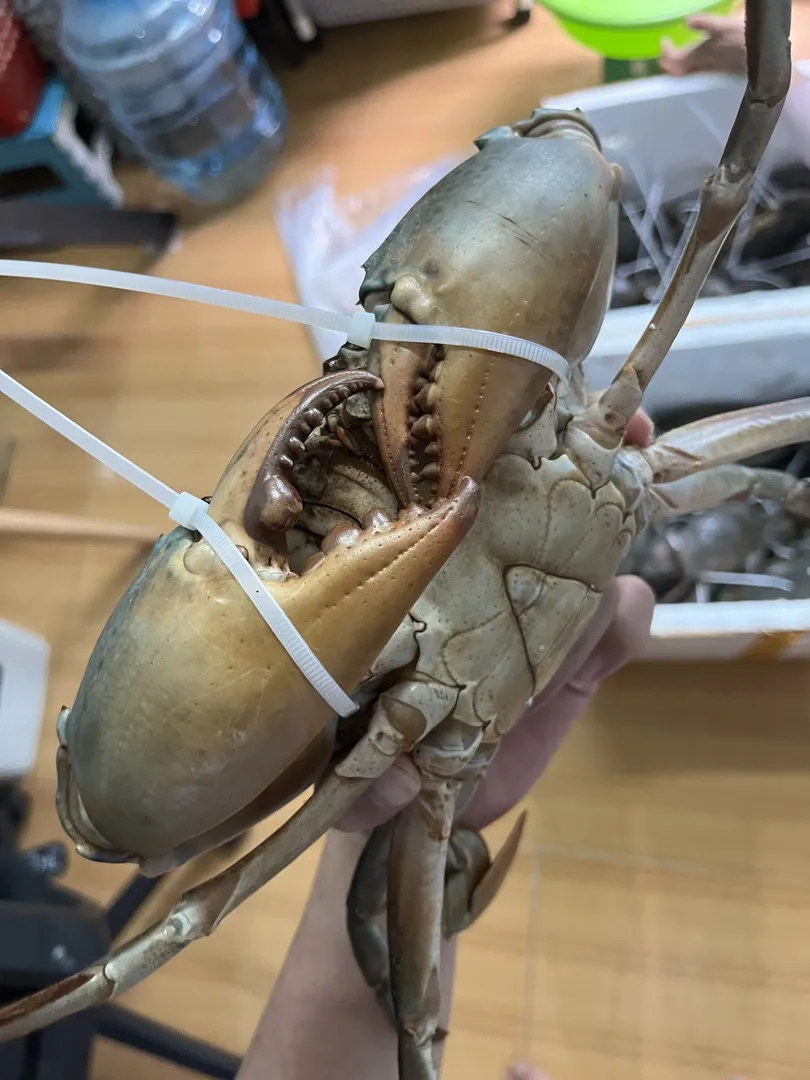
Ca Mau Jumbo Mud Crab
Ca Mau Jumbo Mud Crab
A large male mud crab prized for dense, sweet meat and thick claws, commonly used in steamed crab and grilled crab dishes across the Mekong Delta.
An icon of coastal culinary heritage, featuring firm, sweet meat that captures the raw power and freshness of Ca Mau's tides.
Heritage Ingredient
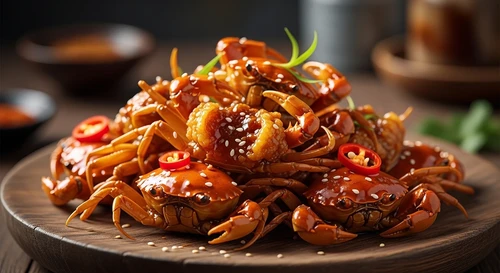
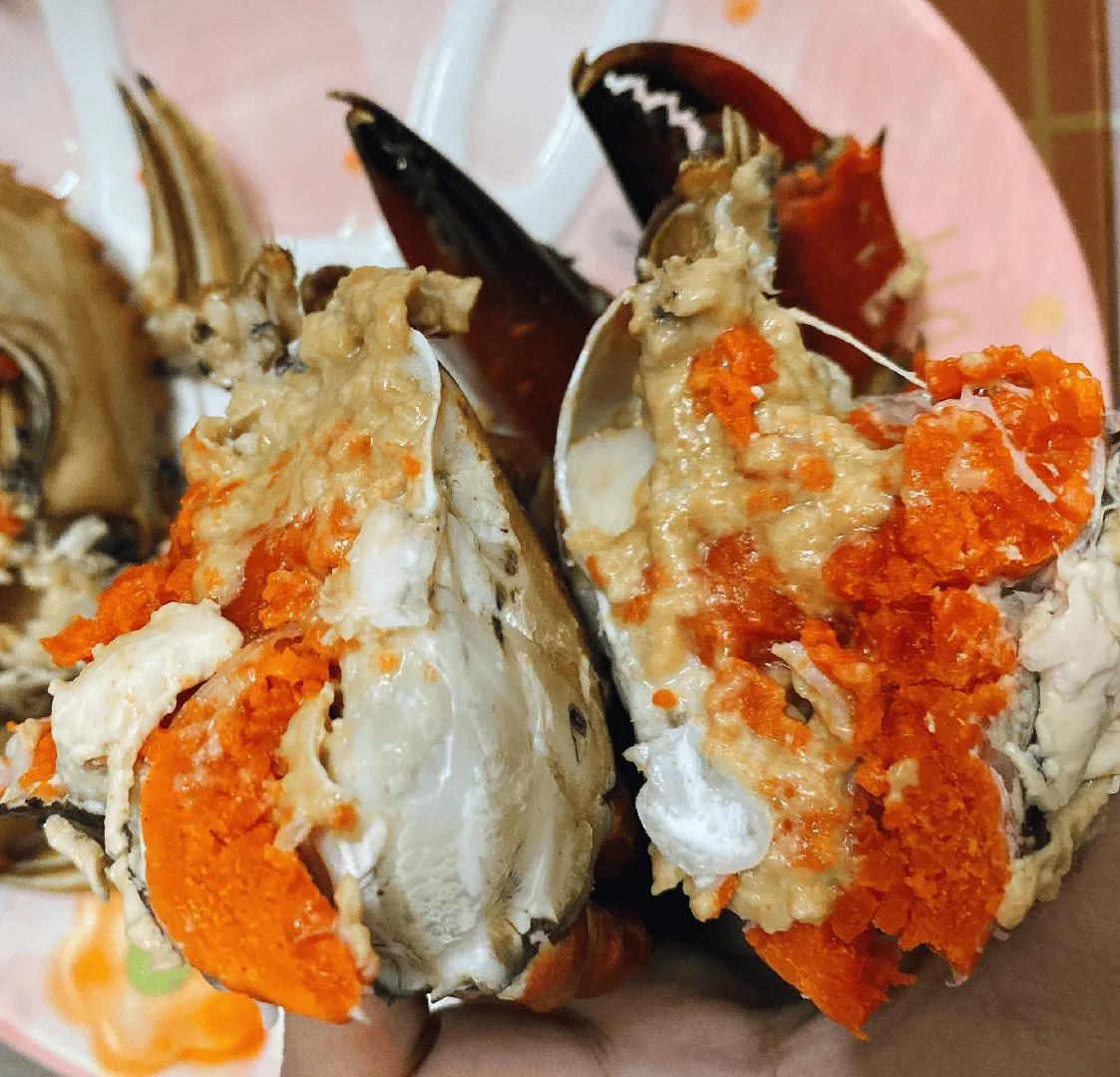
Ca Mau Roe Mud Crab
Ca Mau Roe Mud Crab
A female mud crab known for deep orange roe and a rich, creamy finish, often featured in celebratory Southern Vietnamese seafood meals.
A crimson treasure hidden within a shell, boasting rich, creamy roe that melts on your tongue like a golden sunset over the delta.

Heritage Ingredient
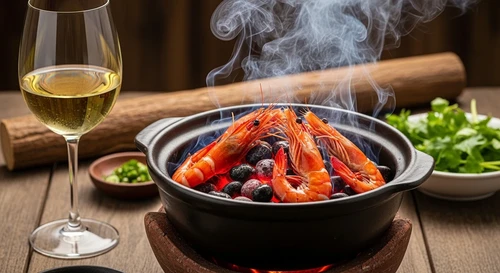
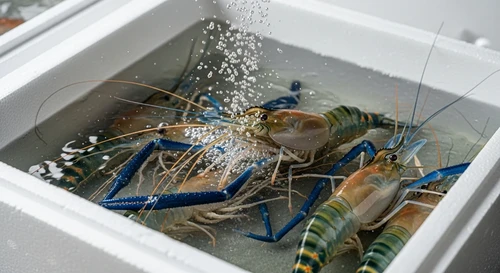
Mekong Giant Freshwater Prawn
Mekong Giant Freshwater Prawn
A river prawn with long blue claws and rich head fat, common in grilled prawn dishes and hotpot traditions across the Mekong basin.
Majestic blue-clawed warriors of the Mekong, famous for their rich, fatty heads and a savory depth that captures the essence of the delta's rivers.
3 The Tangy Heart: Sour Bamboo Shoots
Sour bamboo shoots, or "măng chua" in Vietnamese, are a staple in the culinary landscape of Southern Vietnam. These aren't your typical canned bamboo shoots; they are typically fermented in brine, often with a touch of chili and garlic, developing a distinctively sour, slightly pungent, and wonderfully complex flavor profile. This fermentation process not only preserves the shoots but also transforms their taste, making them a perfect counterpoint to rich seafood and meats.
In this hotpot, the sour bamboo shoots lend a gentle acidity to the broth, cutting through any potential richness from the crab and pineapple. They soften beautifully during cooking, absorbing the surrounding flavors while still retaining a pleasant bite. The process of preparing or sourcing good quality sour bamboo shoots is a glimpse into traditional Vietnamese preservation techniques, a practice deeply rooted in the delta's resourcefulness.

The sour tang of fermented bamboo shoots is essential.
4 The Sweet Kiss of Pineapple
Pineapple, abundant in tropical climes like the Mekong Delta, brings a vibrant sweetness and a touch of tropical tang to the hotpot. Its natural enzymes also act as a subtle tenderizer, ensuring the crab meat remains incredibly moist and tender. When simmered in the broth, the pineapple softens, releasing its sweet juices and infusing the liquid with a delightful fruity note that harmonizes beautifully with the sourness of the bamboo and the inherent sweetness of the crab. It’s a flavor combination that speaks of sunshine and abundance.

Pineapple adds a crucial layer of sweetness and tang.
5 Crafting the Broth: The Soul of the Hotpot
The magic of this hotpot lies in its deceptively simple yet profoundly flavorful broth. It’s a delicate dance between the sour bamboo, the sweet pineapple, and the natural sweetness of the crab. The base is typically a clear, light stock, often made with fish bones or chicken, allowing the main ingredients to shine. The sour bamboo shoots are usually added early to infuse their tangy essence, while the pineapple is introduced later to retain its bright, fresh flavor without becoming mushy.
Aromatic elements like lemongrass, ginger, and sometimes garlic are essential for building depth. These fragrant ingredients are often bruised or lightly smashed to release their oils and aromas into the simmering liquid. The final seasoning is crucial: a touch of fish sauce for umami, a hint of sugar to balance the sourness, and maybe a pinch of salt. The goal is a harmonious balance where no single flavor dominates, allowing the pure taste of the crab to be the star.

The aromatic base sets the stage for the broth's exquisite flavor.
6 The Ritual of Hotpot
Hotpot is more than just a meal; it's an experience, a communal affair deeply embedded in Vietnamese culture, especially in the Mekong Delta. It’s about gathering around a bubbling pot, sharing stories, and savoring each bite together. The table becomes a canvas of fresh ingredients, ready to be dipped and cooked.
For this blue crab hotpot, beyond the crab, bamboo, and pineapple, common accompaniments include:
- Fresh Noodles: Rice noodles (bún) or vermicelli are perfect for soaking up the flavorful broth.
- Vegetables: A colorful array such as leafy greens (bok choy, water spinach), bean sprouts, okra, and mushrooms.
- Herbs: Fresh cilantro, mint, and Thai basil add a final fragrant flourish.
- Dipping Sauces: While the broth is rich, a side of lime with salt and chili, or a spicy chili-garlic sauce, is often offered for those who crave an extra kick.

Communal dining is at the heart of Mekong Delta cuisine.
7 Beyond the Plate: A Taste of Tradition
This Blue Crab Hotpot with Sour Bamboo Shoots & Pineapple is a culinary ambassador from the Mekong Delta. It showcases the region's respect for fresh, local ingredients and its mastery of balancing complex flavors. The sourness from fermented bamboo, a nod to the delta's resourceful preservation methods, combined with the tropical sweetness of pineapple and the pure, sweet taste of fresh blue crab, creates a symphony that is both invigorating and deeply satisfying.
It’s a dish that transports you to the bustling river markets, the lush green banks, and the warm, inviting kitchens of Southern Vietnam. It’s a reminder that the simplest ingredients, when treated with care and understanding, can yield the most profound culinary delights. So, dive into this bowl, and let the flavors of the Mekong Delta embrace you.

A final, mouthwatering glimpse of the delicious hotpot.
8 Expert Tips for the Perfect Pot
- Crab Freshness is Non-Negotiable: If you can’t get live crab, opt for high-quality frozen crab meat that still retains its sweetness. However, for the best texture, live is always preferred for hotpot.
- Balance is Key: Taste and adjust the broth frequently. The sourness of the bamboo and the sweetness of the pineapple can vary greatly depending on their quality and ripeness. Aim for a harmonious blend.
- Don't Overcook the Crab: Crab cooks quickly. Add it towards the end of the simmering process to prevent it from becoming tough and rubbery. It should turn a vibrant orange-red when done.
- Prepare Your Ingredients Ahead: Hotpot is a communal cooking experience. Have all your vegetables, noodles, and dipping sauces prepped and arranged on the table before you start cooking.
- Fermented Flavor Depth: If fresh sour bamboo shoots are unavailable, you can sometimes find preserved versions in Asian markets. Ensure they are properly rinsed to remove excess saltiness.