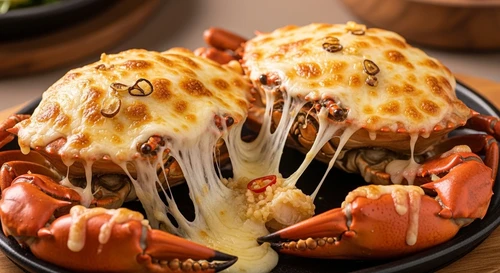
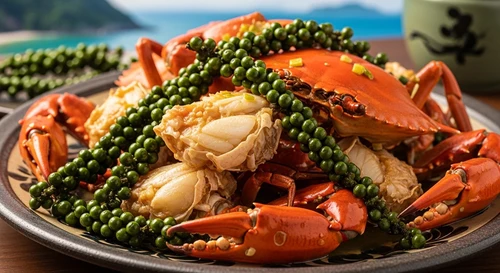
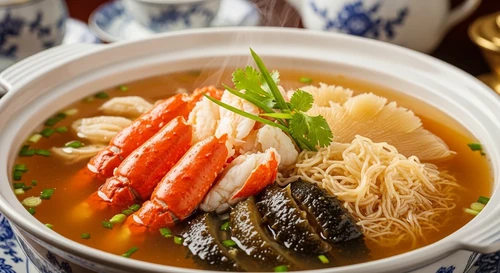
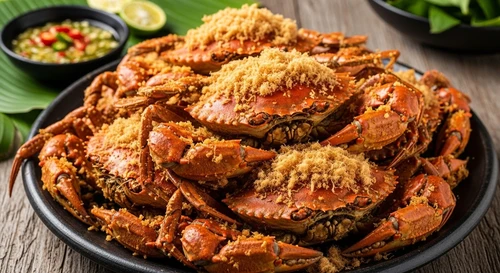
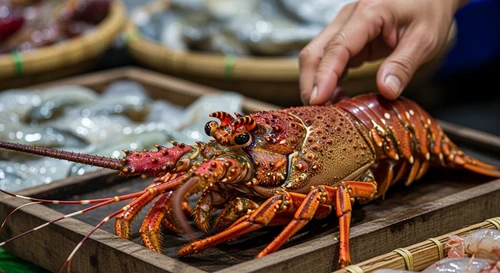
" In the labyrinthine markets of the Mekong Delta, where the air hums with the cries of vendors and the scent of brine, a simple question can separate the novice from the connoisseur: Male or Female? The answer, my friends, is written on their bellies. "
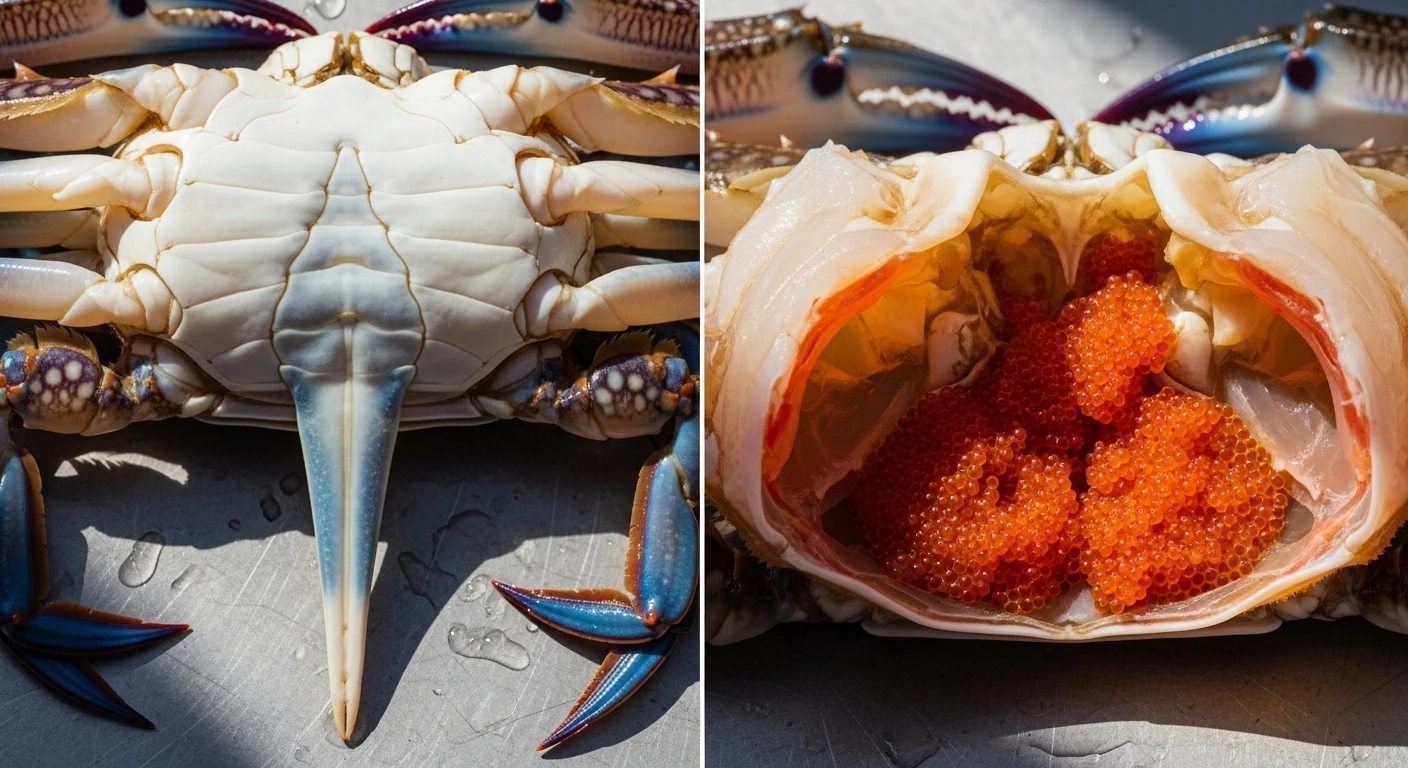
📸 Visual guide: A quick glance reveals all.
1 The Great Divide: Male vs. Female
The world of blue crabs, whether from the coastal waters of Ca Mau or the teeming estuaries of the delta, presents a delicious dichotomy. This isn't just about reproduction; it's about culinary intent. One offers dense, sweet meat; the other, a treasure trove of rich, unctuous roe. The key to unlocking this treasure lies in a simple, often overlooked feature: the abdominal flap, or 'apron'.
The Male Crab: A Meaty Proposition
Look for a crab with an abdominal flap shaped like a narrow, elongated T shape, or a sharp, pointed triangle. This narrower flap is characteristic of male crabs. These specimens are prized for their firm, sweet flesh, particularly in the claws and legs. They are the bodybuilders of the crab world, built for substance.
Think: dense meat, ideal for steaming, grilling, or being the star of a crab noodle soup.
The Female Crab: A Jewel of Roe
The female crab sports a much wider, rounded abdominal flap, resembling a broad semi-circle or a bell shape. This apron is where the magic happens – it houses the prized orange or deep red roe (known locally as 'gach'). This roe is a delicacy, rich, creamy, and intensely flavored, often used in celebratory dishes or added for a luxurious finish.
Think: rich roe, perfect for steamed egg custards, stir-fries, or simply enjoyed on its own.
Heritage Ingredient
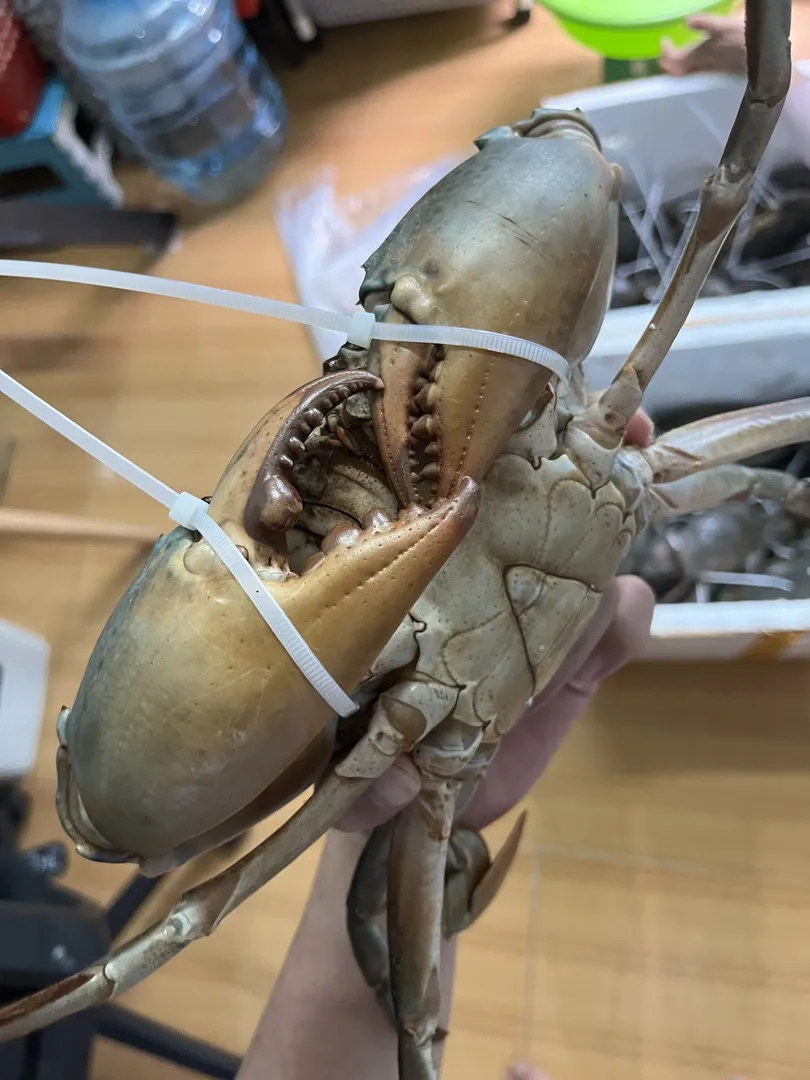
Ca Mau Jumbo Mud Crab
Ca Mau Jumbo Mud Crab
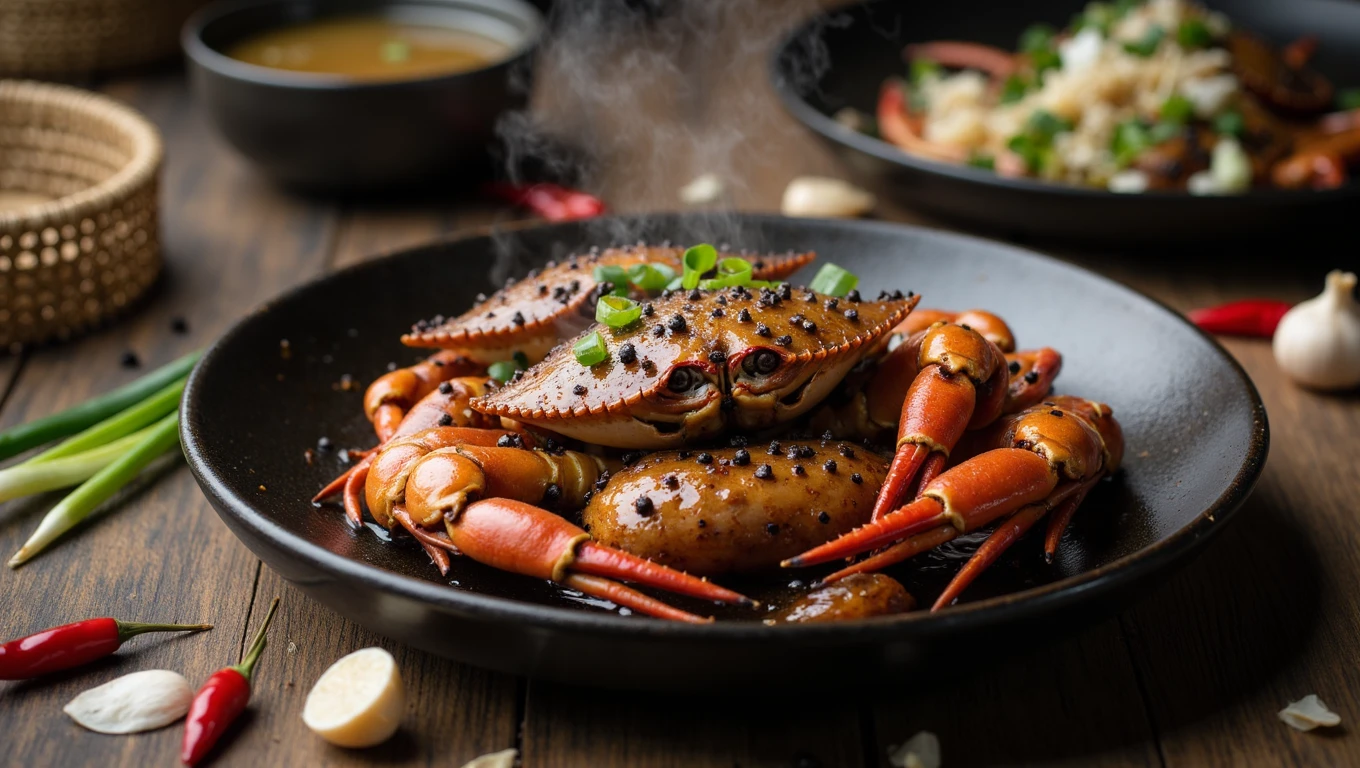
A large male mud crab prized for dense, sweet meat and thick claws, commonly used in steamed crab and grilled crab dishes across the Mekong Delta.
An icon of coastal culinary heritage, featuring firm, sweet meat that captures the raw power and freshness of Ca Mau's tides.
2 A Delta Perspective: Why It Matters Locally
For generations, the fishing communities along the Mekong's intricate network of rivers and canals, from the mangrove-lined coasts of Ca Mau to the bustling floating markets of Can Tho, have understood this fundamental difference. The choice isn't arbitrary; it's dictated by the desired outcome at the dinner table. A fisherman might be motivated to catch male crabs for a quick sale of their substantial meat, or seek out females knowing their roe is a highly sought-after commodity, especially during festival seasons.
In Ca Mau, a region synonymous with premium seafood, the distinction is paramount. When purchasing crabs for a special meal, like a family gathering or a celebratory feast, the vendor will invariably ask: "Thit hay gach?" (Meat or roe?). Your answer dictates the crab they present. The robust, claw-heavy male crabs, like those often found in the region's rich aquaculture, are favored for their sheer mass of succulent meat.
Heritage Ingredient
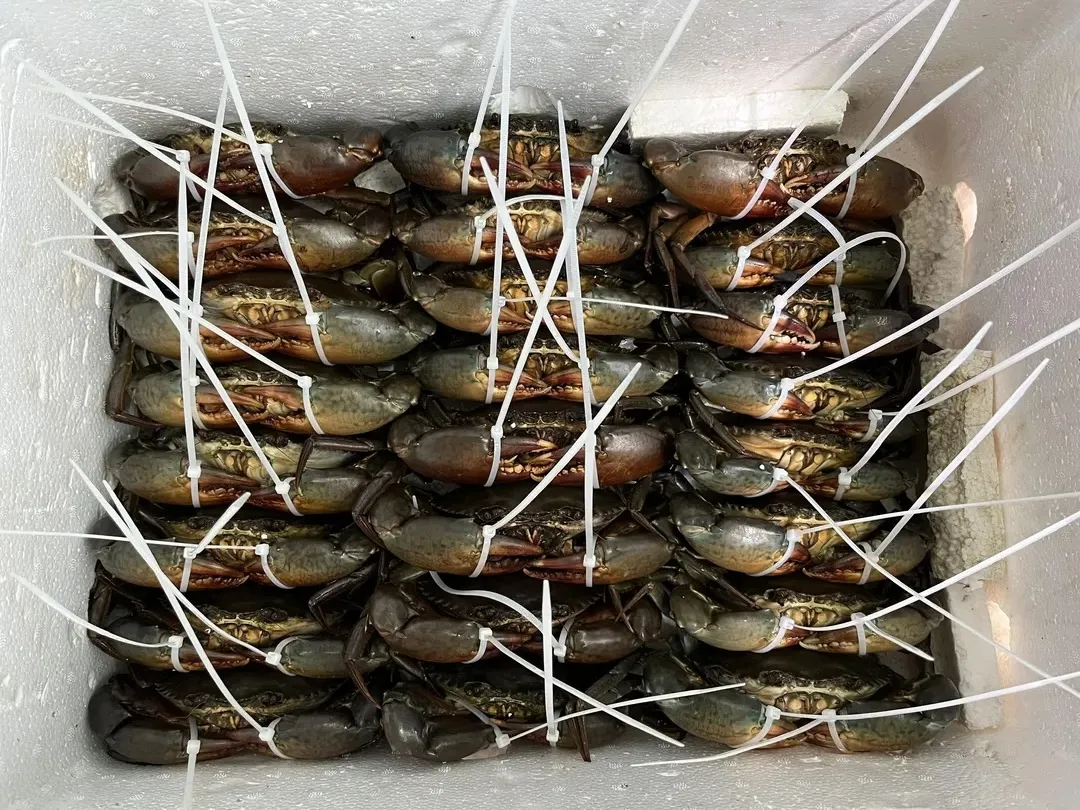
Export-Grade Ca Mau Roe Crab
Export-Grade Ca Mau Roe Crab
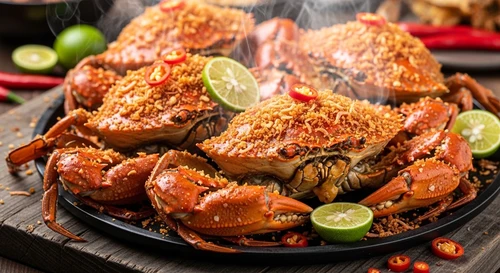
A carefully sorted roe crab selected for size, shell quality, and roe consistency, suitable for explaining premium grading in Vietnamese crab culture.
The pinnacle of perfection—pristine shells and bursting roe, meticulously selected to conquer the hearts of global gourmets.
Conversely, the female crabs, particularly those plump with fully developed roe, are cherished for their luxurious contribution to dishes. This careful selection process ensures that the culinary experience aligns perfectly with diner's expectations. It's a dance of nature and tradition, played out daily in the heart of Vietnam's rice bowl.
3 The Apron Decoded: A Visual Cheat Sheet
Male Crab Apron:
- Shape: Narrow, pointed triangle; T-shaped.
- Size: Covers only a small portion of the crab's underside.
- Color: Typically pale blue or cream.
- Culinary Focus: Meat.
Female Crab Apron:
- Shape: Wide, rounded semi-circle; bell-shaped.
- Size: Covers a significant portion of the crab's underside.
- Color: Can range from pale blue to deep orange or red when ripe with roe.
- Culinary Focus: Roe (Gach).
4 Beyond the Apron: Other Subtle Clues
While the apron is the most reliable indicator, seasoned crab hunters and vendors often look for other subtle signs:
- Size and Heft: Male crabs, especially larger ones, tend to feel heavier for their size due to their dense muscle.
- Claw Size: Males often possess larger, more substantial claws, indicative of their muscular build.
- Shell Thickness: Females carrying a significant amount of roe might feel slightly less dense in the main body cavity, as the roe occupies space.
- Behavior: Though not a foolproof method, males might appear more aggressive or territorial.
5 When to Choose Which: The Culinary Decision
For the Meat Lover
Opt for the males with the triangular apron. Their dense, sweet meat is perfect for dishes where the crab itself is the star, such as steaming, grilling, or making rich crab stock. Think of Vietnamese crab hot pots (Lẩu Cua) or simple, elegant steamed crab served with a spicy lime dip.
For the Roe Aficionado
Seek out the females with the semi-circular apron. The creamy, vibrant roe is a delicacy, often savored on its own or incorporated into rich sauces and fillings. Dishes like 'Cua Rang Me' (Tamarind Crab) often benefit from the roe for added flavor, or it can be steamed into a delicate egg custard.
The Balanced Bite
Younger female crabs, before they are fully laden with roe (sometimes called 'virgin crabs' or 'cua yếm vuông'), offer a pleasing balance of sweet meat and a lighter, subtly flavored roe. These are versatile and can be enjoyed in many preparations.
6 From Ca Mau's Mangroves to Your Table
The journey of a crab from the wild, brackish waters and intricate mangrove forests of Ca Mau to the dining table is a testament to the rich biodiversity of the Mekong Delta. The careful selection based on the apron is not just a culinary technique; it's a cultural practice deeply embedded in the region's food heritage. It reflects an understanding and respect for the nuances of the sea's bounty, ensuring that each crab is appreciated for its unique contribution.
Whether you're at a bustling riverside market in Can Tho, haggling for the freshest catch, or ordering a crab feast in a seaside restaurant in Soc Trang, this simple visual check will serve you well. It's a small piece of knowledge that unlocks a deeper appreciation for the incredible seafood that defines the Mekong Delta's culinary soul.
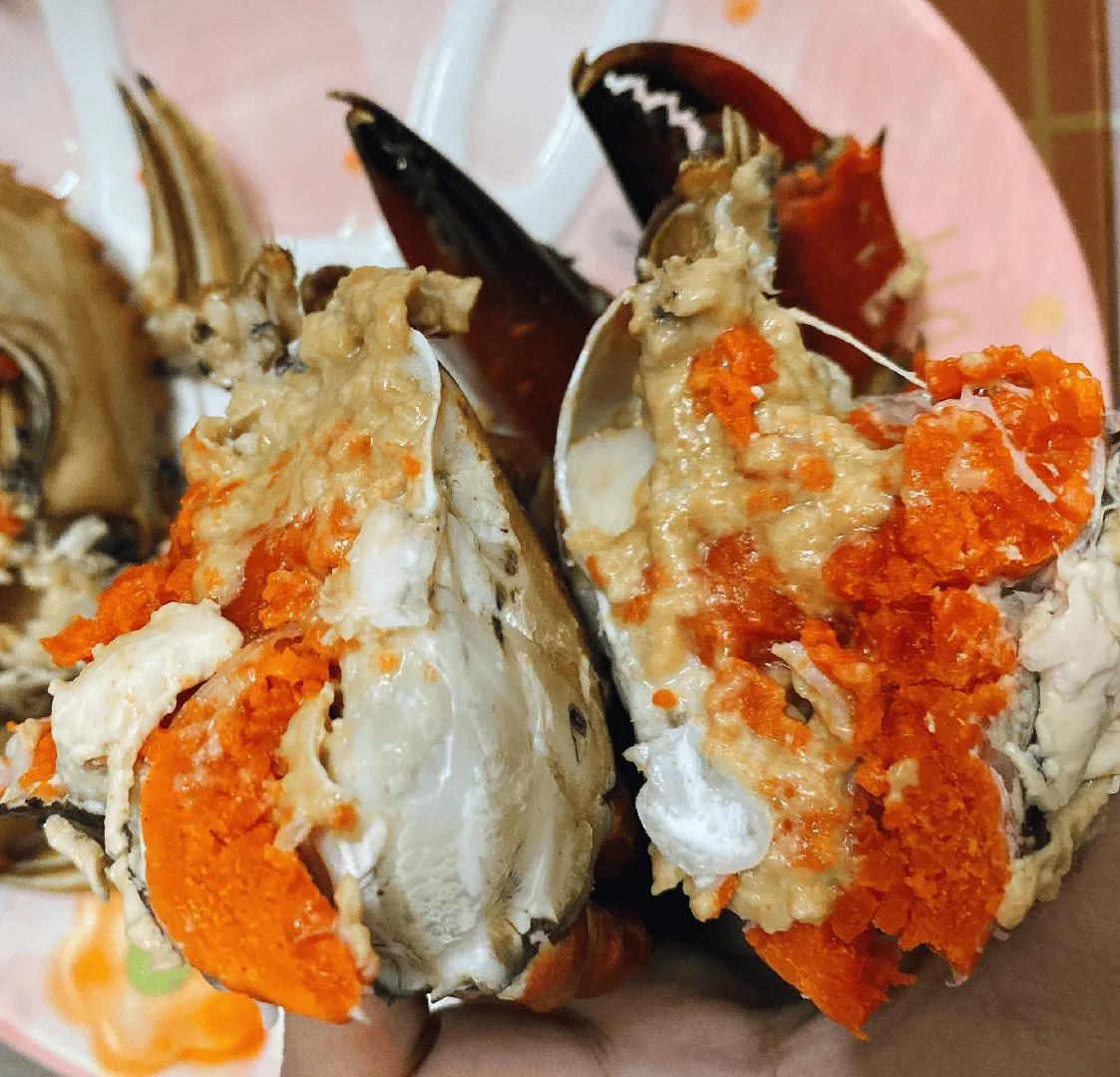
Heritage Ingredient
Ca Mau Roe Mud Crab
Ca Mau Roe Mud Crab
A female mud crab known for deep orange roe and a rich, creamy finish, often featured in celebratory Southern Vietnamese seafood meals.
A crimson treasure hidden within a shell, boasting rich, creamy roe that melts on your tongue like a golden sunset over the delta.
7 Pro-Tips for the Savvy Seafood Lover
💡 Freshness First: Always choose live crabs. Their vitality is the best indicator of quality.
🌊 Location, Location, Location: Coastal crabs often have a more pronounced salinity and sweetness.
❓ When in Doubt, Ask!
8 The Ultimate Goal: Savoring the Delta's Bounty
Whether you're a seasoned chef or a curious traveler, understanding the simple distinction between male and female blue crabs elevates your appreciation for seafood. It's a key to unlocking the authentic flavors and culinary traditions of the Mekong Delta. So next time you find yourself amidst the vibrant chaos of a Vietnamese market, armed with this knowledge, you can confidently select the perfect crab – a true taste of the river and sea.
Enjoy the hunt, and more importantly, enjoy the feast.