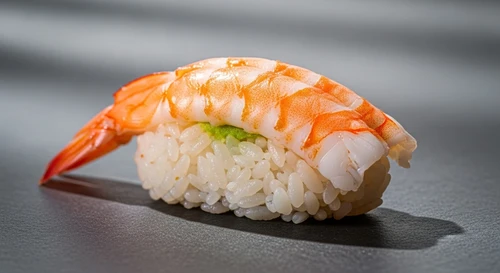
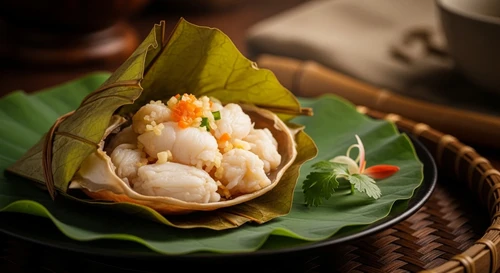
" In the bustling markets of the Mekong Delta, where fresh seafood is lifeblood, the visual appeal of a dish is almost as important as its taste. And what's more appealing than perfectly cooked shrimp, standing proud like little crimson soldiers? "
1 The Bounty of the Waterways: Shrimp in the Mekong Delta
The Mekong Delta, a vast labyrinth of rivers, canals, and brackish waterways, is Vietnam's powerhouse for aquaculture and wild-caught seafood. Shrimp, in particular, is a cornerstone of the region's economy and cuisine. From the brackish ponds of Ca Mau cultivating plump Black Tiger Shrimp
Heritage Ingredient Ca Mau Black Tiger Shrimp Large black tiger shrimp associated with mangrove aquaculture in Ca Mau, known for firm flesh and a cleaner, sweeter finish than intensively farmed shrimp. Wild spirits of the mangroves, these black-banded gems deliver a firm, snappy texture and a sweetness that echoes the forest's vibrant life. Heritage Ingredient Mekong Giant Freshwater Prawn A river prawn with long blue claws and rich head fat, common in grilled prawn dishes and hotpot traditions across the Mekong basin. Majestic blue-clawed warriors of the Mekong, famous for their rich, fatty heads and a savory depth that captures the essence of the delta's rivers.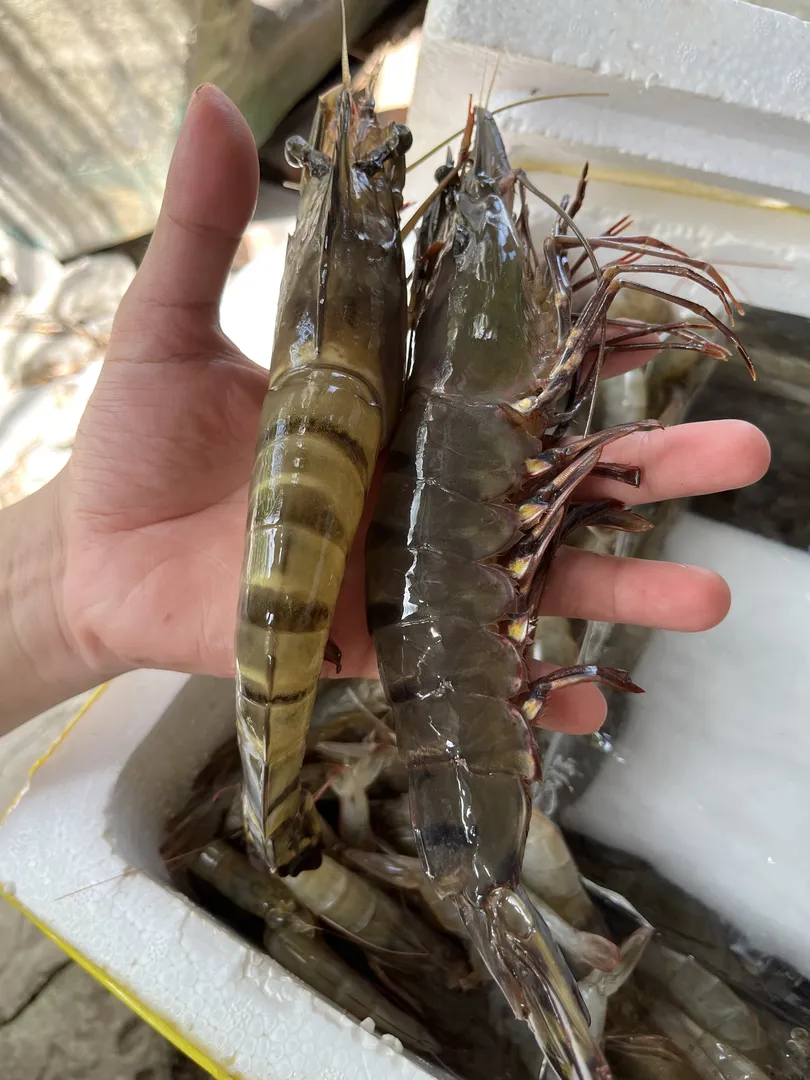
Ca Mau Black Tiger Shrimp

Mekong Giant Freshwater Prawn
While many types of shrimp are used daily, the desire for presentation, especially for banquets or important meals, calls for a little culinary magic. The visual impact of perfectly cooked shrimp—straight, firm, and a vivid crimson hue—elevates a dish from ordinary to extraordinary. It speaks of freshness, care, and culinary pride.

📸 A typical morning at a Mekong Delta seafood market, the source of our vibrant ingredients.
2 The Humble Bamboo Skewer: A Banquet Chef's Best Friend
The culinary world is full of seemingly simple techniques that yield remarkable results. The trick to achieving those perfectly straight, banquet-ready shrimp lies in a tool as common as it is effective: the bamboo skewer.
When shrimp cook, their natural muscle fibers contract, causing them to curl into that familiar C-shape. For many dishes, this is perfectly fine. However, for aesthetics, particularly in dishes like summer rolls where you want to see the shrimp clearly, or for a more refined platter presentation, a straight shrimp is far superior.
The Mechanism
By inserting a thin bamboo skewer along the shrimp's spine, from head to tail, you physically prevent the muscle from contracting and curling. The skewer acts as a splint, forcing the shrimp to maintain a straight posture throughout the cooking process.
The Color Boost
While the skewer itself doesn't directly affect color, the process of blanching shrimp (a quick boil) is what activates their natural pigments. Using this method ensures a quick, even cook, locking in the vibrant red color that signals freshness and appeal.
3 From Bend to Straight: The Blanching Process
Select Your Shrimp
Choose fresh or good quality frozen-then-thawed shrimp. Medium to large sizes work best for this technique. While we often think of Ca Mau Black Tiger Shrimp for their impressive size, even common Whiteleg Shrimp can be transformed with this method. Ensure they are peeled and deveined, but leave the tail on for handling.
The Skewer Insertion
Take a thin bamboo skewer. Starting from just behind the head, gently thread the skewer through the flesh of the shrimp, along its back (spine), all the way to the tail end. Keep it straight, ensuring the shrimp lies flat. Don't pierce it too deeply, just enough to keep it from bending.
Prepare the Blanching Water
Bring a large pot of generously salted water to a rolling boil. For extra color and flavor, you can add a few aromatics like lemongrass stalks, slices of ginger, or even a splash of white wine or rice wine vinegar.
Blanch and Shock
Carefully add the skewered shrimp to the boiling water. Cook for just 1-3 minutes, depending on the size of the shrimp. They are done when they turn pinkish-orange and opaque. Immediately remove them from the boiling water and plunge them into an ice bath. This stops the cooking process instantly, preventing overcooking and preserving that bright red hue.
Remove Skewers and Serve
Once chilled, carefully slide the bamboo skewers out of the shrimp. You'll be left with beautifully straight, vibrant red shrimp, ready to be the star of your next banquet or a delightful addition to your favorite Vietnamese dishes.
4 Elevating the Presentation: Expert Tips
Shrimp Quality is Key
This method enhances, but cannot create, quality. Always use the freshest shrimp possible. For a truly authentic Mekong Delta experience, look for shrimp sustainably farmed in the mangrove areas of Ca Mau. Their flavor is unparalleled.
Don't Overcook!
Overcooked shrimp become tough and lose their appealing texture. The quick blanching method, combined with the ice bath, is crucial for achieving that perfect snap. Watch them closely – they cook fast!
5 Beyond the Plate: Culinary Applications
These perfectly straight, vibrant red shrimp are not just for show. They are a versatile ingredient that elevates many Vietnamese and Southeast Asian dishes:
- Goi Cuon (Fresh Spring Rolls): Arrange them prominently in the roll for a beautiful visual appeal.
- Platter Presentations: Serve them as a centerpiece, perhaps with a side of lime-chili dipping sauce.
- Banh Xeo (Crispy Vietnamese Crepes): Use them as a colorful filling.
- Salads: Add a pop of color and protein to any mixed green or noodle salad.
- Cocktail Appetizers: Serve chilled with a classic cocktail sauce or a more authentic Vietnamese dipping sauce.
The visual cue of straight, bright red shrimp instantly communicates freshness and quality, making your dishes more inviting and celebratory.
6 The Crimson Transformation: Understanding the Color Change
Ever wondered why shrimp turn red when cooked? It's all thanks to a natural pigment called astaxanthin. In raw shrimp, this pigment is bound to proteins, giving it a grayish or brownish appearance.
When shrimp are exposed to heat, these proteins break down. This releases the astaxanthin, which then becomes visible in its bright red form. The quicker and more even the cooking process, the more vibrant and uniform the red color will be. This is precisely why the quick blanching method, aided by the structure provided by the skewer, is so effective at achieving that sought-after bright red hue. It's a fascinating intersection of biology and culinary technique.
7 Mekong's Finest: Varieties for Your Banquet
While the skewer trick works on most shrimp, using high-quality varieties from the Mekong Delta will naturally yield superior results in both flavor and appearance.
Ca Mau Black Tiger Shrimp (Penaeus monodon)
These are iconic. Known for their large size, firm texture, and sweet, clean flavor, they are ideal for making a statement. Their natural color also tends to be quite vibrant even before cooking.
Heritage Ingredient
Ca Mau Black Tiger Shrimp
Ca Mau Black Tiger Shrimp
Large black tiger shrimp associated with mangrove aquaculture in Ca Mau, known for firm flesh and a cleaner, sweeter finish than intensively farmed shrimp.
Wild spirits of the mangroves, these black-banded gems deliver a firm, snappy texture and a sweetness that echoes the forest's vibrant life.
Mekong Giant Freshwater Prawn (Macrobrachium rosenbergii)
While often larger and with distinctive blue claws, these river prawns also cook up beautifully. Their rich head fat adds an extra layer of flavor, and their substantial size makes them perfect for skewering and showcasing.
Heritage Ingredient
Mekong Giant Freshwater Prawn
Mekong Giant Freshwater Prawn
A river prawn with long blue claws and rich head fat, common in grilled prawn dishes and hotpot traditions across the Mekong basin.
Majestic blue-clawed warriors of the Mekong, famous for their rich, fatty heads and a savory depth that captures the essence of the delta's rivers.
Note: Smaller shrimp like the commonly found Whiteleg Shrimp (often labeled as Vanamei) are more economical and widely available for everyday cooking, and will also benefit from this straightening technique for presentation.
8 The Final Flourish: Presentation is Key
In the heart of Vietnamese culinary tradition, especially in regions like the Mekong Delta, food is a feast for the eyes as much as the palate. Simple techniques, passed down through generations, can transform humble ingredients into works of art. The bamboo skewer method for boiling shrimp is a prime example. It's an accessible, effective trick that elevates your cooking, showing care and attention to detail.
So the next time you're preparing for a special meal, remember this simple secret. A bamboo skewer, a pot of boiling water, and a bit of care will ensure your shrimp are not only cooked to perfection but are also beautifully straight and vibrantly red—a true testament to the artistry of Mekong Delta cuisine.