" This isn't just food; it's an experience. Imagine the fiery punch of black pepper, the sweet, yielding flesh of crab, all cocooned in the intoxicating, slightly peppery aroma of a betel leaf. Then, imagine it fried to an irresistible crisp. "
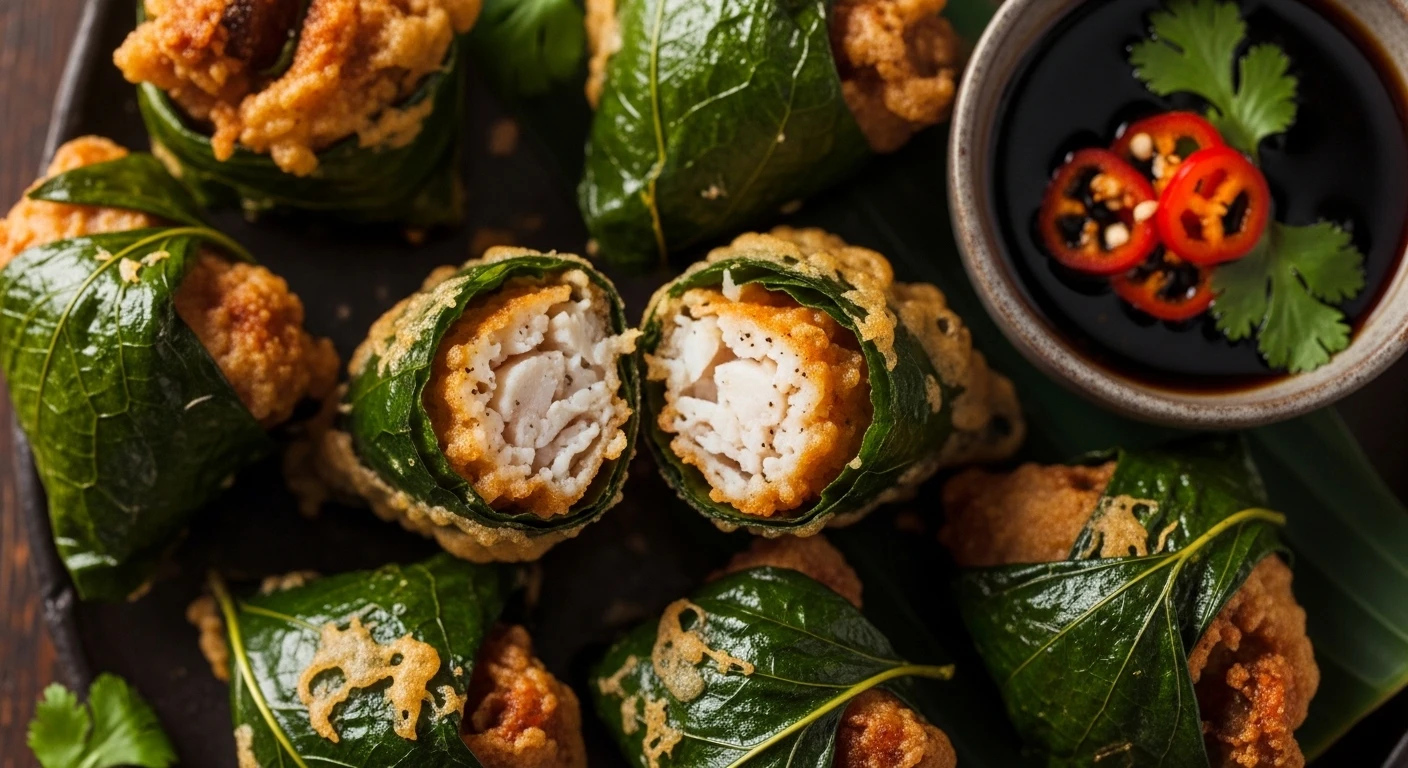
📸 Golden perfection: Crispy fried crab parcels ready to be devoured.
1 Where the Delta Meets the Deep Fryer
The Mekong Delta, a sprawling labyrinth of rivers, canals, and fertile plains, is Vietnam's rice bowl and, crucially, a treasure trove of aquatic life. Along its coastlines and within its brackish waters thrive some of the finest seafood in Southeast Asia. This dish is a direct testament to that abundance.
Think of the plump, sweet mud crabs from Ca Mau, prized for their dense meat and rich roe. These aren't just ingredients; they are the stars of a culinary tradition shaped by the very water they inhabit. While many coastal regions offer crab, Ca Mau's unique environment lends a distinct sweetness and firmness to its crustaceans that makes them ideal for dishes demanding peak flavor.
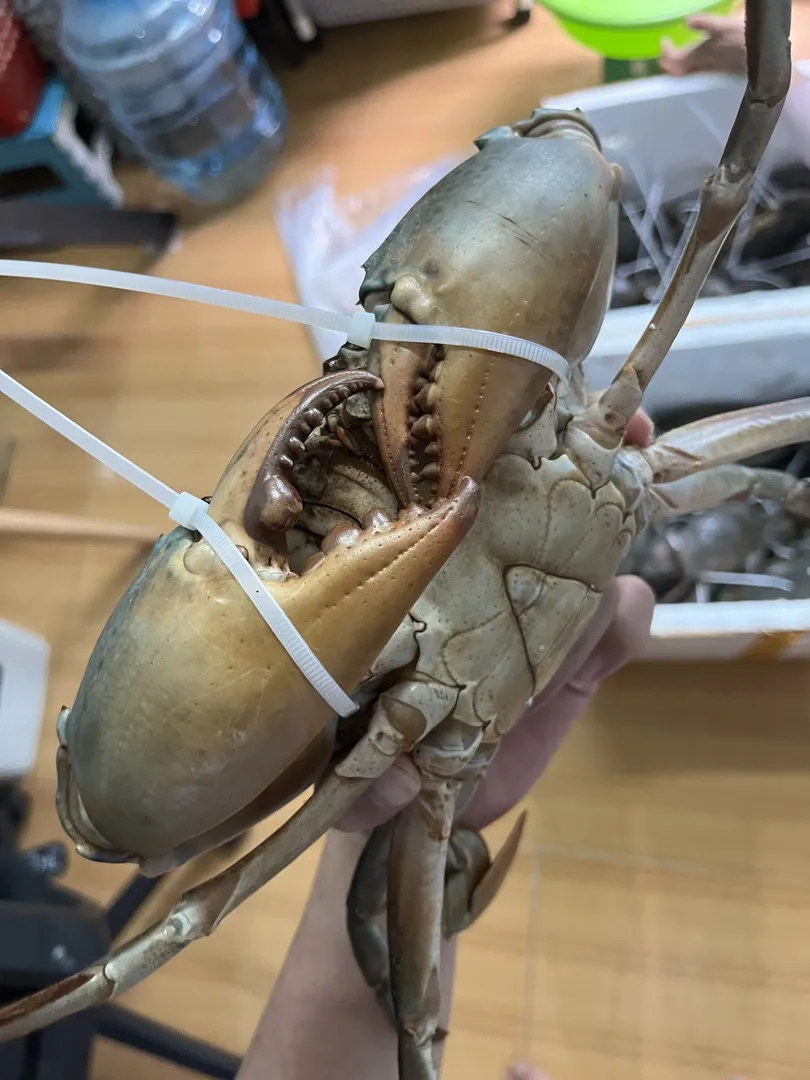
Heritage Ingredient
Ca Mau Jumbo Mud Crab
Ca Mau Jumbo Mud Crab
A large male mud crab prized for dense, sweet meat and thick claws, commonly used in steamed crab and grilled crab dishes across the Mekong Delta.
An icon of coastal culinary heritage, featuring firm, sweet meat that captures the raw power and freshness of Ca Mau's tides.
This recipe takes that pristine crab meat, infuses it with the bold, pungent character of freshly cracked black pepper, and then gives it an aromatic embrace with betel leaves. The betel leaf, common in Southeast Asian cuisine, imparts a subtle, unique peppery note and a moistness that is crucial for the final transformation.
2 A Sophisticated Evolution
Food trends, like rivers, constantly flow and evolve. While the concept of wrapping meat in betel leaves and grilling or frying it isn't new in Vietnamese or Southeast Asian cooking (think of *bo la lot* – grilled beef in betel leaves), this crab rendition is a modern, elevated interpretation.
Where beef might offer a heartier, more robust flavor, crab provides a delicate sweetness and a luxurious texture. By replacing beef with premium crab meat – especially the dense, prized meat from the Mekong Delta – and pairing it with the assertive kick of black pepper, you create something that feels both familiar and strikingly new. It’s the kind of dish that transforms a casual gathering into a sophisticated culinary event, perfect for pubs looking to offer something beyond the ordinary.
The "Expensive" Factor
The perceived "expense" or luxury comes from several factors: the quality of the crab, the intensity of the black pepper, the aromatic betel leaf, and the careful deep-frying technique that locks in flavor and creates an irresistible crunch. It’s a dish that demands respect for its ingredients.
3 A Culinary Hug
The magic of this dish lies in its construction. It's not merely a mixture of ingredients; it's a deliberate assembly designed to maximize flavor and texture.
The Filling Foundation
Begin with high-quality crab meat. Often, this is a mix of claw and body meat for varying textures. It's typically mashed or roughly chopped and then seasoned generously with:
- Cracked Black Pepper: Use freshly cracked, coarse black pepper for maximum pungency. Kampot pepper, if you can find it, would be sublime.
- Garlic & Shallots: Finely minced and sautéed to aromatic perfection before being mixed in.
- A Binder: Sometimes a touch of egg white or cornstarch to help hold the mixture together.
- Optional Enhancements: A whisper of fish sauce for umami, or a pinch of sugar to balance the heat.
The Betel Leaf Embrace
Fresh betel leaves are essential. They are typically folded or shaped to hold the crab mixture. The leaf itself has a slightly peppery, medicinal quality that complements the other flavors. The goal is to create a neat parcel that will hold its shape during frying.
- Preparation: Wash and dry the leaves thoroughly.
- Wrapping: Place a spoonful of the crab mixture onto the leaf and fold it over, securing it like a small envelope or parcel. Some chefs might secure it with a toothpick temporarily.
The Fiery Kiss of the Wok
Deep-frying is the final, crucial step. The oil must be hot enough to crisp the leaves and cook the crab mixture through quickly without overcooking the delicate crab meat. This process renders the betel leaf wonderfully fragrant and gives the entire parcel a satisfying crunch. It's a technique that demands careful temperature control – too low and it becomes greasy, too high and it burns.
The Experience: More Than Just a Snack
This isn't a dish you gnaw at. It's an appetizer designed to be savored, shared, and discussed.
The First Bite
Crackling exterior gives way to tender, peppery crab. The betel leaf adds an aromatic counterpoint.
The Dip
A simple dipping sauce is often served. A classic would be a blend of lime juice, fish sauce, chili, and a touch of sugar. Some might prefer a slightly sweet chili sauce.
The Pairing
This is a pub favorite for a reason. A crisp, cold lager or a light, dry white wine like a Sauvignon Blanc cuts through the richness and complements the spices beautifully.
The "Sold Out" Secret
In bustling pubs and restaurants, especially those catering to a global palate seeking authentic yet exciting flavors, this dish becomes a legend. Why?
- Uniqueness: It's not your everyday seafood appetizer. The combination of betel leaf and deep-fried crab is distinctive.
- Flavor Profile: The balance of sweet crab, pungent pepper, aromatic leaf, and crisp texture is addictive.
- The "Wow" Factor: The presentation is often elegant, and the taste delivers on its promise, making it highly shareable and memorable.
- Mekong Authenticity: It taps into the rich seafood heritage of the Mekong Delta, offering a taste of a specific, celebrated regional cuisine.
- The "Expensive" Upgrade: It successfully mimics the luxurious feel of a premium dish without necessarily having an astronomical price tag, offering high perceived value.
6 Echoes of the River
The spirit of the Mekong Delta is not just in the crab; it's in the resourcefulness and bold flavors. This region thrives on its waterways, where fishermen haul in their catch daily and local markets overflow with a dizzying array of seafood. Dishes like this Black Pepper Crab Betel Leaf parcel speak to a culinary culture that respects the quality of fresh ingredients and isn't afraid to amplify them with potent aromatics and spices.
Imagine the scent of these parcels frying in a small, family-run eatery by the river in Soc Trang, or being served at a lively gathering in Can Tho. The betel leaf itself is cultivated in the fertile delta soil, adding another layer of local provenance. It’s a dish that, while perhaps perfected in urban kitchens and trendy pubs, carries the earthy, vibrant soul of its Mekong origins.
7 Your Own "Sold Out" Creation
Key Ingredients to Seek
- Crab Meat: The fresher and sweeter, the better. Aim for claw and body meat for a good mix.
- Betel Leaves: Look for fresh, pliable leaves.
- Black Pepper: Essential to use whole peppercorns and grind them fresh.
- Oil for Frying: A neutral oil like vegetable, canola, or peanut oil.
A Note on Frying
Achieving that perfect crisp without overcooking the crab is an art. Ensure your oil is at the correct temperature (around 350°F / 175°C). Fry in batches to avoid crowding the pan, which lowers the oil temperature and leads to greasy results.
The Final Touch
Serve immediately while piping hot. A sprinkle of extra fresh black pepper and a few fresh betel leaf slivers can elevate the presentation.
8 Beyond the Usual Suspects
While many of us are familiar with steamed crab, grilled crab, or crab stir-fried with noodles, this dish represents a more refined, creative application of crab meat. It's a dish that signifies a kitchen's willingness to push boundaries and honor quality ingredients with innovative techniques. It’s the kind of culinary secret that food lovers seek out, and once discovered, is never forgotten.