" The Mekong Delta, a labyrinth of waterways and fertile lands, is famed for its vibrant seafood. But beneath the surface of this culinary paradise, a cunning deception lurks, preying on the unsuspecting traveler. "

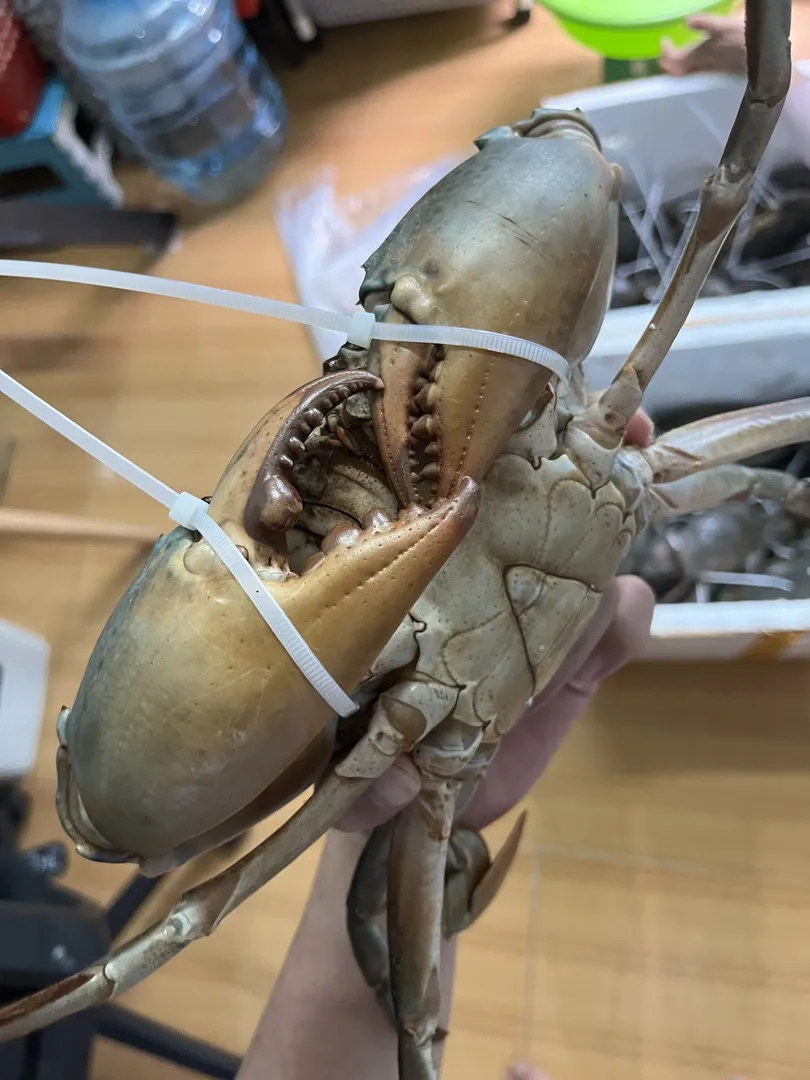
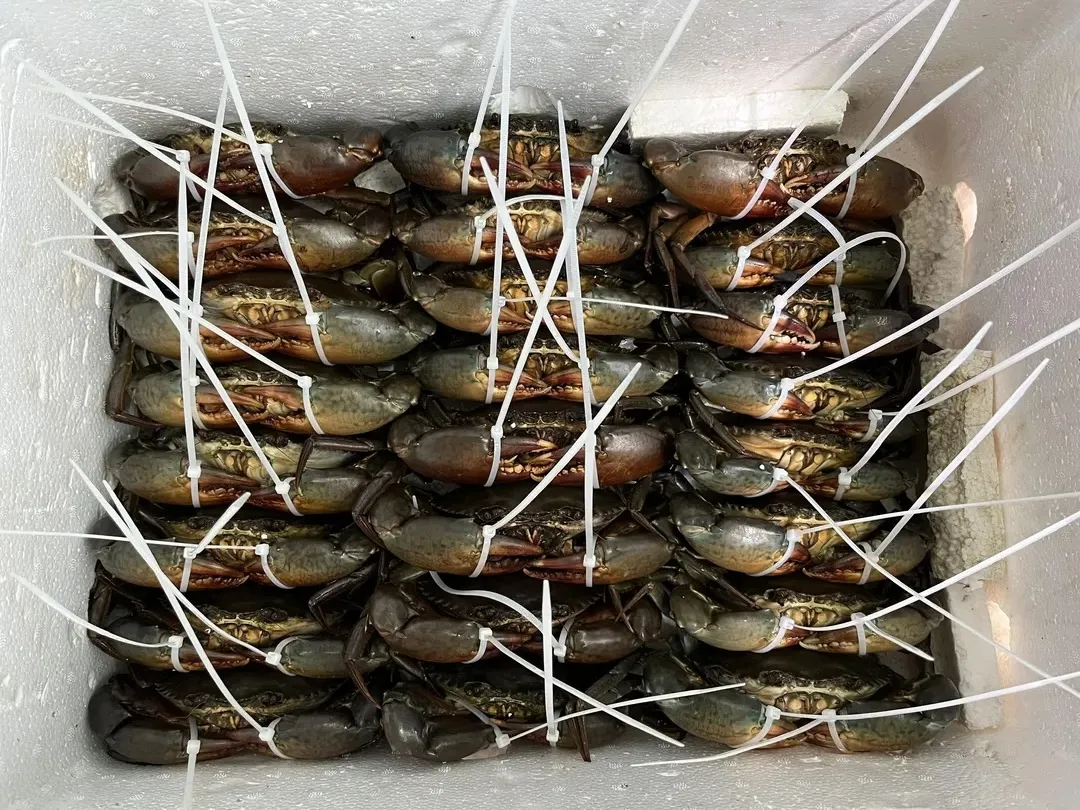
📸 The tell-tale sign: Crabs bound by bands that seem to outweigh the crustaceans themselves.
1 The River's Promise, The Market's Deception
The Mekong Delta is a vast, intricate network of rivers, canals, and fertile plains, providing an abundance of seafood that is central to the region's economy and cuisine. From the brackish waters of the coast to the freshwater heartland, crabs are a prized commodity. These aren't just any crabs; they are often the famed Ca Mau mud crabs, known for their dense, sweet meat and rich roe. Imagine arriving at a bustling highway-side seafood stall, the scent of brine and cooked shellfish filling the air, a kilo of magnificent crabs beckoning. The dream of a delicious, authentic delta meal begins.
However, this dream can quickly sour. A common tactic employed by unscrupulous vendors, particularly targeting tourists, involves an age-old trick: the weight of the binding.
Heritage Ingredient
Ca Mau Jumbo Mud Crab
Ca Mau Jumbo Mud Crab
A large male mud crab prized for dense, sweet meat and thick claws, commonly used in steamed crab and grilled crab dishes across the Mekong Delta.
An icon of coastal culinary heritage, featuring firm, sweet meat that captures the raw power and freshness of Ca Mau's tides.
Heritage Ingredient
Export-Grade Ca Mau Roe Crab
Export-Grade Ca Mau Roe Crab
A carefully sorted roe crab selected for size, shell quality, and roe consistency, suitable for explaining premium grading in Vietnamese crab culture.
The pinnacle of perfection—pristine shells and bursting roe, meticulously selected to conquer the hearts of global gourmets.
2 When Rubber Bands Become Lead Weights
The issue, as highlighted by market management crackdowns, is the egregious use of lead-core rubber bands, or simply overly thick, heavy-duty rubber bands, to secure the crabs' legs and claws. When a tourist purchases a kilogram of live crabs, they expect that weight to be primarily the crabs themselves. What they don't realize is that the bands themselves can account for a shocking percentage of the total weight.
Reports and investigations have revealed instances where customers buying 1kg of live crabs would take them home, only to find that after removing the excessive bands, the actual crab weight was as little as 400-500 grams. That's a 50-60% loss due to deceptive binding. This isn't just a minor inconvenience; it's outright theft, disguised as a standard market practice.

📸 The weight difference: An obvious disparity between the banded crabs and their true edible mass.
3 Cracking Down on the Crab Racketeers
Thankfully, this issue has not gone unnoticed. Market management authorities in the Mekong Delta, particularly in areas known for high tourist traffic and seafood sales along highways, have been stepping in. These crackdowns aim to curb this dishonest practice and protect both local consumers and international visitors.
Inspectors are reportedly penalizing seafood stalls found using excessively heavy rubber bands. This intervention is crucial for maintaining the integrity of the region's famous seafood markets. It's a signal that while the Mekong Delta offers incredible culinary experiences, fair trade and honest practices are expected. The goal is to ensure that the weight you pay for is the weight you get, allowing the true flavors of the delta to shine without being overshadowed by deception.
Market Management's Role: Their efforts are vital in ensuring that the reputation of Mekong Delta seafood is not tarnished by such deceitful practices. Regular checks and penalties serve as a deterrent.
4 Navigating the Market Like a Local (Or a Savvy Tourist)
Ask for a Second Weighing
If possible, ask the vendor to weigh the crabs *after* the bands are loosened or removed for a final calculation. While tricky on the spot, this is the most direct approach.
Observe the Bands
Pay close attention to the bands themselves. Are they excessively thick? Do they look like they're made of standard rubber, or do they feel unnaturally heavy or stiff? Lead-core bands are often thicker and have a denser feel.
Trust Your Gut (and your Hand)
If the weight feels off for the size of the crabs, it probably is. Experienced locals can often gauge the weight accurately. If in doubt, consider moving to a different vendor.
Seek Reputable Sources
When possible, buy from stalls recommended by your hotel, tour guide, or trusted local friends. These sources are less likely to engage in such scams.
5 Don't Let Scammers Ruin the Taste of the Delta
The Mekong Delta is a treasure trove of culinary delights. The fresh seafood, the unique terroir, and the rich cooking traditions are what draw so many of us there. The incident with the lead-core rubber bands is a disappointing but ultimately solvable problem for the discerning traveler.
The true joy of eating Mekong Delta crab – whether it's the succulent meat of a Ca Mau Jumbo Mud Crab or the rich roe of a Ca Mau Roe Mud Crab – should not be diminished by the dishonesty of a few. By being aware of this scam and taking simple precautions, you can ensure your seafood purchases are fair and that your culinary journey through the delta is as authentic and delicious as it's meant to be.
So, when you're exploring the vibrant markets, keep your eyes peeled, your hands ready to feel the weight, and your spirit open to the incredible flavors that the Mekong Delta has to offer. The goal is to enjoy every last morsel, without any unnecessary, deceptive ballast.
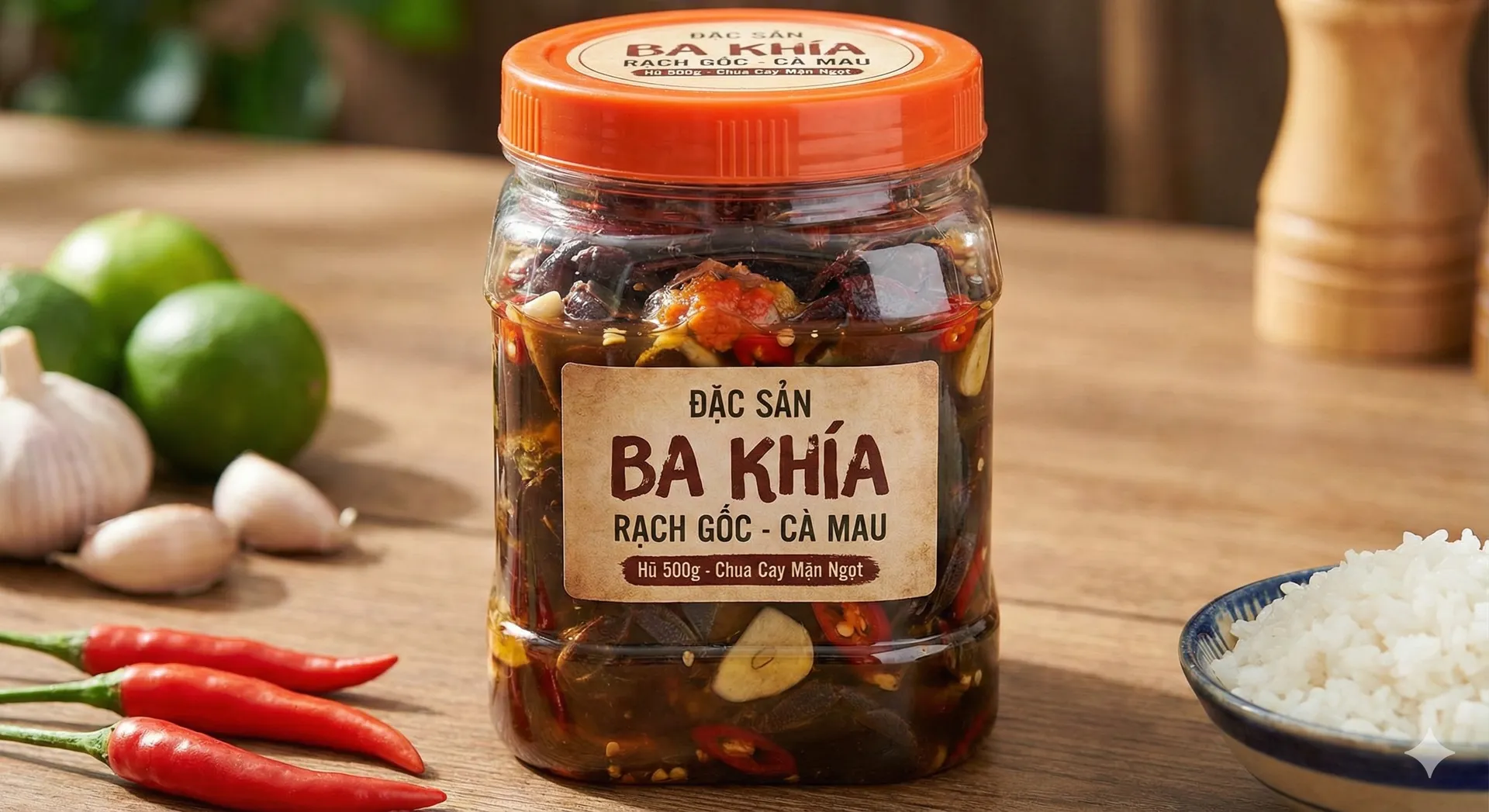
Heritage Ingredient
Fermented Mangrove Crab (Ba Khia)
Fermented Mangrove Crab (Ba Khia)
A traditional fermented crab specialty from the mangrove region of Rach Goc, often cited in articles about rustic Mekong Delta flavors and preserved seafood culture.
The salty-sour heartbeat of the wild south, where traditional fermentation turns forest crabs into a nostalgic explosion of rustic Mekong soul.
6 Understanding the "Lead-Core" Rubber Band
These aren't your average office supply rubber bands. "Lead-core" rubber bands, or heavy-duty industrial rubber bands, are designed for strength and durability. In the context of tying crabs, they serve a dual purpose for the dishonest vendor:
- Structural Integrity: They effectively secure the crab's legs and claws, preventing escape and damage during transport. This is a legitimate need.
- Weight Deception: The crucial, unethical element is their inherent density. Made with rubber compounds that are often reinforced or blended with materials that increase their weight, these bands can easily add 100-200 grams or more per crab, especially when multiple bands are used per leg and claw. Standard rubber bands are light and contribute negligibly to the overall weight.
The term "lead-core" might be a colloquialism, implying they are heavily weighted, rather than literally containing lead, though some industrial bands might incorporate denser materials for added heft. Regardless of the exact composition, their weight is the key to the scam.
7 The Strategic Location of the Scam
You'll often find these types of predatory practices concentrated along major highways, particularly those connecting tourist hubs or leading into cities like Can Tho or towards the coast. These locations are chosen deliberately for several reasons:
- High Tourist Traffic: They serve a constant stream of visitors, many of whom are unfamiliar with local customs, pricing, and common scams.
- Mobile Customers: Tourists are often in transit, making quick stops for food. They have limited time to scrutinize their purchases or return to complain.
- Perceived Authenticity: Highway stalls can sometimes project an image of rustic, authentic roadside cuisine, which can lull unsuspecting customers into a false sense of security.
- Limited Oversight: While market management is active, monitoring every individual stall along vast stretches of highway can be challenging, offering a degree of impunity for unscrupulous vendors.
This strategic positioning allows the scam to thrive, preying on the transient nature of many travelers.
8 Undermining Trust: A Cost to Everyone
While the immediate victims are the tourists who overpay, this type of deception also damages the reputation of the entire region's seafood trade. Honest vendors who adhere to fair practices suffer collateral damage as tourists become more wary and distrustful.
The Mekong Delta's allure lies in its genuine charm and the quality of its produce. When scams like this become prevalent, it erodes the trust that is fundamental to any successful market economy and tourism industry. The efforts of market management to combat these issues are therefore not just about consumer protection, but also about preserving the long-term economic health and integrity of the Mekong Delta's vibrant food culture.
Keywords:
More Essential Mekong Travel Tips
View More Food & Culinary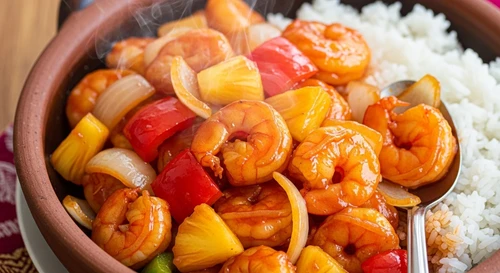
Sweet & Sour Tiger Prawns with Onions
Peeled prawns stir-fried with bell peppers, pineapple, and onions in a thick tomato sauce. Highly addictive with hot rice.
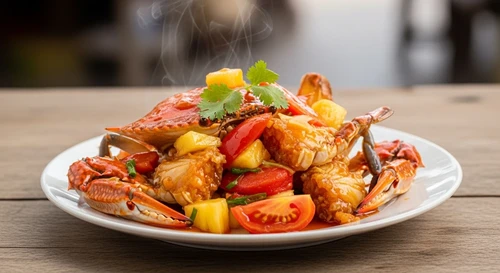
Sweet & Sour Blue Crab with Pineapple and Tomatoes
Sautéed pineapple, tomatoes, and onions create a natural sweet and sour sauce that evenly coats smashed blue crab claws.
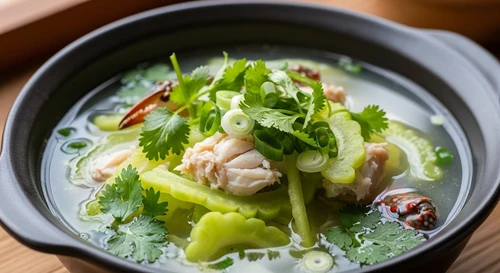
Refreshing Blue Crab & Gourd Soup
On a hot summer noon, a bowl of shredded gourd soup cooked with smashed blue crab meat is enough to dispel fatigue.
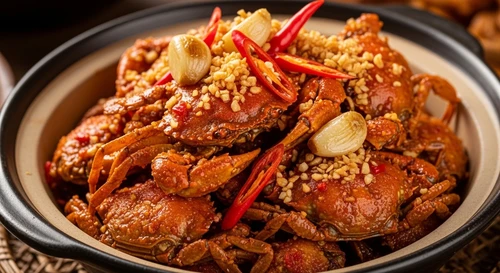
Sweet & Salty Garlic Chili Baby Crabs (Ghe Sua)
Soft-shelled baby crabs deep-fried until crispy, then simmered in a garlic-chili fish sauce. Eat the whole shell!
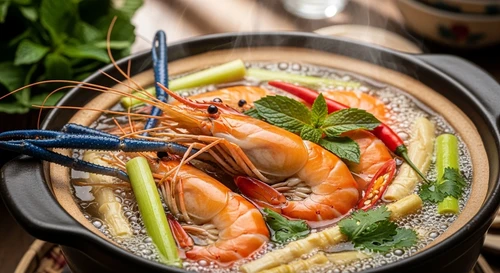
Giant Prawn & Pickled Bamboo Shoot Hotpot
A Mekong sour bamboo shoot hotpot with the sharp sweetness of smashed pineapple, boiling live jumping giant prawns.
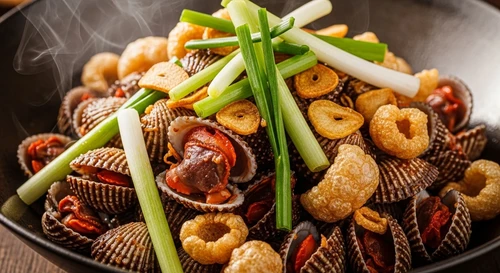
Blood Cockles Sautéed with Garlic, Pork Cracklings & Scallions
Opened blood cockles sautéed with crispy garlic and pork cracklings, topped with fried scallions. Chewy, crunchy, and perfect with beer.
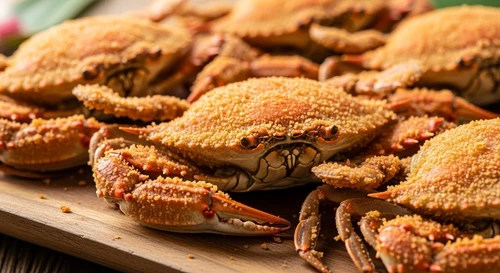
Panko Breaded Deep Fried Blue Crab
Fresh blue crab meat coated in Japanese panko breadcrumbs and deep-fried, offering a loud crunch with every bite.
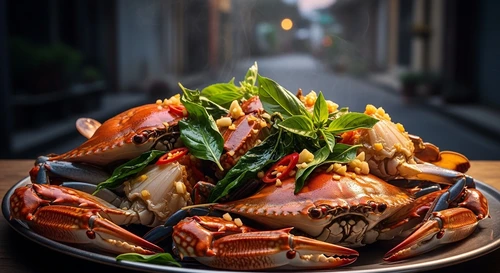
Blue Crab Roasted with Thai Basil: An Aroma that Stimulates All Diners
Toss halved molting crabs with a basket of Thai basil in oil, seasoned with fish sauce and sugar, creating a strong aroma that spreads through the alley.
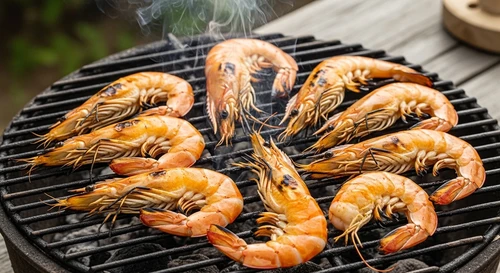
Charcoal Grilling Technique for Seafood Without Burning It Black
Brush a mixture of cooking oil and butter on the surface of shrimp or squid, and manage the embers to avoid high flare-ups.