" Forget the delicate, steamed presentations for a moment. This is about a primal urge: the craving for something profoundly, audibly, deliciously crunchy. "
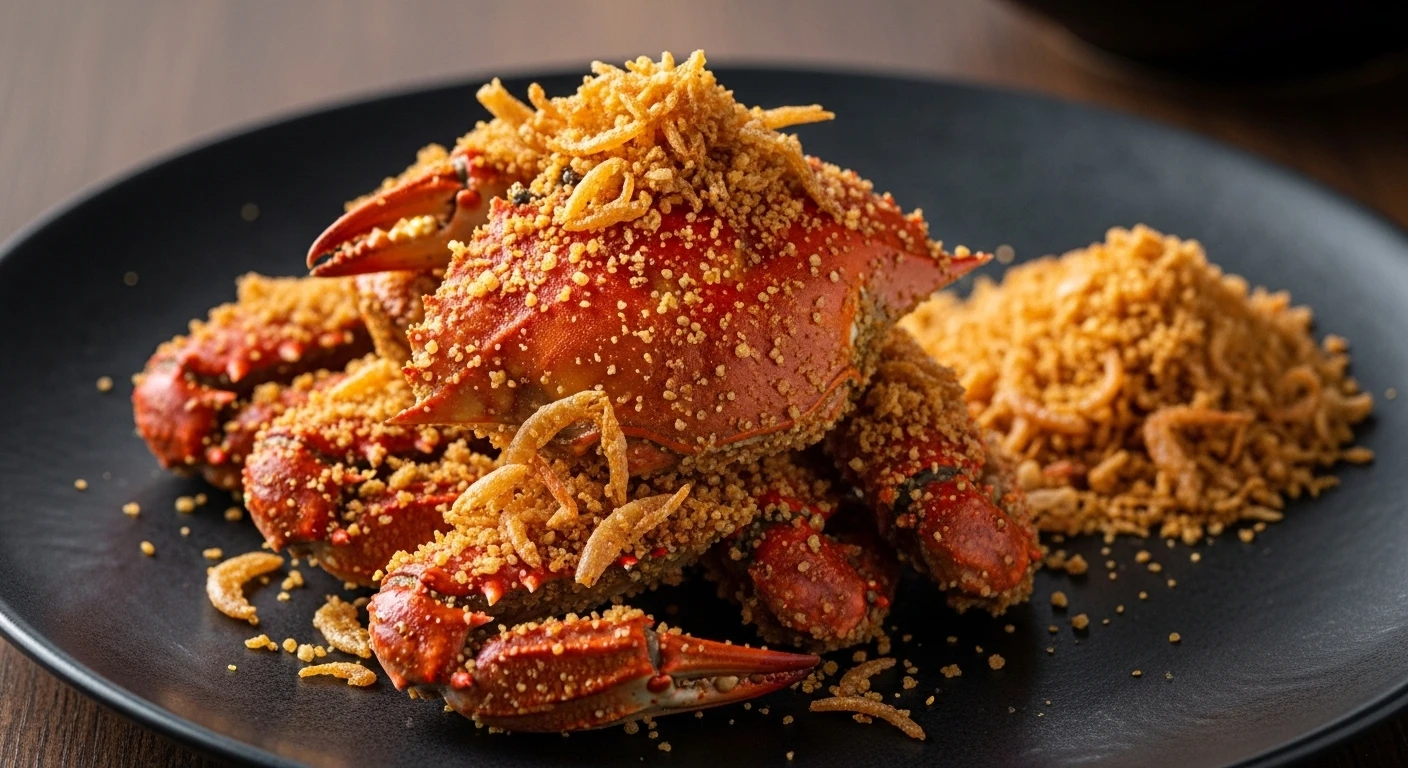
📸 The promise of crunch: Perfectly coated crab ready to be devoured.
1 The Siren Song of Salt and Crispy Shell
In the vast universe of crab preparations, from the delicate steam to the opulent butter-fried, there exists a preparation that prioritizes texture above all else: Dry Salt-Roasted Crab. While its name suggests a Hong Kong origin, the principles of transforming humble crab into an edible marvel resonate deeply with the spirit of resourceful coastal cooking found throughout Southeast Asia, including the Mekong Delta. Imagine the sound – a satisfying shatter with every bite, revealing tender crab meat within. It’s a textural symphony that begs to be explored.
This isn't about masking the crab's sweetness. It's about *enhancing* its presence. The crisp outer layer acts as a vessel, a flavor conduit, for aromatic components that would overwhelm a more delicate preparation. Here, it’s about the textural contrast – the brittle, savory shell yielding to succulent, sweet meat.
While this specific dish is celebrated in Cantonese cuisine, the foundation—utilizing the entire crab and achieving a satisfying crunch—is a concept that echoes in many cultures. In Vietnam's Mekong Delta, for example, where seafood is king, methods of preserving and enhancing flavor through frying and salting are common, albeit often with different spice profiles. Think of the way fermented mangrove crabs (ba khia) are enjoyed, or the crispy fried insects, showcasing a regional appreciation for satisfying textures.
Mekong Coastal Echoes
The coastal regions of the Mekong Delta, like Ca Mau, are rich with diverse seafood. While blue crab is prevalent, the spirit of transformation through cooking methods is universal. The use of aromatics and techniques to achieve crispiness can be seen in various regional dishes.
Heritage Ingredient
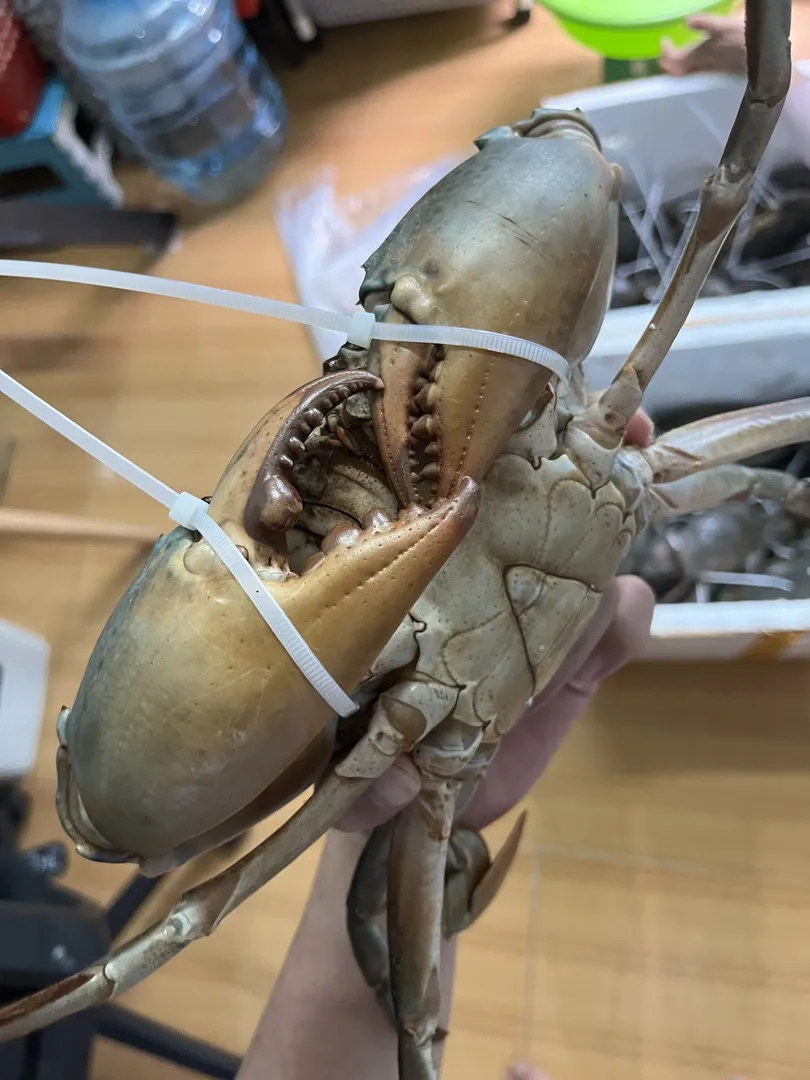
Ca Mau Jumbo Mud Crab
Ca Mau Jumbo Mud Crab
A large male mud crab prized for dense, sweet meat and thick claws, commonly used in steamed crab and grilled crab dishes across the Mekong Delta.
An icon of coastal culinary heritage, featuring firm, sweet meat that captures the raw power and freshness of Ca Mau's tides.
2 What "Dry Roasted" Really Means
This isn't your oven's "dry roast." In the context of Hong Kong salt-and-pepper crab, "dry roasted" refers to a cooking method that involves deep-frying the crab pieces until incredibly crisp, then tossing them with a fragrant, dry mixture of aromatics and seasonings. The key is the dual process: achieving that shatteringly crisp exterior first, then coating it. This ensures the crab doesn't become soggy.
The "salt" in this dish isn't just plain table salt. It's a robust, flavor-packed blend typically including:
- Coarse Sea Salt: Provides a satisfying granular texture.
- Fried Garlic: Golden, crispy, and pungent.
- Fried Shallots: Sweet, caramelized, and aromatic.
- Dried Shrimp: The secret weapon. These tiny powerhouses, when pounded into a powder, lend an intense umami depth and a distinct, slightly oceanic fragrance. This is a flavor profile deeply appreciated across Southeast Asia, from Vietnamese nước chấm to Thai nam prik.
- White or Black Pepper: For a subtle bite and aromatic complexity.
This mixture is then blitzed into a fragrant, dry powder that clings to the crispy crab shell. It’s a masterful technique that prioritizes the integrity of both the crab’s natural sweetness and the intense, savory coating.
Heritage Ingredient
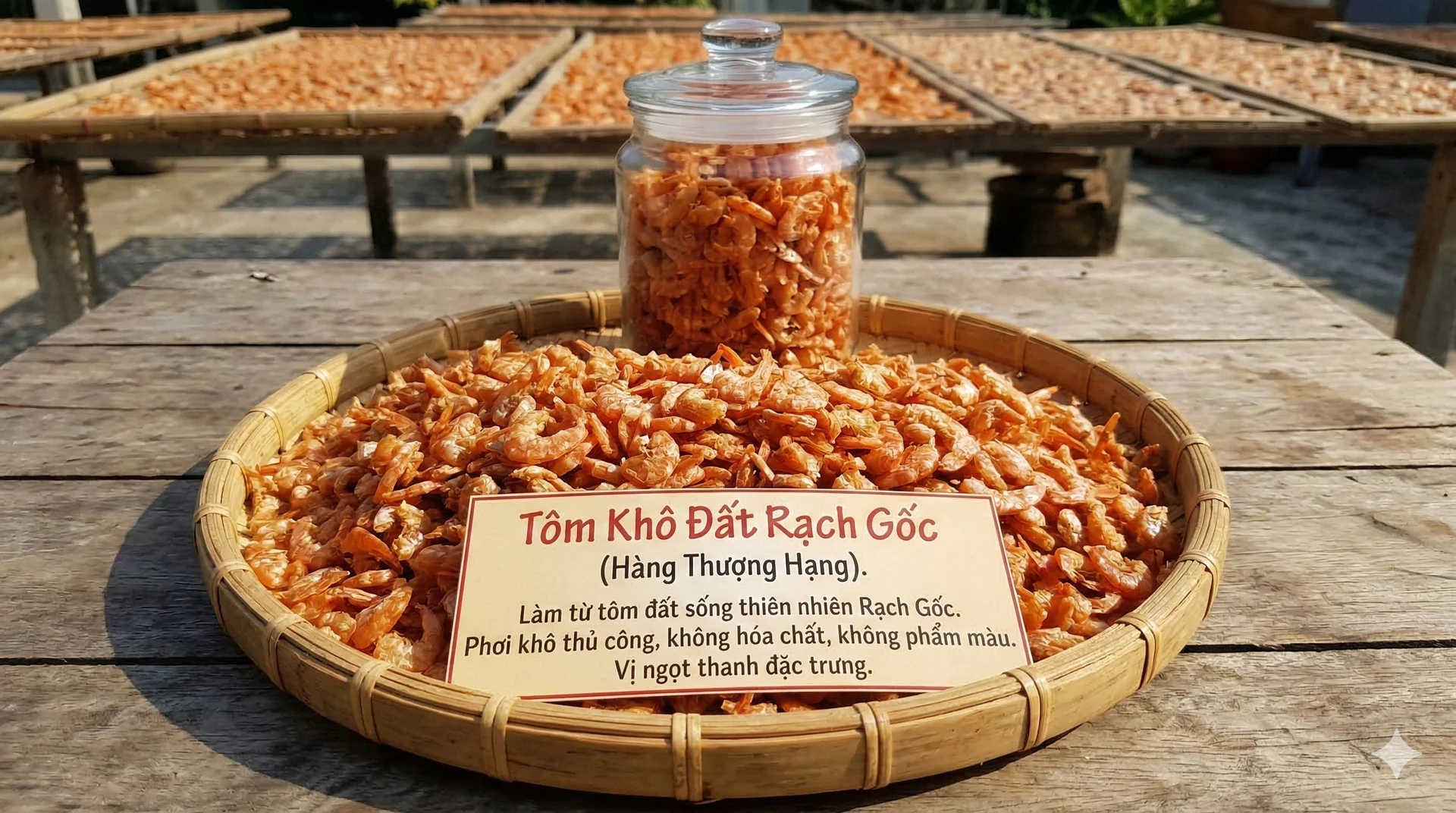
Sun-Dried Wild Shrimp from Rach Goc
Sun-Dried Wild Shrimp from Rach Goc
Traditional dried shrimp made from small wild shrimp, valued for natural sweetness and commonly used in Vietnamese salads, soups, and festive dishes.
Concentrated sunlight and sea salt in every bite, these crimson gems offer a deep, umami sweetness that whispers tales of Rach Goc's golden shores.
3 From the Delta's Depths to the World's Table
While the "Hong Kong" in the name might suggest a specific culinary geography, the soul of this dish – utilizing abundant seafood and creating deeply savory, satisfying flavors – is a narrative that plays out vibrantly in Vietnam’s Mekong Delta. The region, often called the "rice bowl" of Vietnam, is also a vast network of rivers, canals, and coastal areas teeming with life.
The Delta’s relationship with its aquatic bounty is profound. Fisherfolk navigate these waterways, bringing in everything from colossal mud crabs to tiny, flavorful dried shrimp. The philosophy of "waste not, want not" is deeply ingrained, leading to ingenious ways of preserving and enhancing these ingredients.
Consider the fermented mangrove crabs (ba khia), a regional delicacy. These are small crabs, preserved in a salty, sour brine, often eaten with rice or wrapped in rice paper with herbs. The intense, fermented flavor and unique texture speak to a culture that embraces bold, preserved tastes. Similarly, the pervasive use of dried shrimp (tôm khô) across Vietnamese cuisine, from broths to dipping sauces and stir-fries, highlights its role as a fundamental umami booster – a technique shared with the Hong Kong salt-roasted crab. The methods may differ, but the appreciation for maximizing the ocean's gifts, especially for flavor and texture, is a common thread.
Heritage Ingredient
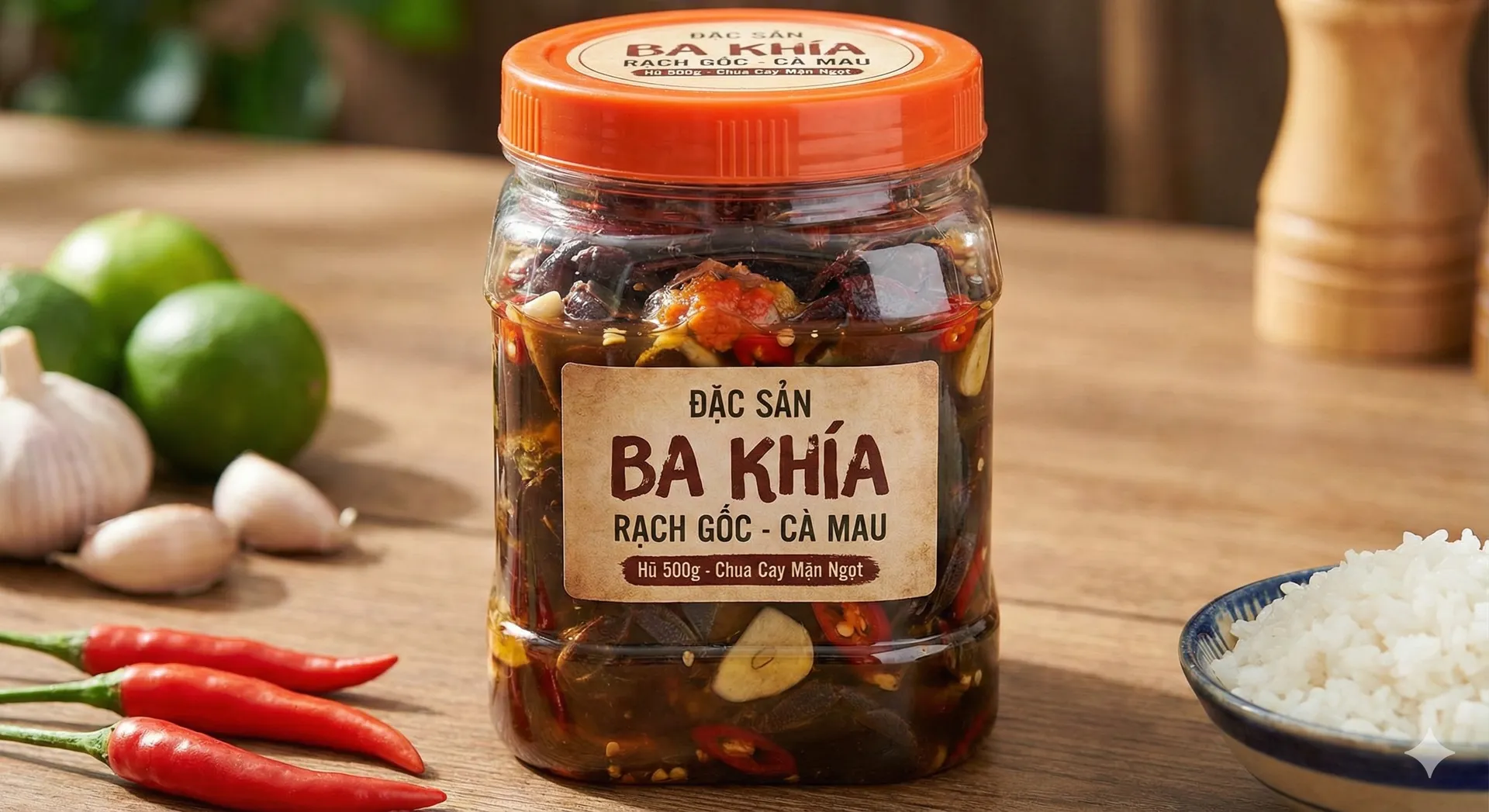
Fermented Mangrove Crab (Ba Khia)
Fermented Mangrove Crab (Ba Khia)
A traditional fermented crab specialty from the mangrove region of Rach Goc, often cited in articles about rustic Mekong Delta flavors and preserved seafood culture.
The salty-sour heartbeat of the wild south, where traditional fermentation turns forest crabs into a nostalgic explosion of rustic Mekong soul.
The Delta's Embrace of Umami
The reliance on dried shrimp and fermentation in the Mekong Delta demonstrates a sophisticated palate that values deep, complex flavors, particularly umami. This aligns perfectly with the flavor profile of salt-roasted crab, where dried shrimp is a key component in achieving that characteristic savory depth.
4 Achieving That Perfect Crunch
This isn't your average stir-fry. The secret to the glorious crunch lies in a two-stage cooking process and the precise preparation of the crab.
- Prepare the Crab: Blue crabs, or similar robust crabs, are best. They should be cleaned thoroughly. Traditionally, the crab is cut into pieces, often with the shell intact. This ensures maximum surface area for crisping and flavor adhesion.
- The Fry: The crab pieces are deep-fried in hot oil until the shells turn a deep reddish-orange and become brittle. This is crucial. You want the shell to be fully cooked and audibly crisp, not merely browned. Draining them well is paramount.
- The Aromatic Toss: Immediately after draining, while still hot, the fried crab pieces are tossed vigorously in a wok with the prepared dry salt-roasting mixture. The heat from the crab and the residual heat of the wok help the aromatic powder bloom and cling to the crispy shell. This is where the magic happens – the garlic, shallots, dried shrimp, and spices meld into a potent, savory coating.
The result is a dish that is meant to be eaten with your hands, shell and all. The crunch is the primary sensation, followed by the burst of savory aromatics, and finally, the sweet, succulent crab meat that lies beneath.
5 A Taste of Coastal Ingenuity
Dishes like Dry Hong Kong Salt Roasted Crab are more than just recipes; they are windows into the ingenuity of coastal communities. They speak of bountiful harvests and the clever ways people have learned to transform simple ingredients into extraordinary meals. The use of every part of the crab, the emphasis on preserving and intensifying flavor, and the creation of unique textural experiences are hallmarks of food traditions shaped by the sea.
In the Mekong Delta, where life is intrinsically tied to the rhythm of the tides and rivers, this spirit of culinary resourcefulness is palpable. Whether it's a meticulously prepared mud crab dish or a simple bag of sun-dried shrimp, there's an underlying respect for the ingredients and a desire to create meals that are both deeply satisfying and culturally resonant. This salt-roasted crab, with its bold flavors and addictive crunch, is a testament to that enduring human drive to capture the essence of the ocean on a plate.
6 To Dip or Not To Dip?
This is where the purists will debate. Because the salt-roasting mixture is so robust and flavorful, many argue that this crab needs no sauce. The coating itself provides ample seasoning and the crunchy shell is the main event.
However, some prefer a bright, acidic counterpoint to cut through the richness. A simple dipping sauce of fresh lime juice mixed with a pinch of salt and fresh chili slices is often offered. The tartness of the lime is a welcome contrast, enhancing the sweetness of the crab meat. In the Mekong, a similar lime-salt-chili mix is ubiquitous for all sorts of grilled and steamed seafood, highlighting its universal appeal in balancing rich flavors.
7 Other Crabs, Other Crisps
While blue crab is a popular choice due to its robust shell and sweet meat, the salt-roasting technique can be adapted. However, the success of the dish relies on the crab's ability to withstand deep-frying without falling apart or losing its precious meat.
In the Mekong Delta, where mud crabs (cua) are prized, particularly the varieties from Ca Mau, the meat is dense and sweet. While often steamed or grilled, the concept of achieving a crispy shell for flavor and texture is something that resonates. Chefs might adapt the drying and seasoning techniques, perhaps incorporating local spices like Kampot pepper or chili pastes, to achieve a unique regional interpretation. The key is the quality of the crab; a fresh, lively crab is the foundation for any successful preparation, whether it's a delicate steam or an explosion of dry-roasted flavor.
8 The Sound of Satisfaction
Dry Hong Kong Salt Roasted Blue Crab is a celebration of texture and savory depth. It’s a dish that encourages interaction, a communal experience where the satisfying crunch is as much a part of the meal as the flavor. It’s a reminder that in the world of food, innovation often comes from pushing boundaries and appreciating ingredients in entirely new ways. So, next time you crave something that satisfies on a textural level as much as a gustatory one, remember the power of crisp, salt-kissed shells. It's a crunch that speaks volumes.
More Coastal Flavors
View More Food & Culinary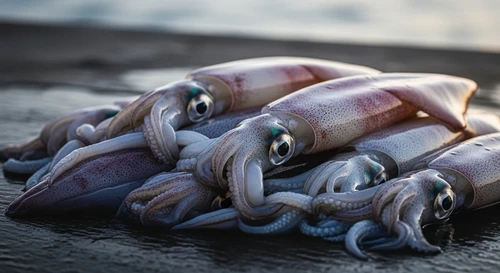
Why is the Price of Night-Caught Bigfin Reef Squid in Phu Quoc Always Sky-High?
The quality of individually line-caught squid, sparkling with fresh chromatophores, is vastly different from mass-trawled squid.
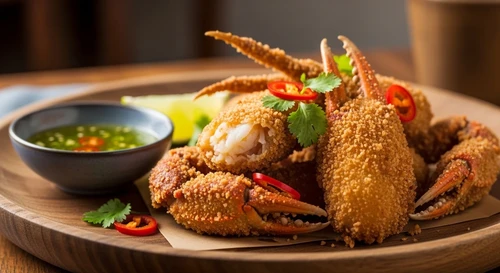
Panko-Crusted Deep Fried Crab Claws
Pre-peeled crab claws coated in Japanese panko breadcrumbs and deep-fried until crunchy outside and sweet inside.
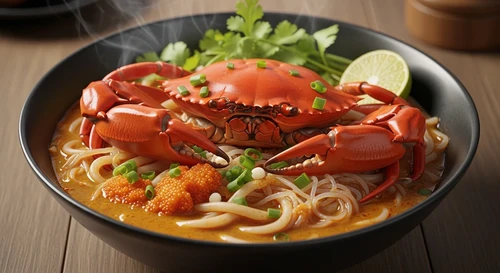
Vung Tau's Famous Whole Crab Tapioca Noodle Soup (Banh Canh Ghe)
Simmering pork bones and crab roe to create a vividly orange, thick, and gelatinous broth served with chewy noodles.
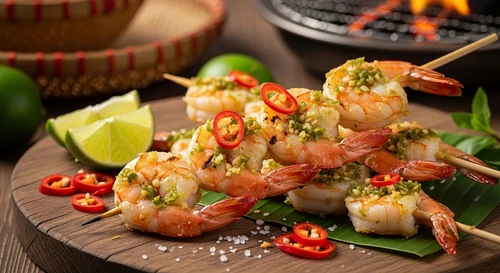
Vietnamese Green Chili Salt Grilled Shrimp Skewers
Marinated in a pungent, spicy green chili paste and grilled over charcoal. The ultimate street food BBQ recipe.
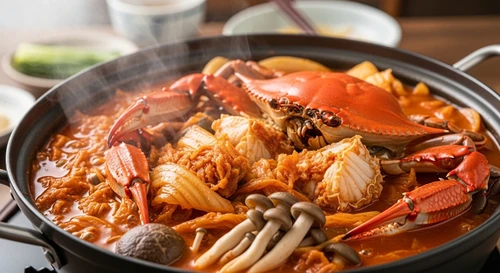
Kimchi & Oyster Mushroom Blue Crab Hotpot
A unique twist using the sharp sour-spicy flavor of Korean kimchi to balance the oceanic taste of fresh blue crabs.
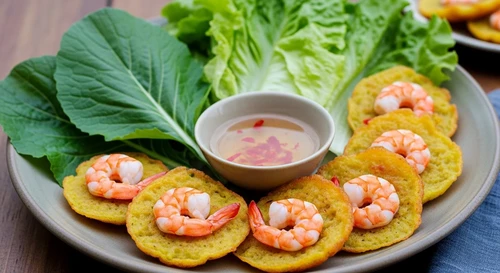
Vung Tau Mold-Cast Mini Shrimp Pancakes (Banh Khot)
Golden mini pancakes with whole shrimp fillings, deep-fried and wrapped in mustard greens and lettuce, dipped in fish sauce.
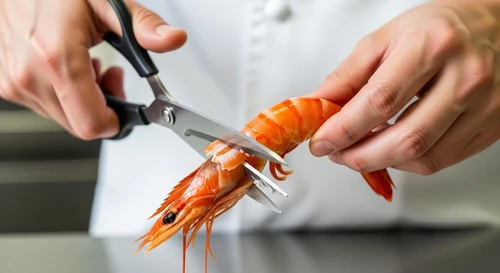
The 2-Second Shrimp Peeling Technique Used in Busy Restaurants
Master the scissor technique: cut down the back, pull the shell, and leave the tail perfectly intact in one fluid motion.
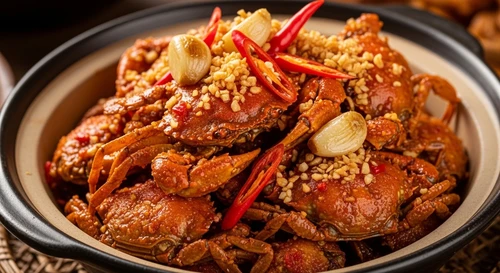
Sweet & Salty Garlic Chili Baby Crabs (Ghe Sua)
Soft-shelled baby crabs deep-fried until crispy, then simmered in a garlic-chili fish sauce. Eat the whole shell!
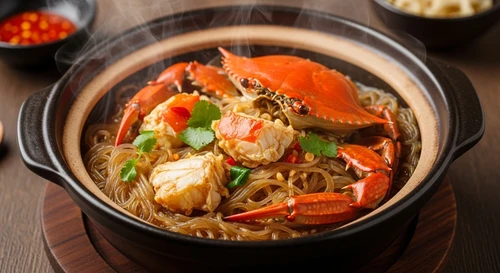
Flavorful Claypot Glass Noodles with Blue Crab
Toss dry glass noodles with crab broth, onions, and shiitake mushrooms in an earthen pot to keep it boiling hot.