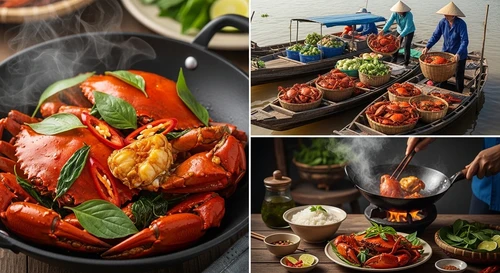
" In the relentless ballet of a busy kitchen, speed isn't just a virtue; it's survival. And when it comes to shrimp—that ubiquitous, beloved protein—efficiency is king. Forget fumbling with tiny legs and fiddly shells when you've got a ticket to push. There's a way, honed in the heat of service, that gets the job done in seconds, leaving you with perfectly peeled shrimp and your sanity intact. "
1 From Mekong Mudflats to Your Plate
The Mekong Delta, a vast labyrinth of rivers, canals, and mangrove forests in Southern Vietnam, is a realm where seafood reigns supreme. It's here, in places like Ca Mau, the country's southernmost province, that some of the most prized shrimp are harvested.
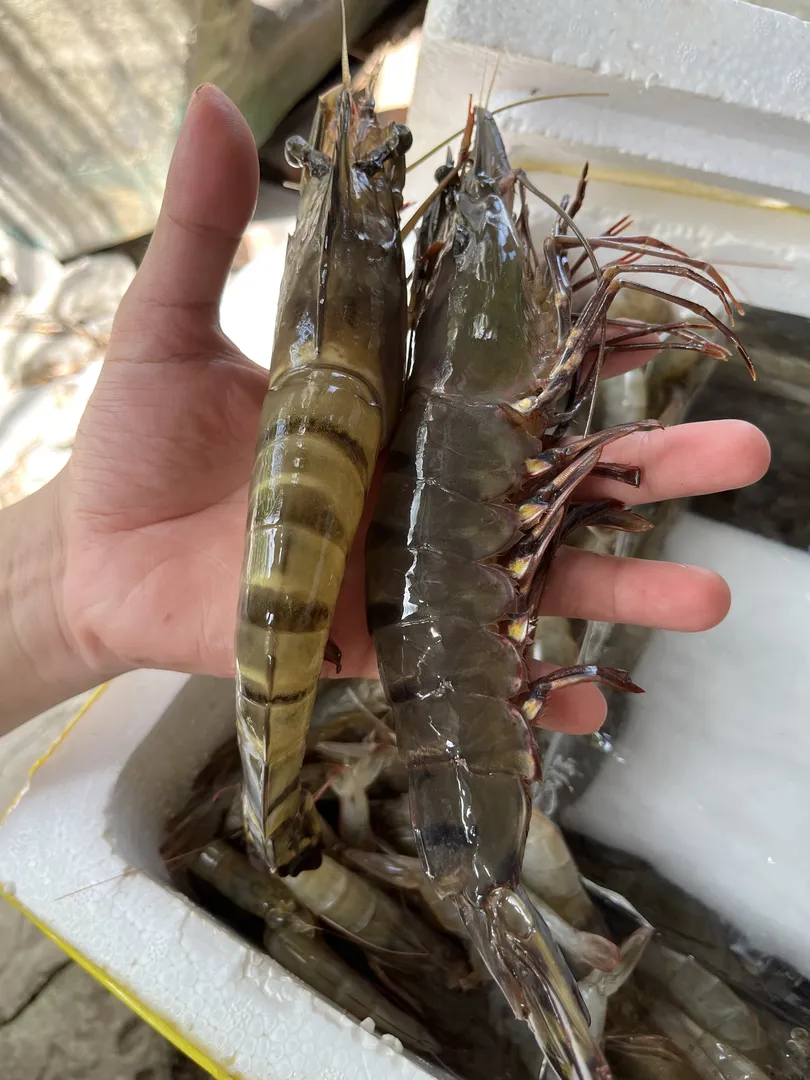
Think of the Ca Mau Black Tiger Shrimp, a magnificent creature thriving in the brackish waters, its firm flesh and clean sweetness a testament to the unique terroir. Or the majestic Mekong Giant Freshwater Prawn, its long blue claws a symbol of the delta's rich aquatic bounty. Even the everyday Whiteleg Shrimp plays a vital role in home kitchens across the region, appearing in countless daily meals.
Heritage Ingredient
Ca Mau Black Tiger Shrimp
Ca Mau Black Tiger Shrimp
Large black tiger shrimp associated with mangrove aquaculture in Ca Mau, known for firm flesh and a cleaner, sweeter finish than intensively farmed shrimp.
Wild spirits of the mangroves, these black-banded gems deliver a firm, snappy texture and a sweetness that echoes the forest's vibrant life.

Heritage Ingredient
Mekong Giant Freshwater Prawn
Mekong Giant Freshwater Prawn
A river prawn with long blue claws and rich head fat, common in grilled prawn dishes and hotpot traditions across the Mekong basin.
Majestic blue-clawed warriors of the Mekong, famous for their rich, fatty heads and a savory depth that captures the essence of the delta's rivers.
For these dedicated communities, and for the bustling restaurants that serve them, shrimp is not just food; it's a livelihood. And in that environment, the ability to prepare ingredients quickly, cleanly, and consistently is paramount. This is where the scissor technique truly shines.
2 The Humble Kitchen Shear
Forget knives. For speed and precision with shrimp, the kitchen shear is your best friend. Look for a sturdy, sharp pair with comfortable handles. Ideally, they should be able to handle slightly tougher tasks like cutting through thin shells and cartilage without issue.
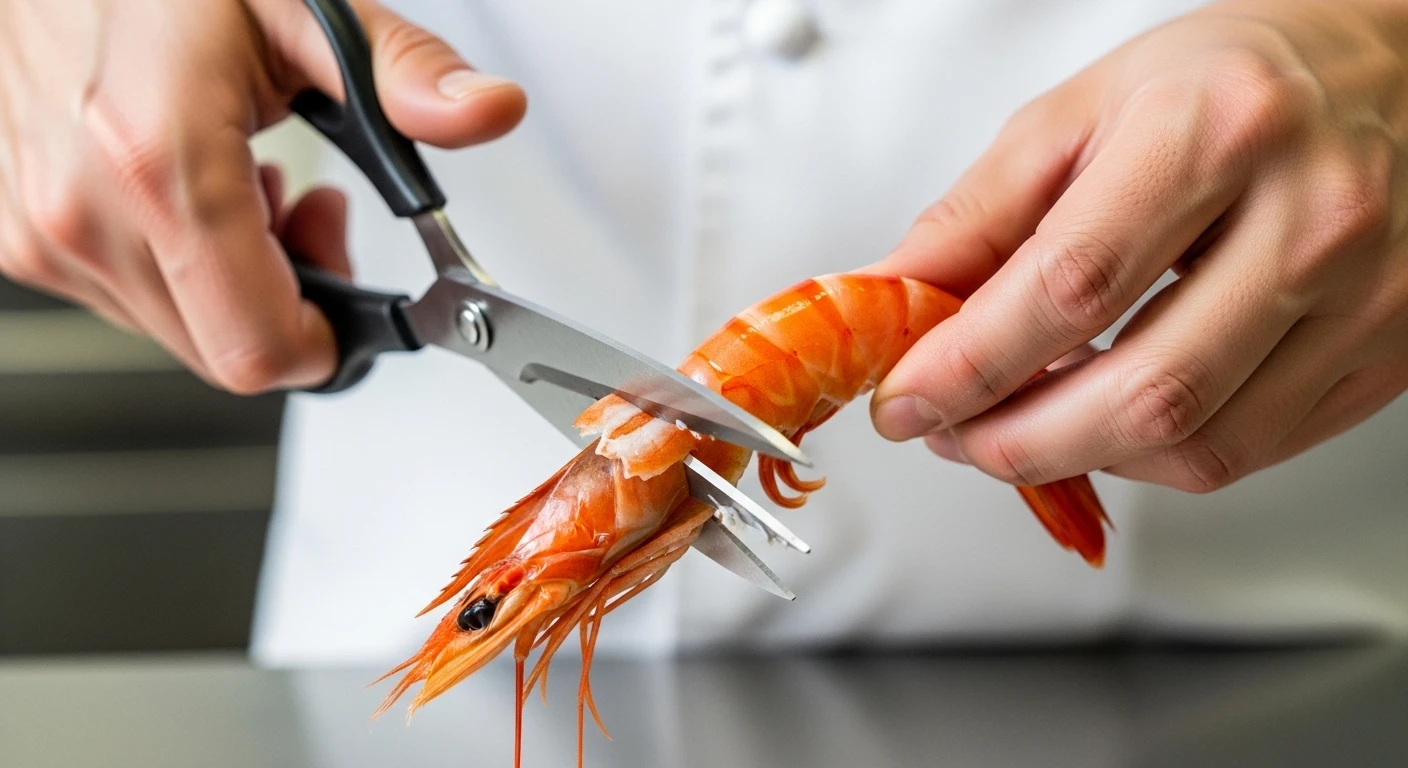
📸 Precision in motion: The kitchen shear makes quick work of the shell.
Why scissors? They offer a level of control that's difficult to achieve with a knife, especially when dealing with small, slippery items. The curved blades allow you to follow the natural contours of the shrimp, making precise cuts with minimal effort.
Choosing the Right Shear:
- Sharpness is Key: Dull blades will crush rather than cut, making the process messy and inefficient.
- Comfortable Grip: You'll be doing this repeatedly, so ensure the handles fit your hand well.
- Durability: Stainless steel is ideal for longevity and resistance to rust.
- Detachable Blades (Bonus): Some shears can be taken apart for easier cleaning and more thorough sanitization.
3 The "Cut, Pull, Done" Method
This technique relies on a single, decisive cut and a swift pull. It's about understanding the anatomy of a shrimp and using the scissors to your advantage. The goal is to create a clean separation of the shell while leaving the tail intact for presentation.
The Initial Cut
Lay the shrimp flat on your cutting board, or hold it gently. Position the tip of your scissors along the top of the shrimp's back, starting just behind the head. Make a clean cut all the way down the back, through the shell and the vein, stopping just before the tail. You're essentially opening up the back.
The Gentle Pull
Now, grasp the edge of the shell at the head end. With your other hand, gently pull the entire shell downwards towards the tail. The cut you made on the back allows the shell to slide off in one piece, leaving the tail perfectly attached and the shrimp deveined.
The Clean Finish
Discard the shell. The shrimp is now peeled, deveined, and ready for cooking. You've accomplished this in mere seconds, with the tail beautifully intact, ideal for dishes where presentation matters.
The Nguyen Family Twist: Butter-Garlic Shrimp
Once you've mastered the speed-peeling, the real fun begins. This technique is fundamental for countless Vietnamese dishes, but it’s especially perfect for quick, flavorful preparations. Here’s a taste from my frequent visits to the Nguyen family kitchen in Can Tho.
Ingredients:
- 500g Peeled Shrimp (tail on, using the 2-sec method!)
- 2 tbsp Butter
- 4 cloves Garlic, minced
- 1 tbsp Fish Sauce (Nuoc Mam)
- 1/2 tsp Sugar
- Pinch of Black Pepper
- Fresh Cilantro for garnish
Method:
- 1. Heat butter in a pan over medium-high heat. Add minced garlic and sauté until fragrant (about 30 seconds).
- 2. Add the peeled shrimp. Stir-fry for 1-2 minutes until they turn pink.
- 3. Add fish sauce, sugar, and pepper. Toss to coat evenly. Cook for another minute until shrimp are cooked through.
- 4. Garnish with fresh cilantro and serve immediately with steamed rice.
Don't overcook the shrimp! They cook very quickly. The goal is succulent, tender meat, not rubbery toughness. The speed-peeling ensures you can get them into the pan faster.
5 The Spirit of the Mekong Kitchen
The Mekong Delta is a place of abundance, but also one of hard work. From the rice paddies to the floating markets, life moves at its own pace, dictated by the sun and the tides. In the kitchens, whether it's a humble home or a busy riverside eatery, there's an ingrained understanding of how to make the most of what you have, and to do it with grace and speed.
This shrimp-peeling technique embodies that spirit. It’s not about flashy culinary tricks; it's about practical mastery. It’s the kind of skill passed down through generations, refined through countless meals prepared for family and customers alike. It’s about respecting the ingredient, valuing your time, and ensuring that every dish served carries the authentic, vibrant flavors of the Mekong.
So next time you're faced with a pound of shrimp, channel that Mekong efficiency. Grab your shears, make that cut, pull that shell, and in less time than it takes to say "Cà phê sữa đá," you'll have perfectly prepared shrimp, ready for whatever culinary adventure awaits.
6 Beyond the Basic Peel
While the primary goal is speed and efficiency, this technique also sets you up for further culinary exploration:
- Butterfly Cut: After peeling, make a shallow cut along the belly side of the shrimp. This allows it to lie flatter when cooked, perfect for delicate presentations or when a larger surface area is desired for sauces.
- deveining: The back cut usually removes the vein effectively. However, for larger shrimp or if the vein remains prominent, you can use the tip of the scissors to gently scrape it out after peeling.
- Shrimp Skewers: The tail-on shrimp are ideal for threading onto skewers for grilling or baking. The intact tail provides a convenient handle.
7 Speed Freaks Anonymous: More Pro Techniques
Mastering the shrimp peel is just one piece of the puzzle in efficient kitchen prep. Here are a few other tips that can shave precious minutes off your workflow:
- Mise en Place is Non-Negotiable: Always have all your ingredients prepped, measured, and ready before you start cooking.
- Invest in Quality Tools: Sharp knives, good quality whisks, and sturdy spatulas make a world of difference.
- Batch Prep: If you're cooking for a crowd or doing a lot of similar prep, do it all at once. Peel all your shrimp, chop all your aromatics, etc.
- Clean as You Go: A tidy workspace is a fast workspace. Wash bowls and utensils as you finish with them to avoid a mountain of dishes at the end.
- Work with the Flow: Organize your workspace logically. Keep frequently used items within easy reach.
8 The Taste of Efficiency
The ultimate reward for mastering this quick peeling technique is not just the time saved, but the ability to transform simple ingredients into delicious meals with ease. Whether it's a quick stir-fry, a vibrant salad, a comforting noodle soup, or the butter-garlic shrimp dish described above, perfectly prepped shrimp elevate any culinary creation.
In the heart of the Mekong Delta, where fresh seafood is a way of life, skills like these are the unsung heroes of the kitchen. They allow home cooks and professional chefs alike to serve up the incredible flavors of Vietnam with confidence and speed. So, go ahead, give it a try. You might just find yourself peeling shrimp like a pro in under two seconds.