The Diamond of the Night: Phu Quoc's Line-Caught Squid
" Forget the murky depths of industrial trawlers. In Phu Quoc, the true treasure surfaces under the moon, pulled by patient hands, one shimmering squid at a time. "
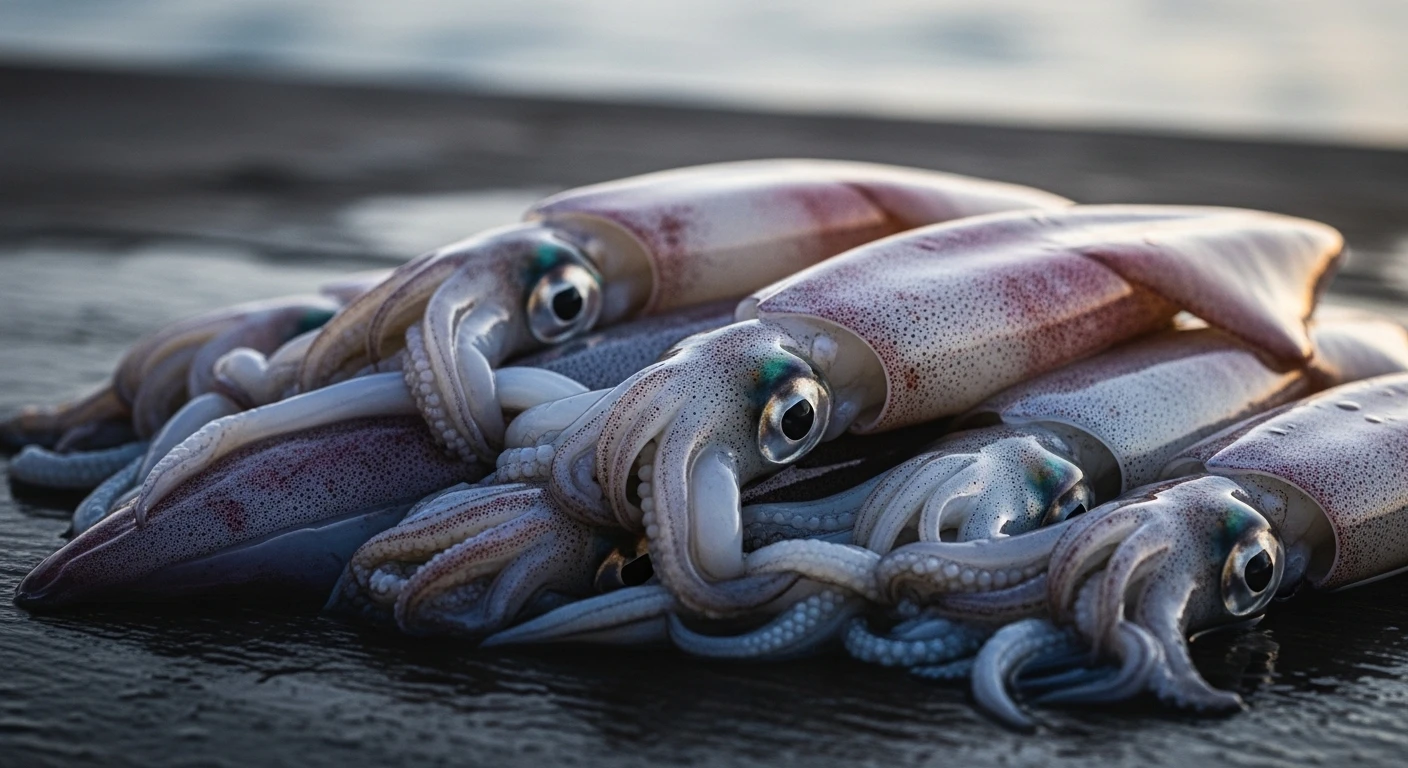
📸 Gleaming under the moonlight: The iridescent skin of a Bigfin Reef Squid caught off Phu Quoc.
1 The Crucial Difference: Mass Trawl vs. Individual Hook
Venture into any bustling seafood market, be it on the mainland or on Phu Quoc island, and you'll see squid. But not all squid are created equal. The starkest contrast lies between those hauled in by vast, indiscriminate trawling nets and the precious few meticulously caught one by one, by hand, off the coast of this southern paradise.
Trawling, while efficient for volume, is a blunt instrument. Nets drag across the seabed, snagging everything in their path. This method often results in squid that are bruised, their delicate skins torn, and their vibrant chromatophores—the cells responsible for their magical color-changing ability—damaged or lost. They end up a pale, uniform white, their potential flavor and texture compromised from the moment they're caught.
Line-caught squid, on the other hand, are treated with a reverence that begins the moment a fisherman casts his line into the twilight waters. Each squid is a targeted catch, brought aboard with care. This gentle handling preserves their integrity. You'll notice it immediately: their skin remains supple, shimmering with the residual magic of their chromatophores, a testament to their freshness and the skill of the fisher.
Trawl-Caught
Lower price, higher volume. Often paler, softer texture, less distinct flavor. Less visually appealing skin.
Line-Caught (Phu Quoc)
Higher price, lower volume. Firm, sweet meat, vibrant, iridescent skin. Superior taste and texture.
2 The Science of Sparkle: Why Chromatophores Matter
Those mesmerizing color shifts? That's the work of chromatophores. These specialized pigment-containing cells lie within the skin of cephalopods like squid. They can expand and contract, allowing the squid to change color and pattern in an instant, for camouflage, communication, or even to signal their freshness.
For a line-caught Bigfin Reef Squid from Phu Quoc, the ability to retain these chromatophores is a direct indicator of freshness and quality. When you see that subtle, almost metallic sheen, the hints of purple, pink, or iridescence that dance across the squid's mantle and tentacles, you're looking at a creature that was alive and well mere hours ago. It means the delicate proteins that make seafood so appealing haven't begun to break down.
Mass-trawled squid, battered and bruised, lose this ability. Their chromatophores are damaged, leaving behind a dull, lifeless white. It's the difference between a jewel and a pebble – both might be found in the ocean, but only one holds intrinsic value. This visual cue is your first, and most important, clue to the squid's superior quality.
What to Look For:
- Iridescent Skin: A subtle, shimmering sheen, not dull white.
- Supple Tentacles: Firm, not floppy or detached.
- Clear Eyes: A sign of freshness, though not always visible on small squid.
- Ocean Aroma: A clean, briny scent, not a strong fishy odor.
3 The Fisherman's Grit and the Mekong Delta's Bounty
Phu Quoc, Vietnam's largest island, sits at the southwestern edge of the Mekong Delta. Its identity is inextricably linked to the sea. The island's economy, its culture, and its people's livelihoods are deeply intertwined with the rhythms of the ocean. Night fishing for Bigfin Reef Squid is a time-honored tradition, a testament to generations of seafaring knowledge.
These fishermen leave shore as the sun dips below the horizon, heading to specific reefs and fishing grounds known for yielding the finest squid. It's a demanding life: battling the elements, navigating by the stars, and meticulously tending to their lines for hours. This personal investment of time and effort is what elevates their catch.
The waters around Phu Quoc are part of a rich marine ecosystem that extends from the Mekong's estuary, carrying nutrients and supporting diverse aquatic life. While the island is famous for its anchovies (the backbone of fish sauce production) and its pearls, its squid fisheries are a vital, albeit more niche, contributor to its gastronomic fame. The premium price reflects not just the quality of the squid itself, but the sustainable, labor-intensive method of its procurement, deeply embedded in the traditions of this coastal Mekong region.
Mekong Delta Coastal Life:
Life on Phu Quoc is tied to the ebb and flow of the tides. Fishing isn't just a job; it's a heritage passed down through families. This connection ensures a deep respect for the marine environment and its inhabitants.
The Value Chain:
From the fisherman's careful catch to the discerning chef or home cook, each step in the value chain recognizes the superior quality of line-caught squid, justifying its higher market price.
4 Beyond the Price Tag: A Taste of True Quality
So, what does this "sky-high" price get you? It gets you an unparalleled culinary experience. The meat of line-caught Bigfin Reef Squid is remarkably firm, with a sweet, clean taste that speaks of the pristine waters it came from.
It holds its shape beautifully when cooked, whether grilled, stir-fried, or lightly steamed. Imagine slivers of squid, still faintly iridescent, tossed in a hot wok with garlic and chili, or simply grilled over charcoal with a squeeze of lime. The texture is tender yet firm, a satisfying bite that simply cannot be replicated with mass-produced alternatives.
In Vietnam, particularly in coastal regions like Phu Quoc and the wider Mekong Delta, the best seafood is often prepared with minimal intervention. The goal is to highlight the ingredient's natural perfection. For squid, this might mean simple preparations like:
- Grilled Squid (Mực Nướng): Marinated lightly with salt, pepper, and a touch of chili, then grilled until just opaque.
- Stir-fried Squid (Mực Xào): Quickly cooked with fresh vegetables like bell peppers, onions, and snap peas.
- Steamed Squid (Mực Hấp): Often steamed with ginger and scallions to enhance its natural sweetness.
5 Understanding the Market: Why Quality Commands a Premium
The economics are straightforward. Harvesting squid individually requires more time, more skill, and more hands-on effort from the fisherman. The yield is lower per fishing trip compared to trawling. Furthermore, the demand for high-quality, fresh seafood is consistently high, both from local consumers who understand its value and from restaurants seeking to offer the best to their patrons.
This premium for quality extends throughout the supply chain. Distributors and retailers who handle line-caught squid must invest in proper cold storage and rapid transportation to maintain its freshness. Chefs who source these squid pay a premium because they know it translates directly into customer satisfaction and repeat business. It's a market that rewards integrity and quality.
So, the next time you're in Phu Quoc, or encounter "Bigfin Reef Squid" on a menu that boasts of its origin, don't shy away from the price. Consider it an investment in an authentic taste of the Mekong Delta's coastal treasures, a direct connection to the skill of its fishermen and the pristine beauty of its waters. It's not just squid; it's a story on a plate.
Heritage Ingredient
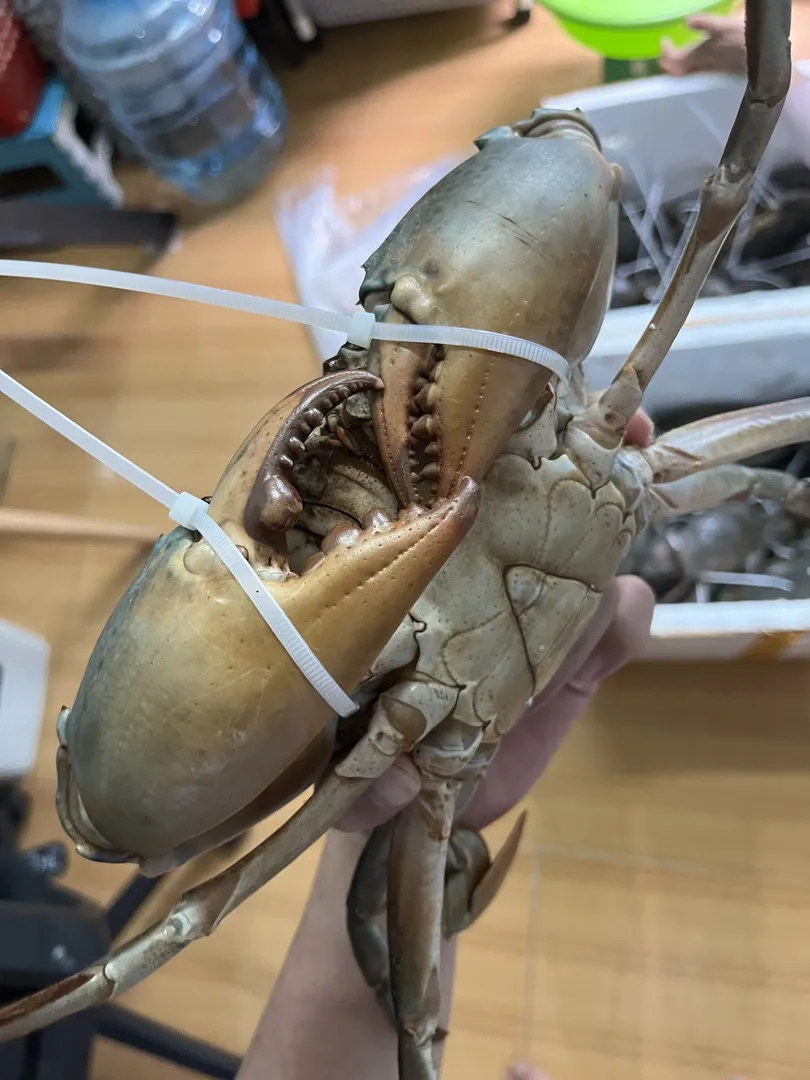
Ca Mau Jumbo Mud Crab
Ca Mau Jumbo Mud Crab
A large male mud crab prized for dense, sweet meat and thick claws, commonly used in steamed crab and grilled crab dishes across the Mekong Delta.
An icon of coastal culinary heritage, featuring firm, sweet meat that captures the raw power and freshness of Ca Mau's tides.
Heritage Ingredient
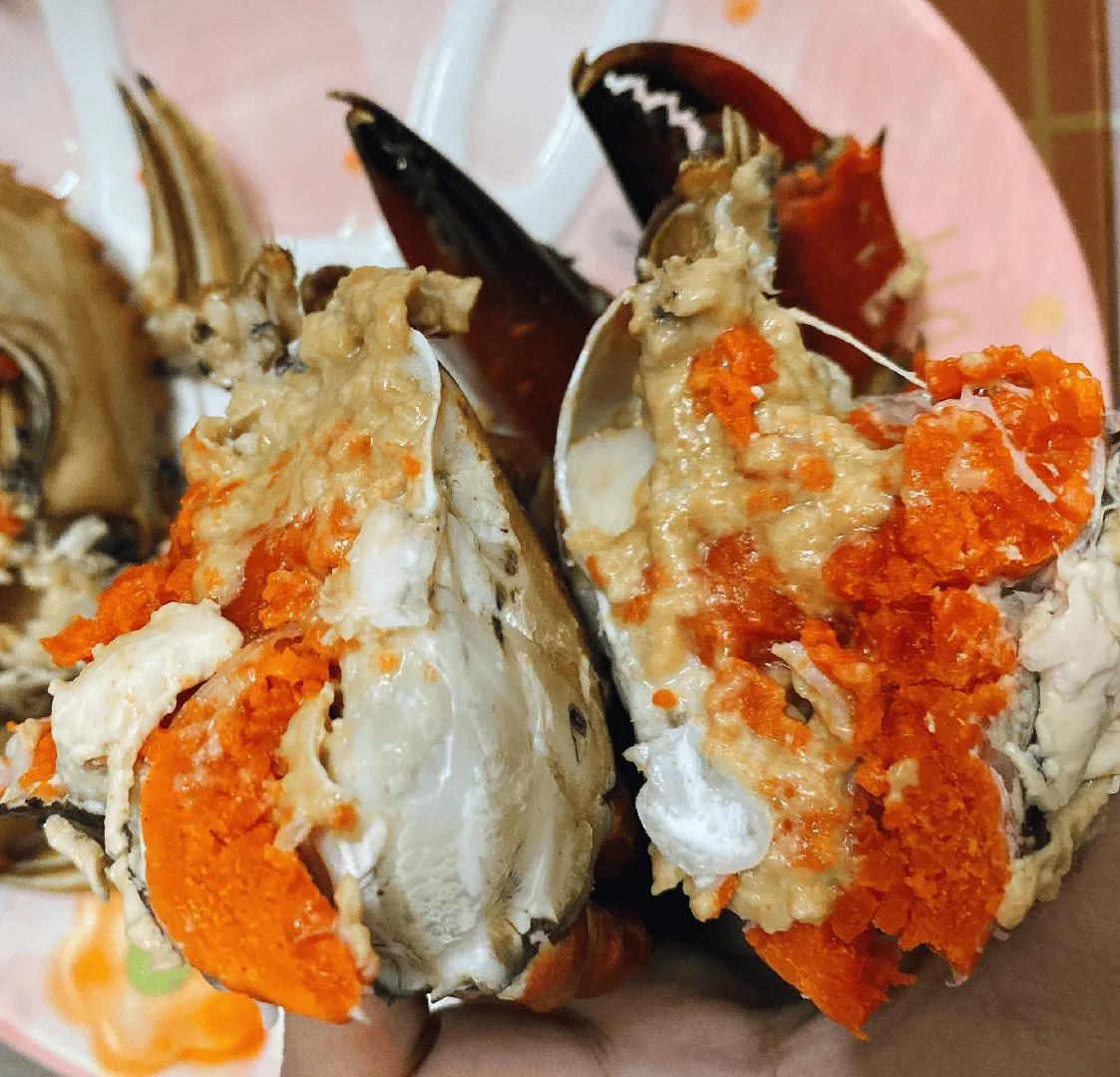
Ca Mau Roe Mud Crab
Ca Mau Roe Mud Crab
A female mud crab known for deep orange roe and a rich, creamy finish, often featured in celebratory Southern Vietnamese seafood meals.
A crimson treasure hidden within a shell, boasting rich, creamy roe that melts on your tongue like a golden sunset over the delta.
Heritage Ingredient
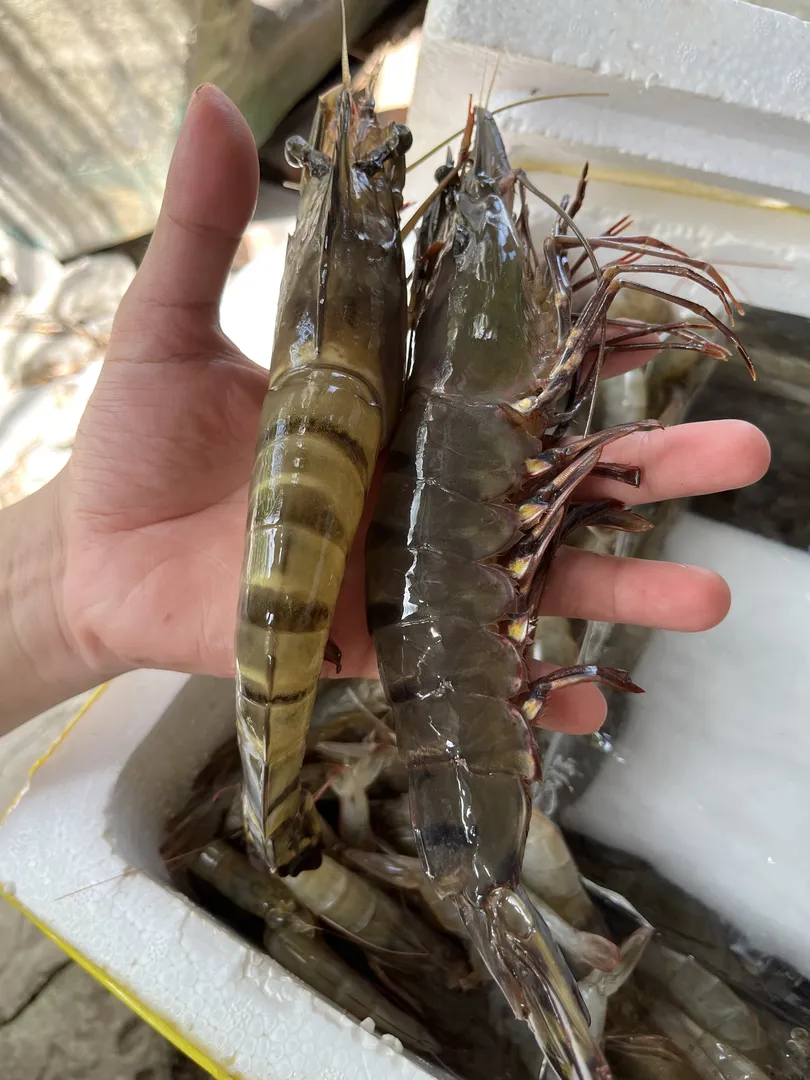
Ca Mau Black Tiger Shrimp
Ca Mau Black Tiger Shrimp
Large black tiger shrimp associated with mangrove aquaculture in Ca Mau, known for firm flesh and a cleaner, sweeter finish than intensively farmed shrimp.
Wild spirits of the mangroves, these black-banded gems deliver a firm, snappy texture and a sweetness that echoes the forest's vibrant life.
6 Market Updates: Beyond the Superficial
From a market perspective, the premium placed on line-caught squid in Phu Quoc serves as a vital signal. It tells consumers, chefs, and even other fishermen that there is a discernible difference in value. This appreciation encourages sustainable fishing practices. When demand exists for quality, the incentive to maintain those practices grows.
Think of it like the difference between a mass-produced t-shirt and a hand-tailored suit. Both cover you, but one offers superior craftsmanship, material, and an experience that justifies its cost. The market for high-quality seafood operates on similar principles. Reports from local markets often highlight the fluctuating prices of trawled versus line-caught catches, with the latter consistently commanding a higher rate, especially during peak demand seasons.
This distinction is crucial for understanding the broader seafood economy of Vietnam. It's not just about quantity; it's about recognizing and rewarding the effort, skill, and environmental stewardship involved in bringing truly exceptional ingredients to our plates.
7 Traveling to Phu Quoc: How to Find the Best
If you find yourself on the beautiful island of Phu Quoc, seeking out this premium squid is an adventure in itself. Here are a few tips to guide your quest:
- Visit Local Markets Early: Head to the morning markets in Duong Dong or smaller coastal villages. Look for stalls with the freshest catches, often brought in overnight.
- Ask Questions: Don't be shy! Ask the vendors if the squid was "câu" (line-caught) or "kéo lưới" (net-trawled). They appreciate those who understand the difference.
- Seek Out Seafood Restaurants: Restaurants that specialize in fresh, local seafood are more likely to source line-caught options. Look for establishments that emphasize their connection to local fishermen.
- Observe the Details: Trust your eyes and nose. Does the squid look vibrant and firm? Does it smell clean and briny? These are your best indicators.
8 A Worthy Indulgence
The higher price of night-caught Bigfin Reef Squid in Phu Quoc is not arbitrary. It's a reflection of a more sustainable, labor-intensive fishing method, a testament to the squid's inherent freshness, and a celebration of the skill and dedication of the local fishermen. When you savor this exquisite seafood, you're not just enjoying a meal; you're experiencing a piece of Phu Quoc's rich maritime heritage and the discerning taste of the Mekong Delta's coastal cuisine. It's a difference you can taste, see, and appreciate.
More Mekong Delights
View More Food & Culinary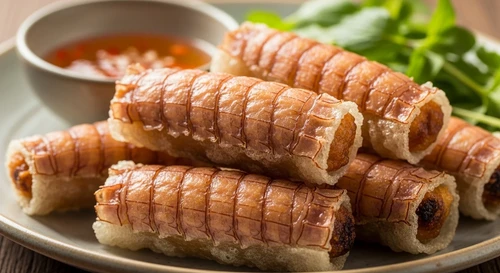
Crispy Hai Phong Mantis Shrimp Spring Rolls
A port city specialty with shredded mantis shrimp, glass noodles, and wood ear mushrooms wrapped in rice paper and fried golden.
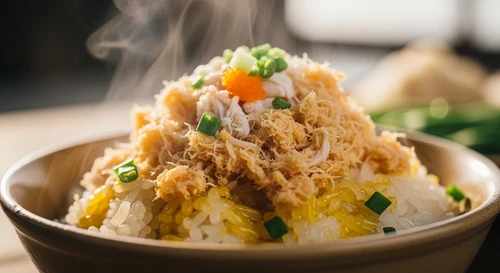
Savory Sticky Rice Topped with Shredded Fiddler Crab
A unique street food breakfast. Chewy glutinous rice, scallion oil, and intense crab meat to kickstart your morning.
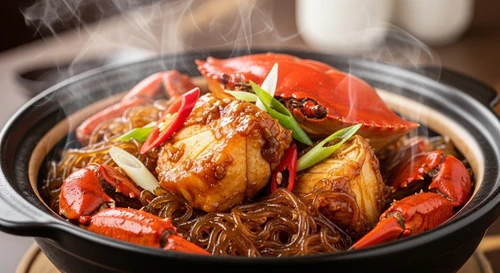
Hong Kong Style Claypot Crab with Glass Noodles
Chewy glass noodles soaking up premium XO sauce and the natural sweetness of fresh mud crab, cooked in a hot claypot.
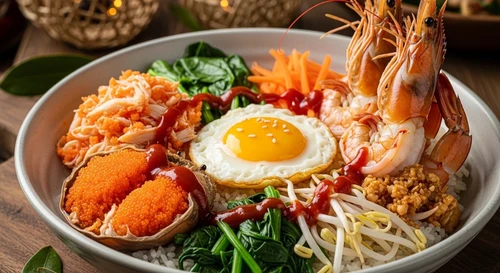
Crab Bibimbap: A Korean-Vietnamese Fusion Bowl
Upgrade your standard Korean mixed rice bowl with premium shredded Ca Mau crab meat and a spicy gochujang sauce.
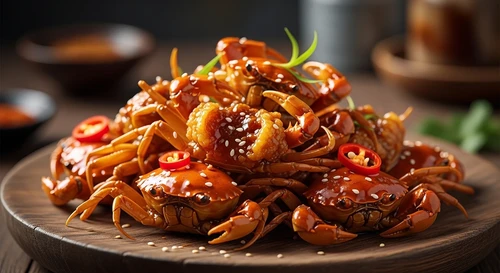
Crispy Baby Sentinel Crabs Roasted in Tamarind Sauce (Ghe Sua)
Bite-sized, soft-shelled baby crabs deep-fried and tossed in a sticky sweet sauce. Eat them whole for a massive calcium boost.
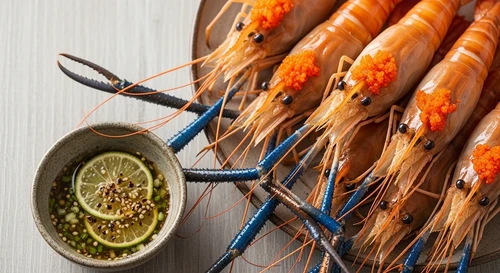
Giant River Prawns Steamed in Coconut Water with Lime-Pepper Dip
The bright orange head-roe dripping into the sweet tail meat. A luxurious display of Vietnam's finest river bounty.
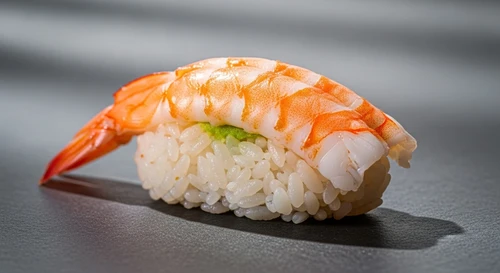
Ebi Nigiri at Home: The Butterfly Cut Technique for Sushi Shrimp
How to skewer, boil, and slice shrimp perfectly so they lay flat and beautifully over seasoned sushi rice.
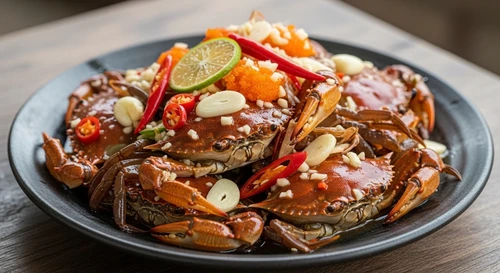
How to Prepare Sweet & Sour Salted Fiddler Crab (Ba Khia Tron)
The ultimate rice-killer recipe. How to mix salted crab with lime, garlic, chili, and sugar to balance its intense brininess.
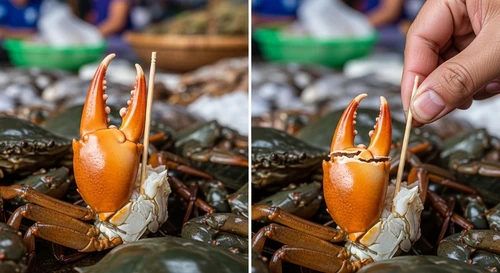
The Bamboo Toothpick Scam: Reattaching Broken Crab Claws
Inspect your crabs closely! Unscrupulous sellers are using toothpicks to stick broken claws back onto dead crabs.