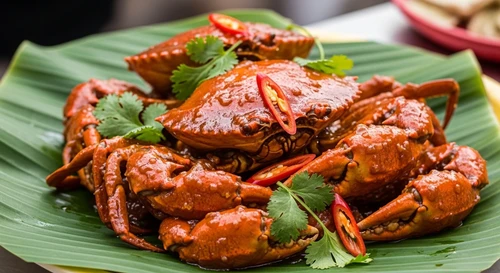
" Forget delicate porcelain. The soul of this dish lives in the rustic charm of an earthen pot. It's not just cookware; it's a slow-cooking sanctuary where flavors meld and textures transform. This is the heart of Mekong comfort food. "
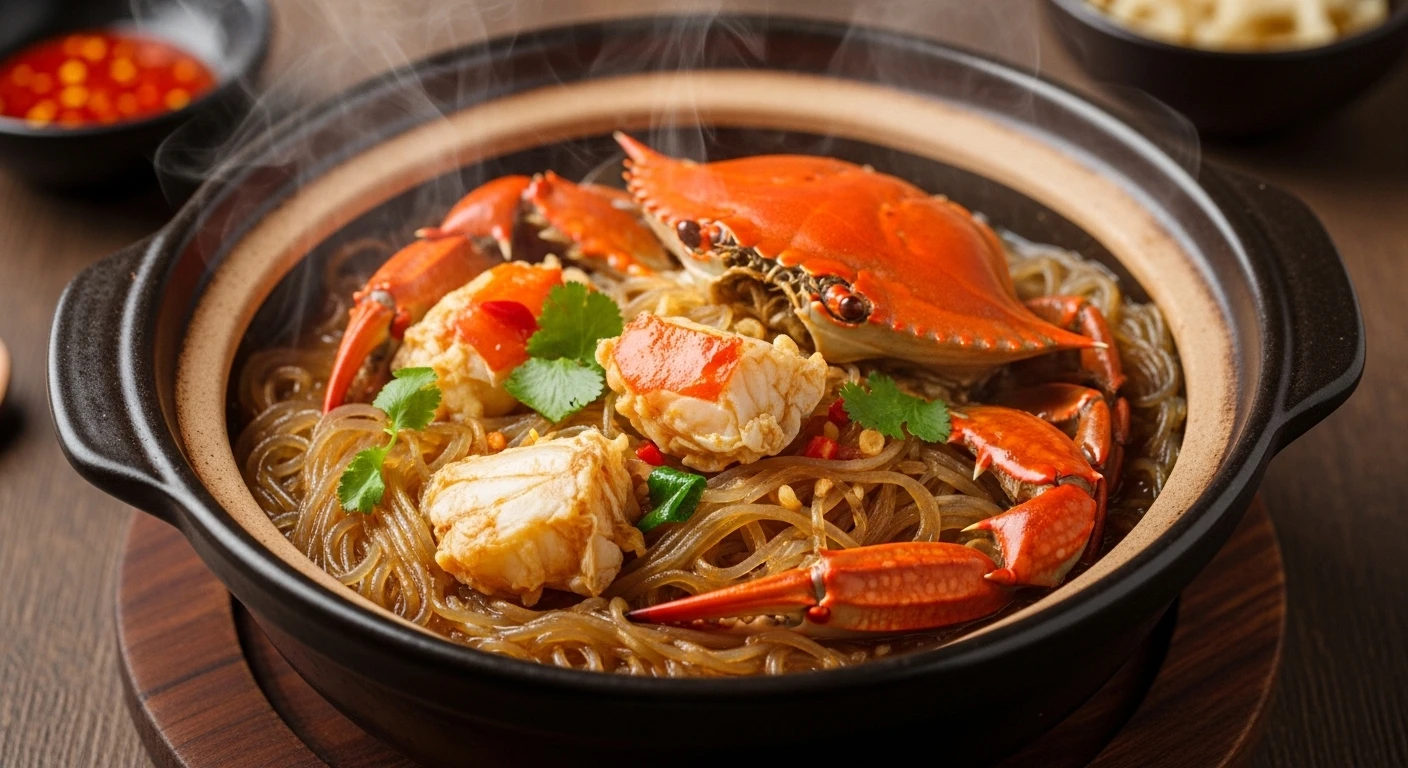
📸 The magic happens in the pot: Bubbling broth and tender noodles.
1 The Unseen Power of Earthenware
Why a claypot? In the bustling heart of the Mekong Delta, where life moves at the rhythm of the river, tradition often dictates the tools. The humble claypot, or 'niêu đất', is more than just cookware; it's an ancient technology that imbues food with a unique character. Unlike metal, clay breathes, allowing for gentle, even heat distribution. This means your glass noodles absorb the broth slowly, becoming impossibly tender without turning mushy, while the crab remains succulent.
Even Heat Distribution
The porous nature of clay cooks food slowly and evenly, preventing hot spots and burning. Perfect for delicate glass noodles and fresh crab.
Moisture Retention
Clay's natural properties help to seal in moisture, keeping ingredients from drying out and concentrating flavors beautifully.
This slow, gentle cooking process is what makes claypot dishes so comforting and flavorful, especially when paired with the sweet, oceanic treasures of the Mekong.
2 The Blue Crab: Jewel of the Mangroves
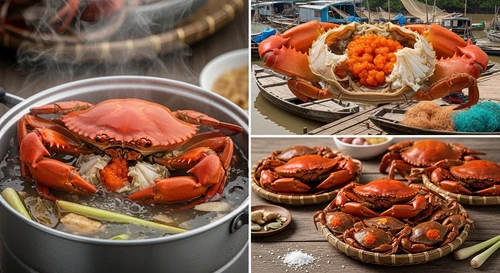
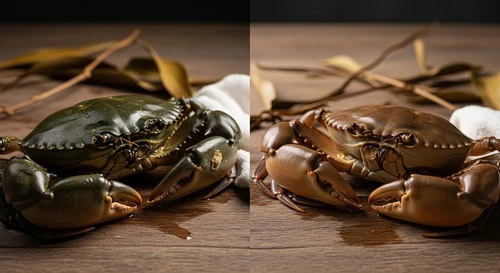
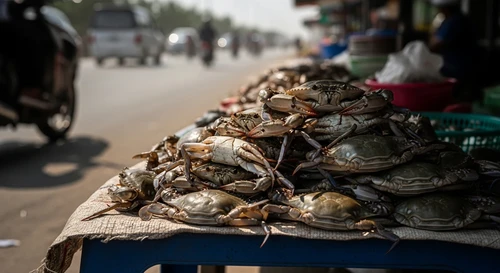
When we talk about crab in the Mekong Delta, especially the prized blue crab (often a type of mud crab), we're talking about a culinary legacy. Ca Mau, Vietnam's southernmost province, is a vast expanse of mangrove forests and coastal wetlands, forming a pristine habitat for some of the country's most sought-after seafood. The mud crabs harvested here, known for their dense, sweet meat and vibrant shells, are the stars of many regional dishes. For this claypot, we seek out the crabs with a rich broth and firm flesh, ready to lend their essence to every strand of noodle.
Crab Selection Matters
For this dish, the crab's natural juices and its 'broth' (often the roe or body fluid that liquefies when cooked) are crucial. A lively, healthy crab will yield the best results. While 'blue crab' can refer to various species, in the Mekong context, it often points to the highly valued mud crabs from Ca Mau.
Heritage Ingredient
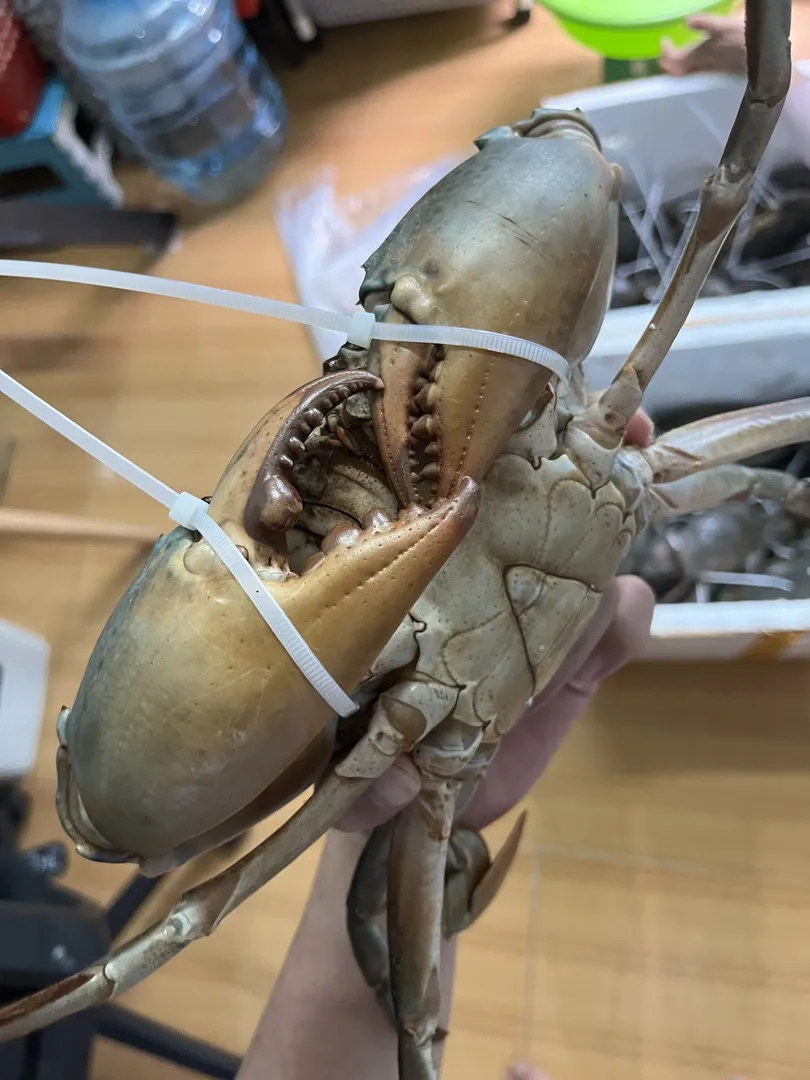
Ca Mau Jumbo Mud Crab
Ca Mau Jumbo Mud Crab
A large male mud crab prized for dense, sweet meat and thick claws, commonly used in steamed crab and grilled crab dishes across the Mekong Delta.
An icon of coastal culinary heritage, featuring firm, sweet meat that captures the raw power and freshness of Ca Mau's tides.
Roe vs. Meat Crab
Female crabs with roe ('cua gạch') can add an incredible richness and creamy texture to the broth. Male crabs ('cua thịt') offer firmer, meatier claws and legs. Both are excellent, but 'cua gạch' often elevates the dish with its intense flavor.
Heritage Ingredient
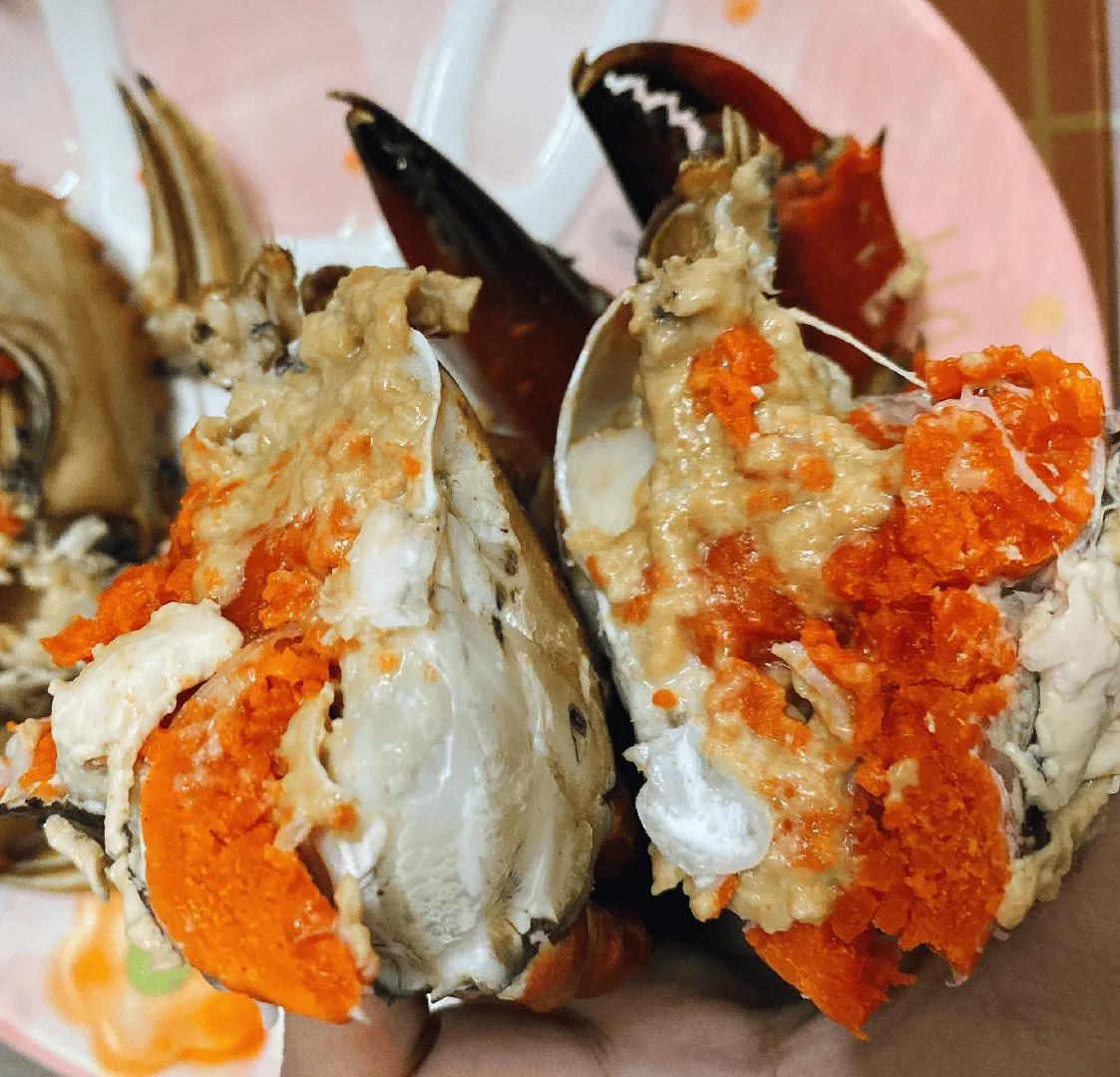
Ca Mau Roe Mud Crab
Ca Mau Roe Mud Crab
A female mud crab known for deep orange roe and a rich, creamy finish, often featured in celebratory Southern Vietnamese seafood meals.
A crimson treasure hidden within a shell, boasting rich, creamy roe that melts on your tongue like a golden sunset over the delta.
3 Earthen Pot, Different Worlds
When Westerners think 'claypot', it often conjures images of Korean 'dolsot bibimbap' or 'kimchi jjigae', where the pot keeps food sizzling at the table. While the principle of heat retention is similar, the Vietnamese approach, particularly in the Mekong Delta, is often about slow, deep simmering. Our claypot glass noodles aren't just served hot; they are cooked and finished in the pot, allowing the flavors to truly meld. The dry glass noodles absorb the broth directly, creating a dish that is both soupy and intensely flavored.
Think of it as a self-contained flavor bomb. The heat from the clay pot gently cooks the noodles and crab, while the residual heat keeps the dish piping hot for a satisfying, communal eating experience.
4 The Symphony of Aromatics
The magic of this dish lies in its simplicity, allowing the fresh ingredients to shine. The flavor base is built on a few key players:
The Foundation
- Garlic & Shallots: Finely minced, sautéed until fragrant to build the aromatic base.
- Shiitake Mushrooms: Dried or fresh, adding an earthy umami depth.
- Fish Sauce (Nuoc Mam): The quintessential Vietnamese seasoning, providing savory depth.
- Sugar: Just a touch to balance the saltiness and enhance sweetness.
The Stars
- Glass Noodles (Bun Mien): Dry noodles are crucial here; they rehydrate in the broth, absorbing all the flavor.
- Mekong Crab: The sweet, succulent centerpiece.
- Crab Broth/Juices: The liquid essence of the crab, vital for the noodles.
- Garnishes: Fresh spring onions, cilantro, and perhaps a hint of chili for visual appeal and freshness.
The trick is to create a rich, slightly sweet, and deeply savory broth that coats every strand of noodle and complements the natural sweetness of the crab.
5 From Pot to Plate, Simmer by Simmer
Prep the Aromatics
Heat a little oil (or duck fat for extra richness) in the claypot over medium heat. Sauté minced garlic and shallots until fragrant. Add sliced shiitake mushrooms and cook for a minute.
Build the Broth
Pour in chicken or crab broth (if available), water, fish sauce, and sugar. Bring to a simmer. Add the dry glass noodles, ensuring they are submerged.
Introduce the Crab
Once the noodles are partially softened (about 5-7 minutes), arrange the cleaned crab pieces on top. Cover the claypot tightly.
Simmer to Perfection
Cook over low to medium heat for another 10-15 minutes, or until the crab is fully cooked and the noodles have absorbed most of the broth. The goal is a thick, rich, saucy consistency, not a watery soup.
Serve Hot & Garnish
Ladle directly into bowls from the claypot. Garnish generously with chopped spring onions and cilantro. Serve immediately with extra fish sauce or a chili dipping sauce if desired.
Beyond the Bowl: A Taste of Home
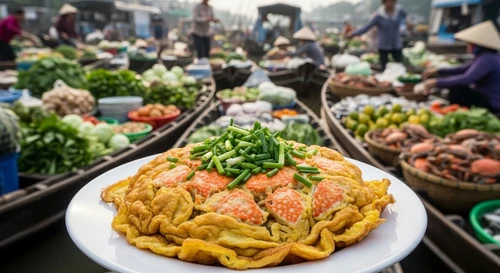
This dish isn't just about eating; it's about a feeling. It evokes images of family meals, perhaps on a stilted house overlooking a rice paddy, or at a bustling riverside eatery in Can Tho. The shared claypot, the slurping of noodles, the cracking of crab shells – it’s an experience woven into the fabric of Mekong life. It’s the taste of comfort, of sustenance, and of the rich, fertile land itself.
The Noodles
Each strand is a vehicle for the concentrated flavors of crab and broth.
The Crab
Sweet, tender, and rich – the star of the show.
The Broth
A deeply savory, slightly sweet elixir that coats everything.
Some variations add a spoonful of fermented shrimp paste (mắm ruốc) for an even deeper, more pungent flavor. It’s not for the faint of heart, but it’s authentically Mekong.
Choosing Your Crab: A Delta Perspective
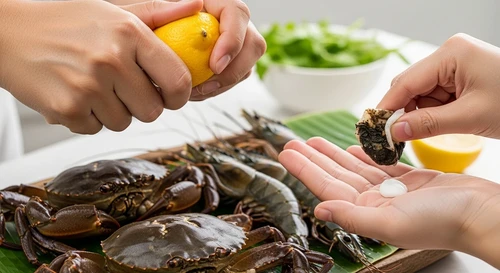
In the Mekong Delta, crab isn't just a protein; it's a livelihood, deeply tied to the region's waterways and mangrove ecosystems. When selecting crab for this dish, consider what locals look for:
🦀 Live & Active is Key
🥚 Roe (Gạch) or Meat (Thịt)?
Understanding Grading
6 Beyond the Classic: Customizing Your Claypot
While the recipe above is a beautiful representation of the classic, the beauty of Mekong cuisine lies in its adaptability.
Add More Umami:
- Dried Shrimp: A small handful of rehydrated dried shrimp can boost the savory notes.
- Fermented Shrimp Paste (Mắm Ruốc): As mentioned, a teaspoon adds a pungent, authentic depth.
Vegetable Enhancements:
- Choy Sum or Bok Choy: Stir-fried separately and added to the pot at the end, or layered at the bottom.
- Bean Sprouts: Added in the final minutes for a fresh crunch.
For an ultra-luxurious twist, some chefs might use a type of soft-shell crab or molting crab, which is prized for its creamy interior. However, for this glass noodle dish, the firm meat and broth of a mature mud crab are generally preferred.
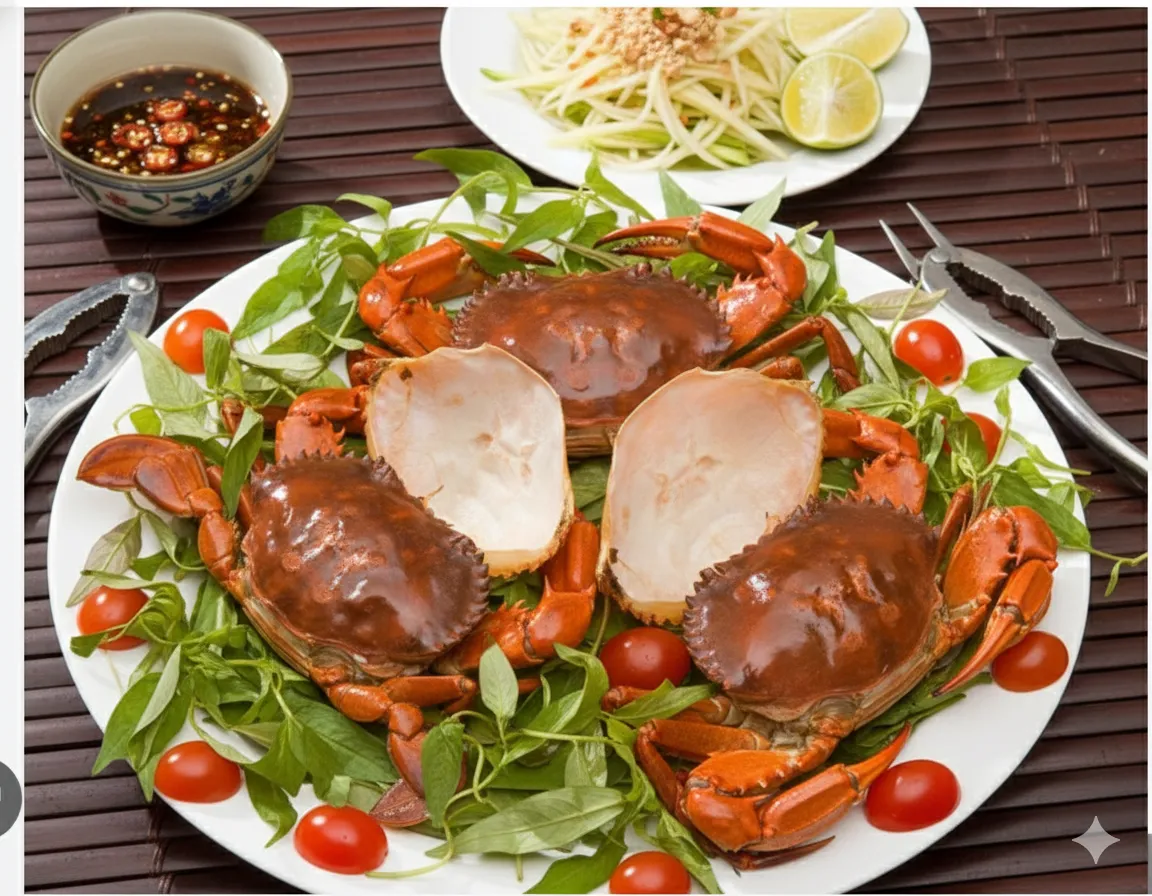
Heritage Ingredient
Soft-Shell Butter Crab (Molting Crab)
Soft-Shell Butter Crab (Molting Crab)
A rare molting mud crab from Ca Mau, valued for its edible soft inner shell and exceptionally creamy roe, making it the closest local equivalent to soft-shell crab concepts familiar abroad.
Nature's rare masterpiece—a delicate transition where a soft inner layer protects golden, custard-like roe in a fleeting moment of flavor.
Craving Noodles?
If claypot isn't your speed but you love noodles, explore the vibrant world of Vietnamese noodle soups.
🍜 Dive into Bun Rieu Cua