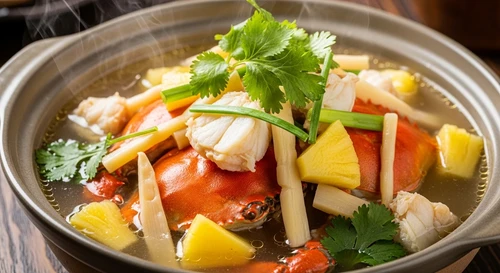
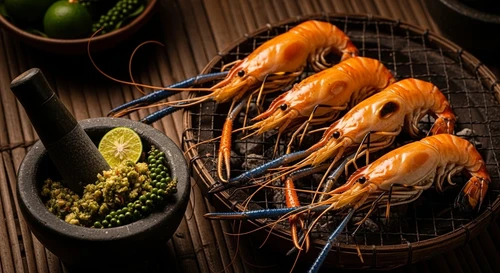
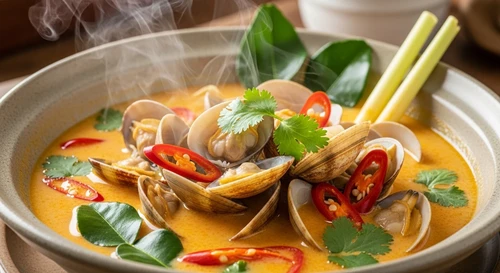
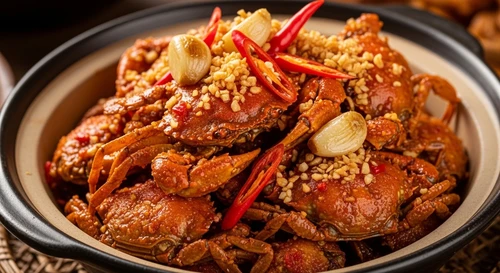
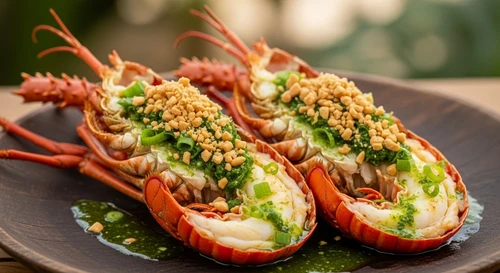
" Forget the complicated marinades and endless prep. This is about pure, unadulterated seafood joy with a satisfying crackle. It’s the kind of snack that demands a cold drink and good company. "

📸 Golden perfection: Crispy on the outside, sweet and tender within.
1 The Crab: A Ca Mau Treasure
The heart of this dish lies in the quality of the crab. When we talk about the finest crab in Vietnam, the conversation inevitably turns to the mangrove-rich waters of Ca Mau in the Mekong Delta. This region is legendary for its mud crabs, particularly those with substantial, meaty claws.
Why Ca Mau Crab?
Crabs from Ca Mau are prized for their dense, sweet meat and thick claws. They thrive in brackish waters, feeding on a natural diet that imbues their flesh with a unique depth of flavor. While many crab preparations exist in the Delta, showcasing this pure sweetness is key.
The Perfect Cut
For this recipe, we focus on the crab claws themselves. Pre-peeled claws are a convenient shortcut, but ensure they are from fresh, high-quality crab. The goal is maximum meat with minimal shell.
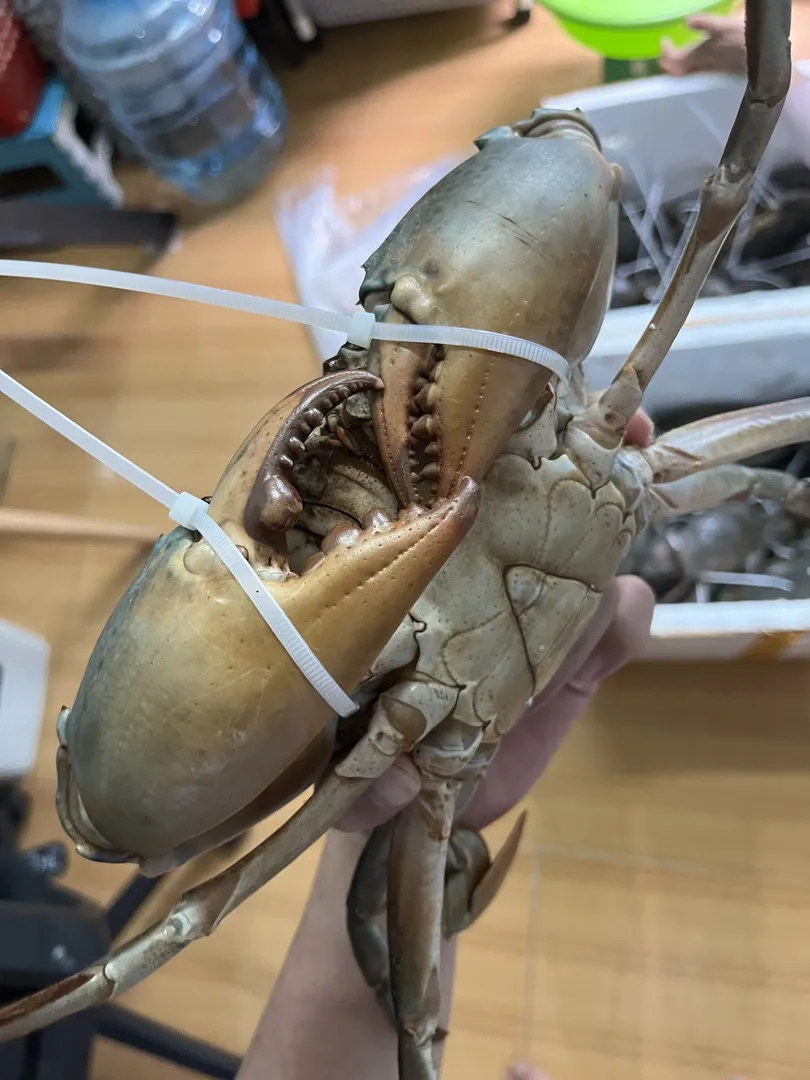
Heritage Ingredient
Ca Mau Jumbo Mud Crab
Ca Mau Jumbo Mud Crab
A large male mud crab prized for dense, sweet meat and thick claws, commonly used in steamed crab and grilled crab dishes across the Mekong Delta.
An icon of coastal culinary heritage, featuring firm, sweet meat that captures the raw power and freshness of Ca Mau's tides.
2 Panko: The Japanese Secret Weapon
While the Mekong Delta offers a universe of traditional flavors, this recipe embraces a touch of international flair that perfectly complements the sweet crab meat. Japanese panko breadcrumbs are the star here. Unlike standard breadcrumbs, panko is made from white bread processed into fine flakes, creating an incredibly light and airy texture.
Why Panko is King
- Superior Crispness: Panko's larger flakes create more surface area for frying, resulting in an exceptionally crunchy, airy coating that absorbs less oil than finer breadcrumbs.
- Lighter Feel: The light, fluffy texture means your fried crab claws won't feel heavy or greasy.
- Golden Hue: Panko fries to a beautiful, inviting golden-brown color.
The Coating Process
The key is a simple dredging process: a light dusting of flour, followed by a dip in beaten egg, and a generous coating of panko. This ensures the panko adheres well and creates that signature, shatteringly crisp shell.
3 The Art of the Fry
Oil Temperature is Crucial
Heat your neutral cooking oil (like canola or vegetable oil) in a deep pot or wok to 350-360°F (175-180°C). A thermometer is your best friend here. Too low, and they'll be greasy; too high, and the panko will burn before the crab is heated through.
Fry in Batches
Carefully add the panko-coated crab claws to the hot oil, working in small batches. Do not overcrowd the pot, as this will lower the oil temperature dramatically.
Golden Brown & Cooked Through
Fry for about 2-3 minutes per side, or until deeply golden brown and crispy. The crab meat inside should be heated through and perfectly sweet. Use a slotted spoon to remove them and drain on a wire rack set over a baking sheet to maintain crispness.
The Perfect Companions
While delicious on their own, these panko-crusted claws are elevated with the right accompaniments. Think bright, zesty, and a little spicy – classic Mekong Delta touches.
Fresh Lime & Chili Dip
A simple mix of fresh lime juice, finely sliced bird's eye chilies, and a pinch of sea salt. The acidity cuts through the richness.
Sweet Chili Sauce
A readily available classic that provides a sweet, tangy counterpoint. Ensure it's a good quality one.
Vietnamese Dipping Sauce (Nuoc Cham)**
A more complex umami bomb made with fish sauce, lime, garlic, chili, and sugar. Perfect for those who love a savory punch.
Serve immediately for the ultimate crispiness. These are best enjoyed fresh from the fryer.
5 Beyond the Delta: A Culinary Bridge
While the prime ingredients hail from the Mekong Delta, the technique of deep-frying crab claws with panko reflects a modern culinary landscape in Vietnam. Cities like Ho Chi Minh City are melting pots of regional and international influences. You'll find dishes like this appearing on menus in upscale seafood restaurants and sophisticated bars, bridging the gap between traditional Southern Vietnamese flavors and global palates.
It's a testament to how the rich seafood bounty of places like Ca Mau can be celebrated in new and exciting ways. The sweet, tender crab meat, a gift from the intricate waterways and mangrove forests, is given a new identity through the crisp embrace of panko. This isn't just a snack; it's a story of connection, heritage, and culinary evolution.

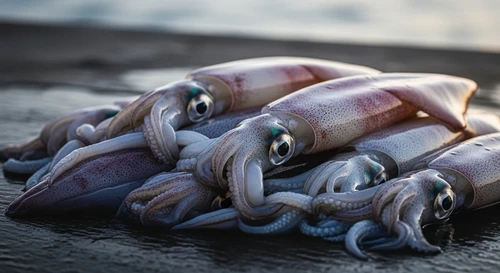
📸 The source of inspiration: The vibrant seafood trade of the Mekong Delta.
Whether enjoyed in a bustling riverside eatery in Can Tho or a chic establishment in Saigon, the essence of the Mekong remains. It's in the sweetness of the crab, the freshness of the ingredients, and the spirit of sharing.
6 The Taste Sensation
What truly makes Panko-Crusted Deep Fried Crab Claws an obsession? It's the symphony of textures and tastes:
The Initial Crackle
That satisfying auditory cue as you bite into the perfectly fried panko shell. It’s pure texture joy.
Sweet, Succulent Crab
The star of the show. Tender, naturally sweet crab meat that melts in your mouth, providing a delightful contrast to the crispy coating.
Subtle Savory Notes
The simple egg and flour coating provide a subtle, savory base that enhances, rather than overpowers, the crab's natural flavor.
Zesty, Spicy Finish
When paired with the suggested dips, the dish comes alive with bright citrus and a hint of heat, balancing the richness perfectly.
The Nitty-Gritty: FAQs
🦀 Can I use crab meat instead of claws?
♨️ How do I keep them crispy if not serving immediately?
🌶️ Can I add spices to the panko?
Craving More Delta Flavors?
Dive deeper into the heart of Mekong cuisine with other iconic dishes.
🥣 Discover Canh Chua