" Forget delicate consommé or fiery tom yum. Some noodle soups are born from the soul of the sea itself, a testament to the bounty of Vietnam's coast. Bánh Canh Ghẹ is one of them. "
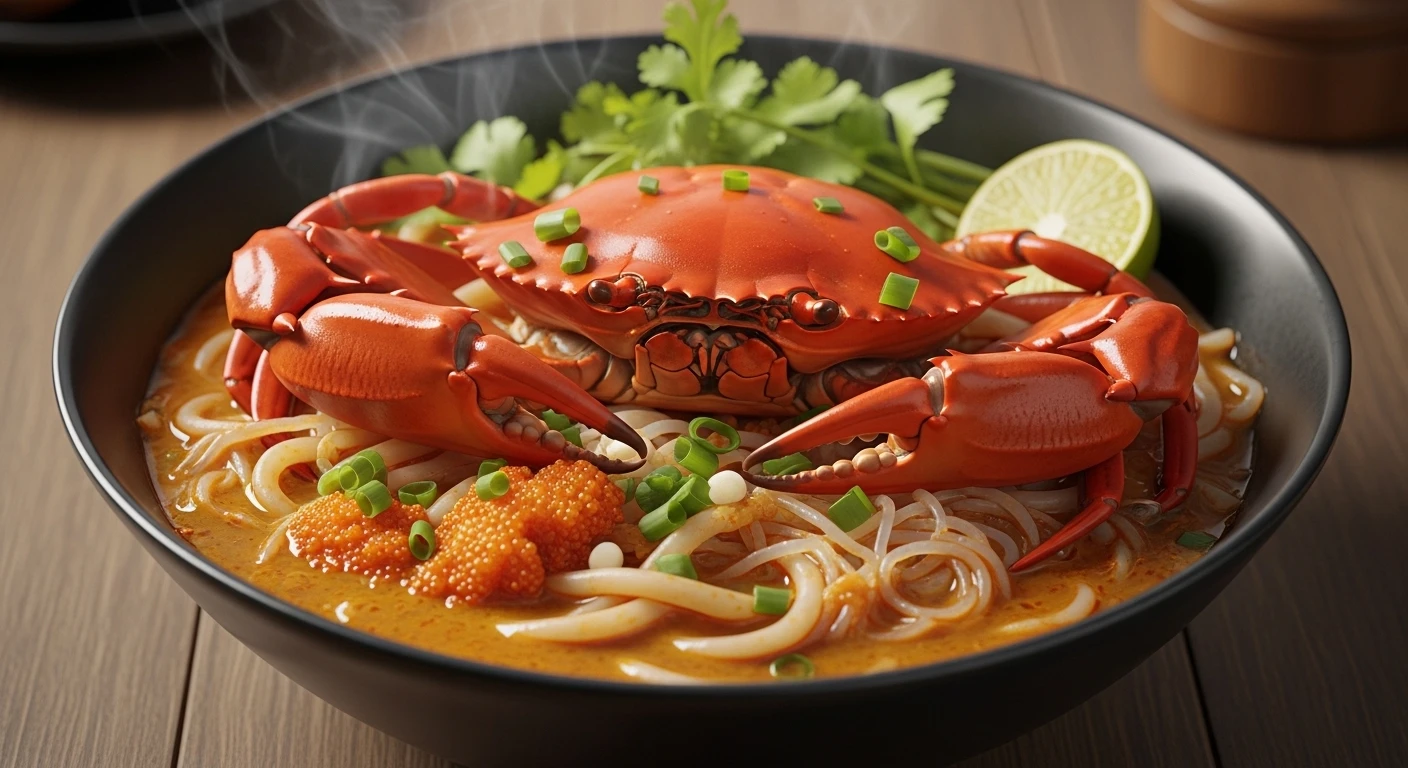
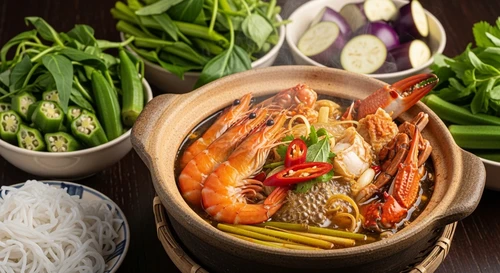
📸 The unmistakable hue: Rich crab roe and simmered pork bones create this legendary orange broth.
1 The Mekong Delta's Coastal Heartbeat
Vung Tau, a coastal city just southeast of Ho Chi Minh City, is synonymous with fresh seafood and a laid-back beach vibe. But its culinary heart beats strongest in dishes like Bánh Canh Ghẹ. This isn't just soup; it's a celebration of the sea's bounty, a tradition passed down through generations of fishermen's families.
The magic begins with the broth. Unlike delicate broths that rely on a single ingredient, Bánh Canh Ghẹ is a symphony. Pork bones are simmered for hours, creating a deeply savory foundation. Into this, the essence of the sea is introduced: crab roe. This isn't just for flavor; it's the secret to the soup's signature, velvety texture and its famously vivid orange hue. Think of it as liquid gold, infused with the very soul of the ocean.
The Star Ingredient: Ca Mau Roe Crab
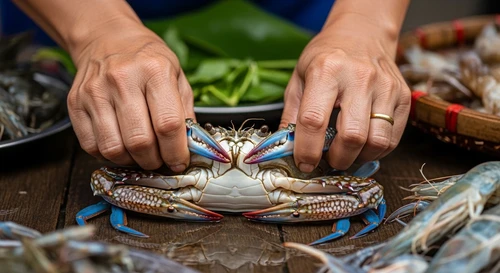
The quality of the crab is paramount. While many regions offer delicious seafood, the rich, deep orange roe from female mud crabs, particularly those from the legendary Ca Mau province, are prized for their intense flavor and creamy texture. This roe is what elevates the broth from merely good to absolutely unforgettable.
Heritage Ingredient
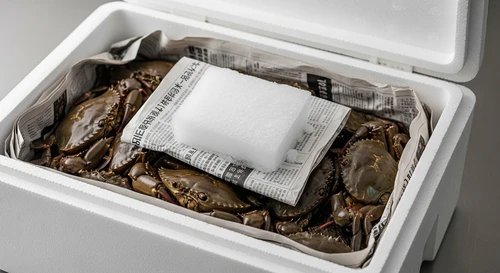
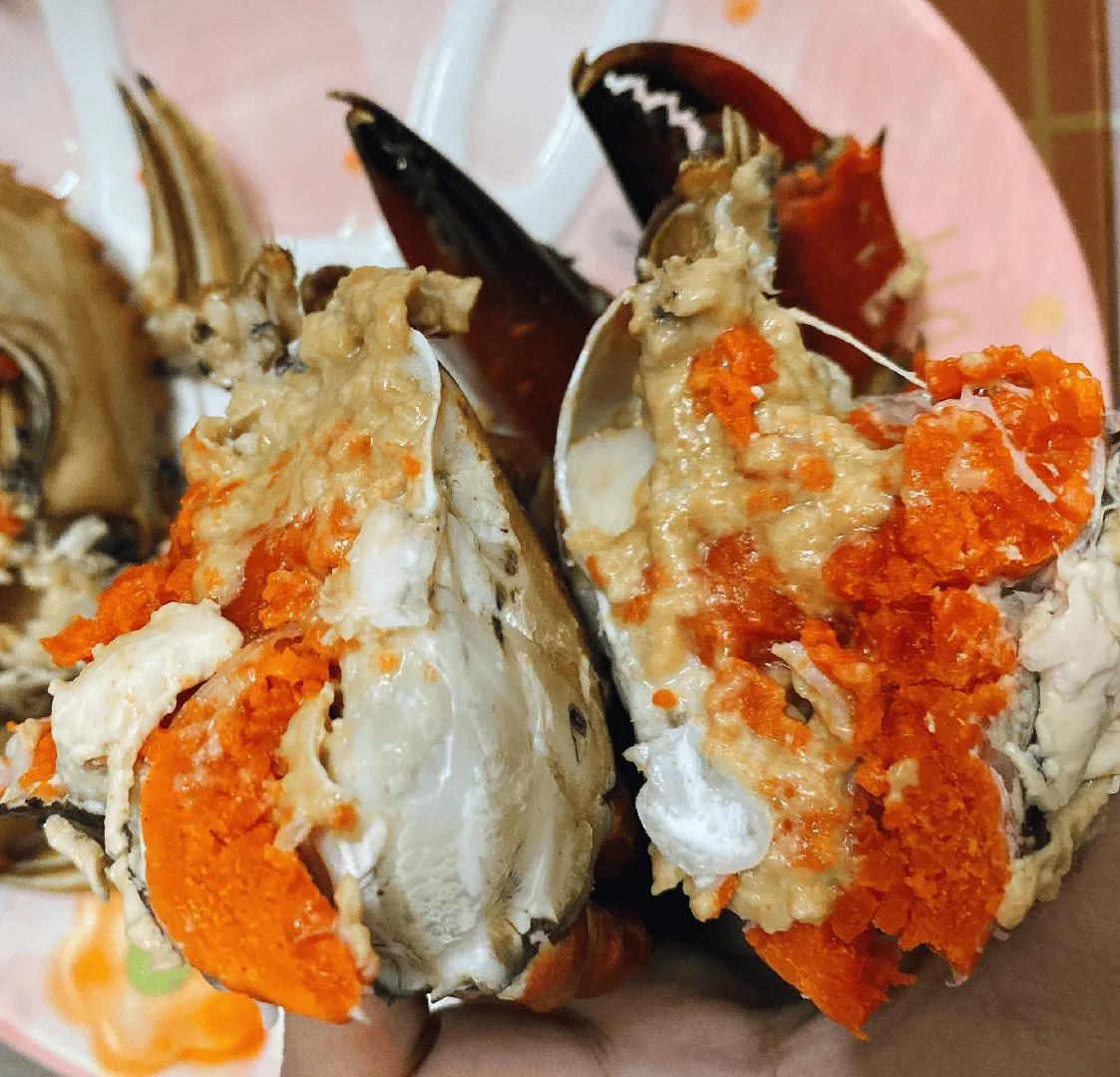
Ca Mau Roe Mud Crab
Ca Mau Roe Mud Crab
A female mud crab known for deep orange roe and a rich, creamy finish, often featured in celebratory Southern Vietnamese seafood meals.
A crimson treasure hidden within a shell, boasting rich, creamy roe that melts on your tongue like a golden sunset over the delta.
Heritage Ingredient
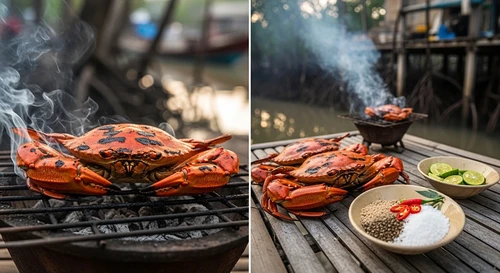
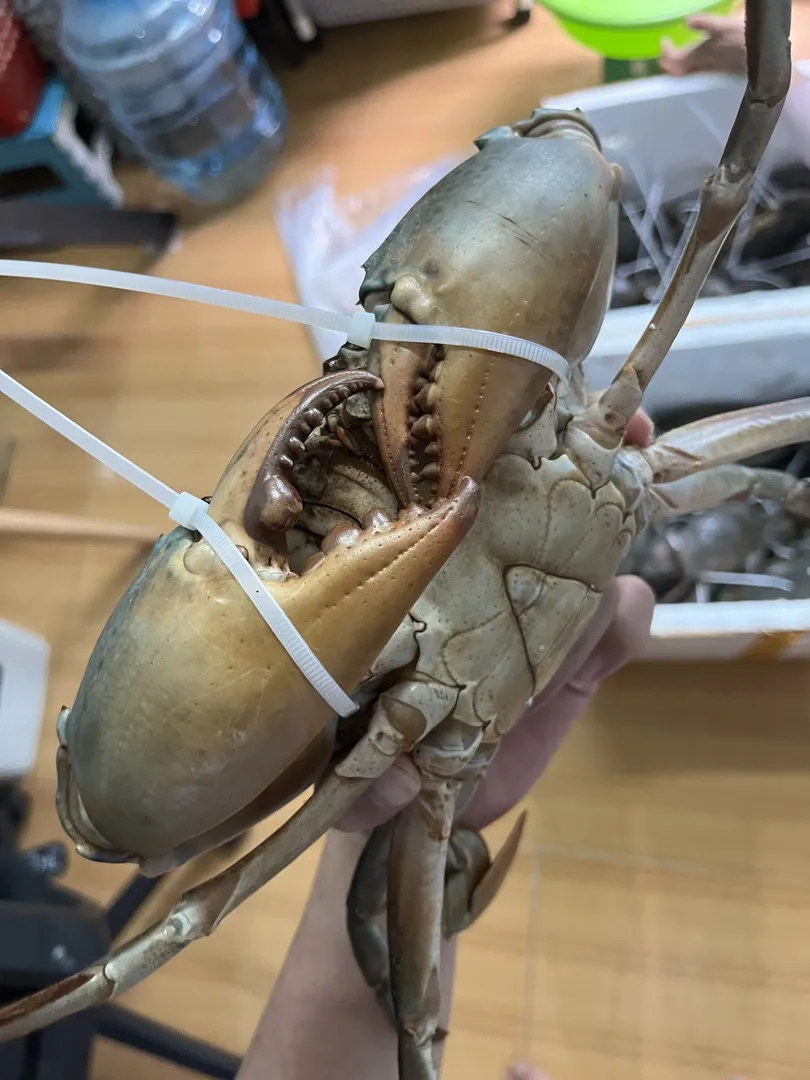
Ca Mau Jumbo Mud Crab
Ca Mau Jumbo Mud Crab
A large male mud crab prized for dense, sweet meat and thick claws, commonly used in steamed crab and grilled crab dishes across the Mekong Delta.
An icon of coastal culinary heritage, featuring firm, sweet meat that captures the raw power and freshness of Ca Mau's tides.
The chewy tapioca noodles, often thick and satisfyingly ‘al dente’, are the perfect vehicle for this rich broth, ensuring every spoonful is a decadent experience.
2 The Art of the Broth: Patience and Precision
Creating the perfect Bánh Canh Ghẹ broth is a labor of love, a testament to Vietnamese culinary patience.
Pork Bone Foundation:
The process typically starts with searing pork bones—often femurs or neck bones—to develop a deep, roasted flavor. These are then simmered in a large pot of water for at least 2-3 hours, sometimes longer, skimmed diligently to remove impurities and achieve a clear, rich stock.
The Crab's Contribution:
This is where the magic truly happens. Female mud crabs, rich with their signature orange roe, are added to the simmering stock. The roe gently breaks down, emulsifying into the broth, imbuing it with its vibrant color and a distinct, sweet, slightly briny flavor. The crab meat itself also infuses the soup, adding another layer of oceanic depth.
A Nuance from the Mangroves:
While Vung Tau is coastal, many ingredients, including the prized crabs, trace their origins back to the expansive mangrove forests and estuarine waterways of the Mekong Delta. The unique ecosystem there contributes to the distinct flavor profile of the seafood, making it a true regional specialty.
3 The Chew and The Garnish
The noodles are the unsung hero, providing a textural counterpoint to the silken broth.
Tapioca Noodles (Bánh Canh):
These aren't your average ramen or pho noodles. Made from tapioca starch (or a blend with rice flour), they are typically thick, round, and possess a delightful elasticity. They absorb the rich broth beautifully, offering a satisfying chewiness that keeps you coming back for more. Sometimes they are prepared fresh, other times dried and rehydrated.
Essential Accompaniments:
No bowl of Bánh Canh Ghẹ is complete without its supporting cast:
- Fresh Crab Meat: Often, a whole, perfectly cooked crab sits proudly atop the noodles, its sweet meat easily accessible.
- Herbs and Aromatics: Freshly chopped green onions, cilantro, and sometimes a hint of chili add brightness and a fresh contrast.
- Lime Wedge: A squeeze of fresh lime juice cuts through the richness, balancing the flavors.
More Than Just a Meal
Eating Bánh Canh Ghẹ in Vung Tau isn't just about sustenance; it's an experience. You'll find locals and tourists alike gathered in bustling eateries, the air thick with the aroma of simmering broth and the happy chatter of diners. It's a communal dish, best enjoyed with friends and family, sharing the spoils of the sea.
Coastal Breeze
Enjoyed with the ocean just a stone's throw away.
Vibrant Atmosphere
Lively street food stalls and local restaurants.
Taste of Home
Comfort food with authentic Mekong Delta roots.
4 Regional Flavors and Sister Dishes
While Vung Tau's Bánh Canh Ghẹ is iconic, variations and similar dishes abound across Southern Vietnam, each with its own unique charm.
Bánh Canh Cua (Crab Noodle Soup):
This is the broader category, often used interchangeably. However, 'Cua' can refer to any crab, while 'Ghẹ' specifically denotes the mud crab, which is typically richer.
Bánh Canh Tôm (Shrimp Noodle Soup):
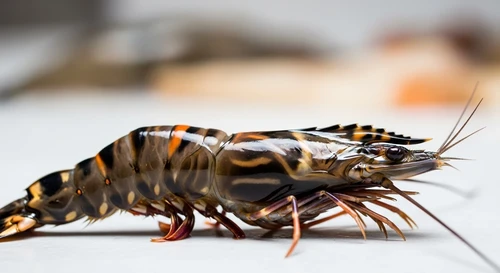
A lighter, yet still flavorful, option using large shrimp. The broth is often a beautiful pinkish-orange and might include shrimp roe for extra depth.
A Rustic Connection:
For a taste of the more rustic, preserved seafood traditions of the Mekong Delta, explore dishes featuring fermented mangrove crab (Ba Khia). While a different preparation entirely, it showcases the deep connection the region has with its crab populations.
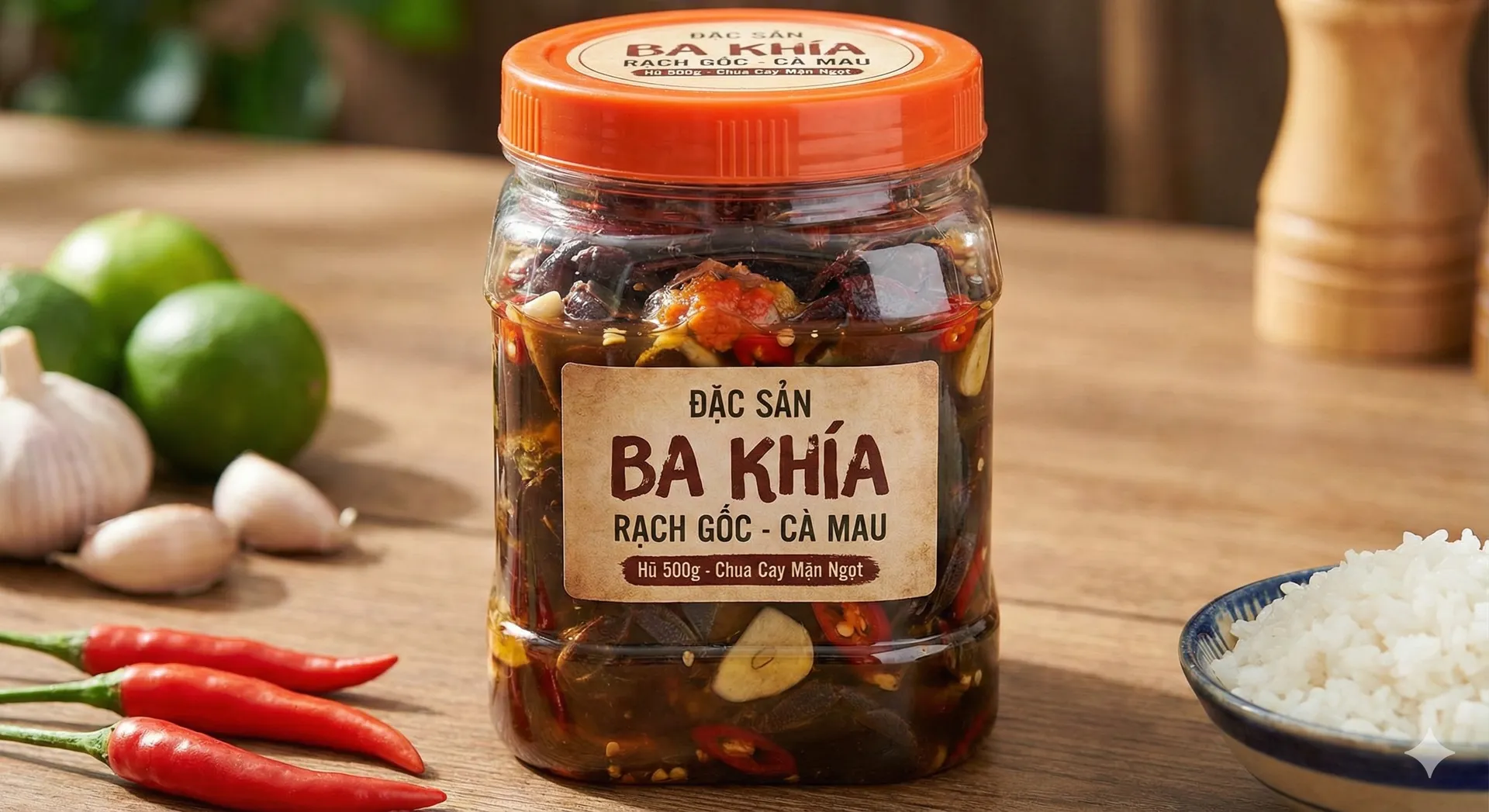
Heritage Ingredient
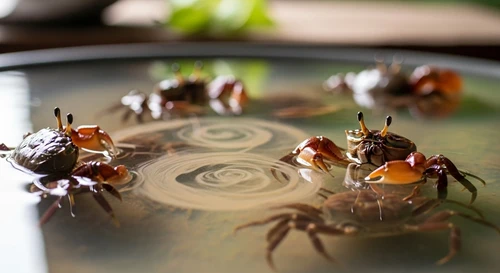
Fermented Mangrove Crab (Ba Khia)
Fermented Mangrove Crab (Ba Khia)
A traditional fermented crab specialty from the mangrove region of Rach Goc, often cited in articles about rustic Mekong Delta flavors and preserved seafood culture.
The salty-sour heartbeat of the wild south, where traditional fermentation turns forest crabs into a nostalgic explosion of rustic Mekong soul.
5 Selecting the Perfect Crab
If you're lucky enough to find fresh mud crabs for this dish outside of Vietnam, here’s what to look for:
Lively Movement:
The crab should be active, moving its legs and antennae. A sluggish crab is a sad crab.
Heavy for its Size:
A dense, heavy crab often indicates more meat and fuller roe sacs.
Full Roe Sacs:
For Bánh Canh Ghẹ, seek out female crabs with a prominent, deep orange roe sac under their belly flap. This is key for color and richness.
The Indispensable Dip
While the broth is rich, the real flavor explosion comes from the accompanying dipping sauce. It’s the perfect counterpoint to the soup's deep flavors.
Salt & Pepper Lime:
A classic Vietnamese staple. Fine sea salt and fresh ground black pepper mixed with the juice of fresh limes. Simple, zesty, and effective.
Chili Infusion:
Often, thinly sliced bird's eye chilies are added to the salt and pepper mixture for a fiery kick that awakens the palate.
The 'Mam Tom' Touch (Optional):
For the adventurous, a tiny dash of fermented shrimp paste (mam tom) can add an incredible umami depth, but use it sparingly!
6 A Taste of Vung Tau, A Soul of the Mekong
Bánh Canh Ghẹ is more than just a noodle soup; it’s a culinary postcard from Vietnam's southern coast. It embodies the region's rich seafood heritage, the generosity of its people, and the artful balance of simple, yet profoundly flavorful ingredients. Whether you find yourself in Vung Tau or attempting to recreate this magic at home, remember the essence: the vibrant sea, the patient simmer, and the joy of sharing a truly exceptional bowl.
If you're ever in the area, seeking out a local eatery serving this classic is an absolute must. It's a direct line to the heart of Mekong Delta coastal cuisine.