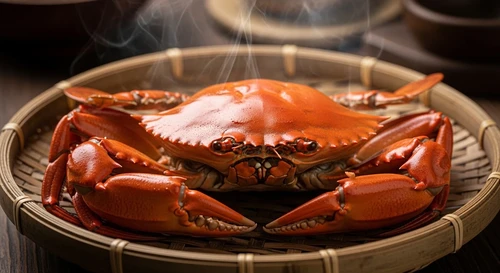
" In the heart of the Mekong Delta, where lifeblood flows through a network of rivers and canals, the humble crab is king. And nowhere is this more evident than at Ham Ninh Fishing Village on Phu Quoc Island. "
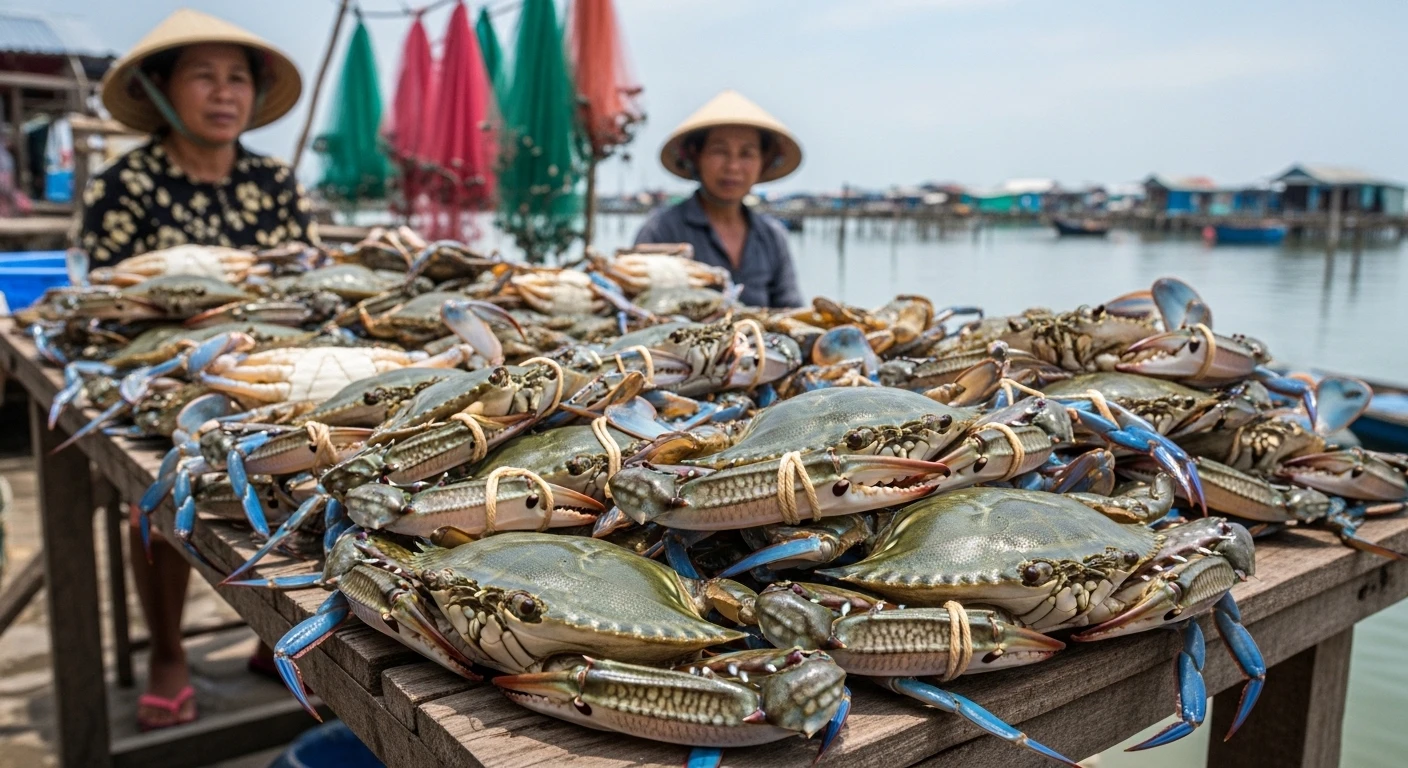
📸 A prime catch: The sought-after Grade 1 blue crabs ready for market.
1 The Summer Surge: Why Prices Climb
Ham Ninh Fishing Village, perched on the eastern coast of Phu Quoc Island, is renowned for its fresh seafood, particularly its vibrant blue crabs. This idyllic setting, with its stilted houses and bustling piers, becomes a hive of activity during peak tourist season. As the summer holidays descend upon Phu Quoc, so does a predictable surge in demand for its most coveted marine delicacies.
This year, the trend is no different. The influx of domestic and international tourists seeking the island's renowned culinary experiences has put immense pressure on the supply of fresh blue crabs. Fishermen bring in their catches, and the local markets, especially at Ham Ninh, are alive with the vibrant colors of seafood. However, the sheer volume of eager diners means that the prized crabs, particularly the premium Grade 1 specimens (typically weighing around 4 crabs per kilogram), are seeing their prices climb to new heights.
Seasonality
Summer months generally see higher demand across Vietnam for seafood, especially for popular items like fresh crab, as families and friends gather for meals.
Tourist Demand
Phu Quoc is a major tourist destination. Increased visitor numbers directly translate to higher consumption of local seafood, including the highly sought-after blue crabs.
The delicate balance between supply and demand is clearly tipping. While local fishermen work tirelessly, the sheer number of orders can quickly deplete reserves. This scarcity, coupled with robust consumer appetite, naturally drives up the market price. It's a familiar economic dance in many coastal communities, but one that highlights the value and desirability of Ham Ninh's blue crab.
2 Understanding "Grade 1": What You're Paying For
In the bustling markets of Ham Ninh, you'll often hear talk of "Grade 1" crabs. This isn't just a marketing term; it reflects a specific quality and size standard that fetches a premium. Grade 1 crabs, typically meaning around 4 specimens to a kilogram, are the plumpest, meatiest, and most desirable. They represent the pinnacle of the day's catch, offering the most substantial claws and body meat.
What Makes a Grade 1 Crab?
- Size: The most defining factor. Roughly 250 grams per crab.
- Meat Fill: Plump, firm flesh with no gaps.
- Shell Quality: Smooth, unbroken shell, indicating recent molting or good health.
- Claw Size: Substantial, heavy claws are a sign of good meat yield.
Beyond Grade 1
While Grade 1 commands the highest price, other grades exist. These might be slightly smaller, have less meat, or be nearing their molting cycle, making them less ideal for premium dining but still perfectly delicious.
The increased demand means that even these top-tier crabs are becoming harder to find at their usual prices. Enthusiasts and locals alike are witnessing prices push past previous benchmarks, making a plate of freshly steamed Grade 1 blue crabs a more significant investment this season.
3 From Mangroves to Markets: A Delta Staple
The relationship between the Mekong Delta and its crustacean bounty is ancient and profound. Beyond the tourist hubs of Phu Quoc, the vast mangrove forests and intricate waterways of the delta are vital ecosystems for various crab species. These aren't just commodities; they are ingrained in the region's identity, cuisine, and daily life.
Families across the delta have relied on crab fishing for generations, navigating the ebb and flow of tides and seasons. The methods of preparation are as diverse as the delta itself – from the simple elegance of steaming, often enjoyed with a sharp lime-salt-chili dip, to more complex dishes like crab noodle soup (Banh Canh Cua) or savory stir-fries.
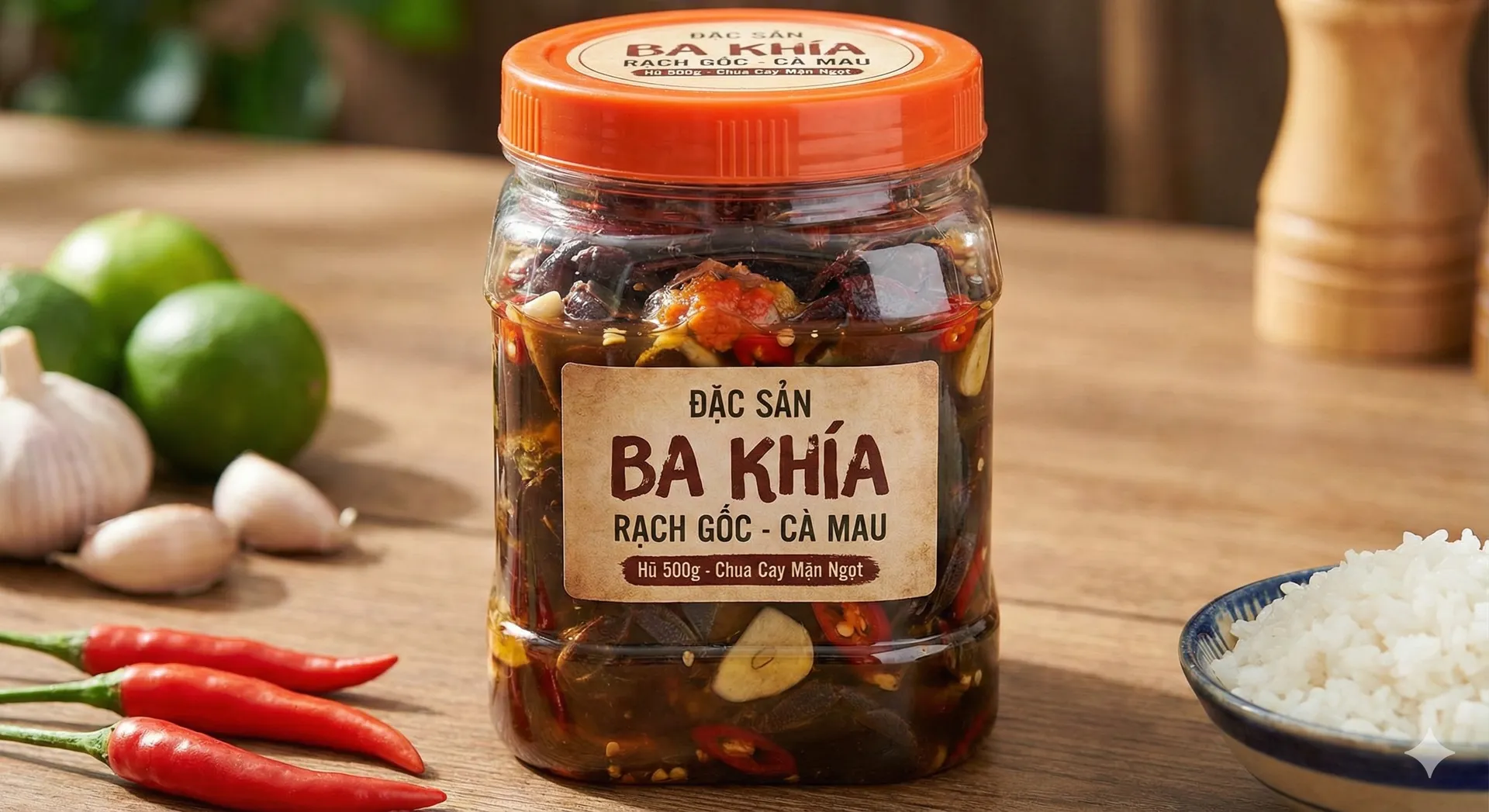
Heritage Ingredient
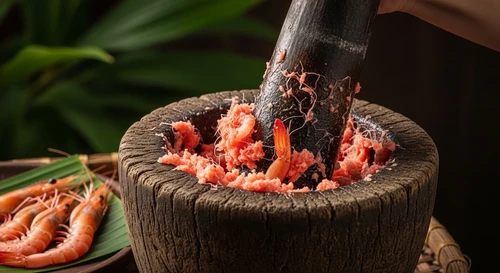
Fermented Mangrove Crab (Ba Khia)
Fermented Mangrove Crab (Ba Khia)
A traditional fermented crab specialty from the mangrove region of Rach Goc, often cited in articles about rustic Mekong Delta flavors and preserved seafood culture.
The salty-sour heartbeat of the wild south, where traditional fermentation turns forest crabs into a nostalgic explosion of rustic Mekong soul.
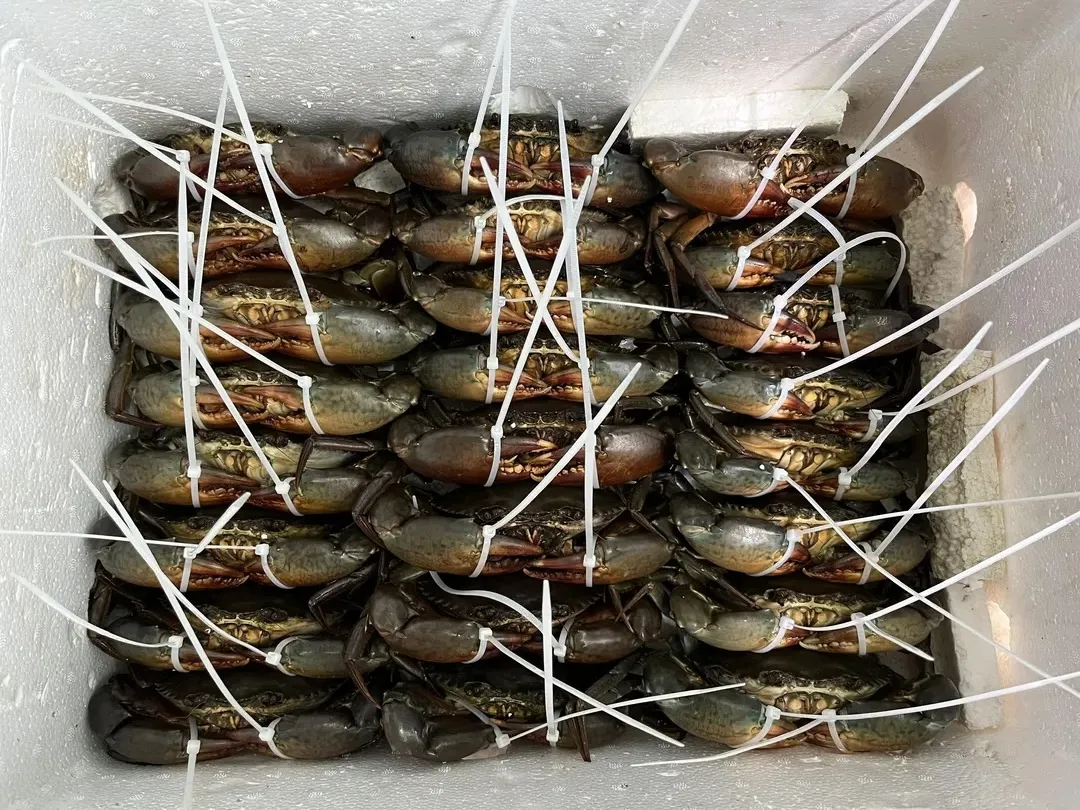
Heritage Ingredient
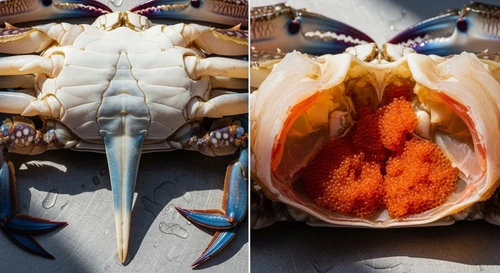
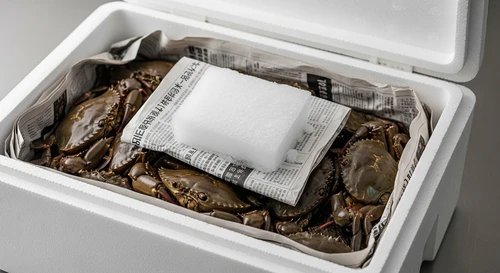
Export-Grade Ca Mau Roe Crab
Export-Grade Ca Mau Roe Crab
A carefully sorted roe crab selected for size, shell quality, and roe consistency, suitable for explaining premium grading in Vietnamese crab culture.
The pinnacle of perfection—pristine shells and bursting roe, meticulously selected to conquer the hearts of global gourmets.
The blue crabs of Phu Quoc, though perhaps more refined in their market presentation, are part of this larger culinary tapestry. Their increasing price point reflects not just a market trend, but the inherent value and deliciousness that the Mekong Delta's waters consistently yield. The coastal communities, like Ham Ninh, are on the front lines, connecting this natural abundance with the wider world.
4 Navigating the Price Hike: Tips for Food Lovers
For visitors to Phu Quoc, the rising crab prices might feel like a sting. However, there are ways to navigate the market and still enjoy the island's seafood treasures.
Consider Other Grades
While Grade 1 crabs are exceptional, don't dismiss slightly smaller or "Grade 2" crabs. They often offer fantastic flavor at a more accessible price point.
Explore Other Seafood
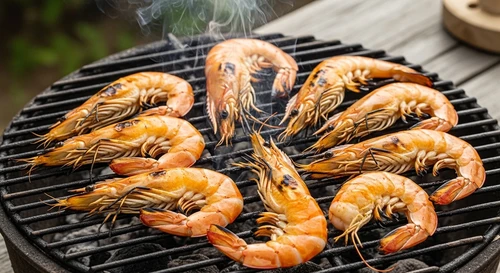
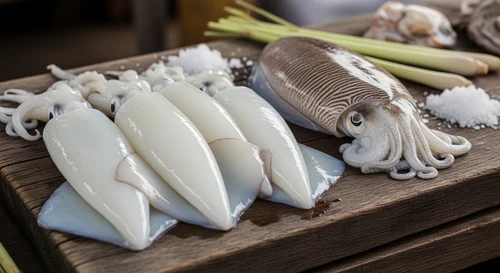
Phu Quoc is blessed with an abundance of other delicious seafood. Consider grilled fish, fresh prawns, or local shellfish, which might be less affected by the summer crab surge.
Local restaurants in Ham Ninh and across Phu Quoc understand these dynamics. They often offer set menus or daily specials that highlight the best available catches. Engaging with vendors and restaurant staff can also provide valuable insights into the best value and freshest options on any given day. It's always wise to ask about the daily catch and prices before ordering.
5 Beyond the Price Tag: The Ham Ninh Experience
Visiting Ham Ninh Fishing Village is more than just a transaction; it's an immersion into a working fishing community. The sight of weathered fishing boats, the aroma of salt and sea, and the lively chatter of vendors create an unforgettable atmosphere. Even with rising prices, the experience of witnessing the raw, authentic life of a coastal Vietnamese village is invaluable.
The charm of Ham Ninh lies in its unpretentious authenticity. You can watch fishermen mend their nets, see locals meticulously sort their catch, and perhaps even witness the journey of crabs from the boats to the bustling market stalls. This direct connection to the source of the food adds a layer of appreciation that transcends mere cost.

📸 The heart of the operation: Ham Ninh fishing village.
So, while the latest price updates for blue crabs at Ham Ninh reflect the vibrant, high-demand economy of Phu Quoc during its peak season, they also serve as a reminder of the value placed on these ocean gems and the hardworking communities that bring them ashore.
6 Looking Ahead: Sustainability and Tradition
The fishing traditions of Ham Ninh are as old as the island itself. For generations, the villagers have relied on sustainable practices, respecting the delicate balance of the marine ecosystem. While modern tourism brings new pressures, there's a strong undercurrent of commitment to preserving these age-old methods and the health of the waters that sustain them.
The current price fluctuations, while potentially concerning for some consumers, also serve as a testament to the quality and desirability of the blue crabs harvested here. As Phu Quoc continues to grow as a global destination, maintaining the integrity of its seafood supply chain and supporting the local fishing communities remains paramount. This means balancing economic demands with environmental stewardship, ensuring that the vibrant blue crabs of Ham Ninh continue to grace tables for generations to come. The market prices are a snapshot, but the enduring legacy is one of tradition, quality, and the deep connection between people and the sea.