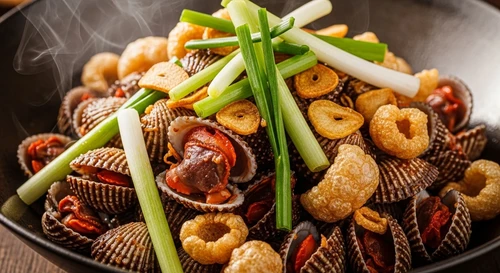
" The Mekong Delta, a labyrinth of waterways, is where the ocean's bounty meets the fertile earth. Its seafood is king, but that inherent "ocean funk" can be a chef's worst enemy. This isn't about masking flavor; it's about revealing the sweet, clean essence of the sea. "
1 The Southern Soul: Mekong's Aquatic Heartbeat
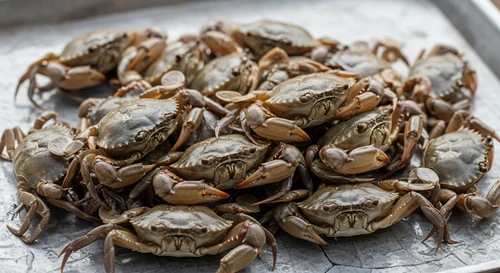
The Mekong Delta, a vast, intricate network of rivers, canals, and coastal mangroves, is a UNESCO World Biosphere Reserve for a reason. It's Vietnam's rice bowl, but it's also a treasure trove of aquatic life. From the brackish waters of Ca Mau to the freshwater expanses further inland, the sheer diversity of seafood is astounding. This region is renowned for its plump prawns, its succulent crabs—like the prized Ca Mau Jumbo Mud Crab and its firm, sweet squid.
But here's the catch: pristine isn't always odorless. Any seafood that has traveled from the depths of the ocean or the murky riverbed carries with it the subtle, sometimes overpowering, scent of its environment – what locals often call "tanh bùn" (mud smell) or simply the "ocean funk." For a chef, especially one aiming for delicate stir-fries or subtle steamed dishes, this is an unwelcome guest.
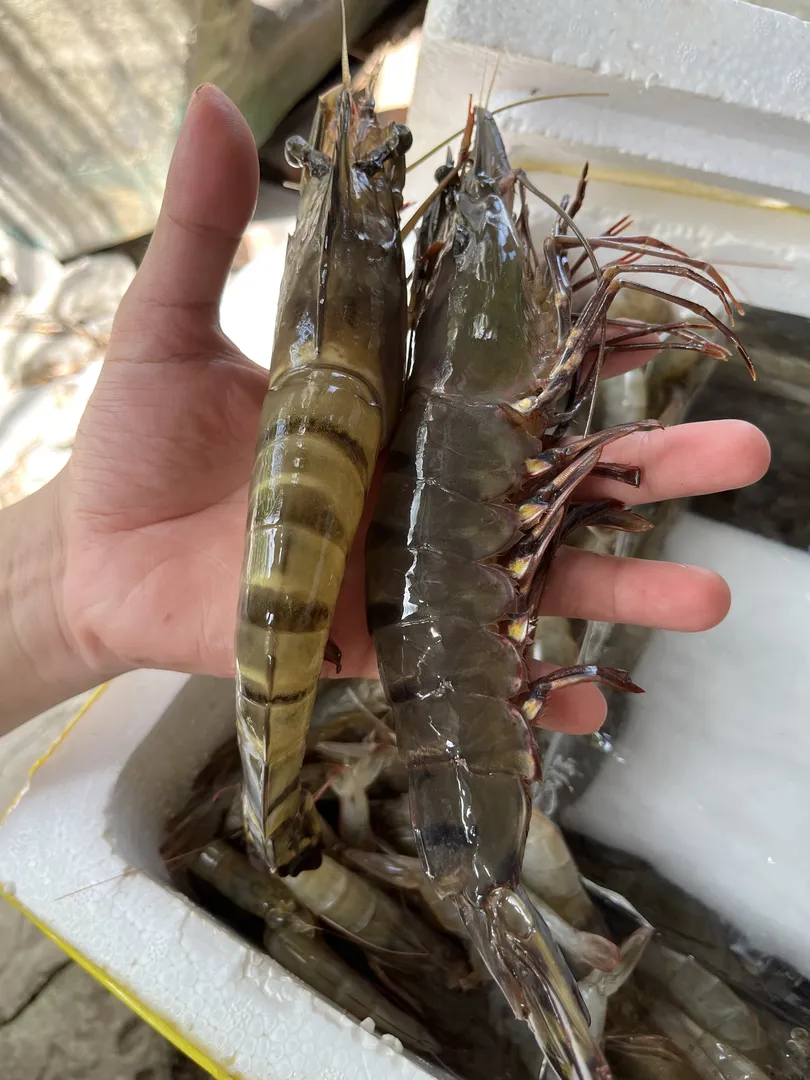
Heritage Ingredient
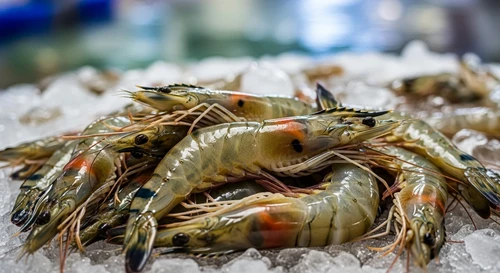
Ca Mau Black Tiger Shrimp
Ca Mau Black Tiger Shrimp
Large black tiger shrimp associated with mangrove aquaculture in Ca Mau, known for firm flesh and a cleaner, sweeter finish than intensively farmed shrimp.
Wild spirits of the mangroves, these black-banded gems deliver a firm, snappy texture and a sweetness that echoes the forest's vibrant life.

Heritage Ingredient
Mekong Giant Freshwater Prawn
Mekong Giant Freshwater Prawn
A river prawn with long blue claws and rich head fat, common in grilled prawn dishes and hotpot traditions across the Mekong basin.
Majestic blue-clawed warriors of the Mekong, famous for their rich, fatty heads and a savory depth that captures the essence of the delta's rivers.
Over generations, Vietnamese cooks, particularly in the South, have perfected techniques to not just mask, but *eliminate* these unwanted odors, revealing the true, unadulterated sweetness of the ingredients. This isn't about chemical deodorizers; it's about elegant, natural alchemy.
2 The Science of 'Fresh' - Why Squid Smells
Squid, like most cephalopods, contains compounds known as trimethylamine N-oxide (TMAO). When the squid dies, enzymes and bacteria begin to break down TMAO into trimethylamine (TMA), the primary culprit behind that pungent "fishy" smell. The longer it's out of the water or improperly stored, the more TMA is produced. Furthermore, squid often inhabit environments with sediment and algae, leading to residual earthy or muddy notes.
Our goal isn't to bleach the squid's flavor but to neutralize these volatile compounds, allowing its natural sweetness and delicate marine essence to shine through. This is where the magic of fermented rice water and pungent ginger wine comes in.
3 The Secret Weapon: Rice Water & Ginger Wine
Rice Water: The Gentle Cleaner
The milky liquid left after rinsing rice is a staple in many Asian kitchens, not just for cooking but for cleaning. It contains starches that act as a mild abrasive and absorbent, helping to lift away surface impurities and residual mud. Its slightly alkaline nature also helps to neutralize acidic odor compounds.
Ginger Wine: The Aromatic Warrior
Often a homemade concoction in Vietnamese households, ginger wine (or potent rice wine infused with ginger) is a powerhouse. The sharp, pungent oils in ginger are natural deodorizers and antimicrobials. Combined with the alcohol in the wine, they work synergistically to break down and volatilize TMA and other unpleasant scent molecules.
4 The Method: Gentle Squeeze, Ultimate Purity
Ingredients
- Fresh Squid: Cleaned (mantle, tentacles). Remove ink sac and cartilage.
- Rice Water: From the second rinse of rice.
- Ginger Wine: Or a good quality rice wine (like 'ruou gao') with fresh ginger finely minced and steeped for at least an hour.
- Salt: A pinch.
The Technique
- Prepare the Squid: If whole, slice the mantle into rings and separate tentacles. If small, leave whole.
- The Mix: In a bowl, combine a generous splash of rice water, a good glug of ginger wine, and a pinch of salt. You want enough liquid to coat the squid without drowning it.
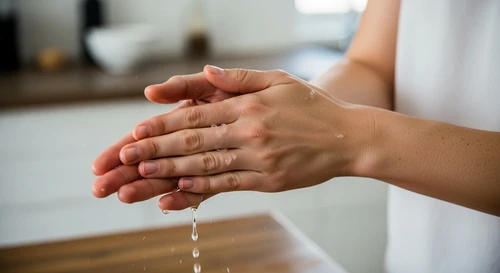
- Massage: Add the squid to the liquid. Using your hands, gently but firmly squeeze and massage the squid for 1-2 minutes. Work the liquid into every nook and cranny. Imagine you're giving the squid a spa treatment.
- Rest: Let the squid sit in the mixture for 5-10 minutes.
- Rinse: Drain the liquid and give the squid a final, thorough rinse under cold running water.

📸 Pristine and ready: The scent is now pure ocean, not ocean funk.
5 The Symphony of Flavors: Why This Method Excels
The beauty of this technique lies in its simplicity and effectiveness. Unlike heavy marinades that can overpower the squid, this method cleanses it. The result is squid that has:
- Neutral Aroma: No more lingering "muddy" or "fishy" notes.
- Subtle Sweetness: The natural sweetness of the squid is amplified.
- Tender Texture: The gentle massage and brief rest contribute to a more tender bite, crucial for quick stir-fries where overcooking is a constant threat.
When you then toss these pristine squid pieces into a hot wok with garlic, chilies, and perhaps some fresh Mekong greens, the pure, unadulterated flavor of the sea sings. It forms the perfect canvas for other vibrant ingredients without competing with them.
6 Beyond Squid: Adaptive Techniques from the Delta
The philosophy of cleaning and enhancing natural flavors is deeply embedded in Mekong Delta cuisine. While rice water and ginger wine are potent for squid, similar principles apply elsewhere:
- For Shrimp: A quick rinse with salted water, sometimes with a touch of lime juice, helps remove any briny residue and firm up the flesh.
- For Fish: Squeezing with salt and lime, or stuffing the cavity with ginger and lemongrass before cooking, are common ways to achieve a clean flavor profile.
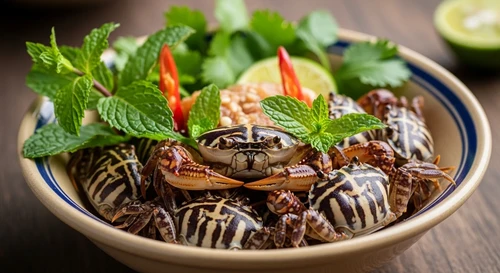
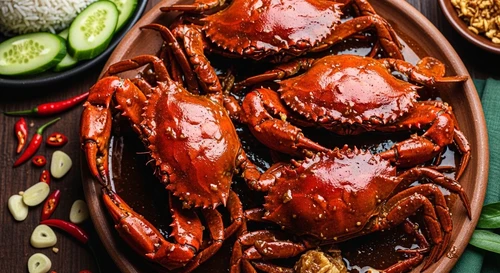
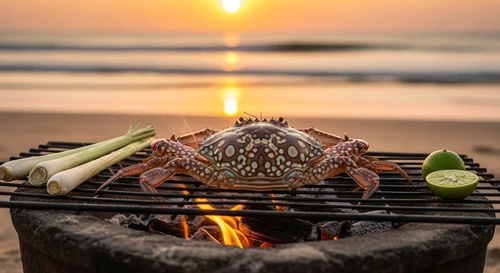
- For Crabs: Thorough scrubbing under running water is essential, often with a brush to remove any clinging sediment. Some cooks might add a splash of rice wine during steaming.
These aren't mere preparations; they are culinary rituals passed down through generations, ensuring that the soul of the Mekong's seafood is always honored and savored.
The Stir-Fry Finale: A Quick Dance in the Wok
Once your squid is prepped and pristine, it’s ready for its moment in the wok. Remember, squid cooks in seconds.
1. High Heat, Fast Cook
Get your wok screaming hot. Add a little oil, aromatics (garlic, chili), then the squid. Stir-fry for 60-90 seconds until opaque and slightly curled.
2. Add Veggies
Toss in your chosen vegetables (e.g., snap peas, bell peppers, onions). Cook for another minute until tender-crisp.
3. Sauce & Serve
A quick splash of oyster sauce, a dash of fish sauce, maybe a little soy. Stir to coat. Serve immediately over steaming hot rice.
A Taste of True Purity
This simple, time-tested technique is more than just a hack; it's a testament to the Vietnamese culinary philosophy of respecting ingredients. By understanding the "why" behind the "how," you can unlock the true, unadulterated sweetness of fresh squid, transforming your stir-fries from good to extraordinary.
So next time you pick up some glistening calamari, remember the gentle squeeze of rice water and the sharp embrace of ginger wine. It’s the Mekong Delta’s whisper, promising a cleaner, brighter, and more delicious taste of the sea.