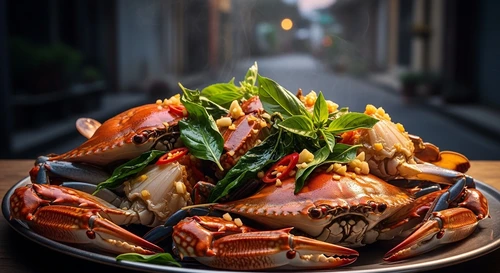
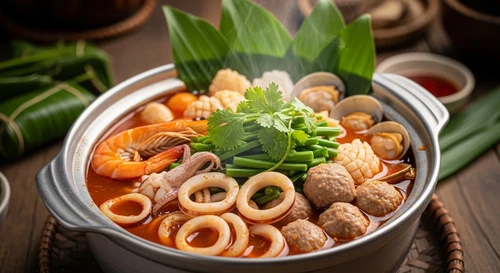
" In the bustling seafood markets of the Mekong Delta, from the floating stalls of Cai Be to the coastal shores of Ca Mau, presentation is king. A crab that arrives at your table with all its limbs intact isn't just food; it's a testament to respect for the ingredient and culinary finesse. "
1 The Shame of the Dropped Limb
There’s nothing quite as disheartening as cracking open the lid of your steamer to find a beautiful crab, only to see its legs have detached and curled awkwardly. It's a culinary faux pas, a sign that the cooking process, or perhaps the preparation, wasn't quite right. For those who source their seafood directly from the rich waters of Vietnam, like the famed mud crabs from Ca Mau, this is an avoidable tragedy.
The natural instinct of a crab is to protect itself. When faced with the sudden shock of high heat or rough handling, its survival mechanisms kick in. One of these is the ability to 'autotomize' – to shed a limb. While this is a fantastic evolutionary trait for escaping predators, it’s less desirable when you’re aiming for a restaurant-quality presentation.
Heritage Ingredient
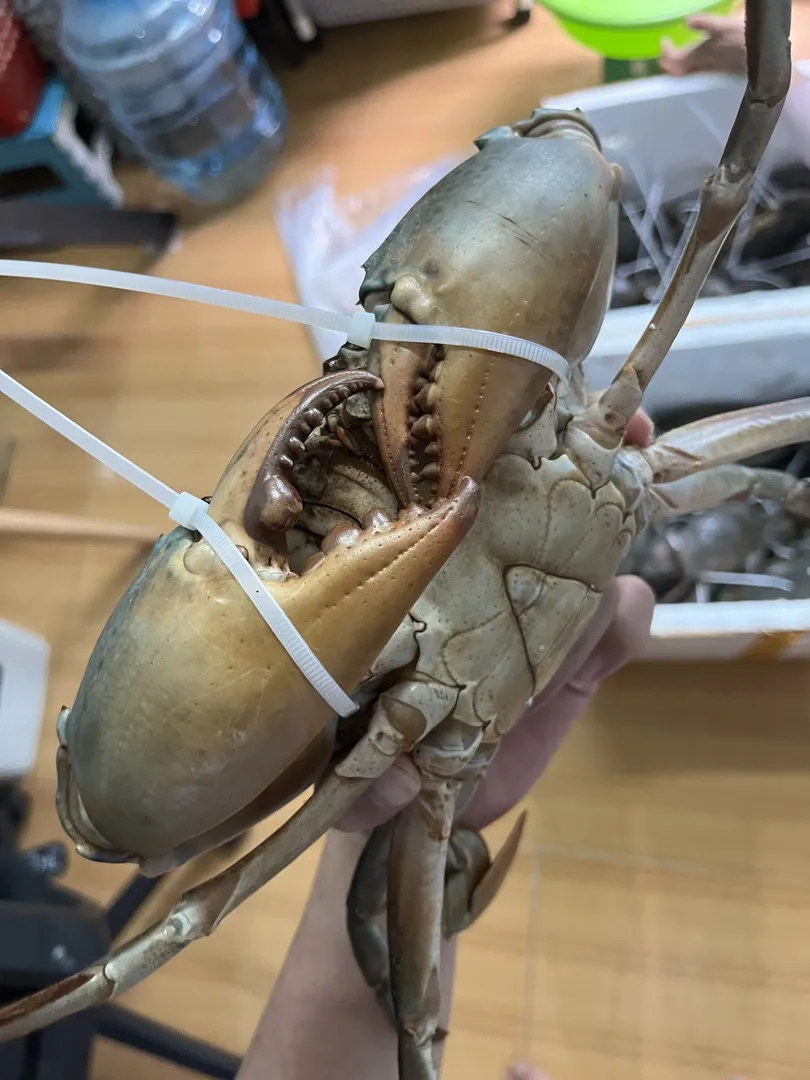
Ca Mau Jumbo Mud Crab
Ca Mau Jumbo Mud Crab
A large male mud crab prized for dense, sweet meat and thick claws, commonly used in steamed crab and grilled crab dishes across the Mekong Delta.
An icon of coastal culinary heritage, featuring firm, sweet meat that captures the raw power and freshness of Ca Mau's tides.
In the Mekong Delta, where seafood is life, the art of preparing it perfectly is passed down through generations. Whether it’s the rich, roe-filled female crabs destined for celebratory meals or the meaty males prized for their substantial claws, maintaining their form is crucial. So, what’s the secret? It’s not magic, but a bit of science and a touch of compassion.
2 Understanding the Crab's Nervous System
The key to preventing detached legs lies in how we handle the crab before it hits the heat. Crabs, like all crustaceans, have a decentralized nervous system. While they don't have a "brain" in the same way a mammal does, they have nerve ganglia that control their bodily functions. Targeting the primary nerve center is the most effective, and some would argue, the most humane way to prepare them for cooking.
The Nerve Center
The primary concentration of nerves, crucial for controlling limb movement, is located in the central part of the crab's body, often referred to as the 'mouthparts' or 'brain area'. A quick, precise intervention here can incapacitate the crab and prevent the autotomy reflex.
The Autotomy Reflex
When a crab feels threatened, it can trigger this reflex to shed a limb, either to escape a predator's grip or as a response to extreme stress. This reflex is primarily controlled by nerve signals emanating from the central ganglia.
3 The "Spa" Treatment: Anesthetizing & Piercing
The Ice Bath (Preferred by many chefs)
This is often considered the most humane method. Submerge the live crab in a bath of ice water for 15-20 minutes. This chills the crab, slowing its metabolism and rendering it sluggish and almost dormant. It effectively "anesthetizes" the seafood, ensuring it is completely still and unresponsive to heat.
Piercing the Nerve Center (The Direct Approach)
For a quicker, more direct approach, locate the crab's nerve center. This is typically where the legs meet the body, near the mouthparts. Using a sharp, sturdy skewer or the tip of a knife, pierce firmly and swiftly into this central point. This severs the main nerve pathways, instantly immobilizing the crab and preventing the leg-shedding reflex. This method requires confidence and precision.
4 The Art of the Steamer
Once your crab is properly prepared, the steaming itself is straightforward. The goal is to cook it evenly and gently, allowing its natural sweetness to emerge without any assistance from harsh fats or overpowering spices. This method is particularly celebrated in regions like Ca Mau, where the quality of the crab is paramount.
Steaming Essentials:
- Pot & Steamer Rack: Use a large pot with a tight-fitting lid and a steamer rack that keeps the crab above the water.
- Liquid: A small amount of water is sufficient. For added flavor, you can add aromatics like lemongrass, ginger, or a splash of rice wine, but keep it subtle to let the crab shine.
- Crab Placement: Place the prepared crab on the steamer rack, belly-down or on its side. Ensure it has space to cook evenly.
- Timing: Cooking time varies by size, but typically 12-20 minutes. The shell should turn bright red, and the meat firm and opaque.
- Don't Overcrowd: Steam crabs in batches if necessary to ensure they cook properly.
The controlled environment of the steamer, combined with the pre-treatment of the crab, ensures that the legs remain firmly attached. The steam cooks the crab gently, preserving its delicate texture and inherent flavors, a true reflection of the pristine waters from which it came.
5 Ca Mau's Coastal Treasures: Crab Culture
The province of Ca Mau, located at the southernmost tip of Vietnam, is synonymous with some of the country's finest seafood, especially its mud crabs. The intricate network of rivers, canals, and mangrove forests creates an ideal environment for these crustaceans. Here, crab fishing is not just an industry; it's a way of life, deeply intertwined with the local culture and cuisine.
Heritage Ingredient
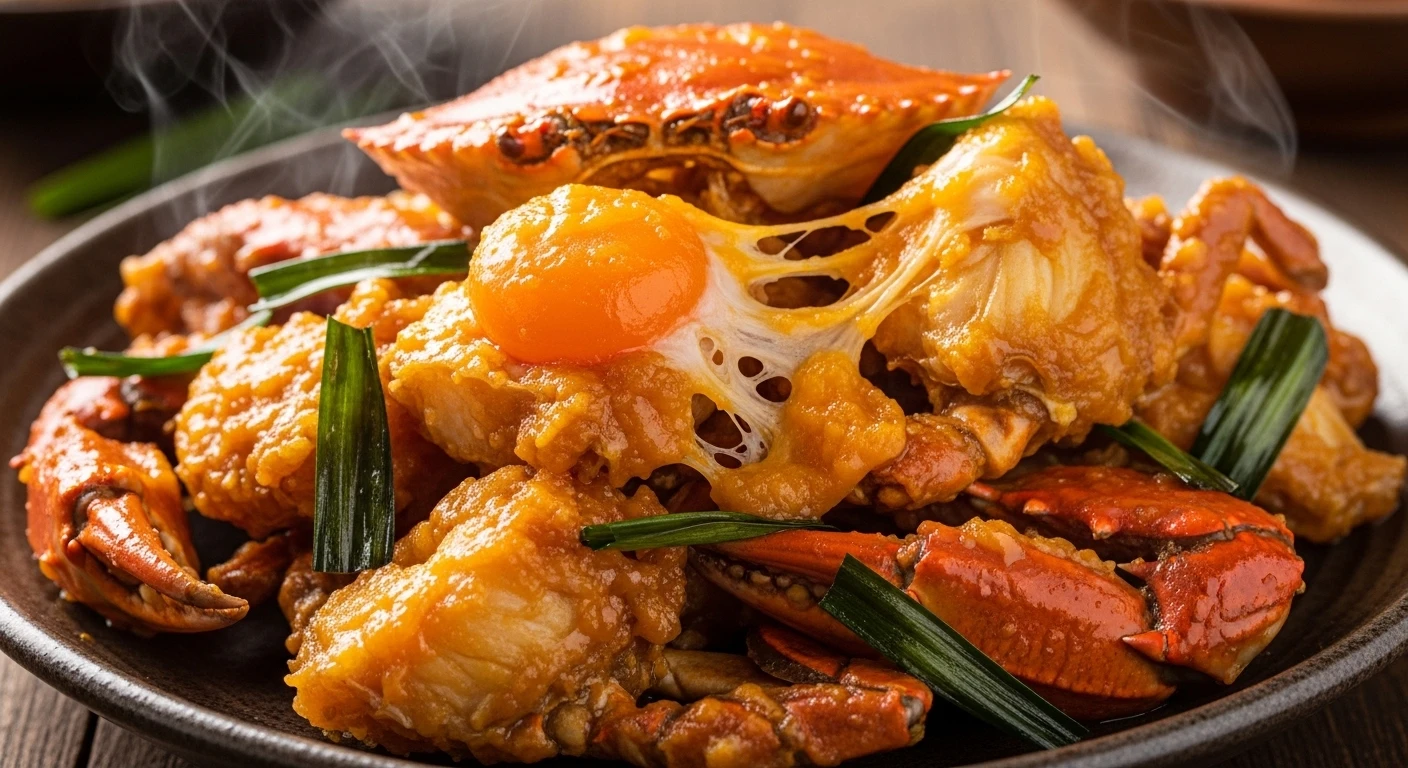
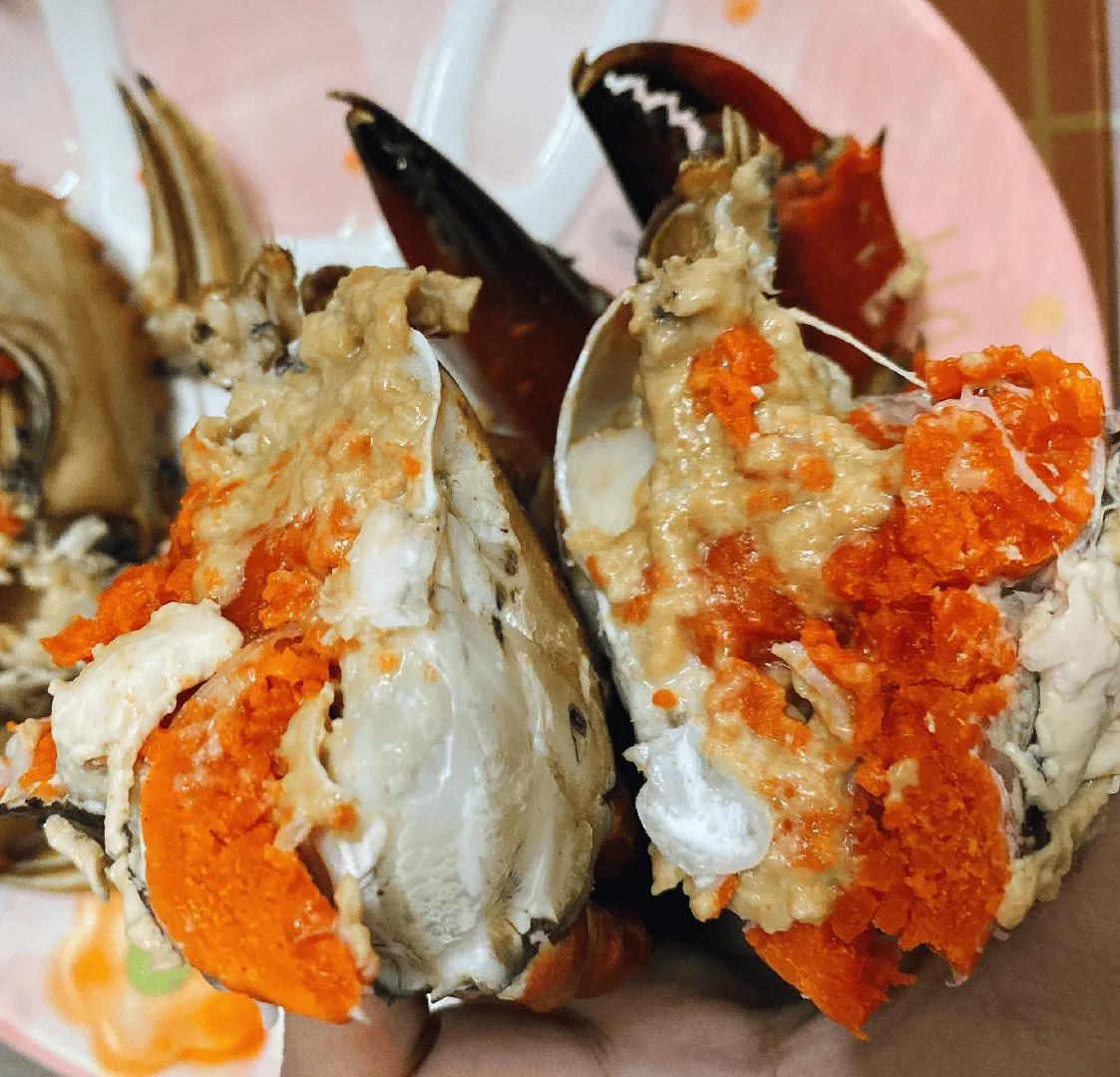
Ca Mau Roe Mud Crab
Ca Mau Roe Mud Crab
A female mud crab known for deep orange roe and a rich, creamy finish, often featured in celebratory Southern Vietnamese seafood meals.
A crimson treasure hidden within a shell, boasting rich, creamy roe that melts on your tongue like a golden sunset over the delta.

Heritage Ingredient
Ca Mau Mudskipper
Ca Mau Mudskipper
A mangrove mudskipper from Ca Mau, often grilled with chili salt and featured in articles about unusual delta seafood and mudflat ecosystems.
The acrobatic spirit of the mudflats, delivering a fragrant, smoky flesh that embodies the untamed beauty of Ca Mau's mangrove world.

Mekong Floating Markets
Vendors often display their crabs artfully, with all legs and claws securely attached, a point of pride.
Local chefs and home cooks alike understand the importance of presentation. A steamed crab with all its limbs intact signals freshness, care, and a commitment to quality that is deeply respected. This meticulous approach is what elevates simple steamed crab from a mere meal to a culinary art form. It's about honoring the hard work of the fishermen and the bounty of the Mekong.
6 The Perfect Accompaniment
Steamed crab, especially when prepared using these methods, is best enjoyed with simple, bright accompaniments that don't mask its delicate flavor.
Dipping Sauce
A classic Vietnamese dipping sauce for seafood is a mix of fresh lime juice, finely minced garlic, a touch of sugar, a pinch of salt, and fresh chili. Some also add a spoonful of fish sauce or soy sauce. For crab, a simple salt and pepper mix with lime wedges is also perfect.
Garnish
Fresh cilantro, lime wedges, and thinly sliced chilies add visual appeal and complementary flavors. The key is to let the crab be the star.
7 Pitfalls on the Path to Perfection
❌ Using Frozen Crab:
❌ Overcrowding the Steamer:
❌ Using Too Much Water:
8 The Reward: Pristine Presentation
Mastering this simple technique transforms your steamed crab from a rustic dish into a visually stunning centerpiece. It's a nod to the culinary traditions of the Mekong Delta, where respect for ingredients is paramount.
Whether you choose the tranquil ice bath or the decisive nerve center piercing, the result is a perfectly presented crab, ready to be savored. This isn't just about aesthetics; it’s about experiencing the true essence of fresh crab, uncompromised and beautifully intact. So next time you steam, remember this little trick. Your guests, and your taste buds, will thank you.