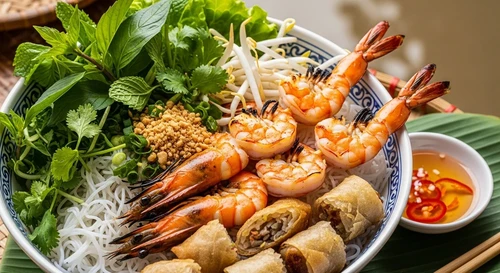
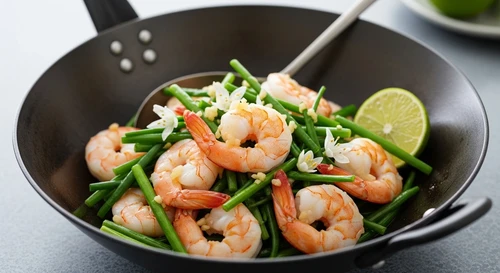
" There's a primal magic in grilling over charcoal. It’s not just heat; it's a dance between flame, smoke, and the pure essence of the sea. But anyone can turn a beautiful piece of shrimp into a black, rubbery tragedy. That's not grilling; that's cremation. "

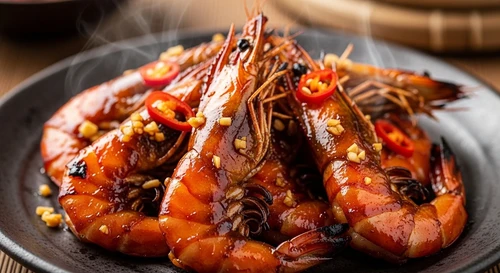
📸 The coveted char: Golden-brown with just the right amount of smoky kiss.
1 Echoes from the Waterways: Charcoal Grilling in the Delta
Along the intricate network of rivers and canals that define the Mekong Delta, charcoal grilling isn't just a cooking method; it's a ritual. In the coastal regions of Ca Mau, where mangrove forests meet the sea, fishermen and their families have honed this technique for generations. They rely on the freshest catch – plump Ca Mau Black Tiger Shrimp, firm river prawns, or even the elusive mudskipper – and the elemental power of fire.
The challenge is always the same: to imbue the seafood with that irresistible smoky aroma and perfect char without turning it into a dry, bitter husk. This isn't about complex marinades. It's about respecting the ingredient and mastering the flame. The subtle sweetness of delta seafood, often nurtured in brackish waters and mangrove ecosystems, demands a delicate touch.
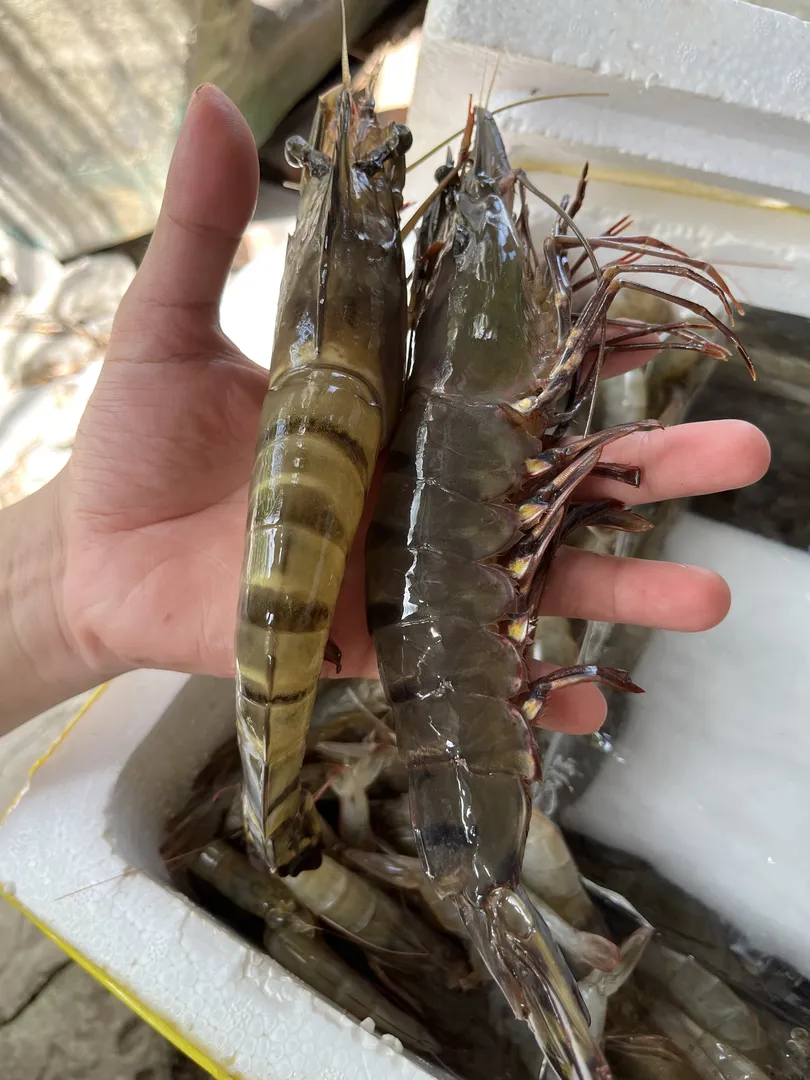
The prized Ca Mau Black Tiger Shrimp, perfect for a fiery kiss.

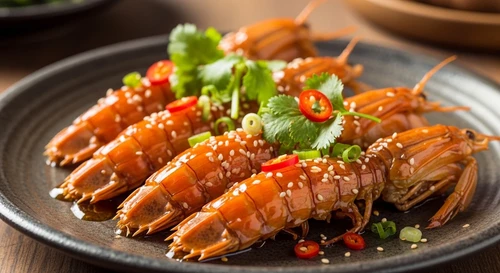
Even the humble Ca Mau Mudskipper shines when grilled over hot coals.
2 Taming the Embers: Your Grill's Mood Swing
The biggest enemy of perfectly grilled seafood is uneven, scorching heat. Charcoal grilling is an art of temperature management. You want glowing embers, not a raging inferno.
Heat Zones
Create two heat zones: one with a dense layer of glowing coals (hot zone) and another with fewer coals or no coals (cooler zone). This allows you to sear quickly and then move seafood to finish cooking gently.
Flare-Up Control
Fat dripping onto coals causes flare-ups, which lead to charring. Keep a spray bottle of water handy to douse small flames, or lift the seafood to a cooler zone until they subside. Never blast directly at the food.
The Glow Test
Wait until the coals are covered in a fine white ash and no longer have active flames. This indicates consistent, manageable heat. You should be able to hold your hand a few inches above the grate for only 3-4 seconds.
3 The Slick Solution: Oil, Butter, and the Non-Stick Secret
Seafood, especially delicate shrimp and squid, can stick to the grill grates like they're glued. This is the first step towards burnt offerings. The solution is simple: a barrier.
The Elixir
Mix equal parts neutral cooking oil (like canola, grapeseed, or light olive oil) with melted unsalted butter.
- Cooking Oil: Provides a high smoke point and helps prevent sticking.
- Butter: Adds richness, flavor, and helps create a beautiful golden-brown crust.
Application is Key
Lightly brush this mixture onto your seafood just before placing it on the grill. For shrimp, focus on the shell and the meat surface. For squid, brush both sides of the rings or tentacles.
- Tip: If grilling whole fish or larger items, brush the grates themselves with the oil/butter mixture.
4 The Quick Sear: Shrimp & Squid
Seasoning Time
Pat your shrimp or squid completely dry. Season generously with sea salt and freshly cracked black pepper. For a taste of home, consider a pinch of chili flakes or a rub of garlic powder.
Coat and Go
Brush your prepared oil and butter mixture liberally over the seasoned seafood. This is your non-stick armor and flavor enhancer.
Hot Zone Debut
Place seafood directly over the hot zone of your charcoal grill. You should hear a satisfying sizzle. Cook shrimp for 1-2 minutes per side until pink and opaque. Squid rings need even less time, just 30-60 seconds per side, until lightly opaque and slightly curled.
Rest & Serve
Remove immediately from the grill to prevent overcooking. Let them rest for a minute or two before serving with a fresh squeeze of lime or your favorite dipping sauce. The key is to serve them right off the grill.
5 From Prawns to Whole Fish: Delta Grilling Stars
The principles of charcoal grilling extend beautifully to other Mekong Delta seafood treasures. The same attention to heat management and the oil-butter barrier apply.
Mekong Giant Freshwater Prawns
These magnificent prawns, with their striking blue claws, are ideal for grilling. Brush them with your elixir, season well, and grill them butterflied, cut-side down first, over medium-high heat for a few minutes until the flesh is opaque. The rich fat in the head is a delicacy.

Whole Fish (e.g., Snapper, Tilapia)
Score the sides of the fish to ensure even cooking and a beautiful presentation. Stuff the cavity with lemongrass, ginger, and lime. Brush the entire fish generously with the oil-butter mixture and grill over medium heat, turning once, until the flesh flakes easily. Aim for that crispy skin!
The Perfect Partners: Sauces that Sing
Grilled seafood from the Mekong Delta rarely relies on heavy, overpowering sauces. Simplicity and freshness are key.
1. Nuoc Cham (Fish Sauce Dip)
The ubiquitous Vietnamese dipping sauce: Fish sauce, lime juice, sugar, garlic, and chili. A true all-rounder.
2. Lime Salt & Pepper
A simple, zesty classic. Freshly squeezed lime juice mixed with sea salt and cracked black pepper. Perfect for shrimp and prawns.
3. Spicy Seafood Sauce
A richer blend often featuring chili, garlic, ginger, lemongrass, and a touch of condensed milk for creaminess. Ideal for larger items or if you crave heat.
Pro Tips from the Riverbanks
🔥 When is "ready"?
💨 What kind of charcoal?
🍃 Can I add aromatics?
The Taste of the Tide
Charcoal grilling seafood is more than just a technique; it's an experience deeply tied to the rhythms of the Mekong Delta. It's about the smoky aroma drifting on the humid air, the crackle of the fire, and the taste of the sea, perfectly captured. By understanding your heat, preparing your surface, and respecting the quick cooking time, you can unlock that sought-after char without the burnt bitterness. So, gather your ingredients, fire up the coals, and let the primal dance begin. Your taste buds will thank you for it.