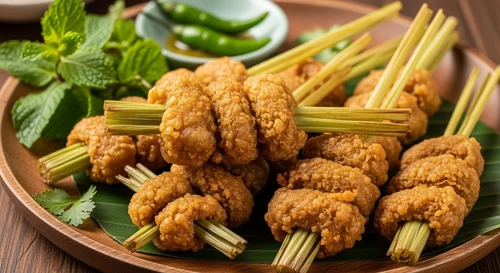
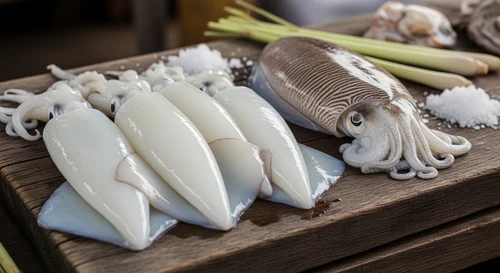
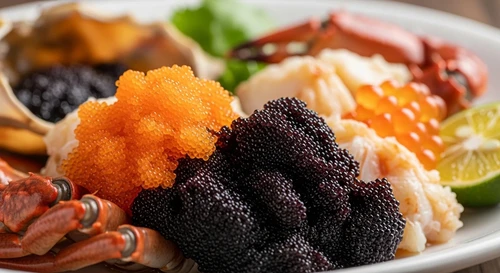
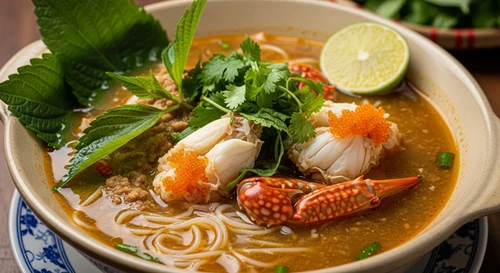
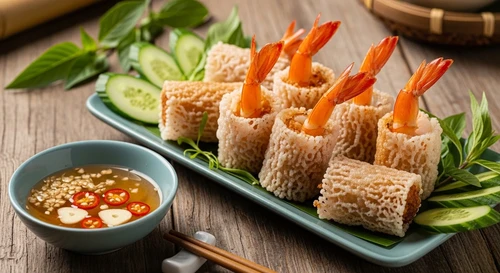
" The internet is a vast ocean, teeming with culinary treasures. But beware, for the same waters also hide predatory scams, disguised as the catch of a lifetime. "

📸 The grim reality: Not the promised feast.
1 The Allure of the Mekong's Kings
The Mekong Delta, a labyrinth of rivers, canals, and emerald rice paddies, is Vietnam's agricultural heartland. It's also a vital source of some of the country's most prized seafood. Among these, the mud crab, particularly those from the coastal province of Ca Mau, hold a special place. These aren't just any crabs; they are often large, meaty, and bursting with sweet, dense flesh – the true kings of the delta's waters.
Imagine, for a moment, a colossal mud crab, claws thicker than a man's wrist, its shell a deep, earthy brown. That's the kind of specimen that fetches a premium price in restaurants and markets across Vietnam and beyond. These giants, often exported, represent the pinnacle of delta seafood. They are symbols of abundance, a taste of the wild, untamed Mekong.
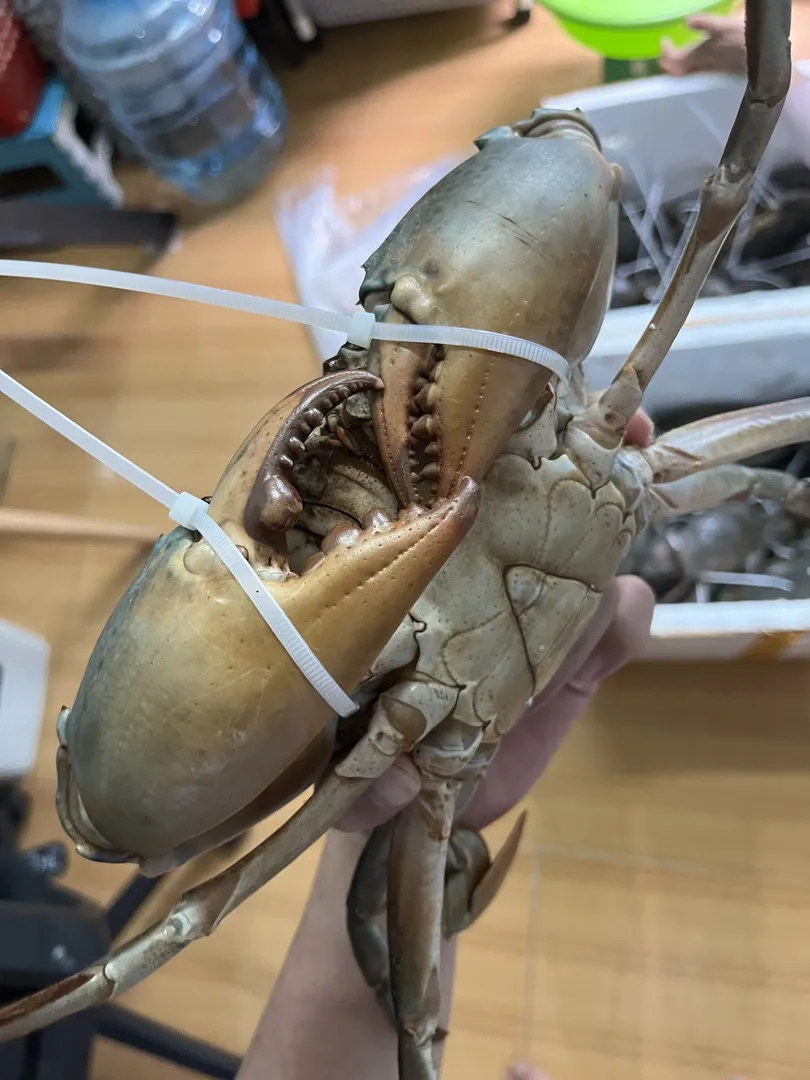
Heritage Ingredient
Ca Mau Jumbo Mud Crab
Ca Mau Jumbo Mud Crab
A large male mud crab prized for dense, sweet meat and thick claws, commonly used in steamed crab and grilled crab dishes across the Mekong Delta.
An icon of coastal culinary heritage, featuring firm, sweet meat that captures the raw power and freshness of Ca Mau's tides.
The celebrated mud crab of Ca Mau, known for its rich meat.
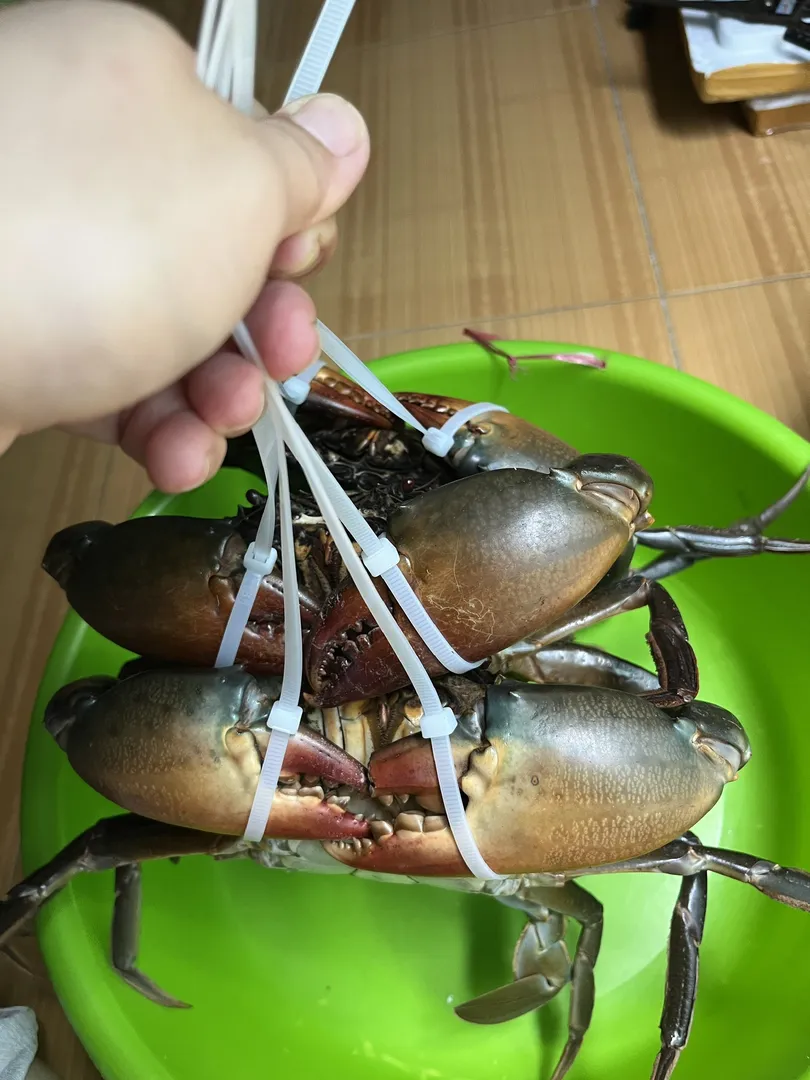
Heritage Ingredient
Giant Ca Mau Mud Crab
Giant Ca Mau Mud Crab
A larger export-grade mud crab with dramatic claws and thick meat, often used to illustrate oversized crab categories in Vietnamese seafood markets.
A titan of the ocean, offering colossal claws filled with muscular, succulent meat that elevates every feast into a royal experience.
Large, export-grade crabs are the stuff of dreams for seafood lovers.
For years, the genuine article – the plump, succulent Ca Mau mud crab – has been a culinary benchmark. It's the crab you see on celebratory tables, the one ordered for special occasions. Its price reflects its quality, size, and the sometimes-treacherous journey of harvesting it from the coastal mangroves and brackish waters.
This inherent value, this reputation for quality and expense, makes it a prime target for scammers. When Facebook feeds are flooded with ads promising "Jumbo King Crabs, 500,000 VND/kg – Warehouse Clearance Sale!", the temptation is almost irresistible for anyone who knows the true market value of such a delicacy.
2 The Siren Song of "Warehouse Clearance"
The modus operandi is depressingly familiar. Scammers create enticing Facebook pages or profiles, often featuring stolen, high-quality images of impressive crabs. They claim to be clearing out excess stock from a "warehouse," a "port," or a "frozen shipment" that has gone wrong. The narrative is always the same: incredible deals, limited stock, and an urgent need to offload.
The price point is key: "500,000 VND per kilogram" (roughly $20 USD/kg). For a genuine king crab of significant size, this price is an unbelievable steal. A quick search reveals that such crabs typically retail for double, triple, or even more. This massive discount is the hook.
The next step is the demand for a deposit. Buyers are instructed to transfer a portion of the total cost upfront via bank transfer or e-wallet. This deposit is where the scam truly solidifies. Once the money is sent, the scammers either disappear entirely, or they eventually ship a product so woefully substandard that it borders on fraudulent misrepresentation.
- Unbelievable Prices: If a deal seems too good to be true, it almost certainly is.
- Urgency Tactics: "Limited stock," "Last chance," "Warehouse sale ends today!"
- No Physical Address/Storefront: Scammers operate online, making it hard to verify their existence.
- Upfront Payment Only: Legitimate businesses offer COD or secure payment gateways.
- Poor Quality Photos/Vague Descriptions: Stolen images, generic product details.
- New/Suspicious Facebook Pages: Pages with few followers, recent creation dates, or generic content.
3 The Unboxing Horror
The screenshots shared by victims paint a grim picture. Instead of plump, vibrant crabs, they receive items that are anything but. Reports describe:
- Foul Odor: The crabs are often rotten, emitting a stench of decay that fills the entire home.
- Reject Quality: Crabs with broken shells, missing legs, shriveled meat, or signs of disease are common.
- Wrong Species: Sometimes, what's delivered isn't even a high-quality mud crab, but smaller, inferior species misrepresented as "king crabs."
- Dehydrated Shells: The "meat" inside is dry and stringy, a far cry from the succulent flesh promised.
Hundreds of posts on Vietnamese social media forums and consumer groups detail these experiences. "Housewives," eager to save money and treat their families, pooled their resources, only to be met with this disgusting disappointment. The financial loss is significant, but the emotional toll – the betrayal, the anger, the feeling of being duped – is often far worse.
A Victim of Its Own Success?
While these scams are global, Vietnam's booming e-commerce and the high value of its seafood exports create a fertile ground. Scammers exploit both local desire for good deals and the international allure of Vietnamese delicacies.
Global Reach
Facebook and other platforms transcend borders, allowing scammers to target a wide audience.
E-commerce Boom
Increased online shopping in Vietnam means more potential victims are comfortable transferring money digitally.
High-Value Goods
Seafood, particularly premium items like king crabs, are high-value targets, making the potential profit for scammers greater.
It's a stark contrast to authentic regional delicacies from the Mekong, like fermented mangrove crabs (Ba Khia), where the taste is intentionally preserved and complex, not simply rotten.
5 Navigating the Digital Marketplace Safely
Protecting yourself from online seafood scams requires vigilance and skepticism. Here's what to keep in mind:
Verify the Seller
Look for established businesses with physical addresses, legitimate websites, and positive, verifiable reviews. Check the Facebook page's history, engagement, and authenticity. Beware of pages created only recently with mass generic posts.
Scrutinize the Deal
If the price is astronomically lower than the market rate, it's a major red flag. Research current prices for the specific type and size of crab you are interested in.
Payment Methods
Be wary of sellers who insist on upfront bank transfers or mobile money deposits with no other payment options. Legitimate vendors often offer Cash on Delivery (COD) or secure online payment gateways that provide buyer protection.
Trust Your Gut
If something feels off – the language is too pushy, the claims are too wild, or the seller is evasive – it's best to walk away. There are plenty of reputable seafood vendors online and offline.
What If You're Scammed?
If you've fallen victim to such a scam:
Report to Facebook
Contact Your Bank/Payment Provider
Report to Authorities (if applicable)
7 Beyond the Scam: Seeking Authenticity
The experience of being scammed can leave a bitter taste, but it shouldn't deter you from seeking out the genuine culinary treasures of the Mekong Delta. The region offers an unparalleled abundance of fresh, delicious seafood, prepared with centuries of tradition.
For the best experience, bypass the dodgy Facebook deals and seek out reputable seafood restaurants in cities like Can Tho, or in the coastal towns of Ca Mau and Bac Lieu. Visit local markets early in the morning to see the day's catch – you'll witness the vibrant trade that fuels the region's kitchens.
Whether it's a perfectly steamed Heritage Ingredient Ca Mau Jumbo Mud Crab A large male mud crab prized for dense, sweet meat and thick claws, commonly used in steamed crab and grilled crab dishes across the Mekong Delta. An icon of coastal culinary heritage, featuring firm, sweet meat that captures the raw power and freshness of Ca Mau's tides. Heritage Ingredient Fermented Mangrove Crab (Ba Khia) A traditional fermented crab specialty from the mangrove region of Rach Goc, often cited in articles about rustic Mekong Delta flavors and preserved seafood culture. The salty-sour heartbeat of the wild south, where traditional fermentation turns forest crabs into a nostalgic explosion of rustic Mekong soul.Ca Mau Jumbo Mud Crab
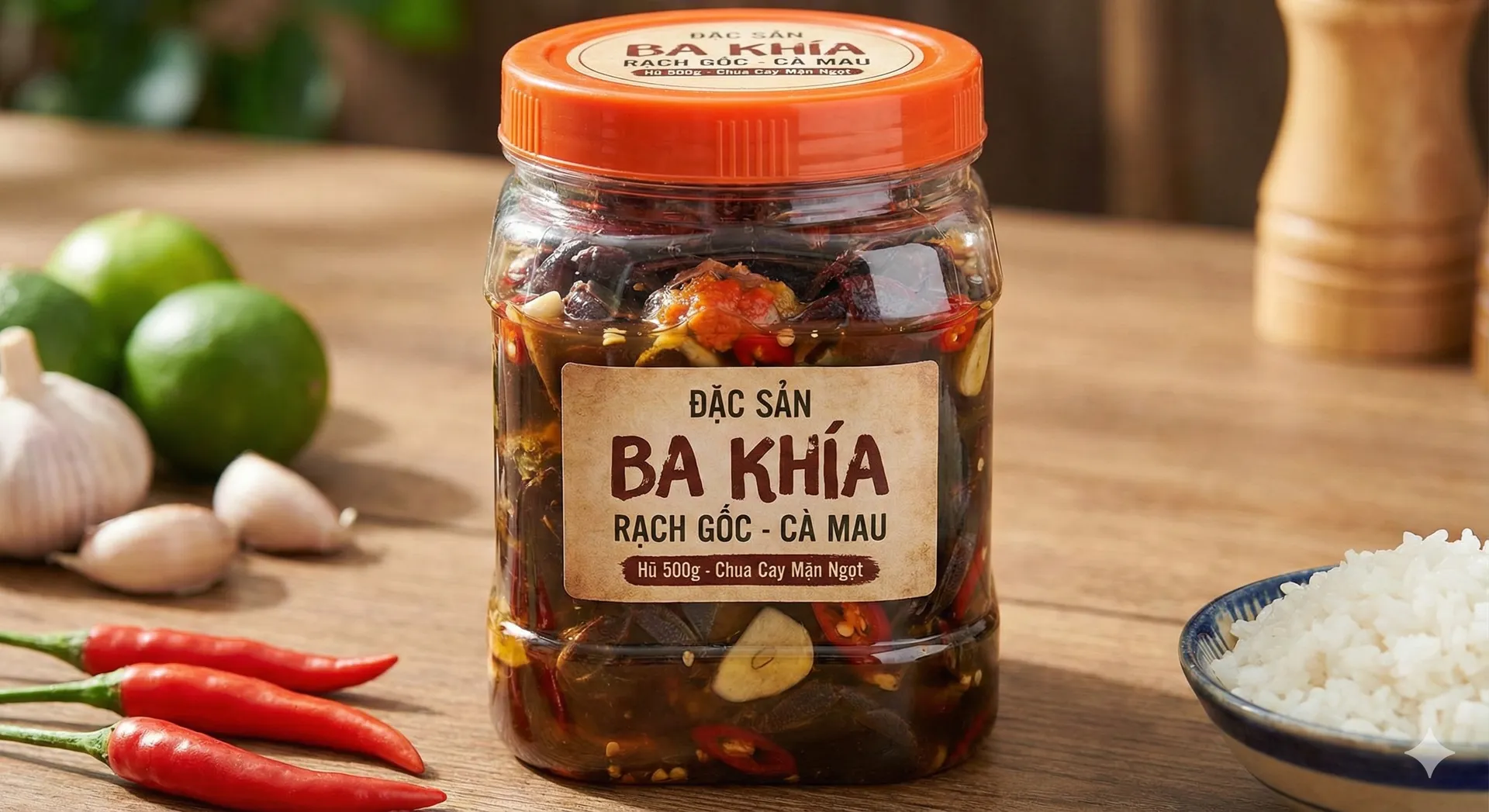
Fermented Mangrove Crab (Ba Khia)
8 A Word to the Wise
The allure of a bargain is powerful, especially when it promises a taste of luxury like a giant king crab. However, the internet's anonymity makes it a double-edged sword. While it offers access to incredible food and culinary knowledge, it also provides a breeding ground for deception.
Let the stories of those who fell prey to the "warehouse clearance" king crab scam serve as a cautionary tale. Be discerning, do your research, and prioritize authenticity and reputation over unbelievable deals. The true taste of the Mekong Delta is a treasure, but it's one that should be earned through genuine experience, not lost to a fraudulent click.