" Forget the fermented, funky *ba khia* for a moment. There's another way to treat those tiny, tenacious crabs that crawl along the mangrove edges of the Mekong. This is about immediate gratification – a crunchy, sticky, sweet-and-sour explosion that'll have you licking your fingers clean. "
1 The Fiddler Crab: A Mekong Delta Icon
These aren't your jumbo Dungeness or meaty mud crabs. Fiddler crabs, or ba khia in Vietnamese, are the small, ubiquitous crustaceans that thrive in the brackish waters and mudflats of the Mekong Delta. You'll see them scuttling en masse near the mangroves, their oversized claws – often held aloft like a conductor's baton – giving them their name. They are a symbol of coastal livelihoods, caught by hand or small nets, and they represent a more rustic, accessible side of Vietnam's incredible seafood bounty. While many know them for their pungent, fermented cousins, this preparation is all about freshness and vibrant flavor.
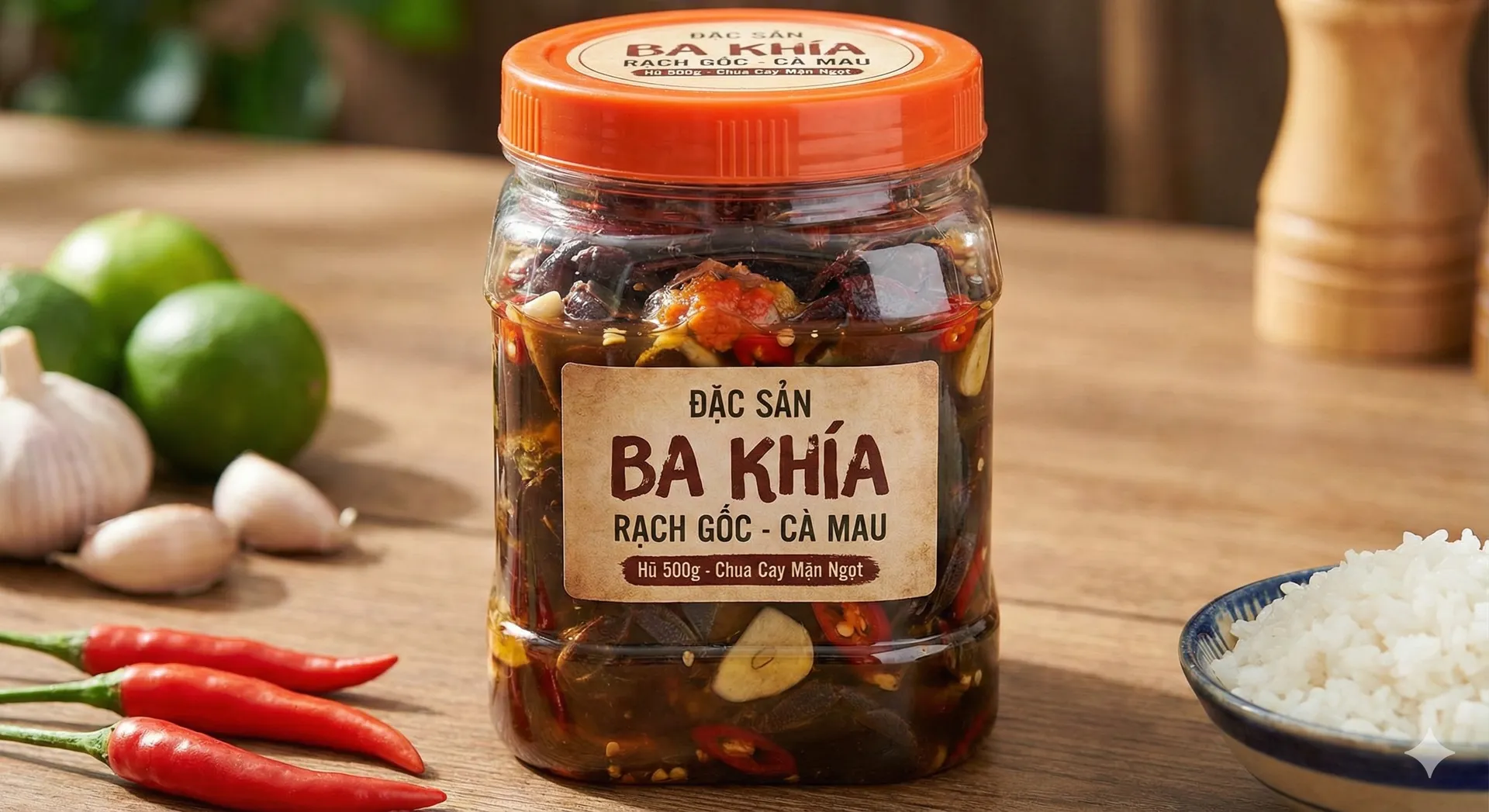
Heritage Ingredient
Fermented Mangrove Crab (Ba Khia)
Fermented Mangrove Crab (Ba Khia)
A traditional fermented crab specialty from the mangrove region of Rach Goc, often cited in articles about rustic Mekong Delta flavors and preserved seafood culture.
The salty-sour heartbeat of the wild south, where traditional fermentation turns forest crabs into a nostalgic explosion of rustic Mekong soul.
2 Why Skip the Fermentation (Sometimes)?
Fermented ba khia is a deeply traditional dish, often preserved in salt and brine for months. It's an acquired taste, intensely savory, sour, and pungent – a true umami bomb. But for many, especially those new to the flavor profile, it can be a bit much. This recipe offers an immediate, accessible experience. By cooking them fresh, we preserve their subtle sweetness and ensure a delightful crunch that even the most sensitive palates will appreciate. It's a gateway into enjoying these small crabs without the intense funk.

📸 The finished product: A glossy, caramelized coating clinging to every shell.
3 The Sauce: A Symphony of Sweet, Sour, and Savory
The magic here lies in the sauce. Tamarind paste is the star, providing that essential tangy backbone. We balance it with sugar (palm sugar is ideal for its caramel notes, but white or brown sugar works), a touch of fish sauce for that crucial savory depth, and aromatics like garlic and chili. The trick is to cook it down until it’s thick and sticky, creating a glaze that coats the crabs beautifully and caramelizes as it fries.
Tamarind Glaze Ingredients:
- 2-3 tablespoons tamarind paste (seedless)
- 2 tablespoons sugar (palm sugar preferred)
- 1 tablespoon fish sauce
- 2-3 cloves garlic, minced
- 1-2 bird's eye chilies, thinly sliced (adjust to heat preference)
- 2 tablespoons cooking oil
- 1/4 cup water (or more, as needed to achieve desired consistency)
4 The Technique: Crispy Shells, Sticky Glaze
This is a rapid-fire stir-fry. The goal is to cook the crabs quickly until their shells are delightfully crisp, then toss them in the reduced tamarind sauce until they are beautifully coated. A hot wok is your best friend here. Don't overcrowd the pan; cook in batches if necessary. The key is high heat and constant movement.
Prep is Key
- Crabs: Wash fresh fiddler crabs thoroughly under running water. Trim any gills or dirty bits. You can leave them whole – shell and all – for maximum crunch.
- Sauce: Mix all sauce ingredients (tamarind, sugar, fish sauce, water) in a small bowl.
- Aromatics: Mince the garlic and slice the chilies.
Cooking Steps
- Heat oil in a wok or large skillet over medium-high heat.
- Add minced garlic and sliced chilies. Stir-fry until fragrant (about 30 seconds).
- Add the washed fiddler crabs to the wok. Stir-fry for 3-5 minutes until their color deepens and they start to crisp up.
- Pour the prepared tamarind sauce mixture over the crabs. Toss well to coat.
- Continue to stir-fry for another 5-8 minutes, allowing the sauce to reduce and thicken, becoming a glossy glaze. The crabs should be fully cooked and crispy. Add a splash more water if it gets too dry.
- Taste and adjust seasoning if needed – more sugar for sweetness, more fish sauce for saltiness, or a squeeze of lime for extra tang.
5 Mekong Delta Flavors & Context
This dish is a direct reflection of the Mekong Delta's coastal and riverside culinary traditions. The use of fresh seafood, tamarind, chili, garlic, and fish sauce are foundational flavors. Fiddler crabs are a testament to the region's rich biodiversity and the resourcefulness of its people, who have learned to harness every edible morsel from the environment. You might find these served as a casual snack at a riverside stall in Ca Mau or Bac Lieu, paired with a cold beer, or as part of a larger family meal. The simplicity of the ingredients belies the depth of flavor achieved, a common theme in Vietnamese home cooking.
Consider the accompanying flavors: a squeeze of fresh lime and a sprinkle of salt and pepper are traditional, but this tamarind glaze is already a complete flavor package. It’s the kind of dish that brings people together, encouraging communal eating and conversation. Imagine sitting by the water, the evening breeze cooling the air, and a plate of these sticky, crunchy crabs in front of you. That’s the essence of Mekong Delta dining.

Heritage Ingredient
Ca Mau Mudskipper
Ca Mau Mudskipper
A mangrove mudskipper from Ca Mau, often grilled with chili salt and featured in articles about unusual delta seafood and mudflat ecosystems.
The acrobatic spirit of the mudflats, delivering a fragrant, smoky flesh that embodies the untamed beauty of Ca Mau's mangrove world.
6 Serving Suggestions & Pairing
These tamarind-roasted fiddler crabs are best served hot, straight from the wok. They are a fantastic appetizer, a crunchy bar snack, or even a light main course when paired with steamed rice. The shell is edible, and the joy is in the crunch and the subsequent effort to extract every bit of sweet meat from the legs and body. Don't be shy – dive in with your hands!
Pairing: They’re excellent with a cold, crisp lager (like a Bia Saigon or Tiger beer), a refreshing coconut water, or a chilled glass of white wine that has good acidity to cut through the sweetness of the glaze.
7 Tips for the Best Crunch
Use Fresh Crabs:
This cannot be stressed enough. Freshness is paramount for flavor and texture.
Hot Wok, Hot Oil:
Ensure your wok and oil are properly heated before adding the crabs. This sears them quickly, encouraging crispiness.
Don't Crowd the Pan:
Overcrowding leads to steaming rather than frying. Cook in batches if your wok isn't large enough.
Reduce the Sauce:
Cook the sauce down sufficiently so it becomes sticky and clings to the crabs, caramelizing nicely without becoming burnt.
Serve Immediately:
These are best enjoyed right after cooking, while the shells are still warm and supremely crunchy.
8 A Taste of the Wild Coast
This dish is more than just a snack; it's a connection to the rugged beauty and culinary ingenuity of Vietnam's coastal communities. It speaks of resourceful cooking, where humble ingredients are transformed into something utterly delicious. The next time you find yourself near the coast of the Mekong Delta, or if you’re lucky enough to source some fresh fiddler crabs, give this recipe a try. Embrace the crunch, savor the tang, and let it transport you to the sun-drenched mangrove shores.
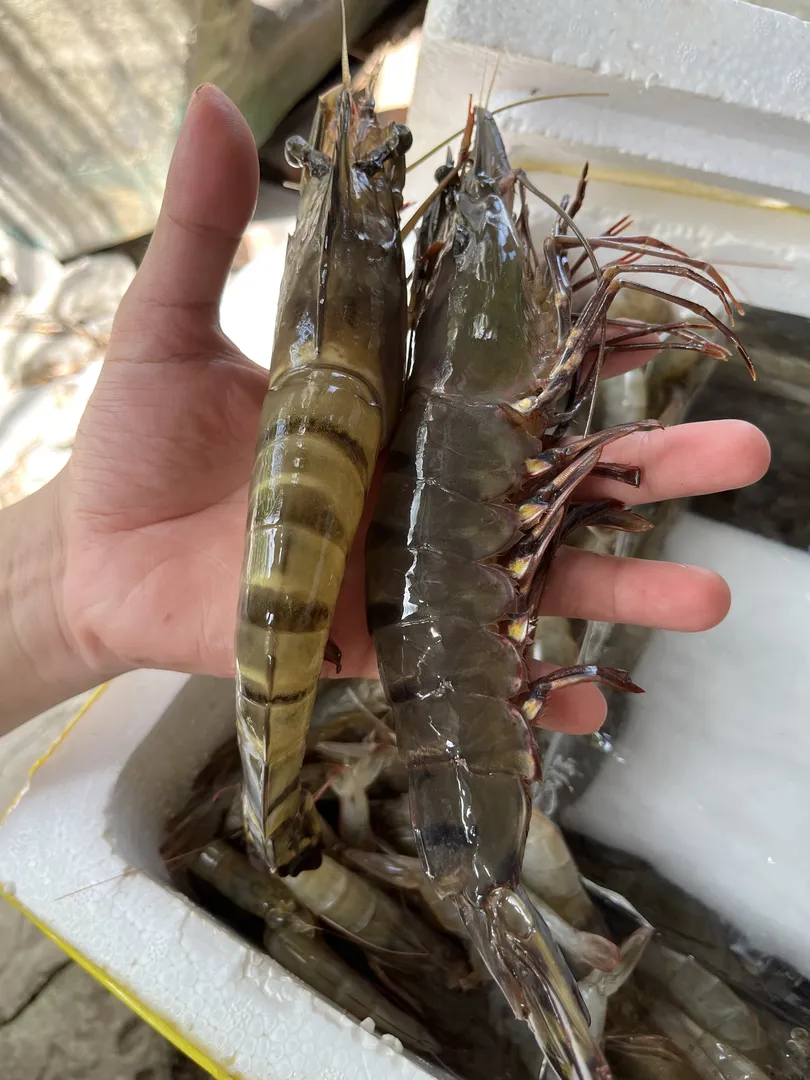
Heritage Ingredient
Ca Mau Black Tiger Shrimp
Ca Mau Black Tiger Shrimp
Large black tiger shrimp associated with mangrove aquaculture in Ca Mau, known for firm flesh and a cleaner, sweeter finish than intensively farmed shrimp.
Wild spirits of the mangroves, these black-banded gems deliver a firm, snappy texture and a sweetness that echoes the forest's vibrant life.
Trending Tags:
More Mekong Delights
View More Food & Culinary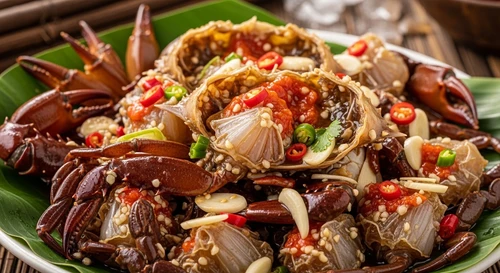
The Ice Water Trick: Keeping Mixed Ba Khia Crunchy for Days
Don't let your crab go mushy. The secret restaurant technique of using an ice bath before tossing in the sugar-lime dressing.
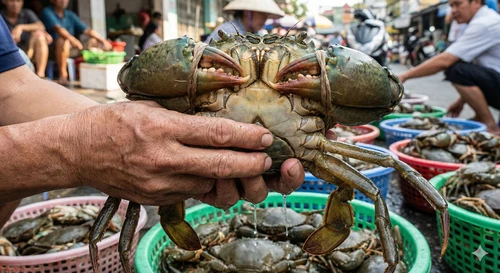
How to Tell if a Live Crab is Full of Meat (Not Hollow)
Use your smartphone flashlight! A simple trick to check the meat density of a crab before paying for it.
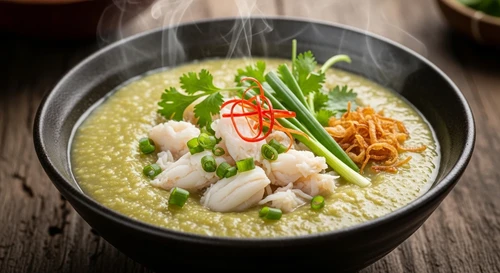
Mung Bean & Crab Porridge for Summer Cooling
Whole mung beans cooked into a smooth porridge with refreshing mud crab meat to cool down the body quickly.
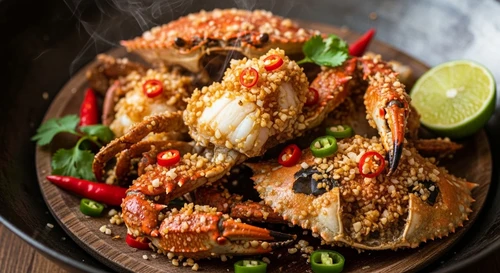
Salt and Chili Toasted Crab (Cua Rang Muoi): Spicy, Salty, Addictive
If you love spicy food, this classic Vietnamese seafood preparation will blow your mind. Perfect with a cold beer.
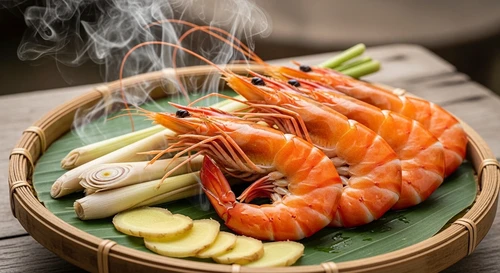
Beer-Steamed Giant Tiger Prawns with Smashed Lemongrass
How to time your steaming perfectly so the massive prawns don't shrink, retaining their bouncy texture and natural sweetness.
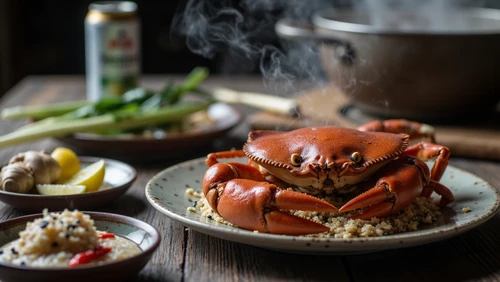
Beer Steamed Crab with Lemongrass
The most basic yet perfect seafood steaming recipe to keep the claws intact and lock in the natural sweet juices.
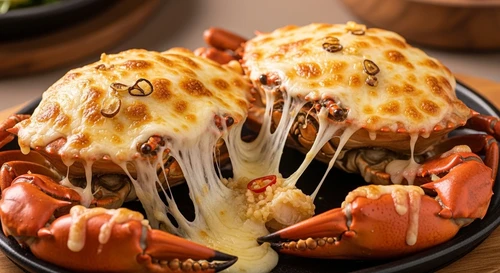
Cheese Baked Mud Crab with Stretchy Mozzarella
Halved mud crabs smothered in rich, creamy Mozzarella cheese and baked until golden brown and fragrant.
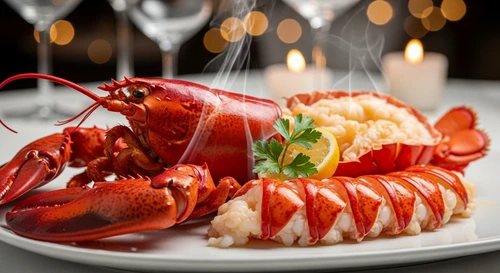
White Wine Steamed Alaska Lobster for a Romantic Anniversary
How to prep a live lobster and steam it in French white wine to remove any brininess and elevate its sophisticated flavor.
Beer-Steamed Crab with Lemongrass: The Ultimate Weekend Dish
A quick and easy Vietnamese recipe combining fresh Ca Mau crab, local beer, and fragrant lemongrass.