" In the misty mangroves and bustling river markets of the Mekong Delta, few things spark as much culinary curiosity – and occasional confusion – as the color of a crab's roe. Forget the bright, sunny orange you might expect. Sometimes, it's dark, almost black. And for the uninitiated, that can be a signal to push the plate away. But here, that's where the real adventure begins. "

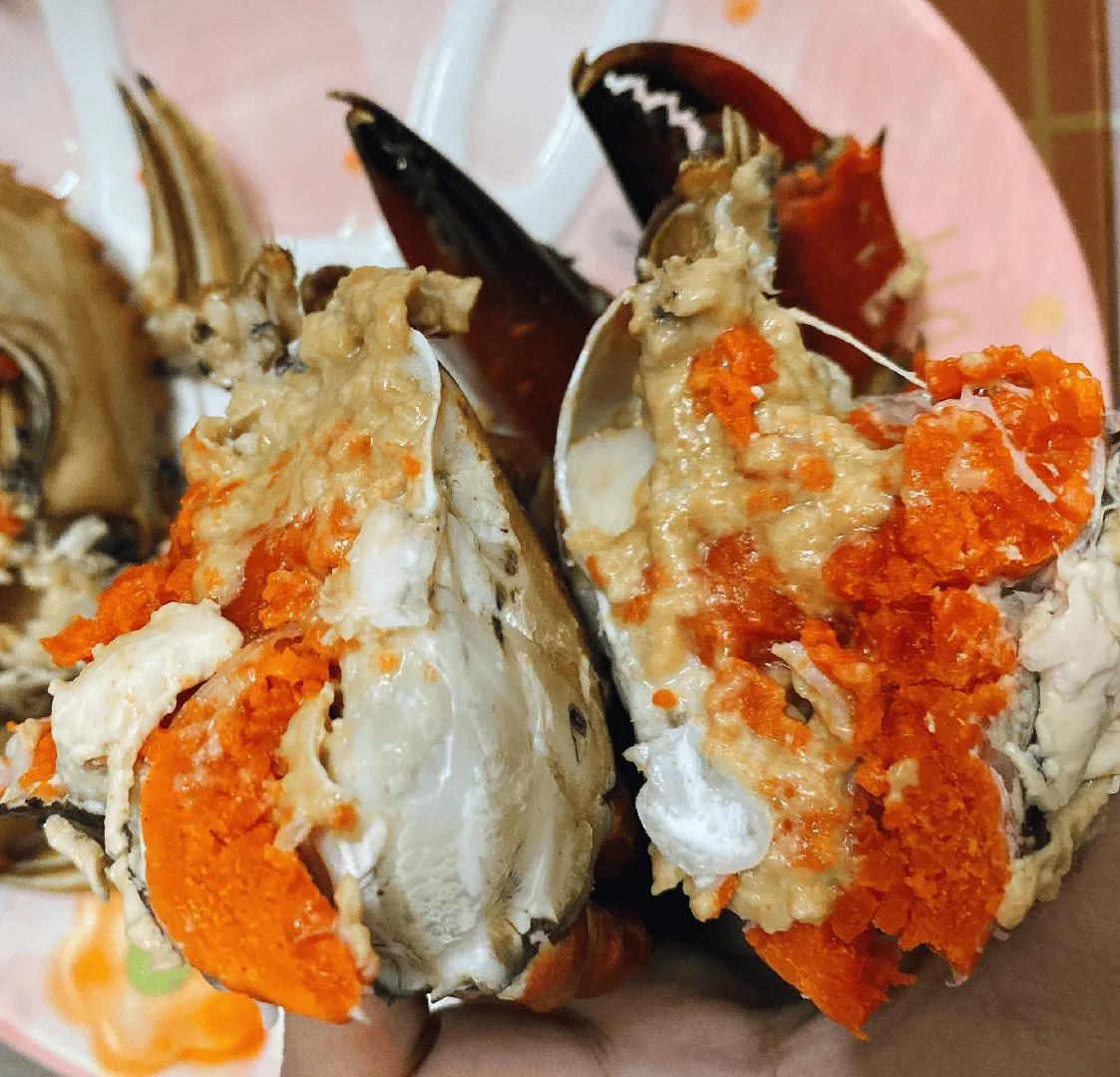
📸 The enigma: Dark roe nestled beside lighter, more familiar colors on a steaming platter.
1 Unpacking the Crab's Life Cycle: What's in a Color?
In the waters off Ca Mau, a region synonymous with Vietnam's finest seafood, crabs are more than just a meal; they are a living barometer of the ecosystem. The color of a crab's roe isn't a sign of spoilage, but a chapter in its reproductive story. Understanding this requires a peek into the intricate world of crustaceans.
Most commonly, the vibrant orange roe you see in many crabs is the **vitellogenin**, a nutrient-rich substance that will eventually develop into eggs. This is particularly prevalent in female crabs that are mature and ready to spawn. It’s packed with lipids and proteins, giving it that rich, almost creamy texture and intense flavor that connoisseurs adore.
But what about the dark, sometimes nearly black roe? This usually indicates the presence of **melanin**. Melanin is a pigment found in many organisms, including humans, and it serves various protective functions. In crabs, the appearance of melanin in the roe can be attributed to several biological stages and environmental factors:
- Maturity and Hormonal Changes: As a female crab nears the point of external egg-laying, her body undergoes significant hormonal shifts. These changes can influence the composition and color of the developing roe. The dark pigment might be a precursor to the egg capsule's outer layer or related to the internal processes of maturation.
- Diet and Environment: The crab's diet, influenced by the unique brackish waters of the Mekong Delta's coastal areas, can also play a role. Trace minerals or specific algae consumed by the crab might contribute to pigment development. Think of it as nature's way of coloring the food source based on what the earth offers.
- Older or "Virgin" Crabs: Sometimes, the dark roe is associated with older female crabs that have reproduced multiple times or, conversely, with younger crabs that are just beginning their reproductive journey and whose roe composition is still developing. The term "virgin crab" (cua yem vuông) in Vietnam often refers to a young female crab, and while not always black, its roe can present differently than that of a fully mature, spawning crab.
The key takeaway here is that dark color does **not** equate to being spoiled or unsafe. In fact, many believe the dark roe, particularly when it's a deep, almost purplish-black, offers a more complex, intensely savory, and slightly mineral flavor profile.
From Mangrove to Market: The Mekong's Coastal Bounty
The Mekong Delta, with its vast network of rivers, canals, and coastal plains, is the lifeblood of Vietnam's seafood industry. Provinces like Ca Mau, Bac Lieu, and Soc Trang are renowned for their premium crab harvests, cultivated in the rich, brackish waters of the mangrove forests.
Ca Mau Crab
Prized for its sweet meat and signature roe. The dark roe is a familiar sight to locals here, particularly in the coastal fishing communities.
Mangrove Ecosystem
The complex diet available in the mangroves influences the crab's health and the nuances of its roe.
Culinary Tradition
For generations, Mekong Delta dwellers have learned to appreciate the subtle differences, knowing when dark roe is a sign of quality, not a flaw.
Local chefs and home cooks in these regions have long understood that dark roe often signifies a crab that is particularly rich and full-bodied, especially if it’s approaching its spawning cycle. This isn't just biology; it's ingrained culinary wisdom passed down through families.
3 The Verdict: Safe to Savor?
Absolutely, unequivocally, yes. Provided the crab was healthy and fresh when cooked, dark crab roe is perfectly safe to eat and often a delicacy. It's a matter of taste and a testament to the crab's biological state.
In fact, many seafood enthusiasts actively seek out female crabs with rich, dark roe. When cooked, this roe can develop a texture ranging from creamy to slightly granular, and its flavor is often described as more pungent, earthy, and intensely 'crabby' than its orange counterpart. It's a flavor that pairs exceptionally well with simple preparations that allow its unique character to shine.
Consider the prized roe of the Ca Mau mud crab. While often a deep orange, there are times when you'll encounter batches of this dark, almost black roe, particularly from crabs harvested in specific seasons. These are often considered the most valuable, reserved for discerning palates.
The Classic Roe Crab
Female crabs with well-developed roe are a staple in Southern Vietnamese cuisine. While often orange, understanding the spectrum of colors is key.
Heritage Ingredient
Ca Mau Roe Mud Crab
Ca Mau Roe Mud Crab
A female mud crab known for deep orange roe and a rich, creamy finish, often featured in celebratory Southern Vietnamese seafood meals.
Where every ingredient captures the essence of the wind and tides, weaving a vibrant culinary tapestry of the Mekong region.
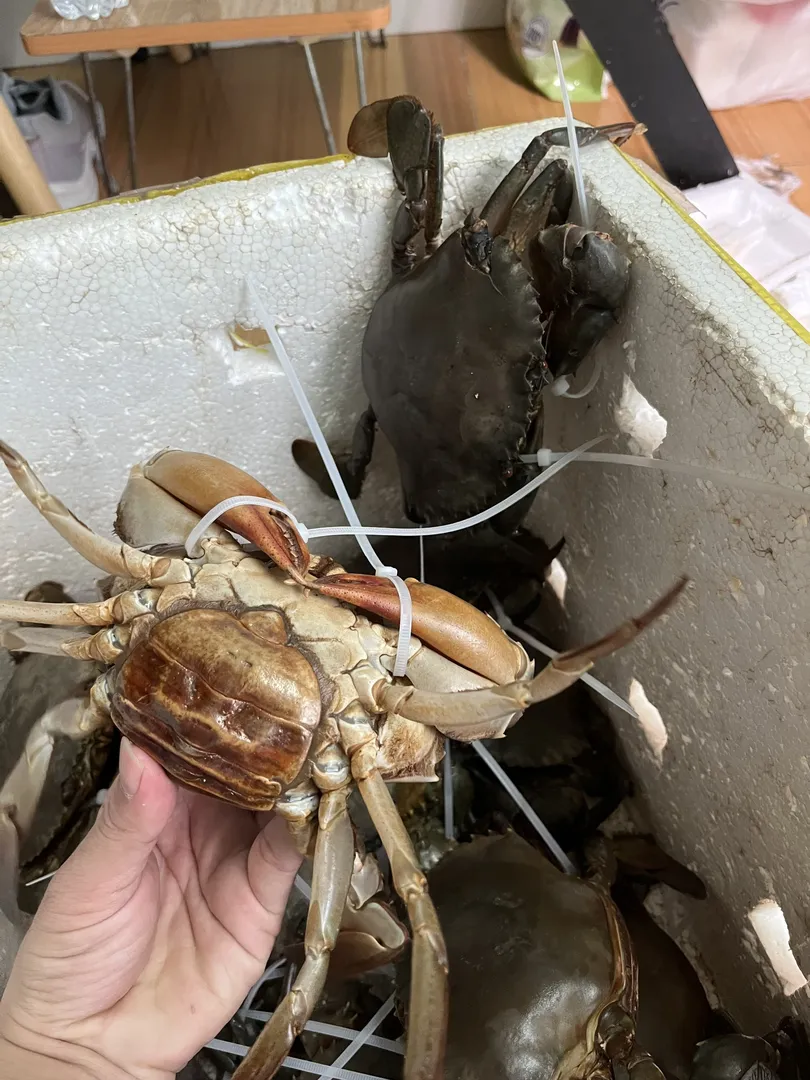
Young or "Virgin" Roe Crab
These crabs offer a different balance, with roe that might vary in color and intensity, sometimes presenting darker hues.
Heritage Ingredient
Young Roe Mud Crab (Virgin Crab)
Young Roe Mud Crab (Virgin Crab)
A young female mud crab identified before full spawning, offering a balance of sweet meat and light roe that sits between meat crab and roe crab styles.
Where every ingredient captures the essence of the wind and tides, weaving a vibrant culinary tapestry of the Mekong region.
4 Tasting Notes: Embracing the Depth
The best way to appreciate dark crab roe is through minimal intervention. Simple cooking methods allow its inherent flavors to dominate.
Steamed to Perfection
Steaming is the ultimate method. The natural sweetness of the crab meat, combined with the rich, complex flavor of the dark roe, is unparalleled. Serve with a simple dipping sauce of sea salt, black pepper, and fresh lime juice – the traditional Vietnamese way.
In Soups and Stews
The dark roe can add an incredible depth of flavor and a luxurious creaminess to crab noodle soups (like Banh Da Cua) or other regional stews. It thickens the broth naturally, imparting its distinctive taste.
When tasting dark roe, pay attention to the texture. Is it smooth and unctuous? Slightly granular? Notice the flavor notes – is it briny, mineral-rich, or intensely savory? It’s a culinary exploration that rewards the curious palate.
5 Red Flags: When to Be Cautious
While dark roe itself is safe, it’s crucial to distinguish it from signs of spoilage or poor quality. Here’s what to watch out for:
- Odor: The most important indicator is smell. Any seafood, including roe, that smells excessively fishy, sour, or ammoniated is a sign of spoilage. Fresh crab, regardless of roe color, should smell clean and of the sea.
- Texture: If the roe is slimy, sticky to the touch in an unpleasant way, or has a mushy, watery consistency beyond natural creaminess, it might be past its prime. Healthy roe, whether dark or orange, should have a firm, yet yielding texture.
- Appearance of Mold or Discoloration: Beyond the natural dark pigment, look for any fuzzy mold or unnatural greenish or greyish discolorations. This is a clear sign of bacterial growth.
- The Crab's Overall Condition: If the crab itself was lethargic, damaged, or appeared unhealthy before cooking, the roe might also be compromised. Always start with fresh, lively crabs.
Trust your senses. If the crab smells fresh and looks appealing, the dark roe is most likely a sign of a healthy, reproductively active female crab, ready to be enjoyed.
6 The "Butter Crab" and Its Unique Roe
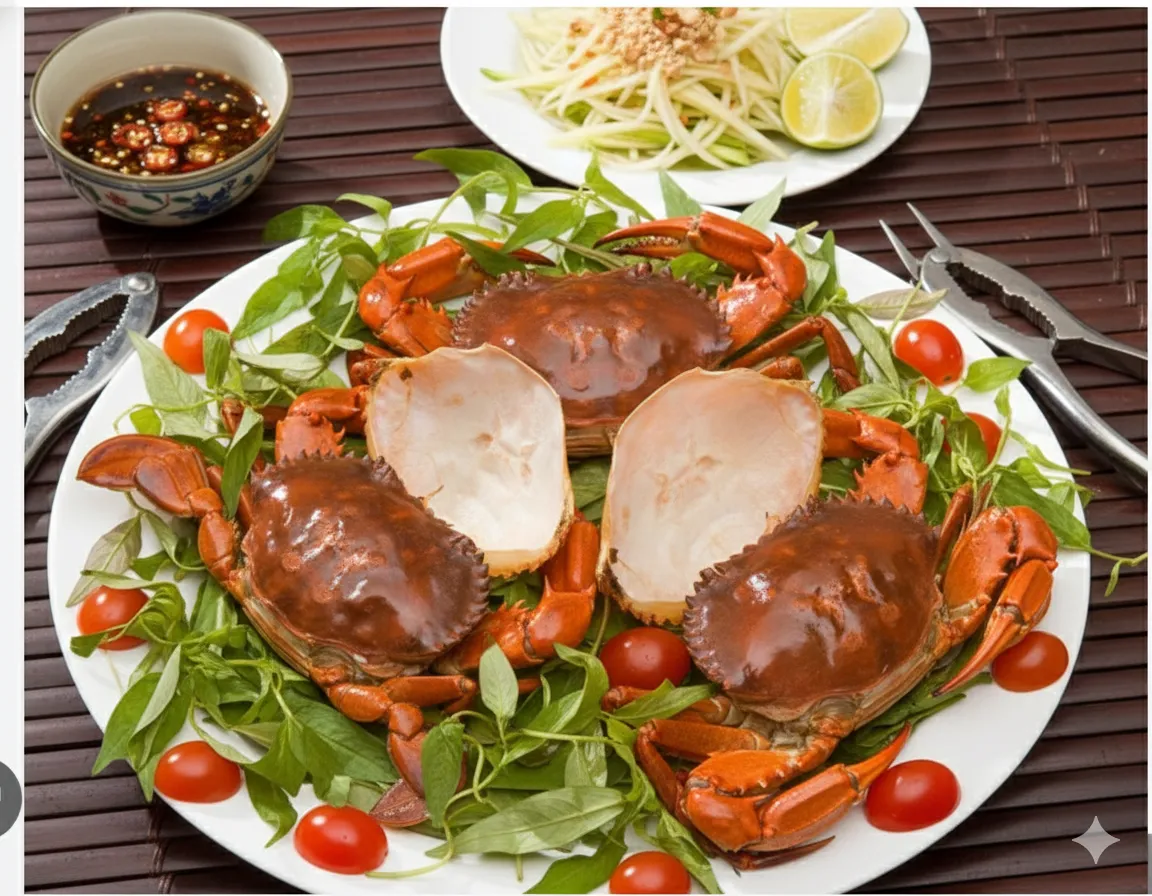
A special case, often confused or related to roe discussion, is the molting crab, sometimes called "butter crab" or soft-shell crab. These crabs are in the process of shedding their hard exoskeleton to grow.
During this stage, the crab's body is soft, and the space between its old and new shell fills with a rich, creamy liquid. This liquid is often referred to as "roe," though it's technically a hemolymph rich in nutrients. In Vietnamese cuisine, especially in the Mekong Delta, these "butter crabs" (cua com) are highly prized.
Heritage Ingredient
Soft-Shell Butter Crab (Molting Crab)
Soft-Shell Butter Crab (Molting Crab)
A rare molting mud crab from Ca Mau, valued for its edible soft inner shell and exceptionally creamy roe, making it the closest local equivalent to soft-shell crab concepts familiar abroad.
Where every ingredient captures the essence of the wind and tides, weaving a vibrant culinary tapestry of the Mekong region.
The "roe" of a molting crab is exceptionally rich and custard-like, often lighter in color than true, dark, pre-spawning roe, but it possesses a unique, unctuous texture that melts in the mouth. This is a different biological process but contributes to the wide spectrum of delightful textures and flavors one can find in Mekong Delta crabs.
7 Separating Seafood Folklore from Fact
The world of seafood is rife with myths and misconceptions. The dark crab roe is a prime example. What might be perceived as a flaw by someone unfamiliar with its biology is, in reality, a sign of a healthy, mature crab.
Key Takeaways:
- Dark roe is NOT a sign of spoilage. It's a natural variation in the crab's reproductive cycle.
- Melanin, not rot, is often the pigment responsible for the dark color.
- Taste is subjective: Dark roe often offers a richer, more intense, and complex flavor.
- Mekong Delta wisdom teaches us to appreciate this variation as a sign of quality.
- Trust your senses: Always prioritize smell and overall appearance for freshness.
So, the next time you encounter a crab with dark, mysterious roe, don't hesitate. Embrace it as a rare treat, a testament to the diverse and bountiful life within the Mekong's waters, and a delicious insight into the intricate biology of the creatures we're so fortunate to eat.
8 Beyond the Roe: A Full Crab Appreciation
While the roe is a fascinating aspect, remember that the entire crab is a culinary marvel. Whether it's the sweet, firm meat of the mud crab's claws and body, or the delicate flesh of its legs, each part offers a unique texture and taste.
In the Mekong Delta, crabs are prepared in countless ways – steamed with beer and lemongrass, simmered in rich coconut curries, grilled over charcoal, or stir-fried with tamarind or salted egg. Each method highlights different facets of the crab's quality. The presence of dark roe simply adds another layer to this incredible tapestry of flavor.
So, as you explore the culinary landscape of Vietnam, or wherever you find fresh crab, look beyond just the color of the roe. Understand the creature, respect its biology, and savor the incredible bounty that the waters provide. The dark roe is not a flaw; it's a signature.
Explore More:
Deeper Dives into Seafood Science
View More Food & Culinary
Flavorful Claypot Glass Noodles with Blue Crab
Toss dry glass noodles with crab broth, onions, and shiitake mushrooms in an earthen pot to keep it boiling hot.
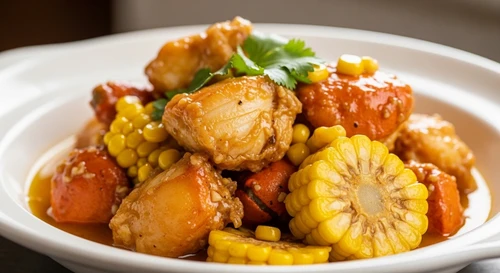
Garlic Butter Crab Stir-fry with Sweet Corn
Crunchy sweet American corn kernels mixed with unsalted butter and minced garlic, stir-fried with crab chunks.
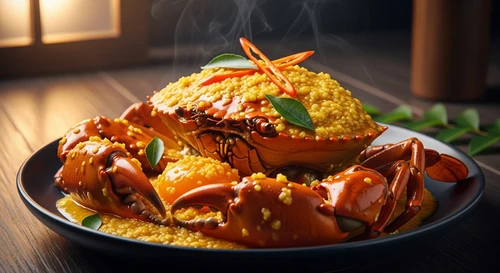
Salted Egg Yolk Crab: The Creamy Trend Taking Over Asia
How to make the rich, buttery, and savory salted egg yolk sauce that coats fresh deep-fried mud crabs.
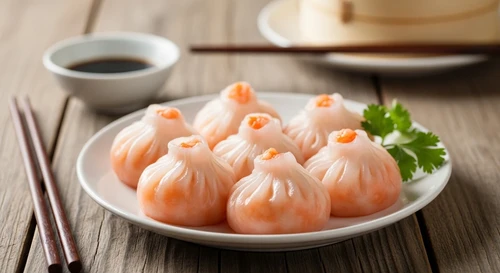
Crab Meat Dumplings (Ha Cao Cua): Dim Sum Excellence
Master the art of making translucent, chewy dumpling wrappers filled with juicy crab and shrimp.
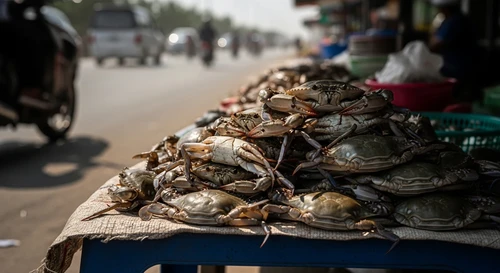
Street Food Crabs for $2: Delicious Bargain or Health Hazard?
An honest review of ultra-cheap seafood sold along the highways in Vietnam. Why you should avoid dead crabs.
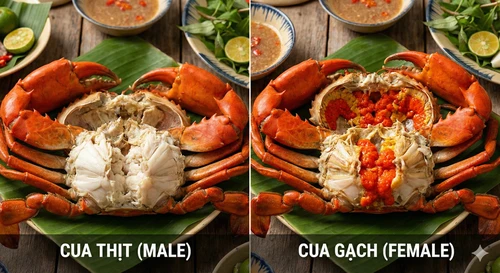
Male vs. Female Mud Crabs: Which One Should You Buy?
A visual guide to checking the abdominal flap. Choose the male for sweet meat and the female for rich orange roe.
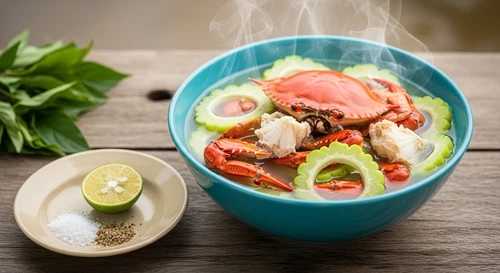
Mekong Delta Crab & Gourd Clear Hotpot
A rustic hotpot combining the sweetness of ocean crabs and fresh young gourd. Extremely effective for cooling down.
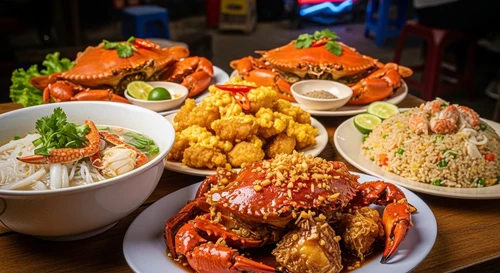
Top 5 Must-Try Crab Dishes When Visiting Ho Chi Minh City
From Tamarind Crab to Crab Tapioca Noodle Soup (Banh Canh Cua). Discover the ultimate seafood bucket list in Saigon.
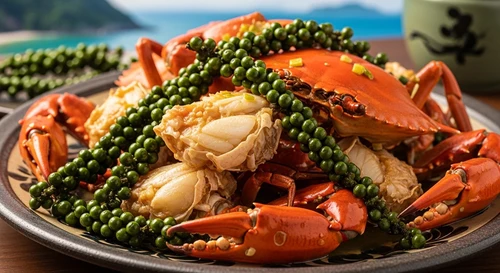
Phu Quoc Green Peppercorn Roasted Crab
Clusters of smashed fresh green peppercorns stir-fried with crab create a warm, zesty heat that isn't as harsh as red chilies.