" Forget your fancy, butter-drenched lobsters for a moment. The true taste of the Mekong Delta, for many locals, lies in the brine and grit of its smallest denizens. "
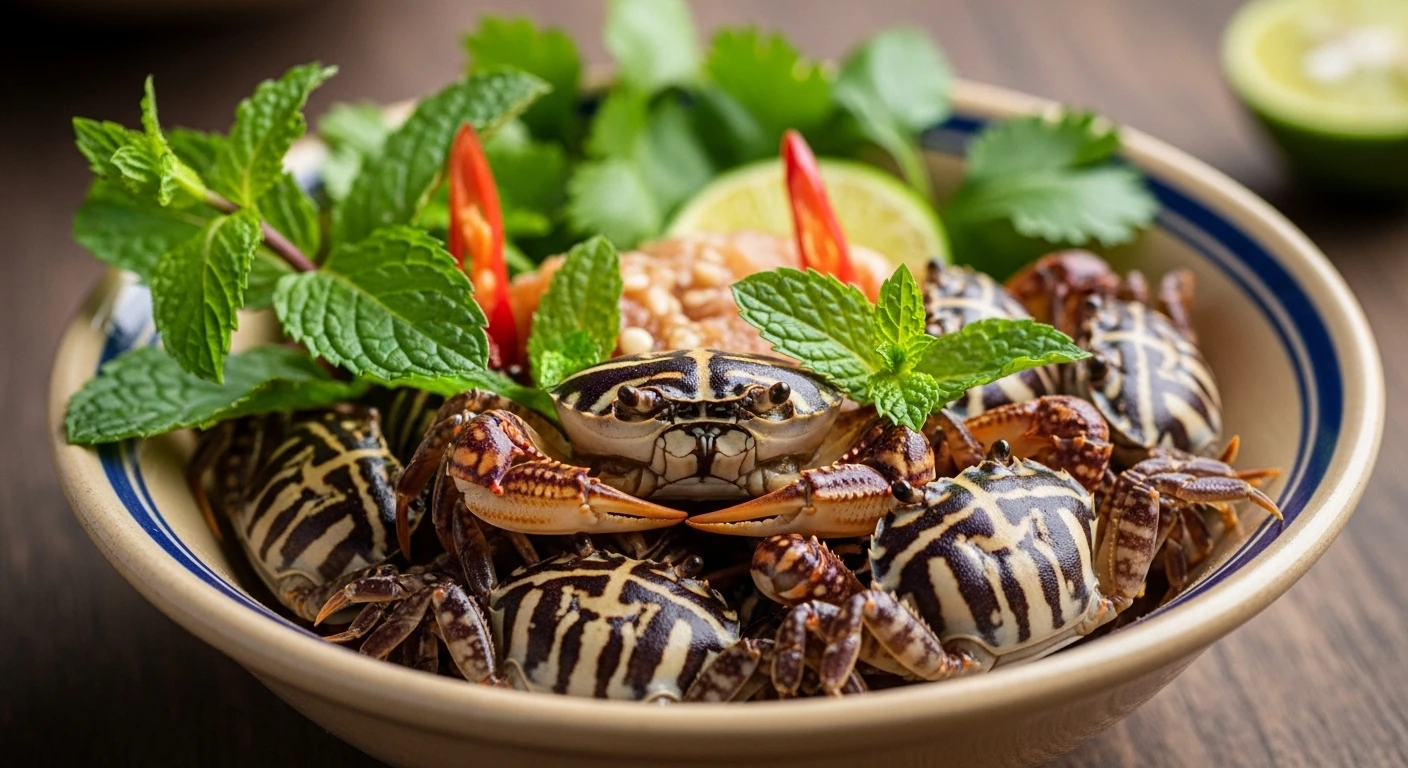
📸 Ba Khia, often served fermented, are a staple in the Western Vietnamese diet.
1 What Exactly is Ba Khia?
Venture into the labyrinthine waterways and mangrove forests of Southern Vietnam, particularly in provinces like Ca Mau, Soc Trang, and Bac Lieu, and you'll encounter the humble Ba Khia. These aren't your dinner-party king crabs; Ba Khia are small, three-striped fiddler crabs, often no larger than your thumb. They thrive in the brackish waters where rivers meet the sea, scuttling amongst the exposed roots of mangrove trees, a testament to the unique ecosystem of the Mekong Delta.
The name "Ba Khia" (meaning "three stripes") refers to the distinctive markings on their carapace. While their small size might suggest a limited culinary application, the Vietnamese, with their unparalleled ingenuity for utilizing every morsel of nature, have turned Ba Khia into a beloved delicacy. Their flavor is intensely saline, a pure distillation of the environment they inhabit.
Unlike their larger cousins, Ba Khia are rarely eaten steamed or grilled whole. Their magic lies in their texture and the way they absorb intense flavors, typically through preservation techniques like fermentation.
2 Life in the Muddy Embrace of the Delta
The mangrove forests are the unsung heroes of the Mekong Delta's food chain, and Ba Khia are key players. These complex ecosystems, with their tangled root systems, provide shelter and a rich feeding ground for countless species. The fiddler crabs, with their unique one large claw (used for mating displays and defense), burrow into the mud and scavenge for detritus. Their presence is a vital indicator of a healthy, thriving mangrove environment.
Coastal communities in the Mekong Delta have built their livelihoods around these waters for generations. Fishing and crabbing, including the harvest of Ba Khia, are not just economic activities but deeply ingrained cultural practices. The knowledge of tides, seasons, and the specific habits of these small crabs is passed down through families, forming a crucial part of the region's heritage.
Heritage Ingredient
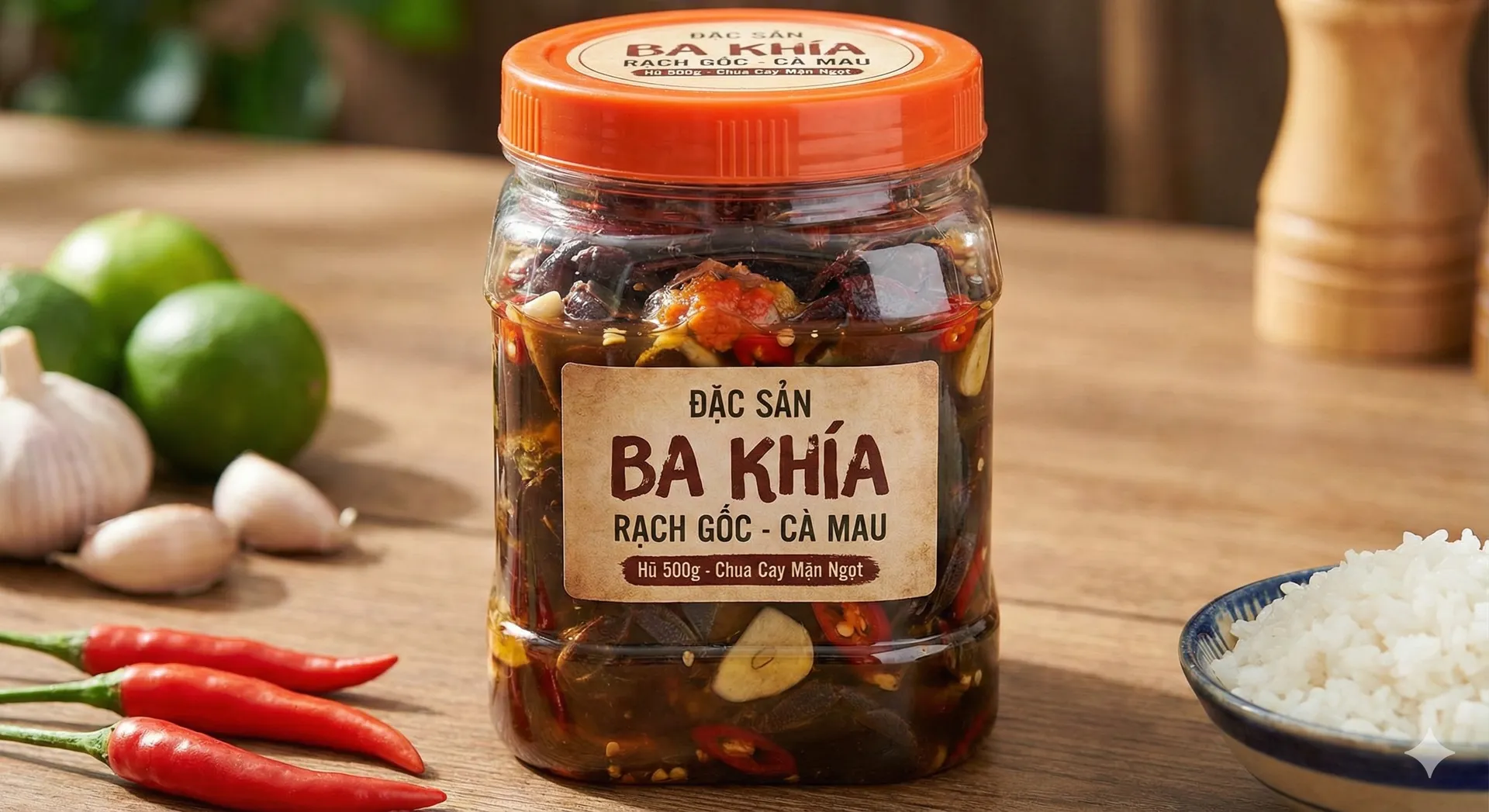
Fermented Mangrove Crab (Ba Khia)
Fermented Mangrove Crab (Ba Khia)
A traditional fermented crab specialty from the mangrove region of Rach Goc, often cited in articles about rustic Mekong Delta flavors and preserved seafood culture.
The salty-sour heartbeat of the wild south, where traditional fermentation turns forest crabs into a nostalgic explosion of rustic Mekong soul.
The most common way to experience Ba Khia is through fermentation. This process, akin to making pickles or kimchi, transforms the raw, briny crab into something profoundly savory and tangy, often with a subtle sweetness. It's a culinary alchemy that captures the essence of the delta.
3 Salty, Sour, and Utterly Addictive
While recipes vary subtly from family to family and province to province, the fundamental method for preparing Ba Khia involves preserving them in a brine. The most iconic preparation is Ba Khia Muoi, or salted fermented Ba Khia.
The process typically involves:
- Harvesting & Cleaning: Fresh Ba Khia are collected from their mangrove habitats, then thoroughly washed to remove excess mud.
- Salting: The crabs are layered with coarse sea salt in earthenware jars or sturdy containers. The salt draws out moisture and begins the curing process.
- Brine & Flavoring: A specific brine is prepared, often a mixture of water, salt, and sometimes a touch of sugar or rice wine. Aromatics like garlic, chili, and sometimes slices of green papaya or carrots are added to the brine. The Ba Khia are submerged in this mixture and sealed.
- Fermentation: The jars are left to ferment for several days to weeks, depending on the desired intensity of flavor. During this time, the crab meat softens, and complex, umami-rich flavors develop.
The Magic is in the Texture
When done right, fermented Ba Khia retain a pleasant, slightly chewy texture. The shell becomes softer, allowing easy access to the delicate meat and, if you're lucky, the rich, creamy roe inside female crabs.
4 A Delta-Style Feast
Eating Ba Khia is an experience, a hands-on affair that speaks to the heart of Vietnamese communal dining. Forget dainty utensils; this is about using your fingers to extract every last bit of flavor.
The Essential Accompaniments:
- Fresh Steamed Rice: The perfect neutral canvas to balance the intense flavors of Ba Khia.
- Fresh Herbs: Mint, basil, Vietnamese coriander (rau răm) provide a cooling, aromatic contrast.
- Raw Vegetables: Sliced cucumber, lettuce leaves, and fresh starfruit offer crunch and refreshment.
- Dipping Sauce: While Ba Khia are flavorful on their own, a side of lime juice, chili, and a touch of sugar (similar to the lime-salt dip for steamed crab) can elevate the experience.
The Technique:
You'll want to crack the shells to get to the meat. The large claw is usually the most prized. Often, people will dip the crab meat into the accompanying sauce or wrap it in a lettuce leaf with herbs and a bit of rice before eating. The brine from the fermentation process is also considered precious, sometimes used to flavor other dishes.
5 Other Ways to Enjoy
While fermentation is king, Ba Khia make appearances in other regional dishes too.
- Ba Khia Noodles (Banh Da Cua Ba Khia): A hearty noodle soup where the broth is enriched with the concentrated flavor of Ba Khia, often with added seafood or pork.
- Stir-fries: In some rural kitchens, Ba Khia might be quickly stir-fried with aromatics like lemongrass and chili.
- Salads: Occasionally, the meat from Ba Khia can be incorporated into fresh salads, offering a burst of oceanic flavor.
These preparations highlight the versatility of Ba Khia, showing how a humble crab can be the foundation of complex and comforting meals.
6 Why Ba Khia Matters
In a region celebrated for its abundant seafood – from the famed mud crabs of Ca Mau to the succulent prawns that populate its rivers – Ba Khia hold a special, albeit understated, place. They represent a connection to the land and water, a culinary tradition born from necessity and respect for nature.
For the traveler, seeking out Ba Khia is an opportunity to taste the Mekong Delta in its purest, most unadulterated form. It’s a journey into the heart of rustic Vietnamese cuisine, a flavor that is salty, sour, and deeply satisfying – a true reflection of the resilient spirit of the people and the vibrant, fertile landscape they call home. It's a taste that lingers, much like the memory of the delta's winding rivers and mangrove-lined shores.
7 Other Treasures of the Mekong
The Mekong Delta is a treasure trove of unique ingredients and dishes. If Ba Khia has piqued your interest, you might also want to explore:
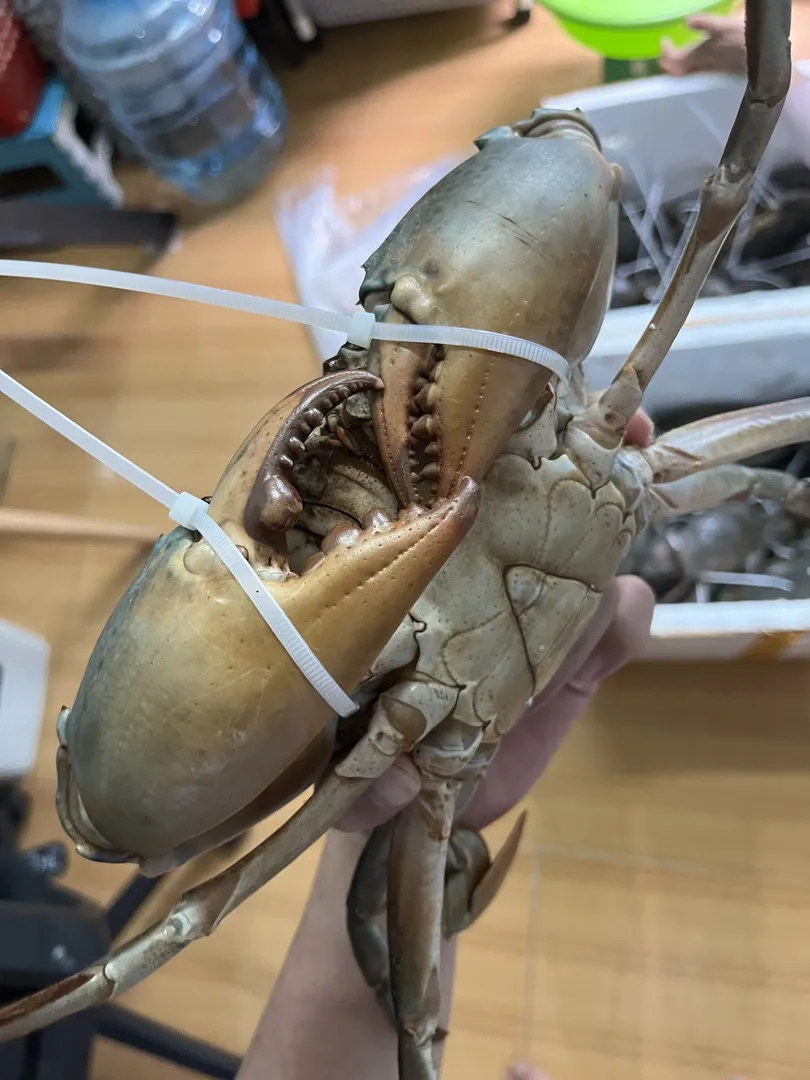
Ca Mau Mud Crab
Prized for its sweet, dense meat, mud crabs are a more substantial, luxurious seafood experience from the coastal regions.
Heritage Ingredient
Ca Mau Jumbo Mud Crab
Ca Mau Jumbo Mud Crab
A large male mud crab prized for dense, sweet meat and thick claws, commonly used in steamed crab and grilled crab dishes across the Mekong Delta.
An icon of coastal culinary heritage, featuring firm, sweet meat that captures the raw power and freshness of Ca Mau's tides.
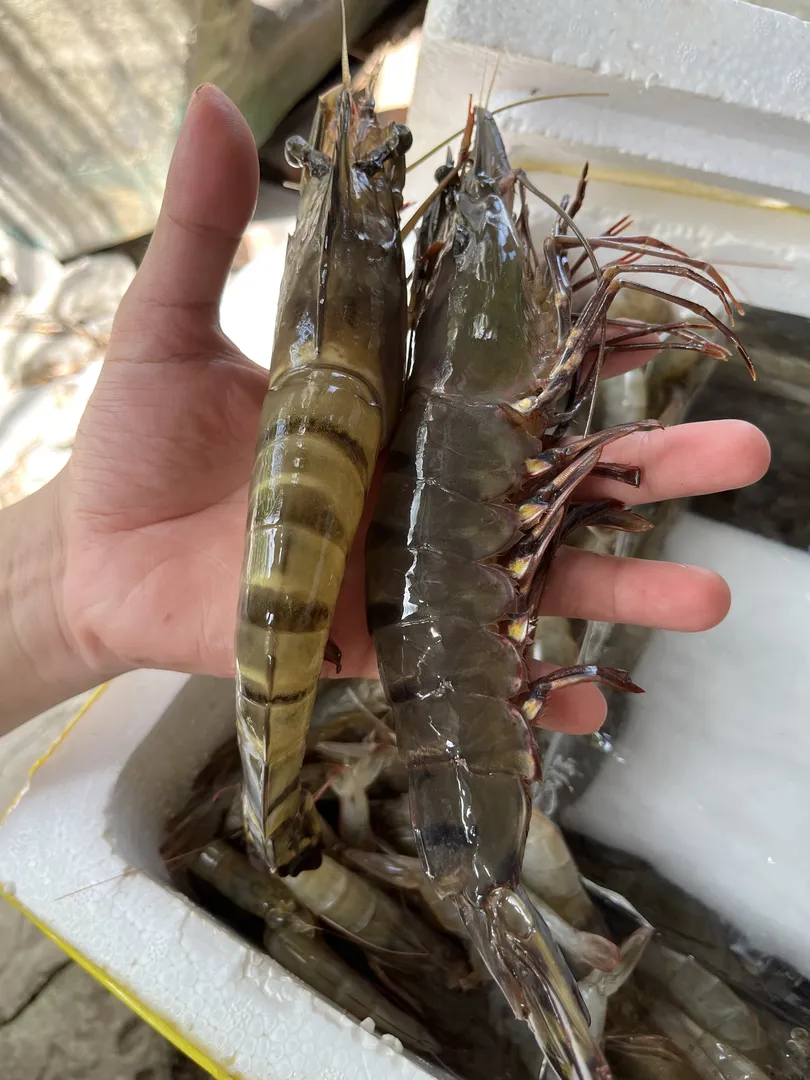
Mangrove Black Tiger Shrimp
Sustainably farmed in brackish mangrove waters, these shrimp offer a clean, sweet flavor and firm texture.
Heritage Ingredient
Ca Mau Black Tiger Shrimp
Ca Mau Black Tiger Shrimp
Large black tiger shrimp associated with mangrove aquaculture in Ca Mau, known for firm flesh and a cleaner, sweeter finish than intensively farmed shrimp.
Wild spirits of the mangroves, these black-banded gems deliver a firm, snappy texture and a sweetness that echoes the forest's vibrant life.