" You see them in markets, on ice beds, or even in your own kitchen: shrimp with heads that have turned an unsettling shade of black. Instantly, a primal alarm goes off in the Western mind: "This is old. This is rotten. Toss it!" "
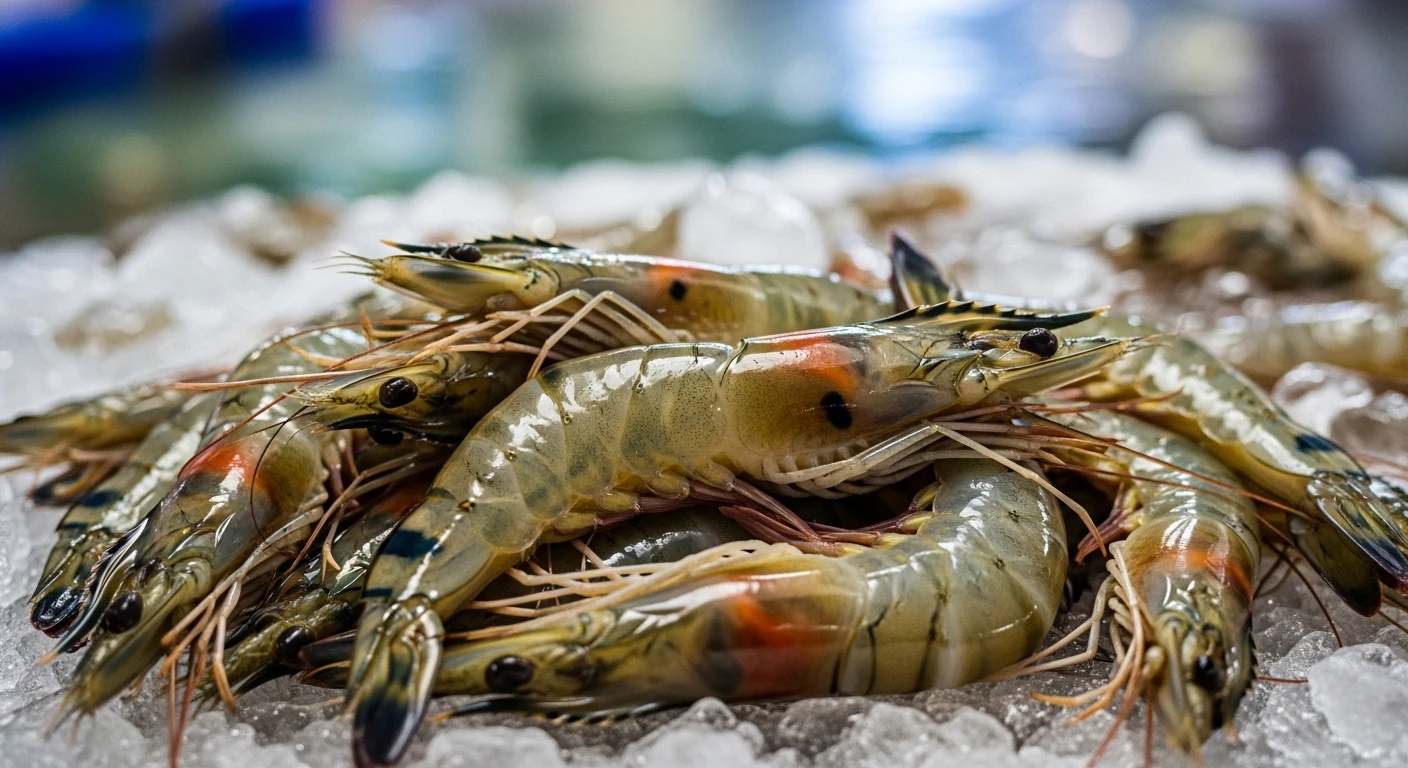
📸 Melanosis in action: The dark spots are a sign of oxidation, not spoilage.
1 The Dreaded "Black Spot": It's Not Rot.
The visual cue of blackness in shrimp heads often triggers immediate suspicion. This discoloration is known as melanosis, and in most cases, it's a chemical reaction, not a sign of decay. It's the seafood equivalent of an apple turning brown after you cut it – completely natural, and usually, still perfectly edible.
2 The Science: An Enzymatic Oxidation
Shrimp, like many crustaceans, possess an enzyme called tyrosinase. When the shrimp is harvested and exposed to air, this enzyme comes into contact with certain compounds (polyphenols) within the shrimp's body. This interaction triggers a cascade of chemical reactions, leading to the production of melanin – the same pigment that gives color to human hair and skin.
The Culprit: Tyrosinase
This enzyme is naturally present in shrimp. It's not harmful; it's just part of their biological makeup.
The Reaction: Oxidation
Exposure to oxygen after harvesting initiates the process, turning the flesh dark.
The speed at which melanosis develops depends on several factors, including the shrimp's species, its environment, and how it's handled after capture. Shrimp from the pristine waters of the Mekong Delta, like the Ca Mau Black Tiger Shrimp, are often prized for their quality and can exhibit melanosis if not handled with immediate care.
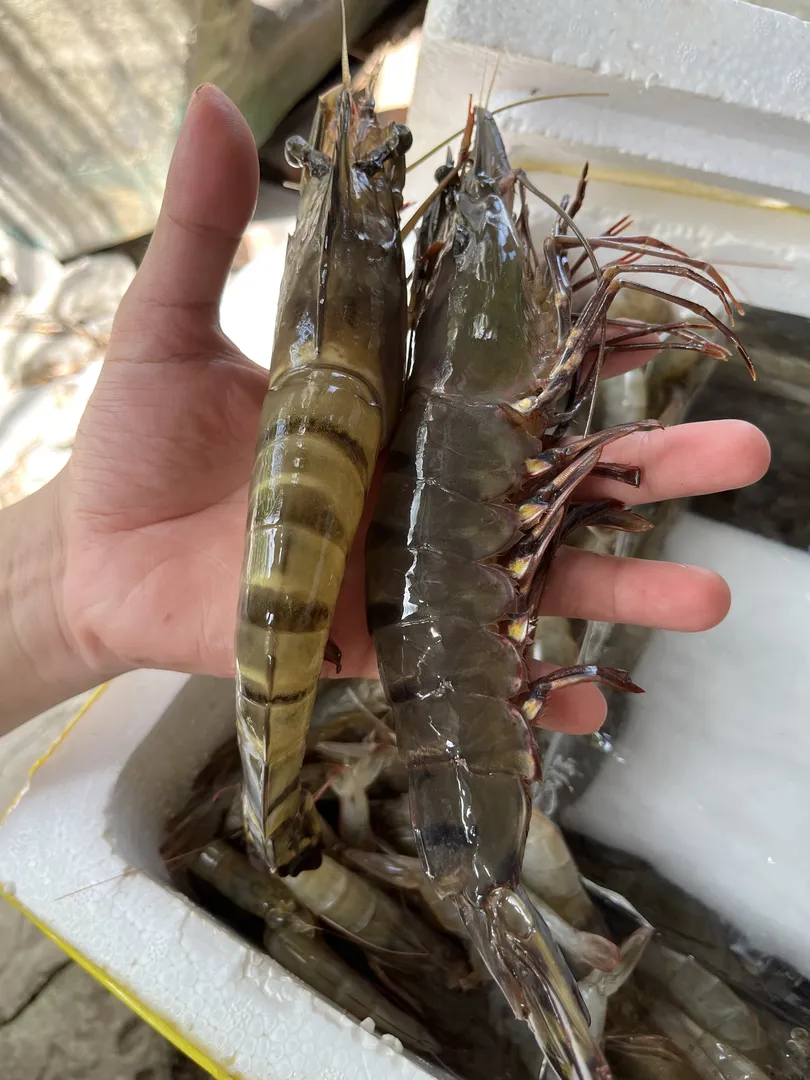
Heritage Ingredient
Ca Mau Black Tiger Shrimp
Ca Mau Black Tiger Shrimp
Large black tiger shrimp associated with mangrove aquaculture in Ca Mau, known for firm flesh and a cleaner, sweeter finish than intensively farmed shrimp.
Wild spirits of the mangroves, these black-banded gems deliver a firm, snappy texture and a sweetness that echoes the forest's vibrant life.
3 A Mekong Delta Perspective: From Mangroves to Markets
In the vibrant, bustling seafood markets of the Mekong Delta, from the coastal regions of Ca Mau to the river towns of Can Tho, understanding shrimp quality is an art honed over generations. While pristine, pearly white shrimp are always the ideal, experienced vendors and local cooks know that black spots on the head aren't an automatic death sentence for the shrimp.
The key is context. Is the rest of the shrimp firm? Does it smell fresh, like the sea, rather than ammoniated or sour? The dark heads are often seen on shrimp that have been at sea for a short period, or have been meticulously sorted and packed on ice promptly after being caught from the mangrove-rich waters. For instance, the robust Mekong Giant Freshwater Prawn, known for its rich head fat, can sometimes show this darkening if not perfectly handled, but its firm flesh remains the ultimate indicator of quality.

Heritage Ingredient
Mekong Giant Freshwater Prawn
Mekong Giant Freshwater Prawn
A river prawn with long blue claws and rich head fat, common in grilled prawn dishes and hotpot traditions across the Mekong basin.
Majestic blue-clawed warriors of the Mekong, famous for their rich, fatty heads and a savory depth that captures the essence of the delta's rivers.
The difference between melanosis and spoilage lies in the texture and smell. Spoilage involves bacterial breakdown, which releases unpleasant odors and softens the flesh. Melanosis is a surface-level chemical change.
4 The True Test: Smell, Texture, and Appearance
So, how do you distinguish between harmless melanosis and genuine spoilage? Trust your senses:
- Smell: Fresh shrimp should smell clean, briny, and like the ocean. A strong, fishy, ammonia-like, or sour odor is a clear sign of spoilage. Melanosis itself has no distinct smell.
- Texture: Fresh shrimp will have firm, somewhat stiff flesh. If the shrimp is slimy, mushy, or falling apart, it's likely spoiled. The head might be black, but the body should still be firm.
- Appearance (Beyond the Head): Look at the shell. Is it dull and discolored? Are the eyes cloudy or sunken? These can be indicators of age or poor handling, but the black head alone is not the sole determinant. The body should still have a translucent, slightly iridescent sheen.
- The Black Spot Itself: If the blackness is localized to the head and the rest of the shrimp is firm and smells fresh, it's likely just melanosis. If the blackness extends into the body, or the entire shrimp looks dark and feels soft, discard it.
5 Prevention and Preservation
While melanosis is natural, proper handling can significantly slow its development. In commercial settings, this often involves:
- Immediate Chilling: Rapidly cooling shrimp after harvest (e.g., in ice-water slurry) slows down enzymatic activity.
- Antioxidant Dips: Some processors use dips containing sulfites or citric acid to inhibit the enzymatic browning. While effective, these can be a concern for those with sensitivities and are less common in artisanal or home preparation.
- Proper Storage: Keeping shrimp well-refrigerated or frozen halts or greatly slows down melanosis.
For home cooks, the best approach is to purchase shrimp that look and smell fresh. If you encounter shrimp with black heads but the rest appears fine, consider using them quickly. If you plan to freeze them for later, a quick dip in a citric acid solution (a tablespoon of lemon juice per cup of water) can help maintain their appearance, though it's not strictly necessary if the shrimp is otherwise fresh.
6 Species Matters: Not All Shrimp Are Equal
Different shrimp species have varying levels of tyrosinase and different compositions, leading to varying susceptibility to melanosis. For example:
- Black Tiger Shrimp (like those from Ca Mau) and Prawns are often more prone to melanosis due to their enzymes and nutrient content.
- Whiteleg Shrimp (often farmed and widely available, sometimes referred to as 'vanamei') might show melanosis less rapidly but can be more susceptible to bacterial spoilage if not handled well.
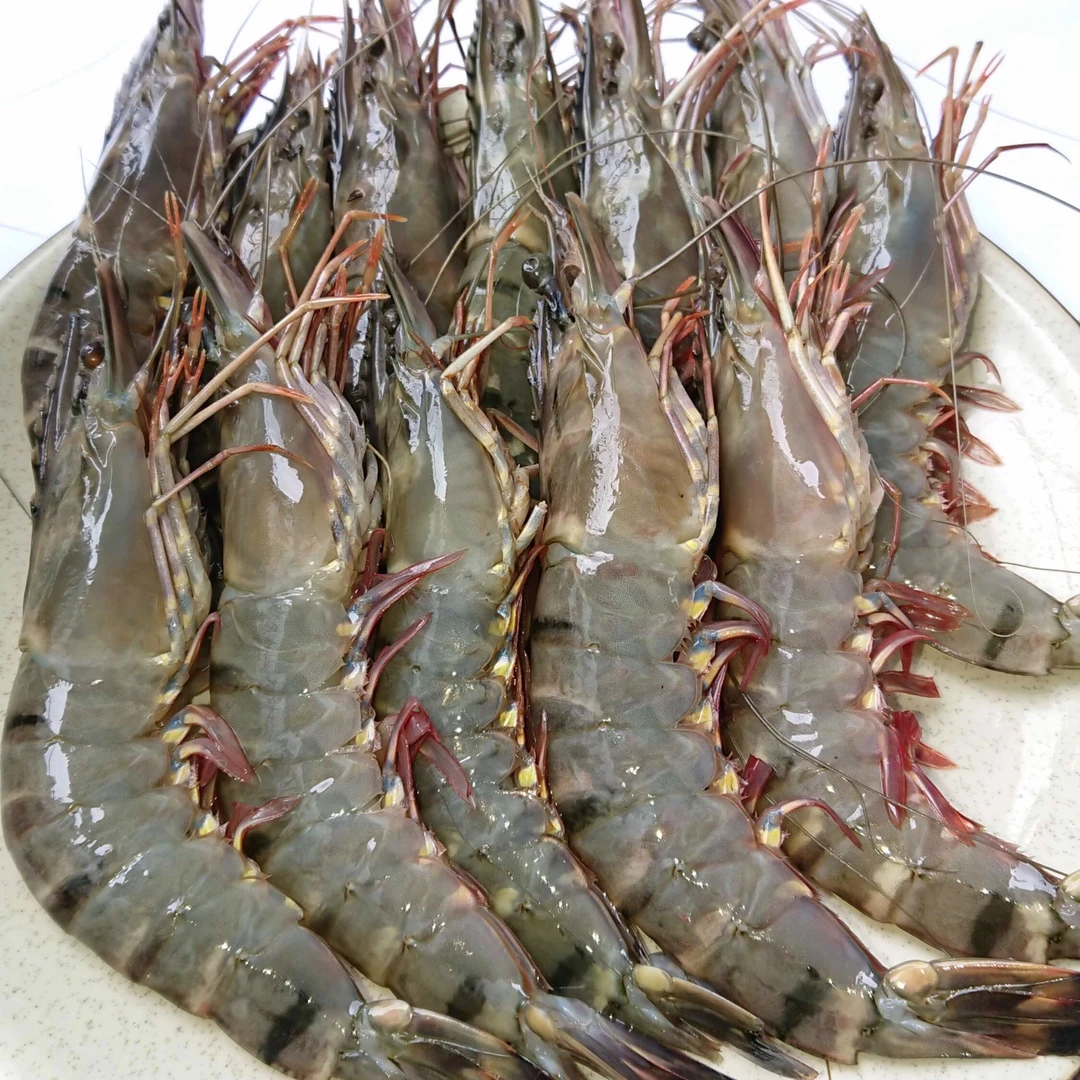
Heritage Ingredient
Whiteleg Shrimp
Whiteleg Shrimp
A widely used shrimp in Vietnamese home kitchens, suitable for stir-fries, soups, steamed dishes, and practical cooking articles that need a familiar shrimp reference.
Translucent jewels of the coast, thin-shelled and remarkably sweet, making every simple home meal feel like a seaside celebration.
Regardless of species, the fundamental principles of checking for freshness remain the same. The visual cue of black heads should prompt you to investigate further using your senses, rather than leading to an immediate disposal.
7 When in Doubt, Trust Your Gut (and Your Nose)
The fear of foodborne illness is real, and rightly so. However, a blanket ban on shrimp with black heads is often unnecessary and leads to considerable food waste.
In the context of the Mekong Delta, where seafood is lifeblood and resources are precious, cooks have long understood this. They've learned to discern the difference between a chemical reaction and a biological breakdown. So, the next time you see a shrimp with a darkened head, don't panic. Take a deep breath, give it a good look and a sniff. If it passes the test of freshness – firm flesh, clean oceanic aroma – then by all means, cook it up and enjoy the sweet, succulent meat. It's a testament to the incredible, sometimes mysterious, nature of the sea.
8 Quick Reference: Melanosis vs. Spoilage
Melanosis (Harmless)
- Cause: Enzymatic oxidation (tyrosinase).
- Appearance: Dark spots or overall darkening of the head/shell.
- Smell: Fresh, oceanic, or no distinct smell from the dark spots.
- Texture: Body is firm and intact.
- Safety: Generally safe to eat.
Spoilage (Unsafe)
- Cause: Bacterial decomposition.
- Appearance: Grayish or darkened body, dull shell, sunken eyes, blackness may extend to the body.
- Smell: Strong ammonia, rotten, sour, or fishy odor.
- Texture: Slimy, mushy, soft flesh.
- Safety: Do NOT consume. Discard immediately.
More Seafood Insights
View More Food & Culinary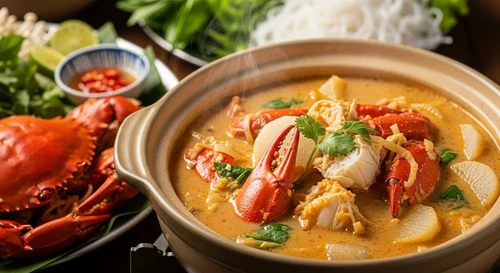
Mud Crab Hotpot with Fermented Rice Paste (Lau Cua Nau Chao)
A unique Southern Vietnamese dish using red fermented tofu to create a creamy, deeply savory hotpot broth.
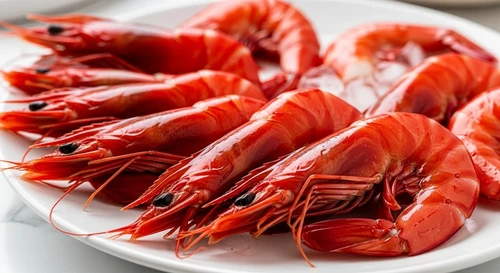
How to Boil Shrimp for a Vibrant Red Color Without Shrinking
The double ice-bath technique: shocking the shrimp after boiling to firm up the meat and lock in that beautiful glossy red shell.
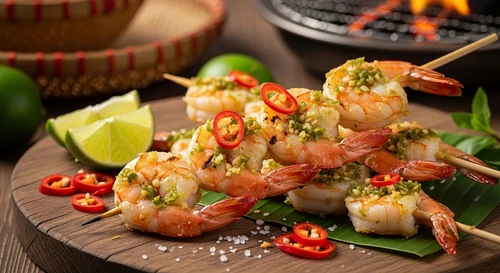
Vietnamese Green Chili Salt Grilled Shrimp Skewers
Marinated in a pungent, spicy green chili paste and grilled over charcoal. The ultimate street food BBQ recipe.
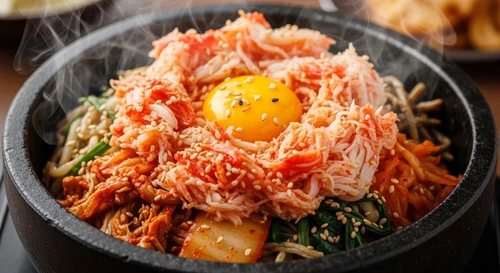
Korean Stone Bowl Crab & Kimchi Bibimbap
An upgraded Korean mixed rice with shredded crab meat, spicy sour kimchi, and a raw egg yolk in a sizzling stone bowl.
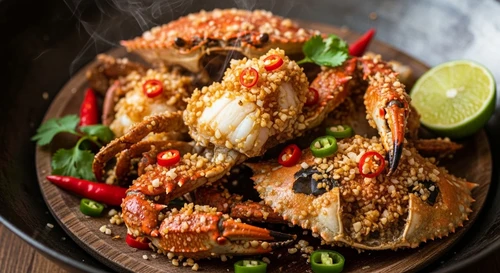
Salt and Chili Toasted Crab (Cua Rang Muoi): Spicy, Salty, Addictive
If you love spicy food, this classic Vietnamese seafood preparation will blow your mind. Perfect with a cold beer.
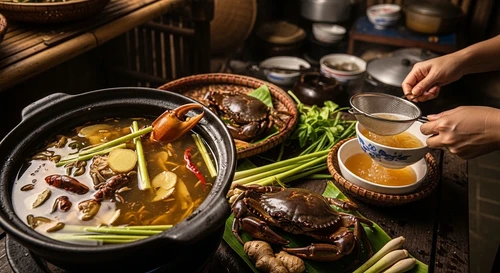
Can You Use Crab Boiling Water for Soup?
Answering the age-old question: Is the leftover water from boiling mud crabs too salty, or is it the perfect soup base?
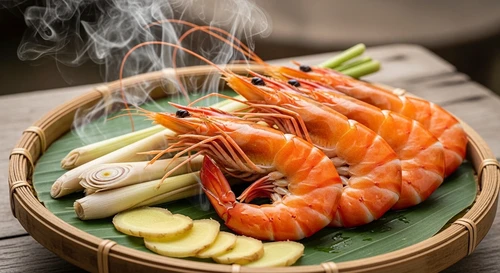
Beer-Steamed Giant Tiger Prawns with Smashed Lemongrass
How to time your steaming perfectly so the massive prawns don't shrink, retaining their bouncy texture and natural sweetness.
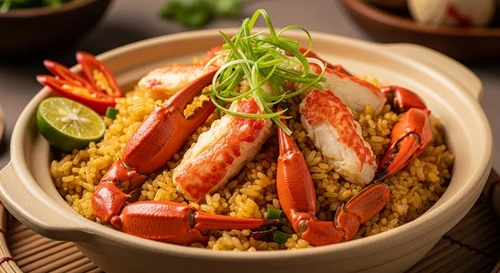
Crab Meat Fried Rice (Com Chien Cua): A Quick 15-Minute Recipe
The ultimate way to use leftover rice and fresh crab meat. A staple in every Vietnamese household.
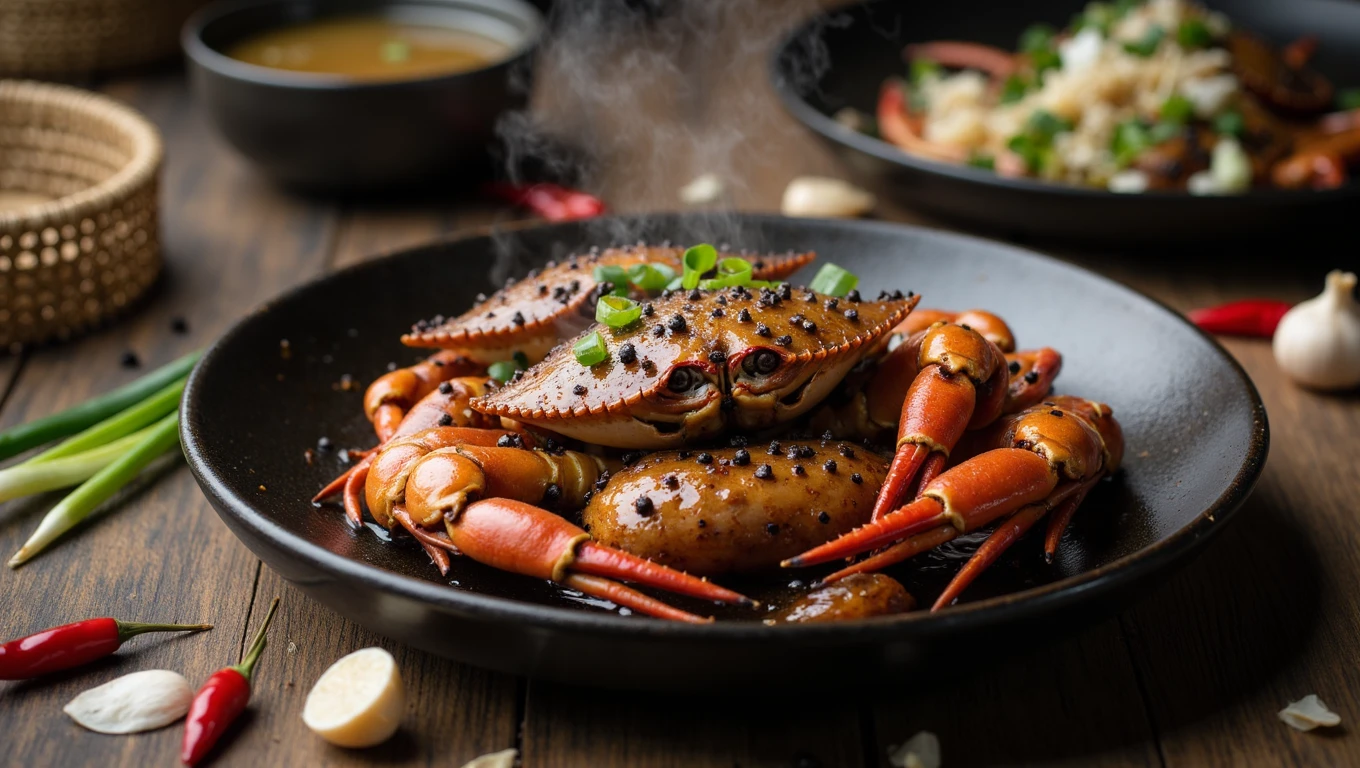
Malaysian Black Pepper Crab
The signature spicy kick of cracked black peppercorns sautéed with unsalted butter will captivate any seafood lover.