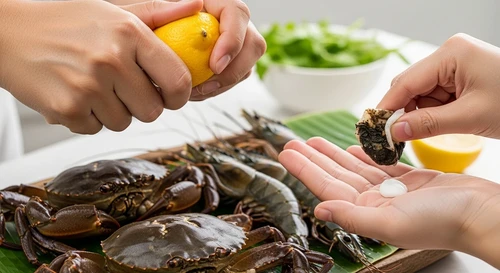
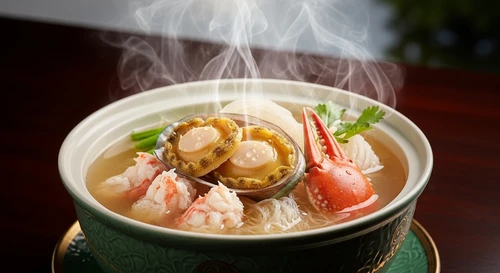
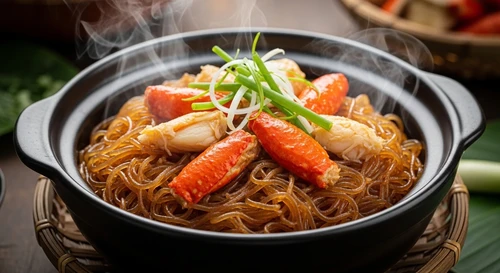
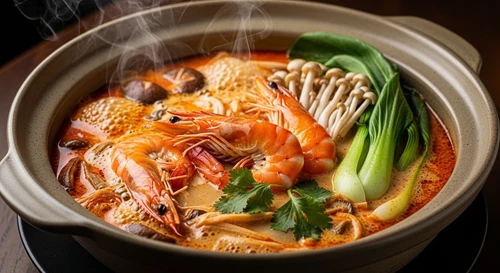
" You've cracked the shells, savored the sweet, succulent meat, and now you're left with the lingering scent of the sea. It's a badge of honor, perhaps, but one that can make shaking hands a bit awkward. "
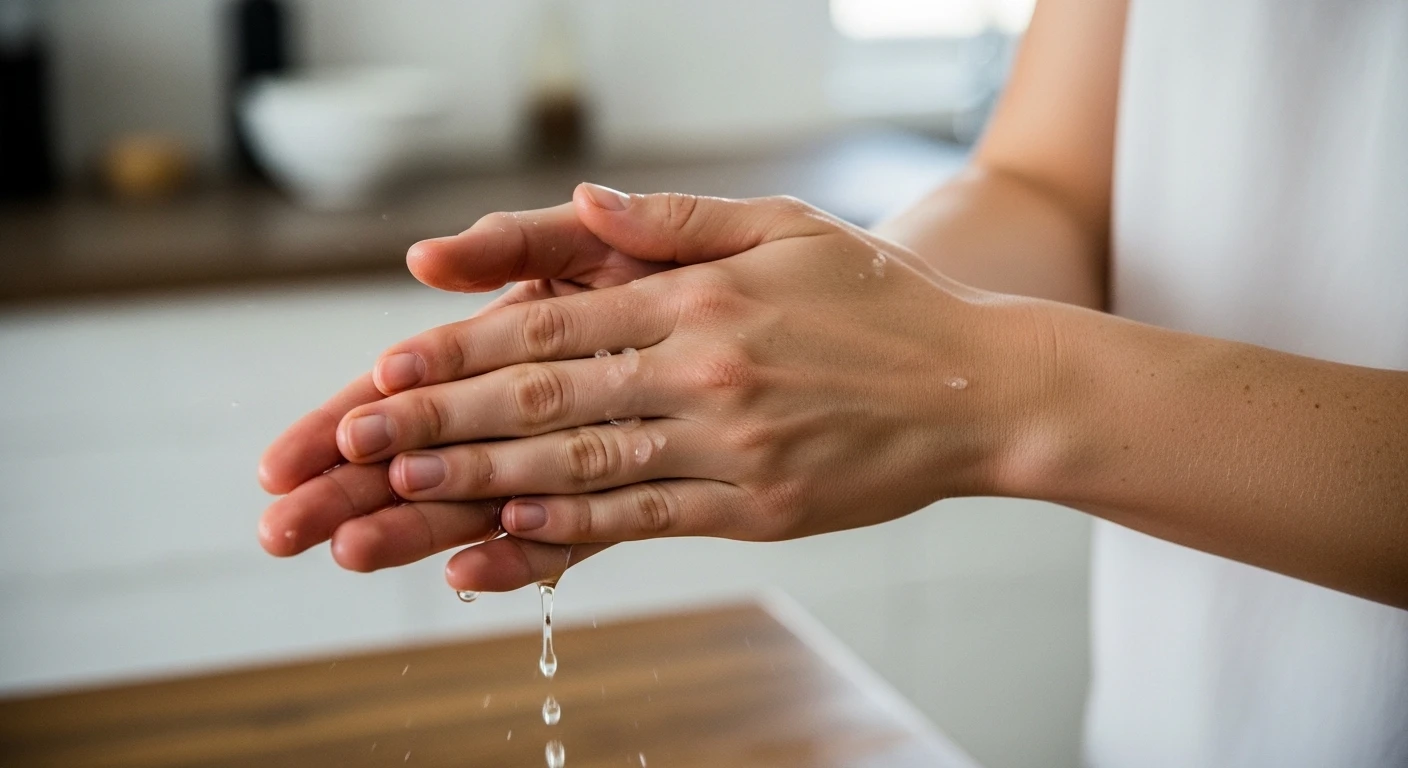
📸 The simple solution: A splash of wine works wonders.
1 From the Mangroves: A Taste of Ca Mau
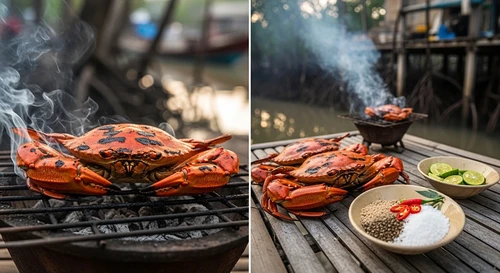
The Mekong Delta, particularly the coastal province of Ca Mau, is the beating heart of Vietnam's crab culture. Here, life ebbs and flows with the tides, and the rich mangrove ecosystems provide a sanctuary for some of the most prized mud crabs in the region. These aren't just any crabs; they are a testament to the delta's unique environment, feeding on a diverse diet that imbues their meat with unparalleled sweetness.
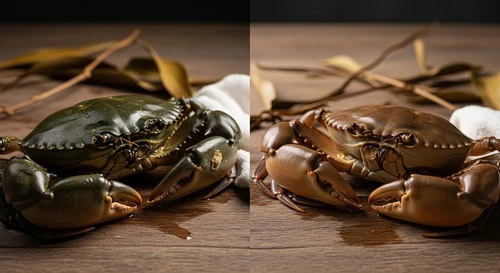
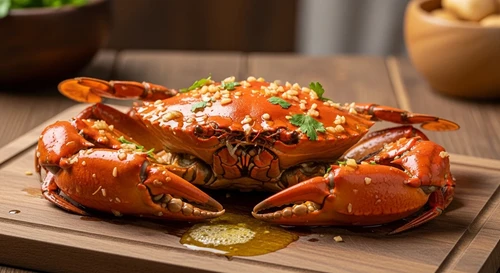
Whether it's the dense, meaty claws of the Heritage Ingredient Ca Mau Jumbo Mud Crab A large male mud crab prized for dense, sweet meat and thick claws, commonly used in steamed crab and grilled crab dishes across the Mekong Delta. An icon of coastal culinary heritage, featuring firm, sweet meat that captures the raw power and freshness of Ca Mau's tides. Heritage Ingredient Ca Mau Roe Mud Crab A female mud crab known for deep orange roe and a rich, creamy finish, often featured in celebratory Southern Vietnamese seafood meals. A crimson treasure hidden within a shell, boasting rich, creamy roe that melts on your tongue like a golden sunset over the delta.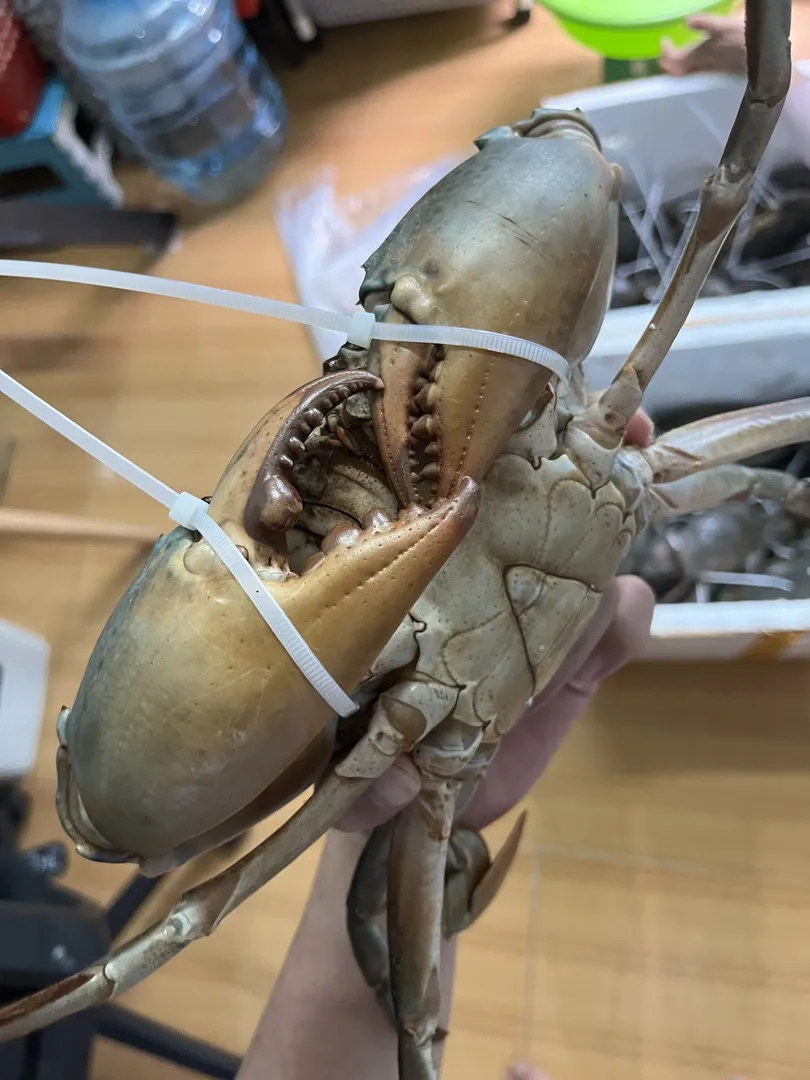
Ca Mau Jumbo Mud Crab
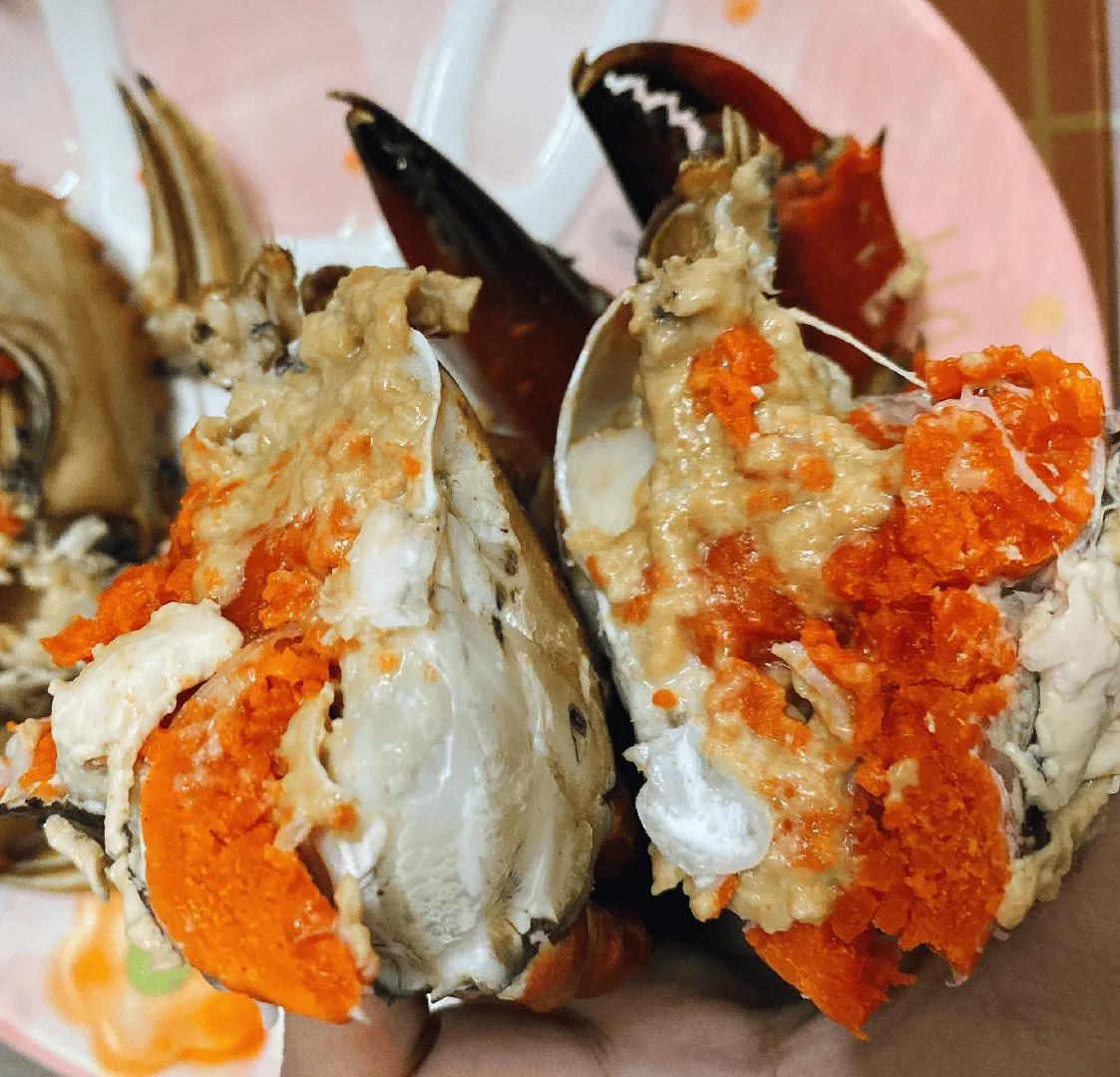
Ca Mau Roe Mud Crab
The Fishermen's Trick
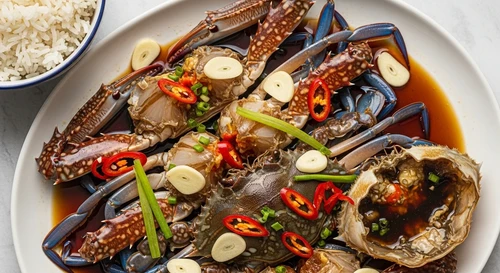
This method is so common among the fisherfolk and market vendors of places like Rach Goc, where Heritage Ingredient Fermented Mangrove Crab (Ba Khia) A traditional fermented crab specialty from the mangrove region of Rach Goc, often cited in articles about rustic Mekong Delta flavors and preserved seafood culture. The salty-sour heartbeat of the wild south, where traditional fermentation turns forest crabs into a nostalgic explosion of rustic Mekong soul.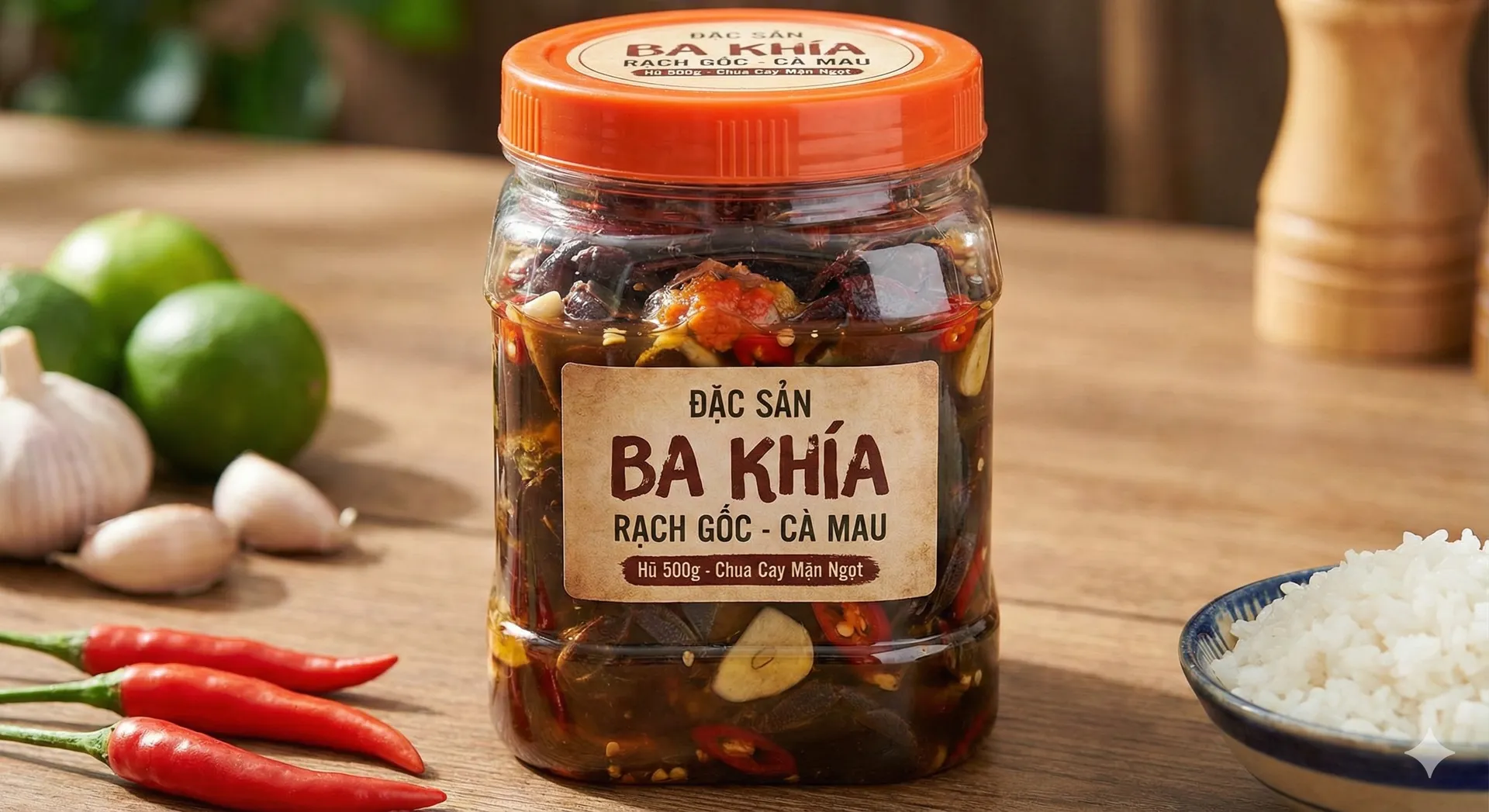
Fermented Mangrove Crab (Ba Khia)
Beyond Just Crabs
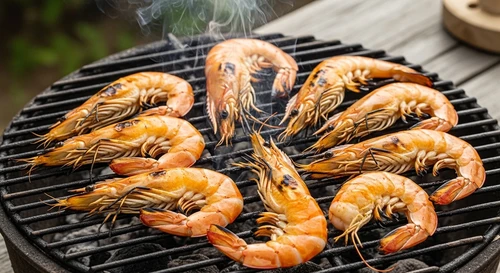
While we're focusing on crab, this trick works wonders for other seafood too – think shrimp, fish, and squid. Any time the sea's potent perfume lingers, reach for the wine.
2 Why Does White Wine Work?
It all comes down to chemistry. Seafood odor, particularly from crabs and fish, is largely due to compounds called amines, such as trimethylamine (TMA). Soaps work by emulsifying and washing away some of these compounds, but they often struggle with the deeply embedded molecules. White wine, however, brings a different approach:
Acidity
The tartness of wine, primarily from tartaric and malic acids, neutralizes the alkaline nature of amines. Think of it like an acid-base reaction, but on your hands.
Ethanol
The alcohol content in wine acts as a solvent, helping to break down and lift away the odor molecules from your skin.
Aroma Masking
While not the primary function, the pleasant, subtle aroma of wine can help mask any faint residual odors that remain.
3 The Gentle Rinse: A Simple Ritual
This isn't about drowning your hands in wine. It’s a quick, targeted application that does the job efficiently. Forget expensive vintages; a standard, dry white wine is perfect.
The Essentials
- Dry White Wine: A few tablespoons. Think Sauvignon Blanc, Pinot Grigio, or even a local Vietnamese white wine if you can find one. Avoid sweet dessert wines.
- Your Hands: The most important tool!
The Steps
- After washing with soap (optional, but recommended for general hygiene), dry your hands thoroughly.
- Pour a small amount of white wine (about a tablespoon or two) into your palm.
- Gently rub your hands together, as if you were applying hand sanitizer, ensuring you cover all surfaces, especially between fingers and around nails.
- Let it sit for about 30 seconds to a minute.
- Rinse your hands thoroughly with cool water.
- (Optional) Wash with soap again if you prefer a completely neutral scent before drying.
4 The Culture of Hands-On Eating
In many cultures, especially across Southeast Asia and particularly in the Mekong Delta, eating with your hands is not just practical; it’s a deeply ingrained cultural practice. It fosters a more intimate connection with the food, allowing you to feel the textures and truly appreciate the ingredients. Crab, with its intricate shells and succulent meat, is a prime example where hands-on dining is not just preferred but almost essential.
This ritual of cleaning hands afterwards is as much a part of the meal as the cracking of the first claw. It’s a small ceremony that signifies the end of a satisfying culinary journey. The white wine method is a testament to this tradition – a simple, elegant solution that respects both the diner and the food.
This technique highlights how local communities in Vietnam, facing specific challenges like persistent seafood odors, develop ingenious and practical solutions using readily available resources.
5 Other Odor-Busting Heroes
While white wine is our star today, the resourceful spirit of home cooks means there are other effective methods if you find yourself wine-less:
Lemon or Lime
Rubbing hands with a cut lemon or lime wedge works similarly to wine, using its citric acid to neutralize amines.
Stainless Steel
Rubbing your hands on a stainless steel object (like a spoon or a dedicated stainless steel "soap" bar) under running water is surprisingly effective at binding with odor molecules.
Salt Scrub
A paste of salt and a little water can help exfoliate and remove odor particles.
6 A World of Delta Flavors
While crab is a celebrated star, the Mekong Delta's culinary landscape is vast and varied. The rivers and coastlines teem with life, offering an incredible array of ingredients that form the backbone of Southern Vietnamese cuisine. From succulent shrimp harvested from mangrove aquaculture to unique freshwater fish and fermented delicacies, the region is a treasure trove for food lovers.
Understanding simple techniques like the wine rinse for crab allows us to better appreciate the hands-on culture that defines eating here. It’s a culture that values freshness, celebrates community, and finds clever, practical solutions using the gifts of the land and water. So next time you enjoy a plate of fresh seafood, remember the wisdom that comes from the heart of the Mekong.
Frequently Asked Questions
❓ Will the wine stain my hands?
🤔 Can I use leftover wine?
👨🍳 Does the type of wine matter a lot?
7 A Taste of Tradition, A Scent of Cleanliness
In a world obsessed with complex gadgets and chemical solutions, it's refreshing to find such an effective and elegant remedy in something as simple as a splash of white wine. It’s a reminder of the resourcefulness and deep culinary knowledge that thrives in places like the Mekong Delta, where tradition and practicality go hand-in-hand.
So, the next time you indulge in the exquisite pleasure of crab, or any seafood for that matter, don't let the lingering odor be a detractor. Embrace this ancient, effective trick, and keep your hands – and your connection to the sea – perfectly clean.