The sun beat down on the vast network of ponds in Central Vietnam. For years, these shimmering waters held the promise of prosperity – ornate rock lobsters, plump and destined for the insatiable appetites of a giant neighbor. Then, in 2026, the market changed. The music stopped, and thousands of farmers were left holding an empty net.
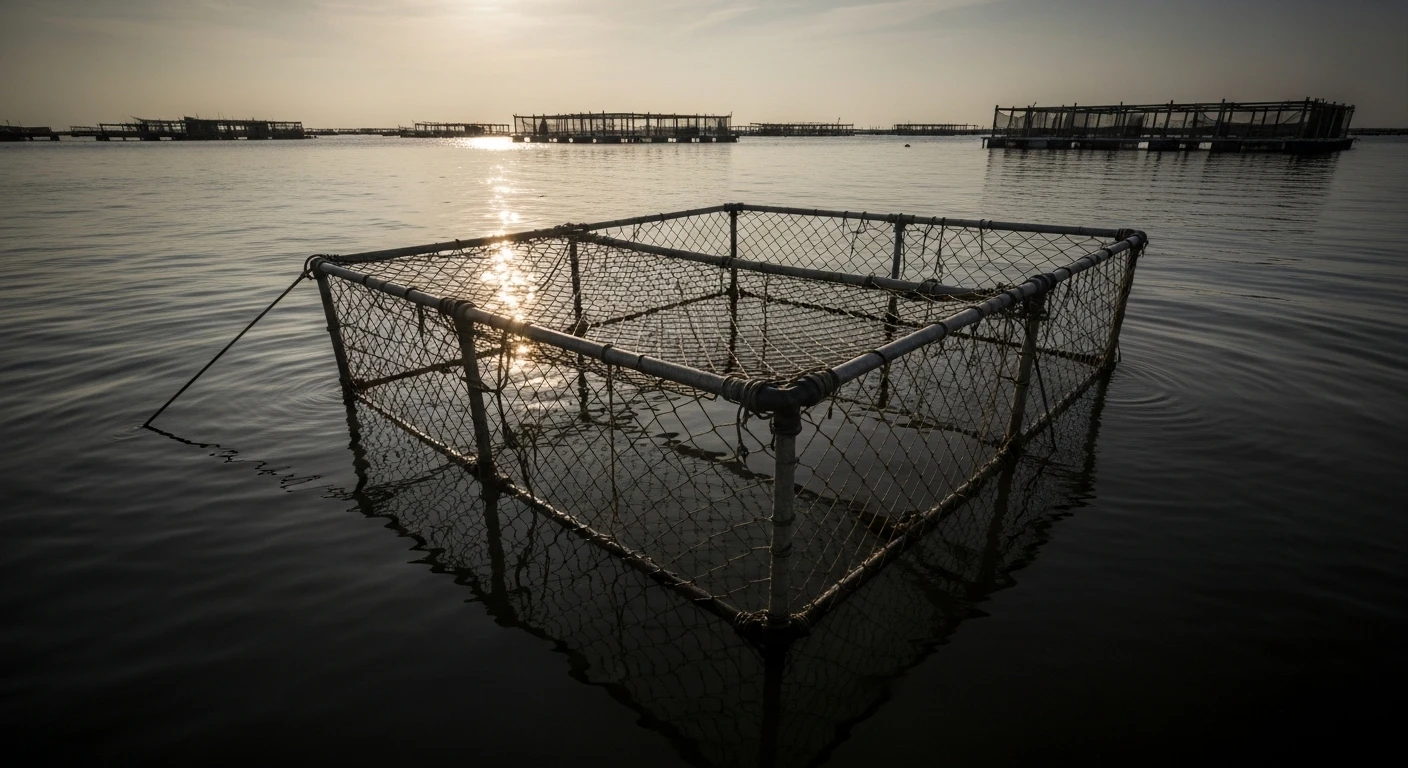
📸 The bright promise of lucrative aquaculture, now shadowed by uncertainty.
1 The Golden Age of the Crab & Lobster
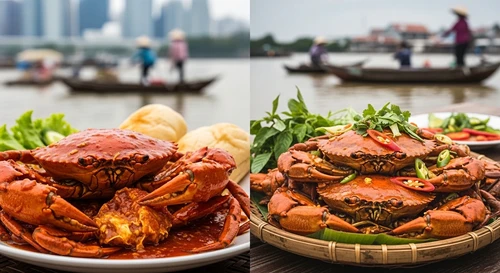
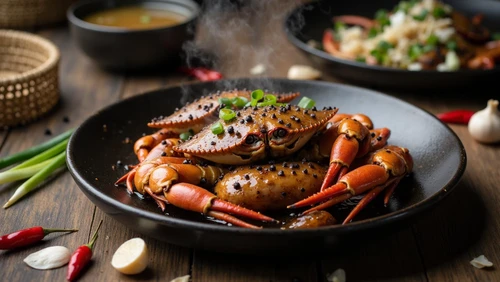
For decades, the Mekong Delta and coastal regions of Central Vietnam have been bastions of incredible seafood. From the famed mud crabs of Ca Mau, with their rich roe and meaty claws, to the sweet, firm flesh of Black Tiger shrimp harvested from mangrove forests, the region has fed itself and the world. Aquaculture, particularly of crustaceans, became a powerful engine of economic growth. Ornate rock lobsters, known for their striking appearance and delicate flavor, emerged as a high-value species, particularly sought after for export markets.
These weren't just farms; they were intricate ecosystems. Farmers meticulously managed water quality, feed, and cage densities, all while navigating the tidal rhythms of the coast. The industry created livelihoods for thousands, from the fishermen who supplied juvenile stock to the laborers who tended the cages and the logistics teams who ensured their swift journey to market. The allure of the billion-population market to the north was undeniable, promising steady demand and premium prices.
Mekong's Richness
The brackish waters and extensive coastlines of Central Vietnam provide ideal conditions for diverse marine life and aquaculture. The region is renowned for its premium seafood, forming the backbone of many local economies.
Aquaculture Boom
Driven by global demand, Vietnam's seafood aquaculture sector experienced exponential growth. Lobster farming, in particular, became a lucrative enterprise for many coastal communities, especially targeting export markets.
The ornate rock lobster, a prized catch, became a symbol of this success. Its distinctive shell and sweet, firm meat commanded high prices, making farmers optimistic about the future. They invested heavily, expanding their operations, confident in the established trade routes and the seemingly limitless demand from their northern neighbor.
2 The Unforeseen Trade Barrier
Then came the seismic shift. In early 2026, geopolitical tensions and evolving trade policies led to the imposition of stringent, and in many cases, unexpected, restrictions on cross-border imports from Vietnam into a major billion-population market. For the ornate rock lobster industry, this was akin to a dam bursting. The primary conduit for their most valuable product was suddenly choked off.
Policy Shift
New regulations, citing concerns over various trade practices, food safety standards, or potentially even diplomatic leverage, dramatically reduced or halted the flow of Vietnamese seafood, including lobsters, into a crucial export destination.
Market Dependence
The problem was compounded by a high degree of market dependence. Many farmers and traders had focused heavily on this single, lucrative market, neglecting to build robust alternative export channels or domestic consumption strategies.
This wasn't a minor hiccup; it was a systemic shock. The carefully constructed supply chains, which relied on timely shipments and consistent demand, fractured overnight. Lobsters, live and perishable, began to pile up. The intricate dance of supply and demand had been violently interrupted, and the consequences were immediate and devastating.
3 A Glut in the Market
With the primary export door slammed shut, thousands of tons of ornate rock lobsters found themselves with nowhere to go. Farmers, facing mounting feed costs and the sheer impossibility of keeping live lobsters indefinitely, were forced to release their stock into the market at any price. This created an unprecedented glut, a colossal oversupply that drowned out any semblance of stable pricing.
Imagine a small boat laden with precious cargo, suddenly finding its usual port closed. The captain, desperate to avoid losing everything, tries to offload the goods onto any nearby shore, regardless of the price. This is what happened across the coastlines of Central Vietnam. The beautiful, ornate lobsters, once fetching premium prices, were suddenly available in quantities that overwhelmed local demand and any alternative, smaller export markets.
The Wholesale Flood
Farmers and middlemen, desperate to recoup even a fraction of their costs, offloaded lobsters at rock-bottom prices to local wholesalers. This created a ripple effect of low prices throughout the domestic market.
The Price Collapse
The sheer volume of lobsters available meant that prices plummeted. What was once a premium product became a commodity, its value slashed by over 70-80% in some cases, far below the cost of production.
Farmers' Despair
Thousands of farmers, many of whom had taken out loans to invest in their operations, found themselves unable to cover feed costs, let alone repay their debts. The dream of prosperity turned into a nightmare of financial ruin.
Echoes of the Crisis in the Delta
The crash wasn't just an economic statistic; it was a human tragedy unfolding along the coastlines and waterways that define life in Central and Southern Vietnam.
Economic Ruin
Families who had invested their life savings faced bankruptcy. The ripple effect impacted suppliers, transport, and related service industries, creating widespread unemployment.
Social Strain
The stress and uncertainty led to social strain within communities, impacting family well-being and community cohesion. The optimism that aquaculture once brought was replaced by fear.
Loss of Livelihood
For many, lobster farming was not just a job but a way of life passed down through generations. This crisis threatened that heritage, forcing many to seek alternative, often less lucrative, forms of employment.
This vulnerability isn't unique to lobsters. Relying heavily on a single market for any high-value aquaculture product from Vietnam carries inherent risks. The challenge is to build resilience.
The Anatomy of the Crisis
While the immediate cause was the border closure, the severity of the crash points to deeper systemic issues:
🎯 Over-reliance on a Single Market
🏭 Lack of Diversification in Aquaculture
🚦 Insufficient Emergency Response Mechanisms
🌐 Global Market Volatility
6 Rebuilding and Adapting
The road to recovery for these communities is long and arduous. It requires strategic planning, government support, and a fundamental shift in how the industry operates. Key areas for focus include:
Market Diversification
Exploring new export markets beyond the traditional one is paramount. This includes strengthening trade relationships with countries in Southeast Asia, Japan, Korea, Australia, and even North America, while also bolstering the domestic market through promotion and improved distribution.
Value Addition & Processing
Moving beyond live exports, developing capabilities in processed lobster products (e.g., frozen tails, pre-cooked meat, value-added snacks) can open new market segments and reduce reliance on immediate perishability.
Sustainable Practices & Certifications
Adopting globally recognized sustainability certifications (e.g., ASC for aquaculture) can build trust with new international buyers and potentially unlock markets with higher ethical and environmental standards.
Government Support & Infrastructure
Investment in research and development, financial aid for farmers, improved cold chain infrastructure, and proactive trade diplomacy are essential to help the sector navigate these challenges.
The ornate rock lobster, once a symbol of prosperity, now serves as a stark reminder of the fragility of global supply chains and the critical need for resilience in aquaculture. The spirit of the Mekong Delta, however, is one of adaptation. The communities that have thrived for centuries along its rivers and coastlines will undoubtedly find new ways to navigate these turbulent waters.
7 Lessons from the Crash
The 2026 lobster price crash is more than just a story about one seafood commodity. It’s a cautionary tale for Vietnam’s entire aquaculture sector, which is increasingly integrated into global markets. The nation's robust seafood industry, encompassing everything from the iconic Ca Mau mud crabs and sweet Mekong giant freshwater prawns to the ubiquitous whiteleg shrimp, faces similar risks if supply chains are overly dependent on single markets or specific export types.
The future success of Vietnamese aquaculture hinges on its ability to adapt to a more complex and unpredictable global trade landscape. This means investing in broader market access, developing a wider array of high-value processed products, and championing sustainable practices that meet international standards. The resilience demonstrated by communities along the Mekong Delta, their deep understanding of the waters and their ability to innovate, will be crucial in shaping a more stable and prosperous future for Vietnam's vital seafood industry.
Supporting Sustainable Seafood
As consumers, we play a role in fostering a more resilient and equitable seafood industry.
Seek Diverse Origins
When purchasing seafood, inquire about its origin. Supporting producers who have diversified their markets can help create more stability.
Value Sustainability
Look for certifications and inquire about farming practices. Sustainable aquaculture benefits both the environment and the long-term viability of these industries.
Explore Local & Processed
Try local varieties or look for sustainably farmed and processed seafood products, which often have a more stable supply chain.
Stay Informed
Understanding the market dynamics and challenges faced by seafood producers helps foster appreciation for the food on our plates.