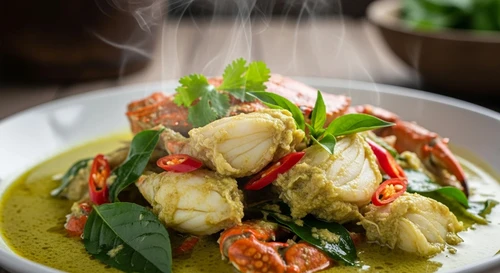
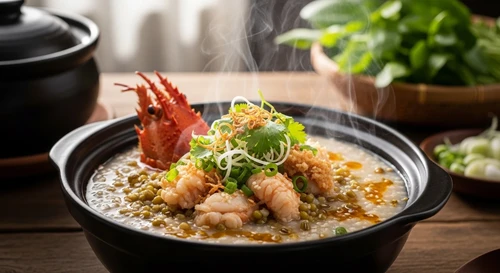
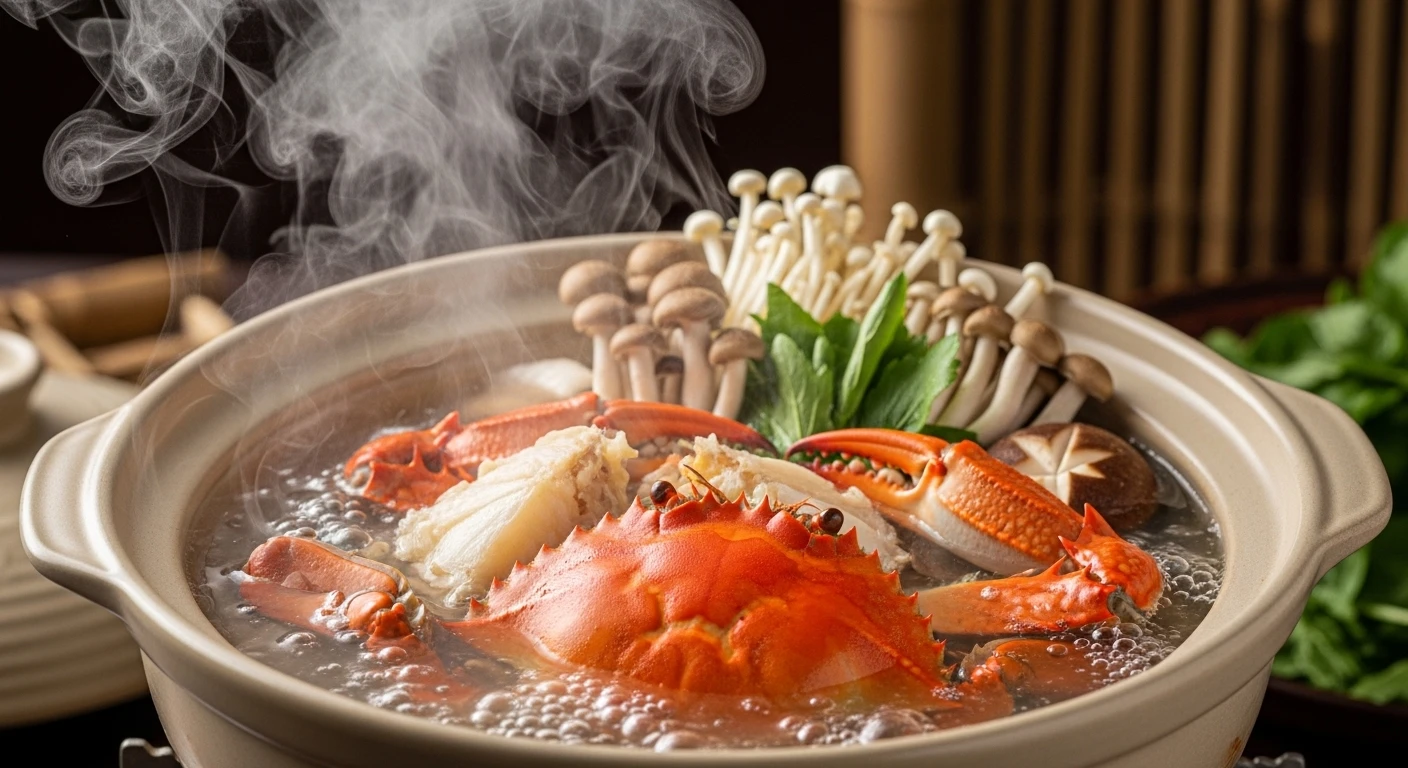
" The Mekong Delta is a place where earth meets water, where humble field crabs are as prized as their ocean-faring cousins. And when you pair that with the emerald jewels of the sea – the mantis shrimp – you're not just cooking; you're weaving a culinary story. "
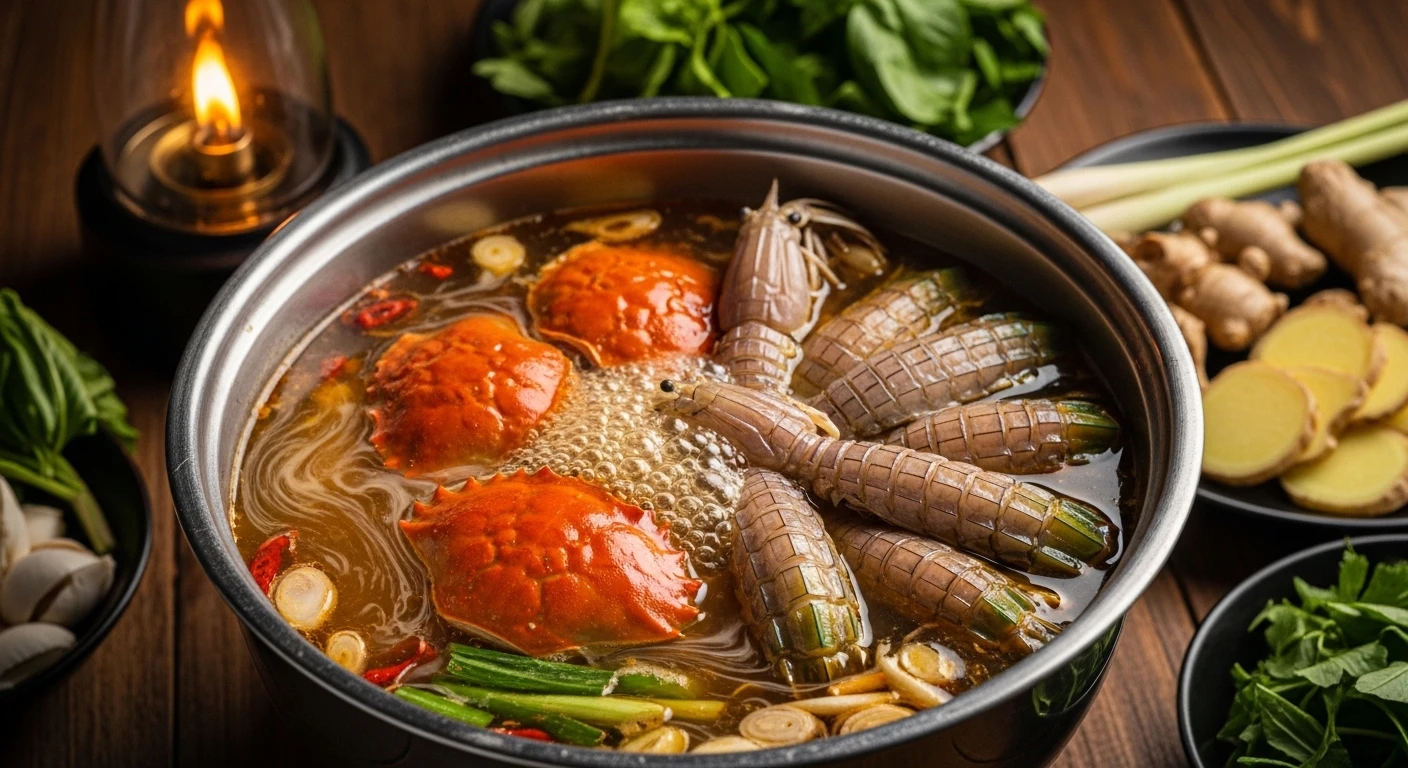
📸 A vibrant tableau: The sweet essence of the Delta in every spoonful.
1 The Humble Origin: Field Crabs of the Mekong
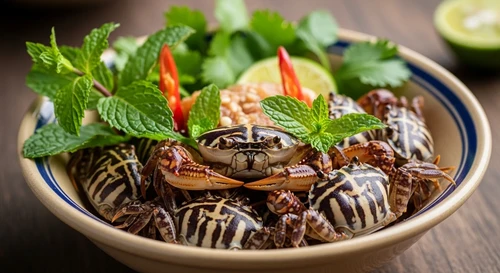
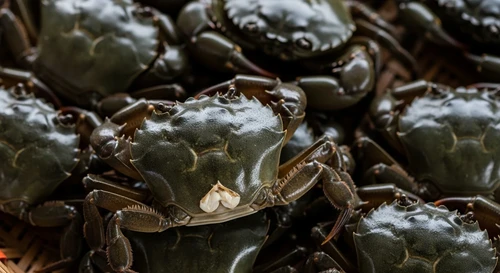
Forget the vast, open sea for a moment. In the heart of Vietnam's Mekong Delta, life pulses not just in the mighty Mekong River, but in the intricate network of irrigation canals, rice paddies, and mangrove forests. This is the domain of the field crab (cua đồng). These aren't the colossal mud crabs you see on restaurant menus; they are smaller, tougher-shelled, and possess an intensely earthy, slightly sweet flavor born from their diet of aquatic plants and detritus.
For generations, field crabs have been a staple, a peasant's delicacy, often laboriously pounded to extract their vibrant, orange-red paste. This paste is the soul of many Southern Vietnamese dishes, lending a profound depth and unmistakable sweetness to broths.
The Magic Paste
The true magic of field crabs lies in their paste. The roe, along with the minced body meat, is pounded into a fine, rich paste. This is the flavor base that perfumes the hotpot broth, a concentrated essence of the Delta's fertile lands.
From Field to Pot
Catching field crabs is a meticulous process, often done by local farmers. Their inclusion in a dish signifies resourcefulness and a deep respect for every element the Delta provides.
Heritage Ingredient
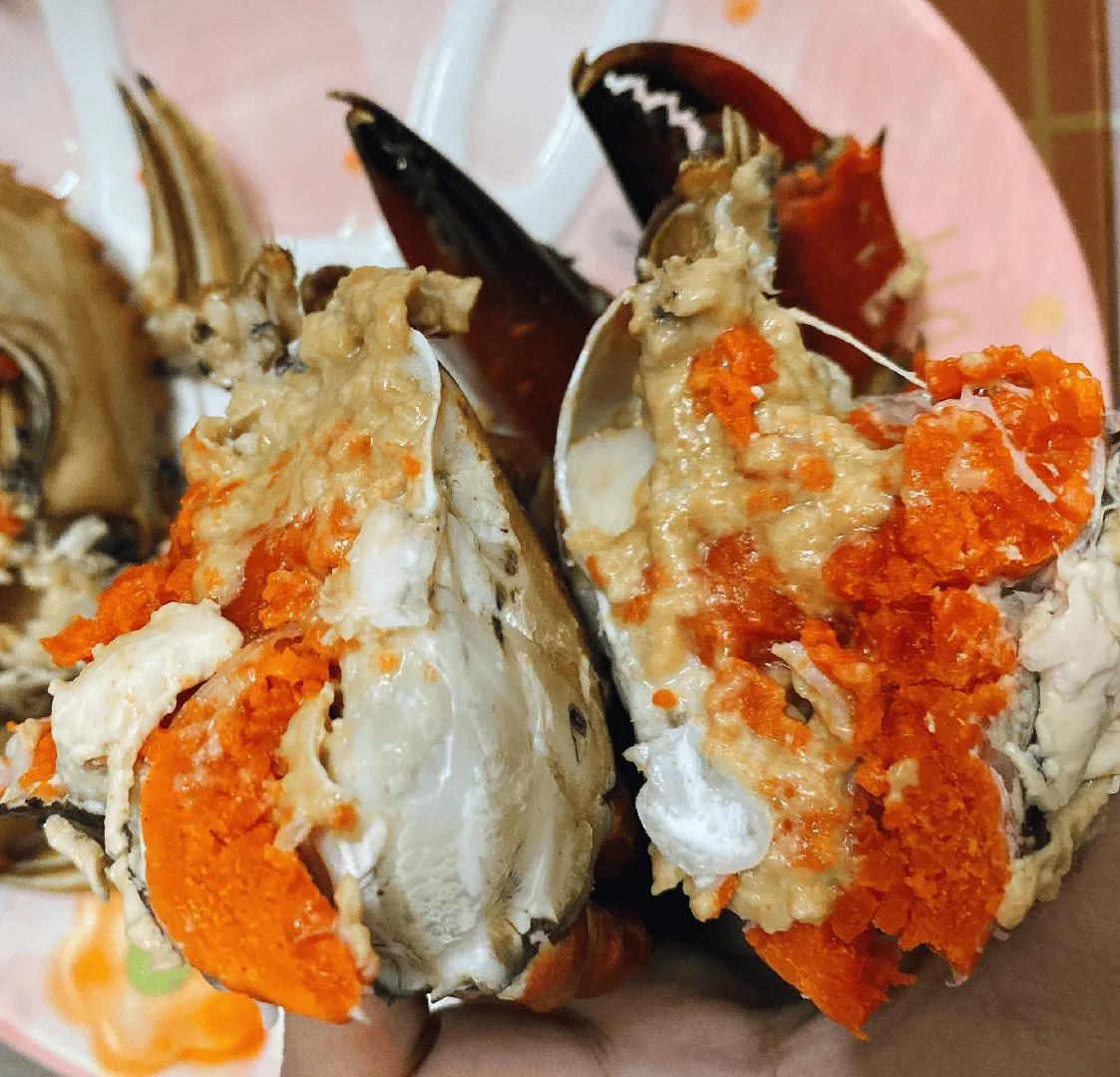
Ca Mau Roe Mud Crab
Ca Mau Roe Mud Crab
A female mud crab known for deep orange roe and a rich, creamy finish, often featured in celebratory Southern Vietnamese seafood meals.
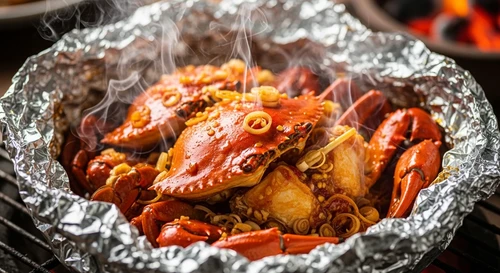
A crimson treasure hidden within a shell, boasting rich, creamy roe that melts on your tongue like a golden sunset over the delta.
2 The Ocean's Jewel: Mantis Shrimp
Contrast this earthy foundation with the vibrant, briny intensity of mantis shrimp. Often called "sea locusts" or "prawn tigers," these crustaceans are a far cry from their terrestrial namesakes. Their segmented bodies, often adorned with striking patterns, house incredibly sweet, firm flesh.
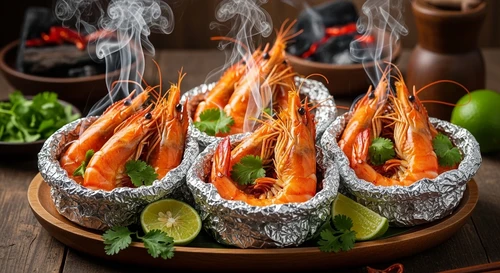
In the coastal regions bordering the Mekong Delta, mantis shrimp are a prized catch. Their sweet liquor, when cooked, infuses broths with an unparalleled oceanic richness. For this hotpot, we use them whole – shells on – to maximize flavor extraction and present them as the majestic sea creatures they are.
Heritage Ingredient
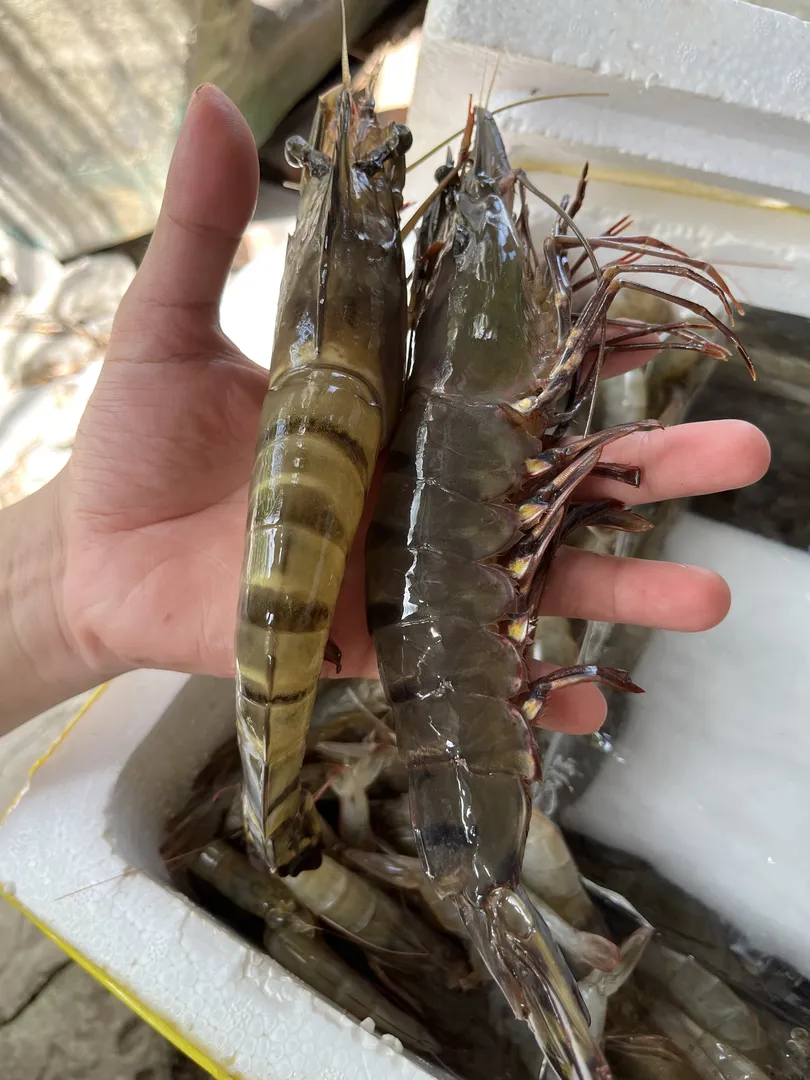
Ca Mau Black Tiger Shrimp
Ca Mau Black Tiger Shrimp
Large black tiger shrimp associated with mangrove aquaculture in Ca Mau, known for firm flesh and a cleaner, sweeter finish than intensively farmed shrimp.
Wild spirits of the mangroves, these black-banded gems deliver a firm, snappy texture and a sweetness that echoes the forest's vibrant life.
3 The Alchemy: Marrying Earth and Sea
The genius of this hotpot lies in its broth. It's a delicate dance where the deep, umami-rich essence of field crab paste meets the clean, bright sweetness of mantis shrimp. This isn't a heavy, spice-laden affair. It's about purity, about allowing the natural flavors to converse and complement each other.
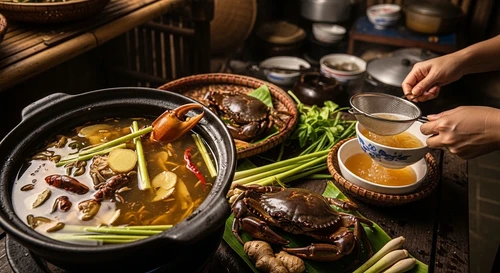
We start with a base of water or light chicken stock, then introduce the star: the field crab paste. Gently simmered, it releases its golden hue and subtle sweetness. As the mantis shrimp join the party, their shells unfurl layers of oceanic liquor, enriching the broth and adding a contrasting, yet harmonious, sweetness. The result is a broth that is both profound and delicate, a true taste of the Mekong's culinary soul.
4 The Ritual: A Mekong Delta Gathering
In the Mekong Delta, a hotpot is rarely a solitary affair. It's an invitation to gather, to share, to connect. The communal pot, bubbling at the center of the table, becomes a focal point for stories, laughter, and the simple pleasure of good food shared.
Alongside the star ingredients, a typical Mekong hotpot is adorned with an array of fresh accompaniments:
The Greens & Grains
- Fresh Noodles: Thin rice vermicelli (bún) or flat rice noodles (bánh canh) are essential for soaking up that glorious broth.
- Leafy Greens: Water spinach (rau muống), mustard greens (cải xanh), or even simple lettuce leaves provide a refreshing crunch and balance.
- Herbs: A generous mound of fresh herbs like mint, basil, and cilantro adds fragrance.
The Supporting Cast
- Tofu: Silken tofu cubes absorb the broth beautifully.
- Vegetables: Sliced mushrooms, okra, and squash are common additions.
- Egg: A whisked egg can be drizzled into the broth towards the end for added richness, creating delicate ribbons.
5 The Art of Assembly
This isn't a rigid recipe, but a guideline to capture the spirit of a Mekong Delta family meal.
The Base
- Crab Paste: Start with a generous amount of good quality field crab paste (freshly made is best, but good frozen paste can work).
- Liquid: Use water for the purest flavor, or a very light, low-sodium chicken or seafood broth.
- Aromatics: Smashed lemongrass, a knob of ginger, and perhaps a few kaffir lime leaves add fragrant top notes without overpowering.
The Jewels
- Mantis Shrimp: Cleaned whole mantis shrimp.
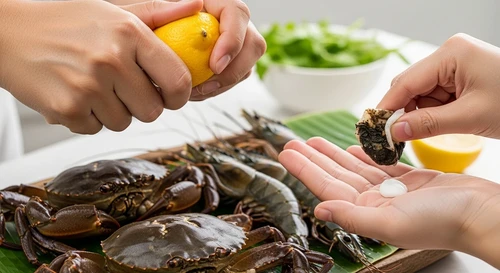
- Optional Additions: For those who love a richer crab flavor, consider adding some whole live mud crab (like the Ca Mau Roe Crab) for an extra layer of sweetness and body.
- Seasoning: A touch of fish sauce and a pinch of sugar to balance the natural sweetness.
The Perfect Partner: Nuoc Cham Variation 🌶️
While the broth is the star, a good dipping sauce elevates every bite. For this delicate hotpot, a bright, fresh sauce is key.
1. Nuoc Mam (Fish Sauce)
High quality Vietnamese fish sauce is the base.
2. Lime & Chili
Fresh lime juice for acidity, fresh red chilies (or bird's eye) for heat.
3. Garlic & Sugar
Minced garlic and a touch of sugar to balance the salty-spicy-sour notes.
Add a tiny bit of the hotpot broth itself to your dipping sauce for an extra layer of flavor synergy.
6 The Mekong's Legacy: Beyond the Plate
This hotpot is more than just a meal; it's a microcosm of the Mekong Delta's philosophy. It's about utilizing every gift the land and water provide, from the humble field crab to the prized ocean shrimp. It speaks of resilience, of community, and of a deep, abiding connection to the environment.
When you taste this hotpot, you're not just tasting seafood; you're tasting the very essence of a region that thrives on the bounty of its waterways. It’s a reminder that the most profound flavors often come from the simplest, most honest ingredients, prepared with respect and shared with love.
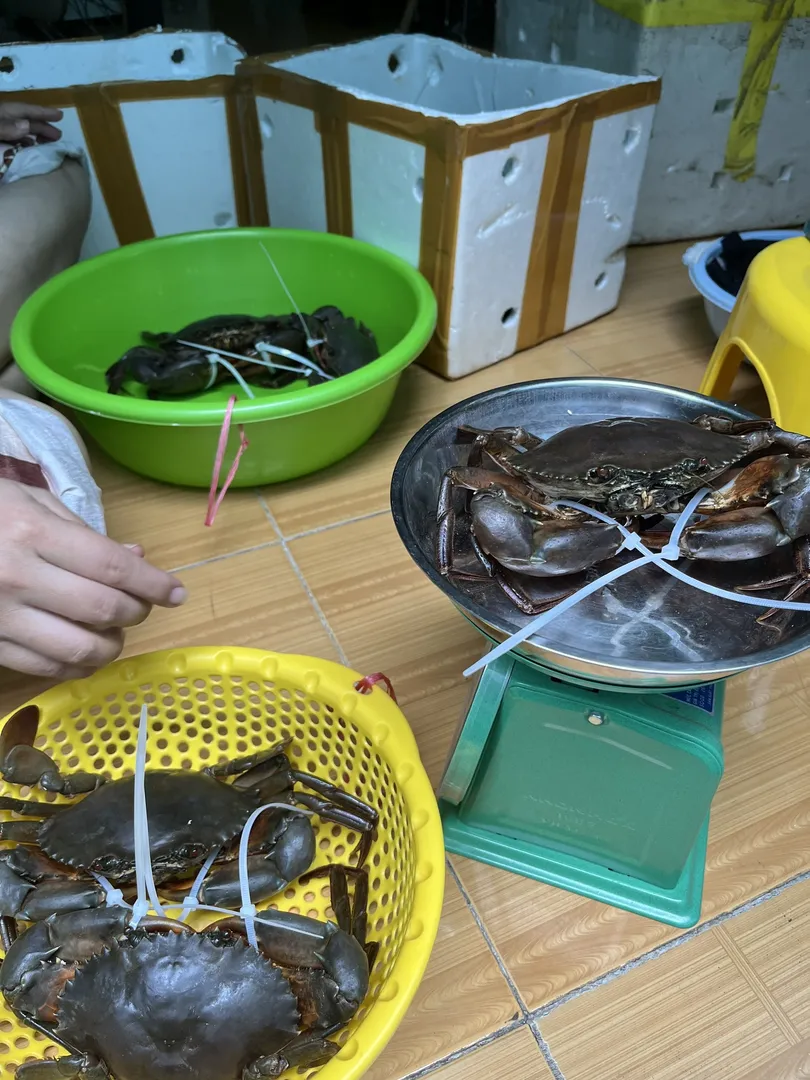
Heritage Ingredient
Ca Mau Roe Crab Family Box
Ca Mau Roe Crab Family Box
A multi-crab pack that helps illustrate what a family-size roe crab purchase or shared seafood meal can look like in Southern Vietnam.
A feast of shared joy, bringing the vibrant red of premium roe crabs to your table for a memorable family gathering filled with laughter and flavor.
7 A Chef's Kiss: The Lingering Taste
It's the duality. The earthy undertones of the field crab paste ground the dish, preventing the sweetness of the mantis shrimp from becoming cloying. The mantis shrimp, in turn, lift the broth with their oceanic brightness, creating a complex, layered flavor profile that is utterly addictive. It’s a masterclass in balancing robust and delicate notes, a testament to the culinary wisdom of the Mekong Delta.
This isn't just a meal; it's an experience. It’s the warmth of the broth, the vibrant colors of the ingredients, the communal spirit, and the unforgettable taste that lingers long after the last drop has been savored.