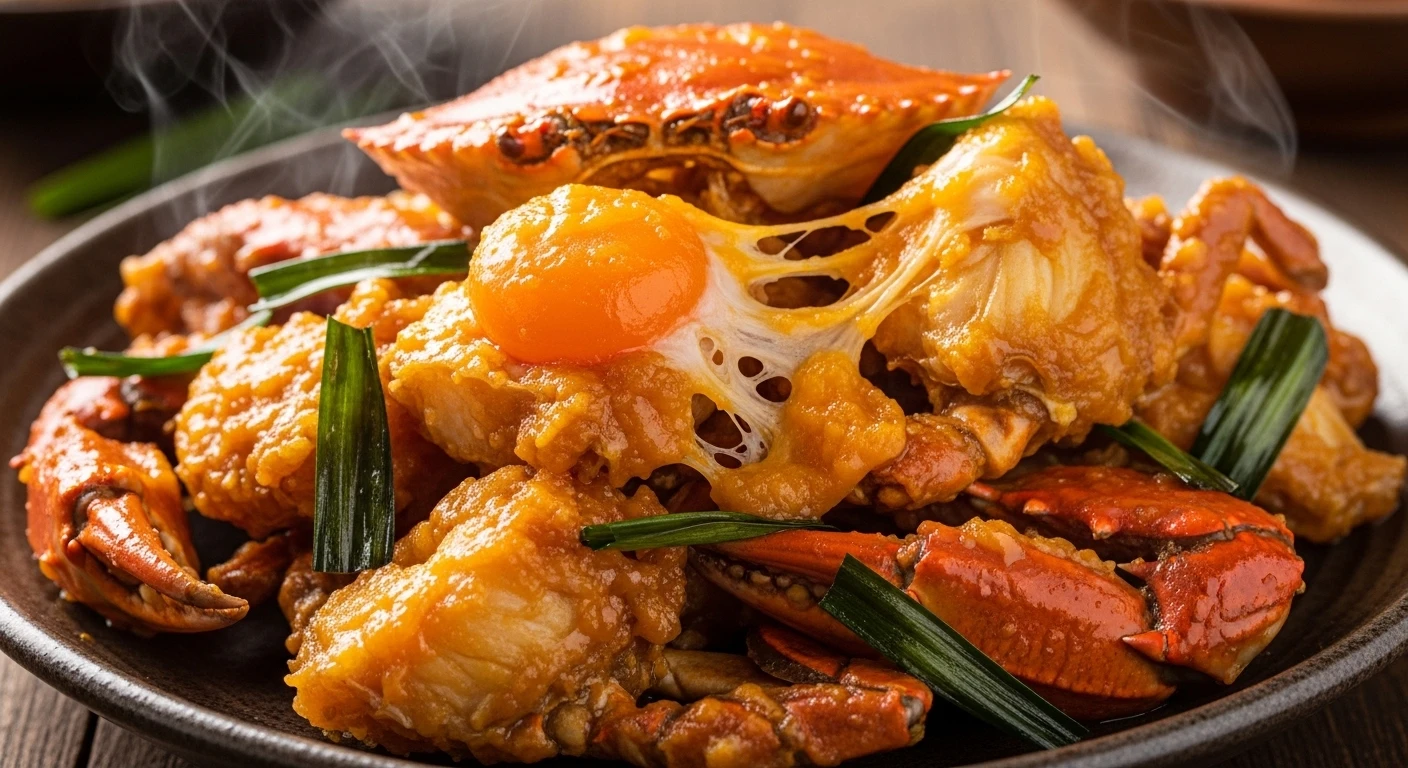
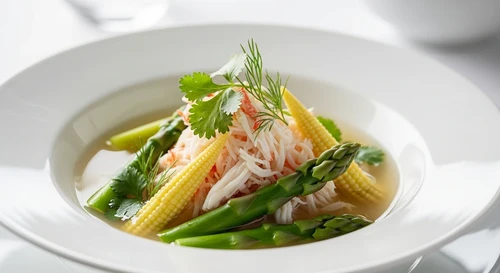
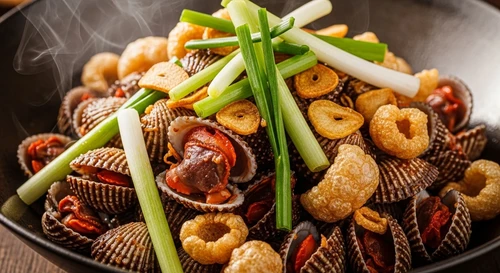
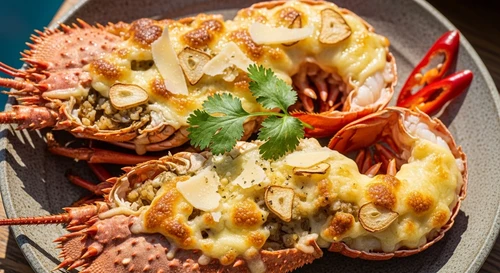
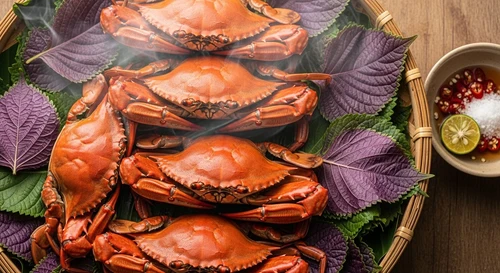
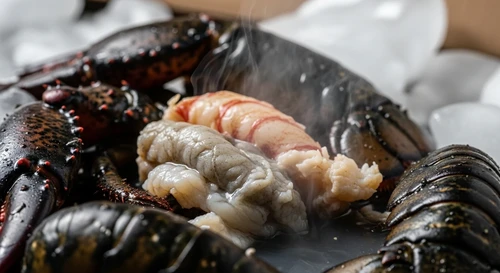
" Forget your delicate plating. This is about primal, finger-licking, beer-sloshing, fire-kissed grub. This is the soul of the Mekong at its most exhilarating. "
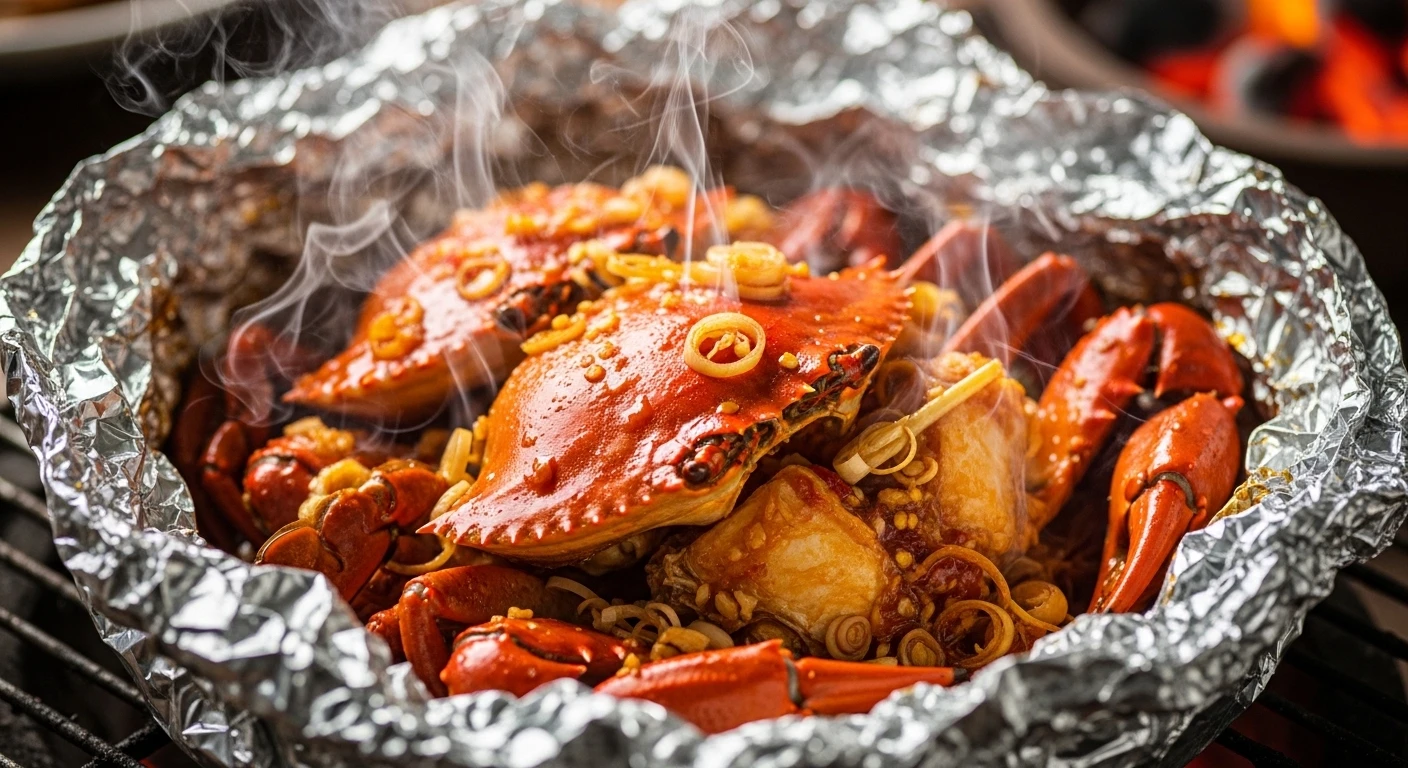
📸 The reveal: Foil packets bursting with aromatic steam.
1 The Mekong Delta: A Crucible of Flavor
Travel through the labyrinthine waterways of Vietnam's Mekong Delta, and you'll discover a food culture as vibrant and complex as the ecosystem itself. It's a land where the rivers give life, and the earth yields an abundance of seafood and produce. Here, ingredients aren't just sustenance; they are stories, passed down through generations. The culinary landscape is a glorious fusion of necessity and ingenuity, shaped by the bounty of the sea and the fertile river plains.
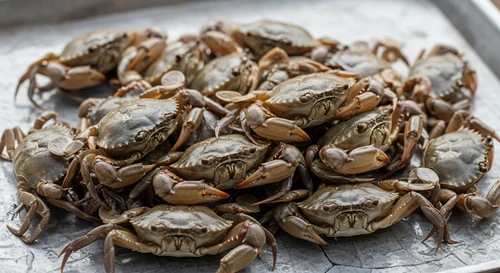
Among the myriad of dishes that grace the tables of this region, seafood holds a place of honor. And when it comes to crab, the legendary mud crabs from Ca Mau province are the undisputed royalty. Prized for their dense, sweet meat and rich roe, these crustaceans are the heart of many celebrated dishes. While grilling and steaming are common, there's a rustic, elemental method that truly captures their essence, especially when combined with the region's fiery spirit: baking them in foil over charcoal.
This isn't about subtlety; it's about maximizing impact. Wrapping the crab in foil with a potent, aromatic sauce creates a personal flavor-delivery system. The charcoal fire imbues a smoky depth, while the enclosed packet steams the crab in its own juices, infused with the vibrant Sa Te. It’s the kind of dish that demands your full attention, that makes you roll up your sleeves, and that perfectly complements a cold, crisp beer on a sweltering afternoon.
Ca Mau Crab: The Jewel of the Delta
The mud crabs from Ca Mau are legendary for their firm, sweet flesh and rich, creamy roe. Whether you find a meaty mud crab for its substantial claws
Heritage Ingredient Ca Mau Jumbo Mud Crab A large male mud crab prized for dense, sweet meat and thick claws, commonly used in steamed crab and grilled crab dishes across the Mekong Delta. An icon of coastal culinary heritage, featuring firm, sweet meat that captures the raw power and freshness of Ca Mau's tides. Heritage Ingredient Ca Mau Roe Mud Crab A female mud crab known for deep orange roe and a rich, creamy finish, often featured in celebratory Southern Vietnamese seafood meals. A crimson treasure hidden within a shell, boasting rich, creamy roe that melts on your tongue like a golden sunset over the delta.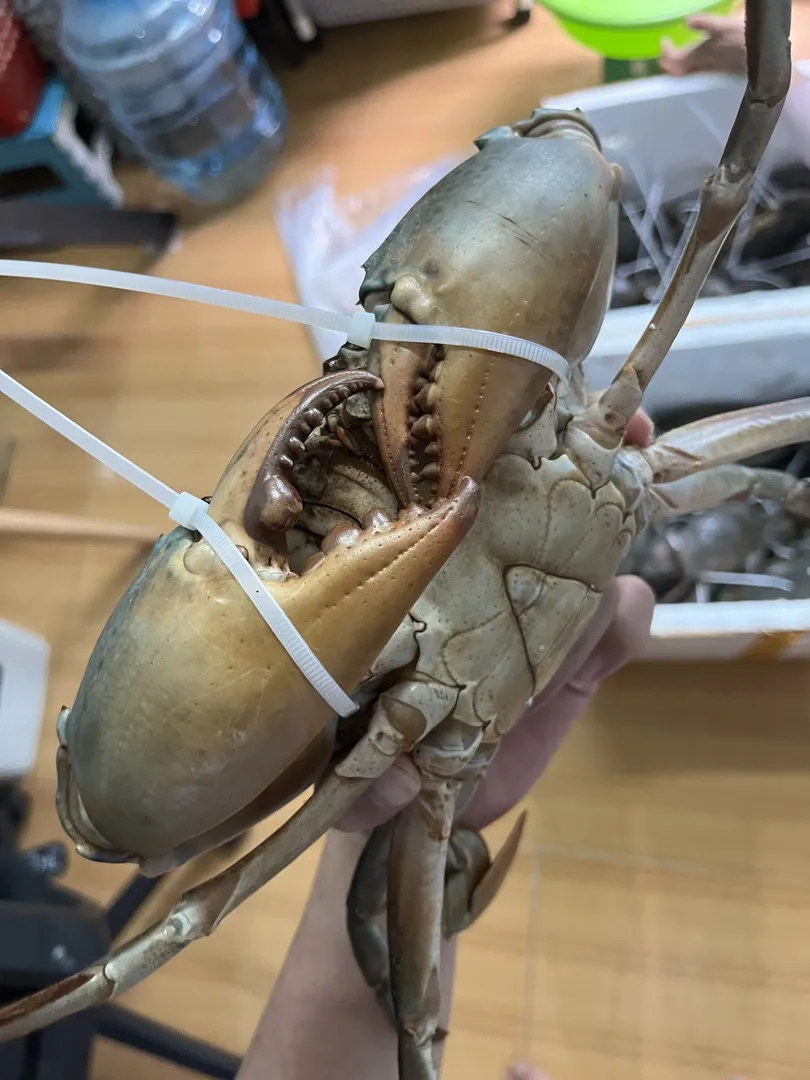
Ca Mau Jumbo Mud Crab
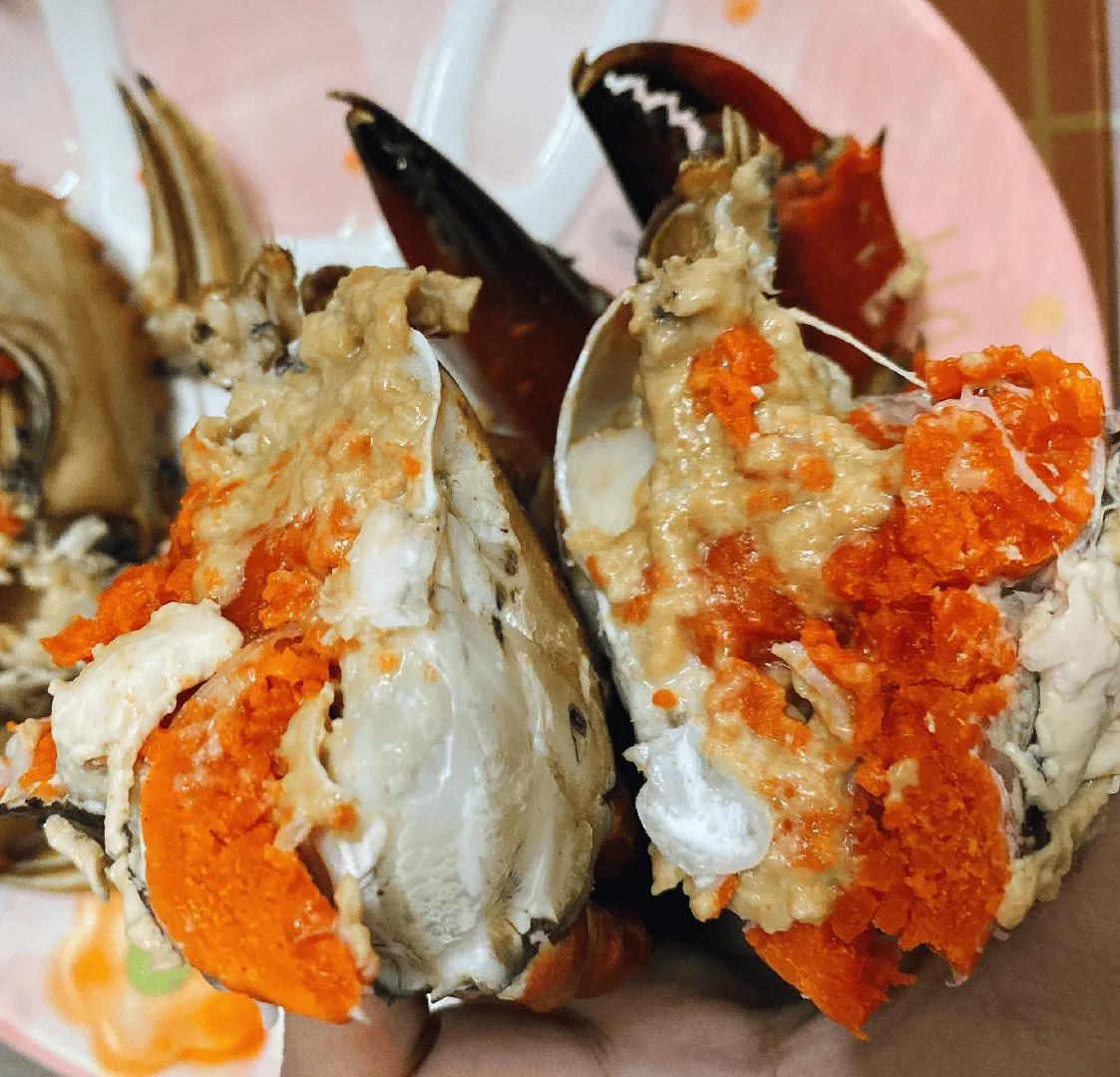
Ca Mau Roe Mud Crab
Sa Te: The Fiery Soul
Sa Te sauce is not for the faint of heart. It's a complex concoction typically featuring chili, garlic, shallots, lemongrass, and often shrimp paste or chili oil. Its heat is balanced by aromatic depth, making it a perfect foil for the sweetness of fresh crab. It's a flavor profile that screams Southern Vietnam.
2 The Art of Foil Wrapping: Maximizing Flavor
Why aluminum foil? It's a simple tool that unlocks a world of flavor. Unlike direct grilling, foil packets trap moisture and steam, essentially creating a mini oven for each crab. This method ensures the crab cooks evenly in its own juices, becoming incredibly tender. More importantly, it allows the Sa Te sauce to cling and penetrate the meat, infusing every morsel with its spicy, aromatic goodness. The charcoal fire adds that essential smoky char that elevates the dish from merely delicious to unforgettable. It’s a nod to the primal way of cooking, a direct connection to the fire and the earth.
This cooking technique is particularly suited for the robust flavors found in Southern Vietnamese cuisine. It’s a method that respects the ingredient while amplifying its natural qualities with bold accompaniments. Imagine the scene: a smoky charcoal grill, the pungent aroma of Sa Te, the sweet scent of crab – it’s a sensory explosion waiting to happen.
3 Gather Your Provisions: The Essential List
The Star: Crab
- Fresh Live Mud Crabs: Aim for plump, lively crabs. Size matters for cooking time. (~500-700g each is ideal).
- Quantity: As many as you can handle! This is drinking food, meant for sharing.
The Fiery Heart: Sa Te Sauce
- Chili: Fresh red chilies (Thai bird's eye for serious heat), or dried chili flakes.
- Aromatics: Garlic, shallots, lemongrass – finely minced or pureed.
- Oil: Neutral cooking oil (like vegetable or canola) or chili oil for extra punch.
- Seasoning: Fish sauce, a touch of sugar, and perhaps a pinch of shrimp paste for umami depth.
- Optional: A splash of lime juice or rice vinegar for acidity.
The Ensemble
- Aluminum Foil: Heavy-duty is best to prevent leaks.
- Charcoal: For that essential smoky char.
- Garnish: Fresh cilantro, lime wedges.
The Perfect Pair (Drinking Food!)
- Cold Beer: Essential.
- Baguette: For dipping into the glorious sauce.
- Steamed Rice: For those who prefer a heartier meal.
4 Crafting the Sa Te Magic
The heart of this dish lies in the Sa Te. While you can buy pre-made versions, making your own allows you to tailor the heat and aromatics to your preference.
- Prepare the Aromatics: Finely mince or blend garlic, shallots, lemongrass, and fresh chilies. The finer the mince, the more surface area for flavor.
- Infuse the Oil: Gently heat a good amount of neutral oil in a pan. Add the minced aromatics and chili flakes (if using dried). Cook over low heat, stirring frequently, until fragrant and lightly golden. Be careful not to burn them. This process extracts their essence into the oil.
- Season Boldly: Stir in fish sauce, a pinch of sugar (to balance the heat), and optionally, a small amount of shrimp paste. Taste and adjust. It should be intensely flavorful – spicy, savory, and slightly sweet.
- Cool and Store: Let the Sa Te sauce cool completely. It will thicken slightly. You can make this sauce ahead of time; it keeps well in the refrigerator and is a versatile ingredient for many other dishes.
5 The Fiery Embrace: Assembling and Baking
This is where the primal magic happens. The focus here is on simplicity and maximizing the charcoal's flavor.
Preparation
- Clean the Crabs: Brush any mud or debris off the crabs. Rinse them thoroughly.
- Prepare the Foil: Lay out large sheets of heavy-duty aluminum foil. Double-layering is recommended for extra security.
- Portion the Crab: Depending on the size, you can wrap whole crabs or halve them for more surface area exposure to the sauce. If halving, crack the claws slightly to allow the sauce to seep in.
Assembly & Baking
- Sauce the Crab: Place the crab or crab pieces onto the foil. Generously spoon the Sa Te sauce over and into the nooks and crannies. Ensure every part is coated.
- Seal the Packet: Fold the foil tightly to create a sealed packet, ensuring no sauce can escape.
- Prepare the Charcoal: Get a good bed of hot, glowing charcoal ready on your grill. You want intense heat.
- Bake: Place the foil packets directly onto the hot charcoal. Cook for approximately 15-20 minutes, depending on the size of the crabs. Flip them halfway through for even cooking and charring. The packet will puff up as the steam builds.
- The Reveal: Carefully remove the packets from the grill. Let them rest for a minute before opening, being mindful of the escaping steam.
6 Beyond Ca Mau: Regional Variations & Parallels
While Ca Mau is the mecca for mud crabs, this foil-baked Sa Te method isn't exclusive to one province. You'll find similar preparations across the coastal regions of Southern Vietnam, where access to fresh seafood and a love for bold, spicy flavors are paramount.
Think of the tiny, potent
Heritage Ingredient Fermented Mangrove Crab (Ba Khia) A traditional fermented crab specialty from the mangrove region of Rach Goc, often cited in articles about rustic Mekong Delta flavors and preserved seafood culture. The salty-sour heartbeat of the wild south, where traditional fermentation turns forest crabs into a nostalgic explosion of rustic Mekong soul.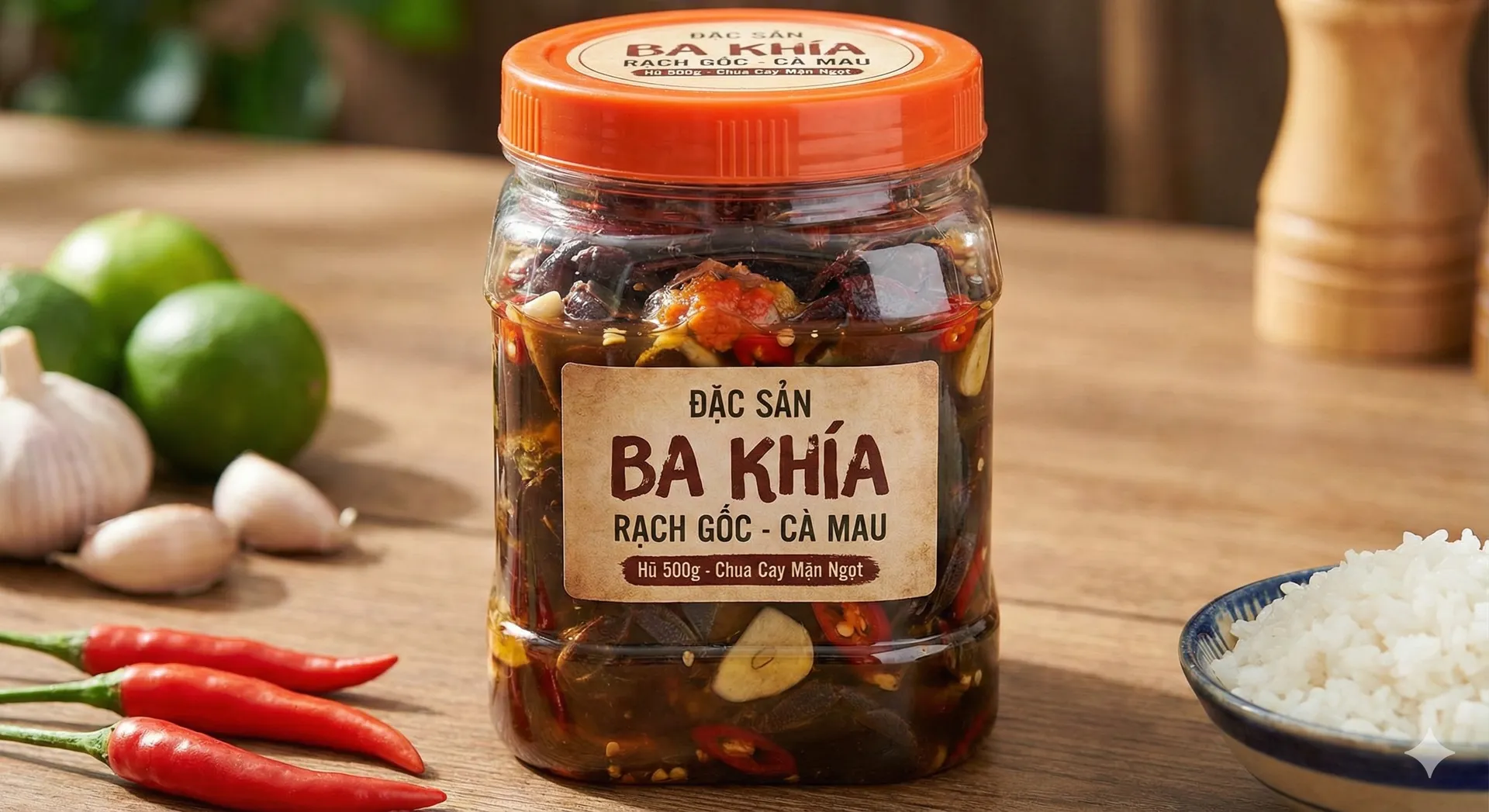
Fermented Mangrove Crab (Ba Khia)
In essence, this dish is a culinary bridge, connecting the rustic traditions of delta cooking with a method that amplifies the inherent deliciousness of fresh, high-quality crab. It’s about respecting the ingredient by not overcomplicating it, but rather, by giving it the fiery, aromatic embrace it deserves.
7 Serving Suggestions: The Feast Unveiled
The best part about foil-baked crab is the dramatic reveal. As you tear open the packet, a cloud of fragrant, spicy steam erupts, carrying the irresistible aroma of chili, garlic, and fresh crab.
- Directly from the Packet: Don't be shy. Dig in right out of the foil. Use your hands!
- Dipping is Key: The leftover sauce in the foil packet is liquid gold. Have plenty of crusty bread (Vietnamese baguette is perfect) or steamed rice ready to soak it all up.
- Garnish: A sprinkle of fresh cilantro and a squeeze of fresh lime juice cuts through the richness and heat, adding a final layer of brightness.
- Accompaniments: A simple green salad, pickled vegetables, or even just a bowl of plain steamed rice makes this a complete meal. And of course, cold beer. Always cold beer.
8 Final Thoughts: The Taste of the Delta Fire
This dish is more than just a recipe; it's an invitation. An invitation to the spirit of the Mekong Delta – bold, generous, and utterly delicious. It’s about savoring the fruits of the river, amplified by fire and spice. It’s the kind of food that fosters connection, sparks conversation, and leaves you with a satisfying warmth long after the last bite. So, fire up the grill, prepare your Sa Te, and let the adventure begin.
Craving More Spice?
Explore other fiery favorites from the Mekong, where spice is king and flavor knows no bounds.
🔥 Discover Spicy Squid