1 Whispers from the Waterways: Shrimp in the Mekong
" In the heart of the Mekong Delta, where life pulses to the rhythm of the tides and the generosity of the rivers, shrimp aren't just food; they are sustenance, livelihood, and a testament to the region's bountiful nature. From the vast aquaculture farms of Ca Mau to the humble kitchens of riverbank villages, the preparation of shrimp is a ritual steeped in respect for the ingredient. "
2 The Crimson Dream: Vibrant Red, Plump Texture
We’ve all seen it – the sad, pale, shriveled shrimp that looks like it’s given up on life. It’s a culinary tragedy. But what if I told you achieving that glorious, glossy, ruby-red shell without sacrificing plumpness is simpler than you think? It’s all about precision, a bit of science, and a technique that’s been perfected over generations in kitchens from Bac Lieu to the global stage.
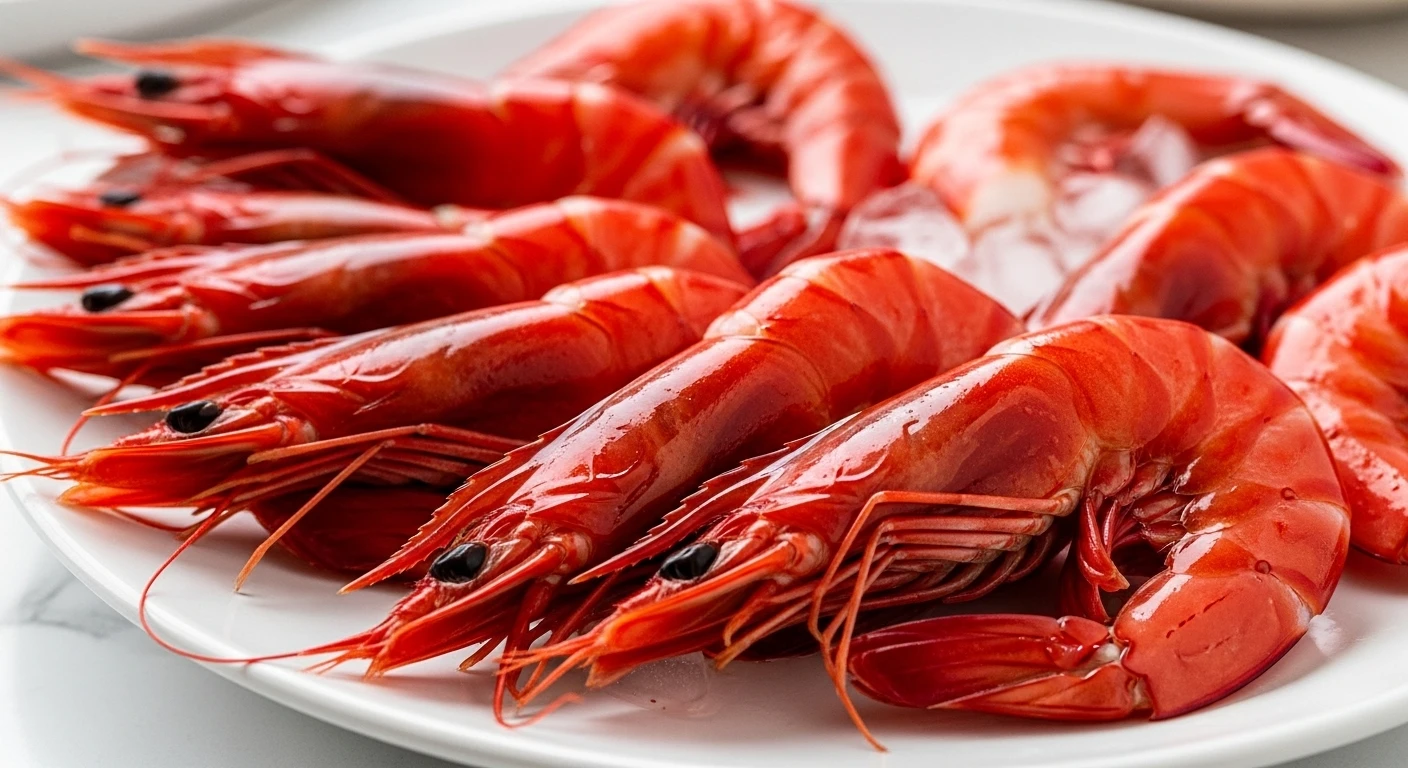
📸 The prize: Perfectly boiled shrimp, a testament to technique.
This isn't about fancy marinades or complicated rubs. This is about the fundamental act of boiling – the bedrock of so many seafood preparations worldwide, especially in Southeast Asia. We're aiming for that visual punch, the "wow" factor that signals freshness and masterful preparation, combined with a texture that offers a satisfying bite, not a mushy disappointment.
3 Understanding the Crimson Hue
The beautiful red color in cooked shrimp comes from a pigment called astaxanthin. It's naturally present in the shrimp's shell, bound to proteins. When heated, these proteins break down, releasing the astaxanthin and revealing that iconic red hue. But heat also causes the muscle fibers in the shrimp to contract, leading to shrinkage. The trick is to get the shell to turn red quickly and then stop the cooking process abruptly to preserve moisture and texture.
The Astaxanthin Factor
This carotenoid antioxidant is responsible for the vibrant red color. It's already there; we just need to unlock it.
The Muscle Contraction
Overcooking heat causes the shrimp meat to seize up, resulting in that undesirable rubbery texture and shrunken appearance.
4 The Shock and Awe Method
This is where the magic happens. We're going to employ a two-stage ice bath – a technique that might sound extreme, but is remarkably effective for achieving both that stunning color and the perfect, firm texture.
The Foundation
- Fresh Shrimp: The star. Whether they are
 Culinary Soul
Heritage Ingredient
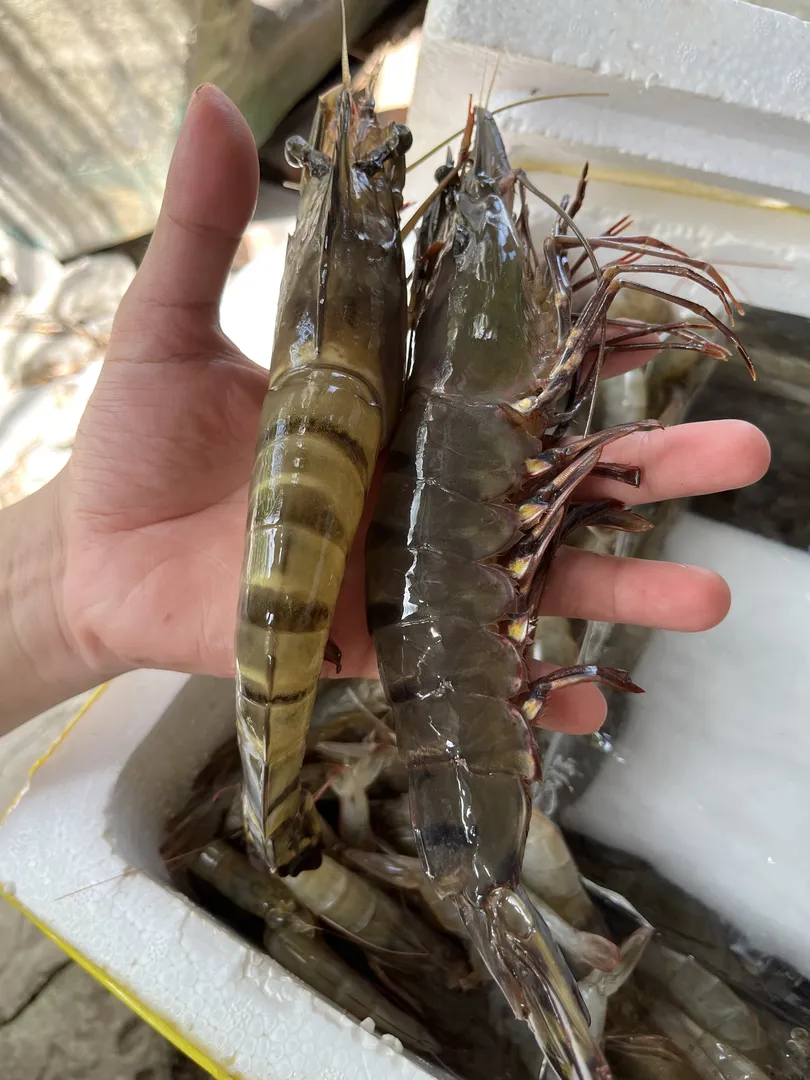
Ca Mau Black Tiger Shrimp
Ca Mau Black Tiger Shrimp
Large black tiger shrimp associated with mangrove aquaculture in Ca Mau, known for firm flesh and a cleaner, sweeter finish than intensively farmed shrimp.
Wild spirits of the mangroves, these black-banded gems deliver a firm, snappy texture and a sweetness that echoes the forest's vibrant life.
Explore the StoryHeritage:Vietnam (Mangrove Forest)Nuance:Regional Masterpiece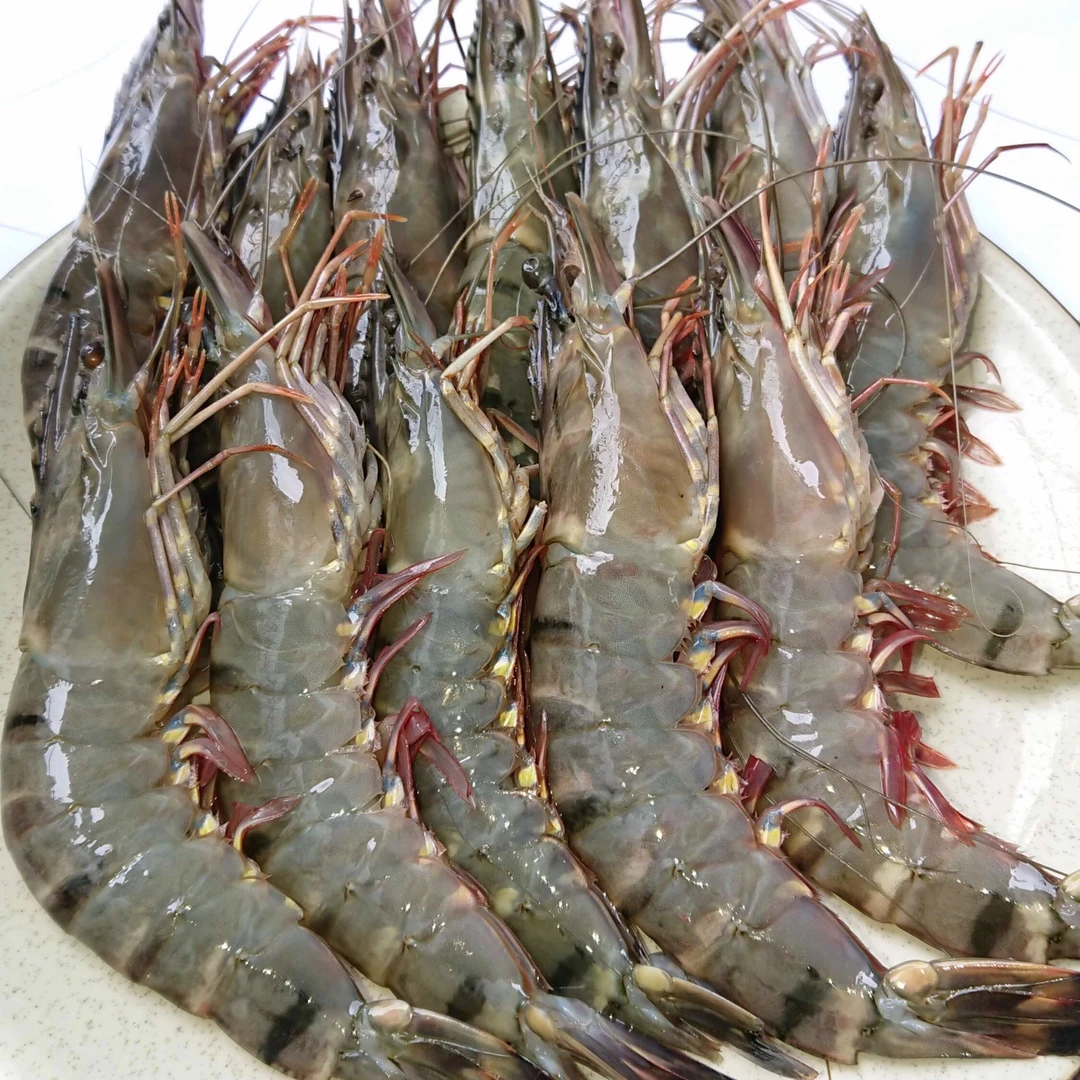 Culinary Soul
Heritage Ingredient
Whiteleg Shrimp
Whiteleg Shrimp
A widely used shrimp in Vietnamese home kitchens, suitable for stir-fries, soups, steamed dishes, and practical cooking articles that need a familiar shrimp reference.
Translucent jewels of the coast, thin-shelled and remarkably sweet, making every simple home meal feel like a seaside celebration.
Explore the StoryHeritage:Vietnam (Extensive Farms)Nuance:Regional Masterpiece - Large Pot: Big enough to hold the shrimp and plenty of boiling water.
- Two Large Bowls: For the ice baths.
- Plenty of Ice: Crucial for the baths.
- Slotted Spoon or Spider: For transferring shrimp.
The Liquid Elements
- Water: Plenty of it for boiling and the ice baths.
- Salt: To season the boiling water. A tablespoon or two.
- Optional: A splash of vinegar or a bay leaf in the boiling water can add a subtle aroma, but it's not essential for color.
5 The Method to the Madness
Prepare the Ice Baths
Fill one large bowl generously with ice and cold water. This is your primary ice bath. Fill the second bowl with just ice – no water. This will be your "dry" freeze bath.
Boil the Water
Bring a large pot of generously salted water to a rolling boil. Use enough water so the shrimp aren't crowded. Aim for a depth of at least 2-3 inches.
The First Boil (Color Lock)
Carefully add the shrimp to the boiling water. Cook for a short period, typically 1 to 3 minutes, depending on size. The goal here is just long enough for the shells to turn bright red. Do NOT overcook.
The First Ice Bath Shock
Immediately transfer the bright red shrimp from the boiling water to the ice-water bath using your slotted spoon. Let them soak for at least 2-3 minutes. This halts the cooking and begins to firm up the flesh.
The Dry Freeze (Texture Firming)
Drain the shrimp from the first ice bath. Transfer them to the second bowl filled with just ice. This intense, dry cold further firms the shrimp's texture, ensuring they remain plump and don't become watery.
Drain and Serve
Once chilled, drain the shrimp thoroughly. They are now ready to be served as is, or as part of your favorite dishes. The shell should be a stunning red, and the meat firm and juicy.
The Mekong's Embrace: Simple Pleasures
Perfectly boiled shrimp, with their vivid color and firm texture, are a cornerstone of Mekong Delta cuisine. They are not just a side dish; they are the main event.
The Classic Dip
A simple mix of fresh lime juice, sea salt, and freshly ground black pepper. If you're feeling adventurous, add finely chopped bird's eye chilies. This is how most families in the Mekong enjoy them.
Salads & Rolls
These vibrant shrimp are perfect additions to fresh spring rolls (Goi Cuon) or vibrant green papaya salads, adding both color and protein.
On Rice or Noodles
Serve atop a bed of fragrant jasmine rice, or alongside a bowl of steaming noodle soup (like Hu Tieu), for a complete and visually appealing meal.
While this technique works for most shrimp, consider the magnificent Heritage Ingredient Mekong Giant Freshwater Prawn A river prawn with long blue claws and rich head fat, common in grilled prawn dishes and hotpot traditions across the Mekong basin. Majestic blue-clawed warriors of the Mekong, famous for their rich, fatty heads and a savory depth that captures the essence of the delta's rivers.
Mekong Giant Freshwater Prawn
Mastering the Boil: Pro Tips
💧 Freshness is Key
🌡️ Batch Size Matters
🧊 The Power of Ice
8 A Splash of Success
Mastering the art of boiling shrimp for that perfect vibrant red color and firm, plump texture is more than just a cooking technique; it's a gateway to appreciating the subtle elegance of seafood preparation. It’s a method that respects the ingredient, honors tradition, and delivers results that are both visually stunning and delicious. From the bustling waterways of the Mekong Delta to your own kitchen, this simple yet profound technique promises a taste of perfection.
So go forth, embrace the ice bath, and bring that glorious crimson hue to your table.