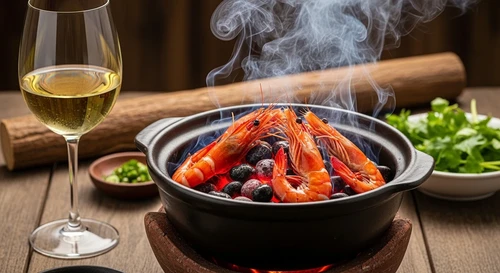
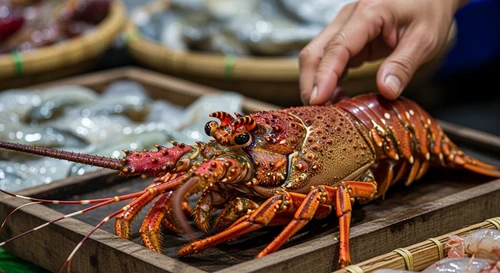
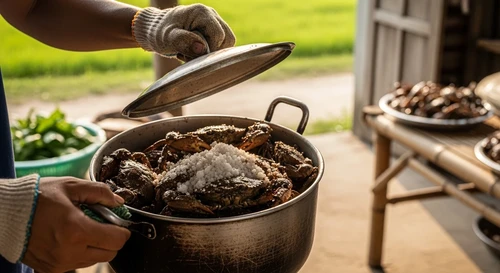
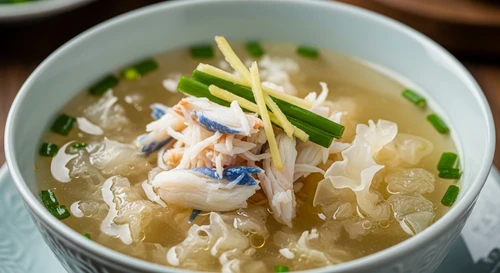
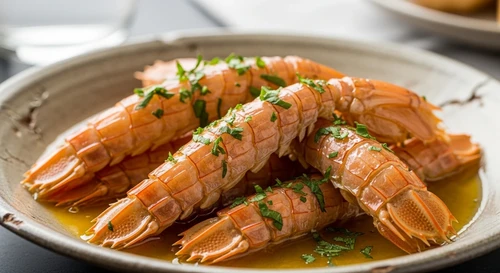
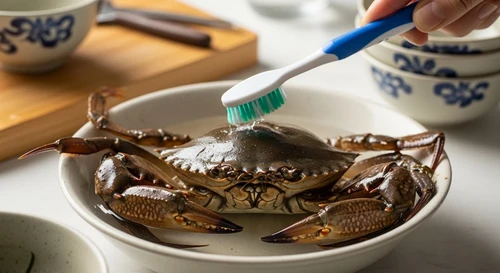
" In the heart of the Mekong Delta, where life flows with the rhythm of the river, speed and efficiency are not just virtues—they are necessities. From the bustling floating markets of Can Tho to the vast mangrove shrimp farms of Ca Mau, every moment counts. This little trick for shrimp isn't just about convenience; it's about respecting the bounty of these fertile waters and getting to the table faster. "
1 What Exactly IS That Black String?
That dark line running down the shrimp’s back? It’s not just unsightly; it’s the shrimp’s digestive tract. And yes, it can carry a slightly unpleasant, earthy flavor—think of it as the shrimp’s less-than-appetizing gut contents. While it’s often harmless, removing it significantly improves the texture and taste of your final dish, especially in delicate preparations where the shrimp is the star.
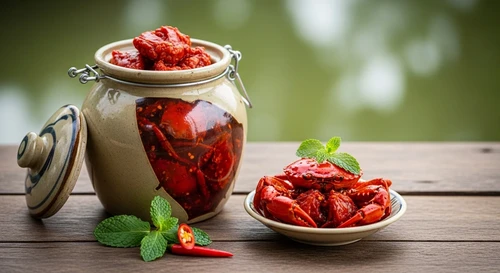
In places like the Mekong Delta, where shrimp are a staple and often cooked whole or in their shells, cleanliness is paramount. Imagine a platter of perfectly grilled Ca Mau Black Tiger Shrimp or a fragrant fermented sour shrimp dish. A clean shrimp elevates the entire experience.

📸 See it? That dark line is the target.
2 The Mekong's Elegant Solution
Traditional methods often involve a paring knife or specialized tools, which can be fiddly and time-consuming. But the resourceful cooks of the Mekong have a simpler, more elegant approach. It requires no fancy gadgets, just a humble plastic toothpick. Why plastic? It’s slightly flexible, won't easily break, and is readily available everywhere, from street food stalls to humble homes.
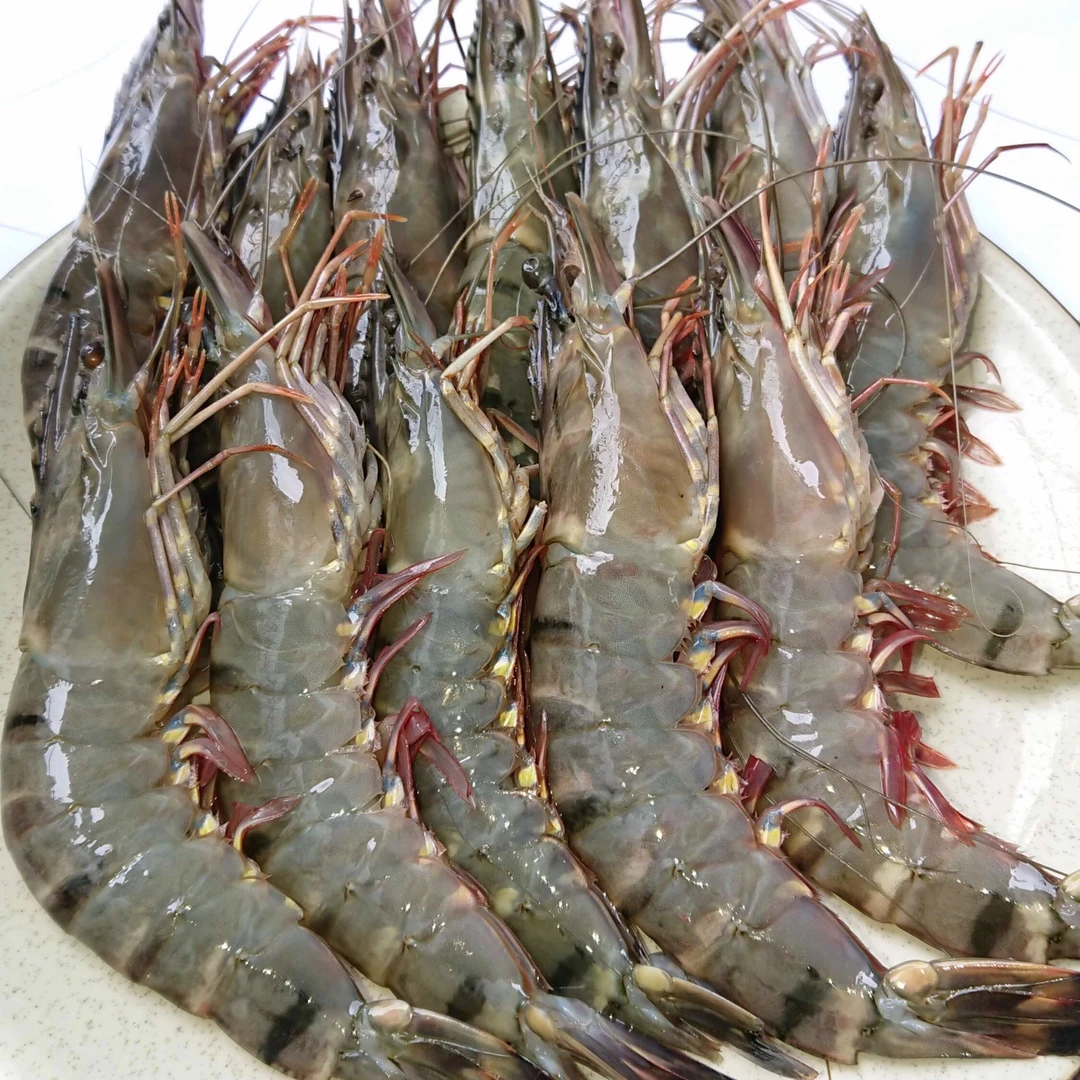
This technique is a testament to the ingenuity born from necessity. When you're preparing shrimp for a busy family meal or a bustling night market stall, every second counts. This method ensures that even the largest batch of shrimp can be prepped quickly, cleanly, and hygienically, maintaining the pristine quality of ingredients like the common Whiteleg Shrimp used in countless Vietnamese home-style dishes.
Heritage Ingredient
Whiteleg Shrimp
Whiteleg Shrimp
A widely used shrimp in Vietnamese home kitchens, suitable for stir-fries, soups, steamed dishes, and practical cooking articles that need a familiar shrimp reference.
Translucent jewels of the coast, thin-shelled and remarkably sweet, making every simple home meal feel like a seaside celebration.
3 Pierce, Pull, Perfection!
Ready to master this lightning-fast technique? It’s surprisingly straightforward.
Step 1: Locate the Spot
Hold the shrimp with its back facing you. Identify the second segment from the head. You'll see a slight indentation or where the shell segments join.
Step 2: The Gentle Pierce
Take your plastic toothpick and gently, but firmly, pierce through the shell and into the shrimp’s flesh at that second segment.
Step 3: The Quick Pull
With the toothpick lodged in, gently pull the vein outwards. It should slide out smoothly in one piece. If it breaks, reposition the toothpick slightly and try again.
That's it. Three seconds, maybe five if you're slow. You’ve just removed the vein cleanly. The flexibility of the plastic toothpick allows it to navigate the curve of the shrimp, grabbing the vein without damaging the delicate flesh.
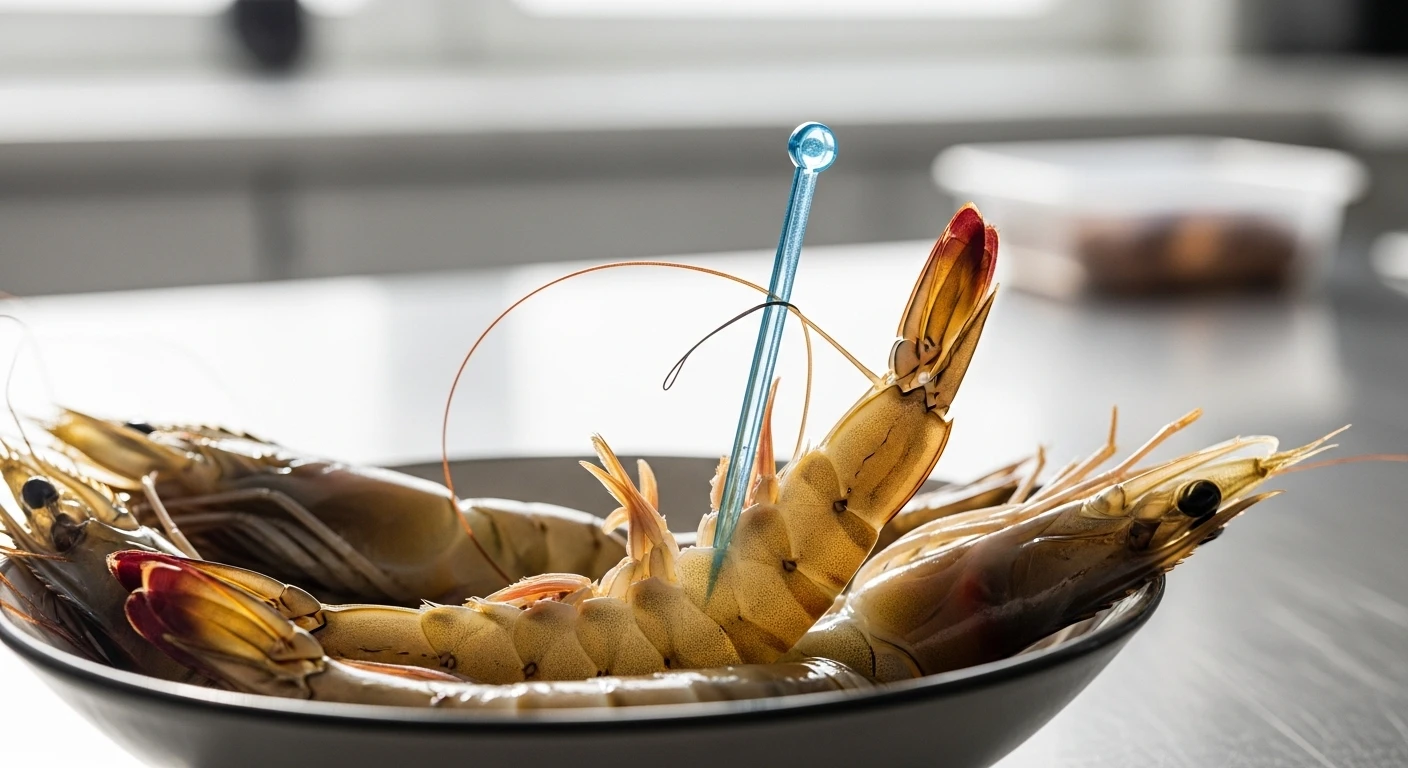
📸 Watch the magic happen in seconds!
4 The Advantages of Toothpick Precision
Hygiene
Plastic toothpicks are often disposable and can be washed. Using a clean toothpick minimizes cross-contamination compared to knives that might harbor bacteria.
Speed
As the title suggests, it’s incredibly fast. Perfect for when you need to prep a lot of shrimp quickly, such as for a large pot of Banh Canh Tom Cua.
Minimal Damage
Unlike a knife, which can cut too deep or tear the shrimp, a toothpick is delicate enough to extract the vein without compromising the shrimp’s integrity.
5 From Mudflats to Your Plate: The Shrimp of the Delta
The Mekong Delta is Vietnam's aquatic pantry, and shrimp are one of its most prized exports. The region's intricate network of rivers, canals, and coastal mangroves provides the perfect habitat for a variety of shrimp species, each with its own unique charm and culinary application.
Ca Mau Black Tiger Shrimp (Tom Su Ca Mau):
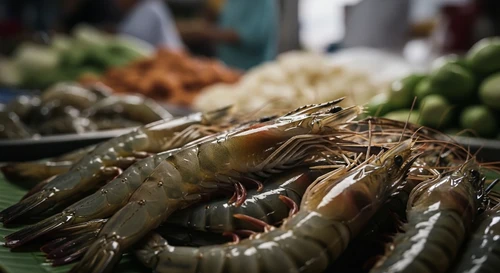
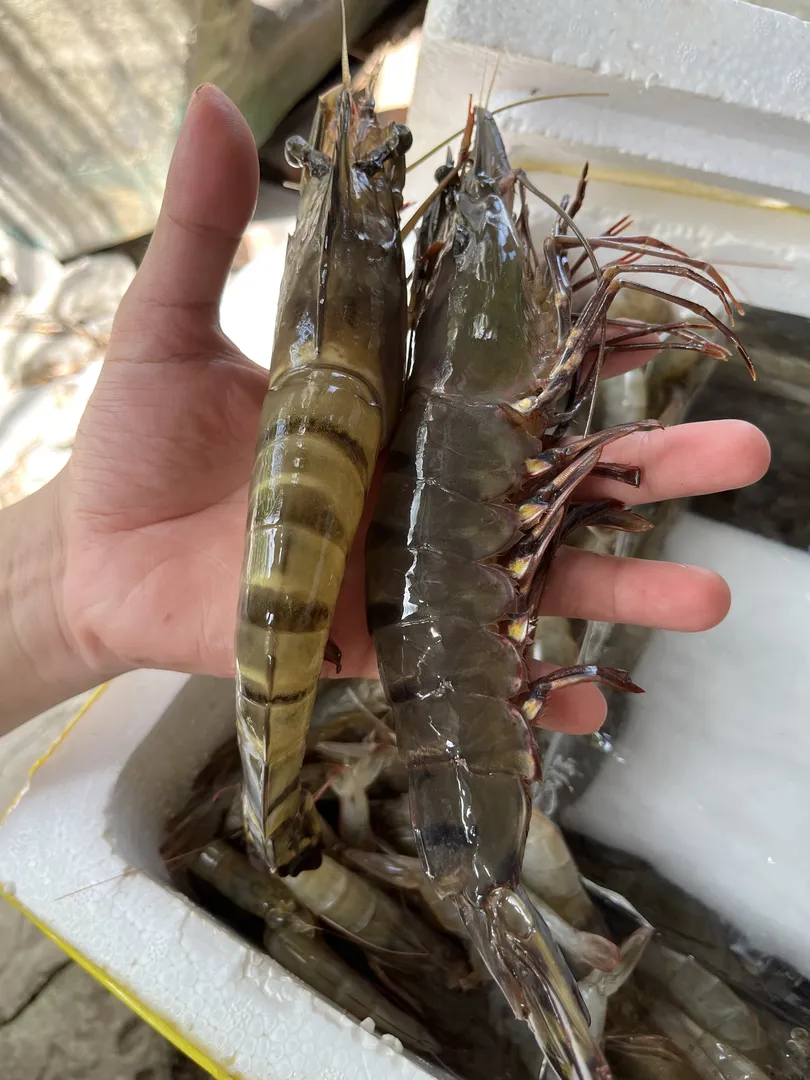
These large, prized shrimp are often farmed in the mangrove ecosystems of Ca Mau. Known for their firm texture and clean, sweet flavor, they are perfect for grilling, steaming, or adding a touch of luxury to any dish. The toothpick method is essential for maintaining their visual appeal.
Heritage Ingredient
Ca Mau Black Tiger Shrimp
Ca Mau Black Tiger Shrimp
Large black tiger shrimp associated with mangrove aquaculture in Ca Mau, known for firm flesh and a cleaner, sweeter finish than intensively farmed shrimp.
Wild spirits of the mangroves, these black-banded gems deliver a firm, snappy texture and a sweetness that echoes the forest's vibrant life.
Whiteleg Shrimp (Tom The):
The workhorse of Vietnamese kitchens. These readily available shrimp are versatile enough for stir-fries, soups, and salads. The toothpick method makes prepping large quantities for these everyday meals a breeze.
Heritage Ingredient
Whiteleg Shrimp
Whiteleg Shrimp
A widely used shrimp in Vietnamese home kitchens, suitable for stir-fries, soups, steamed dishes, and practical cooking articles that need a familiar shrimp reference.
Translucent jewels of the coast, thin-shelled and remarkably sweet, making every simple home meal feel like a seaside celebration.
Whether you're cooking with the premium Black Tiger Shrimp or the everyday Whiteleg, ensuring they are clean and free of their digestive tract is key to unlocking their best flavor and texture.
6 A Taste of the Delta: More Than Just Shrimp
While shrimp are a cornerstone of Mekong cuisine, the region's culinary landscape is vast and varied. The same spirit of efficiency and respect for ingredients that makes the toothpick hack so effective can be seen in countless other dishes.
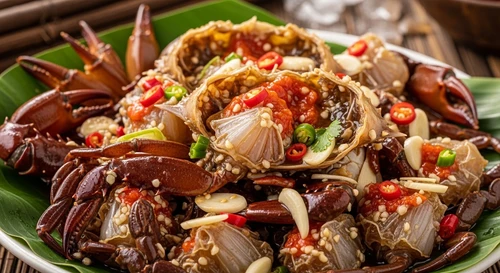
Think of the delicate preparation of fermented mangrove crabs (Ba Khia), a salty-sour delicacy that’s a true taste of the southern coast. Or the rich, complex flavors of a fish hotpot, where fresh river fish are the stars. Even something as seemingly simple as steaming fish with ginger and spring onions relies on the quality of the ingredients and clean preparation. The toothpick method is just one small piece of a larger culinary puzzle that celebrates the abundance of the Mekong.

Heritage Ingredient
Fermented Sour Shrimp (Mekong Style)
Fermented Sour Shrimp (Mekong Style)
A Southern Vietnamese fermented shrimp preserve made with garlic, chili, and shredded green papaya, often served with boiled pork, rice paper, or plain rice.
A vibrant dance of flavors—sour, spicy, and sweet—where tender shrimp and crunchy papaya create a masterpiece of Southern preserved heritage.
Frequently Asked Questions
❓ Do I need to peel the shrimp first?
🔪 Can I use a wooden toothpick?
💡 Is this safe for all shrimp sizes?
The Delta Way
This simple toothpick trick is more than just a kitchen hack; it's a window into the culinary philosophy of the Mekong Delta. It's about using what you have, being efficient, and treating the incredible bounty of this region with respect. So next time you're faced with a pile of shrimp, grab a toothpick, channel your inner delta cook, and get cooking. The river's bounty awaits!