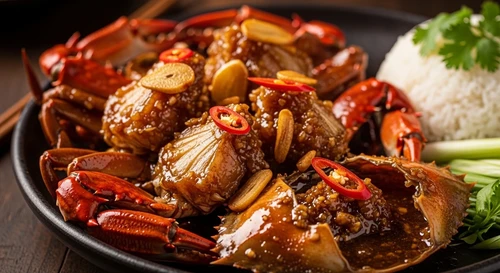
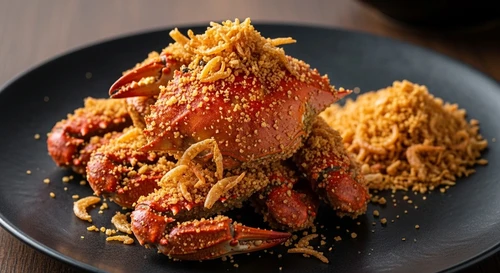
" Forget your delicate appetizers. We're talking about eating whole, tiny crabs, fried to a shattering crisp and lacquered in a sweet-sour tamarind glaze. This is Mekong Delta street food at its most primal and addictive. "
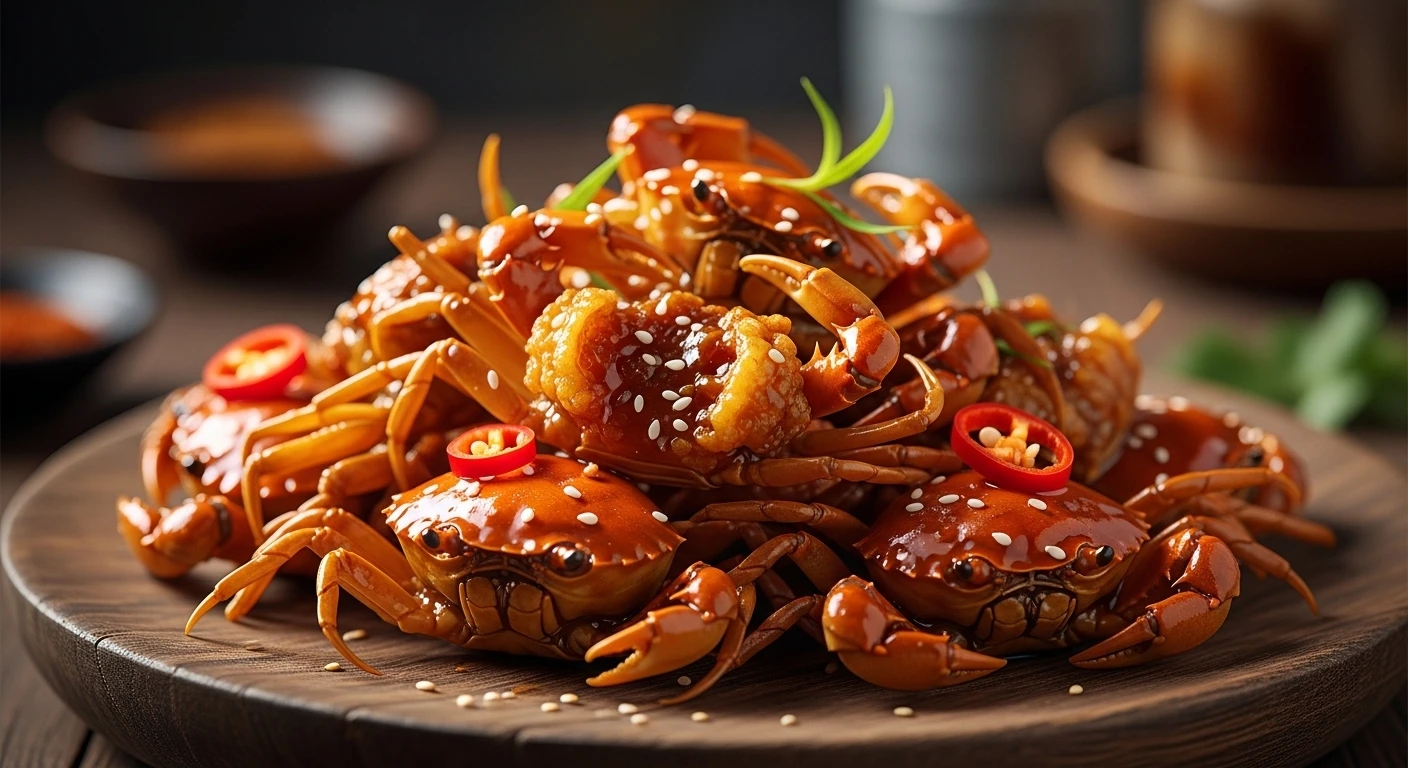
📸 The irresistible allure of crispy, glazed baby crabs.
1 From the Mudflats to Your Plate
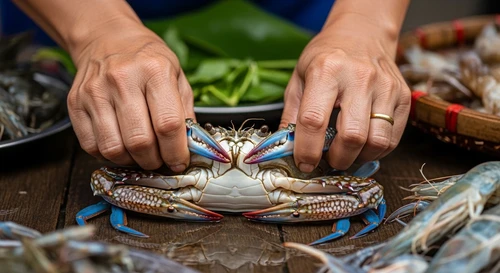
The Mekong Delta, a sprawling labyrinth of rivers, canals, and coastal mangroves, is a treasure trove of seafood. While giant mud crabs often steal the spotlight, the unsung heroes of this region are the smaller, more abundant species. Baby sentinel crabs, or "Ghe Sua" as they're known locally, are a testament to the rich biodiversity of the brackish waters.
These little crustaceans are often found in shallow, muddy areas and are typically caught by local fishermen using simple nets or traps. Unlike their larger cousins, Ghe Sua are prized for their delicate, soft shells that allow them to be eaten whole. This is crucial – when you bite into them, you get a satisfying crunch followed by the tender, slightly sweet flesh, all without having to deal with tough exoskeletons.
Think of them like a highly specialized, local version of soft-shell crab, but small enough to be a snack.
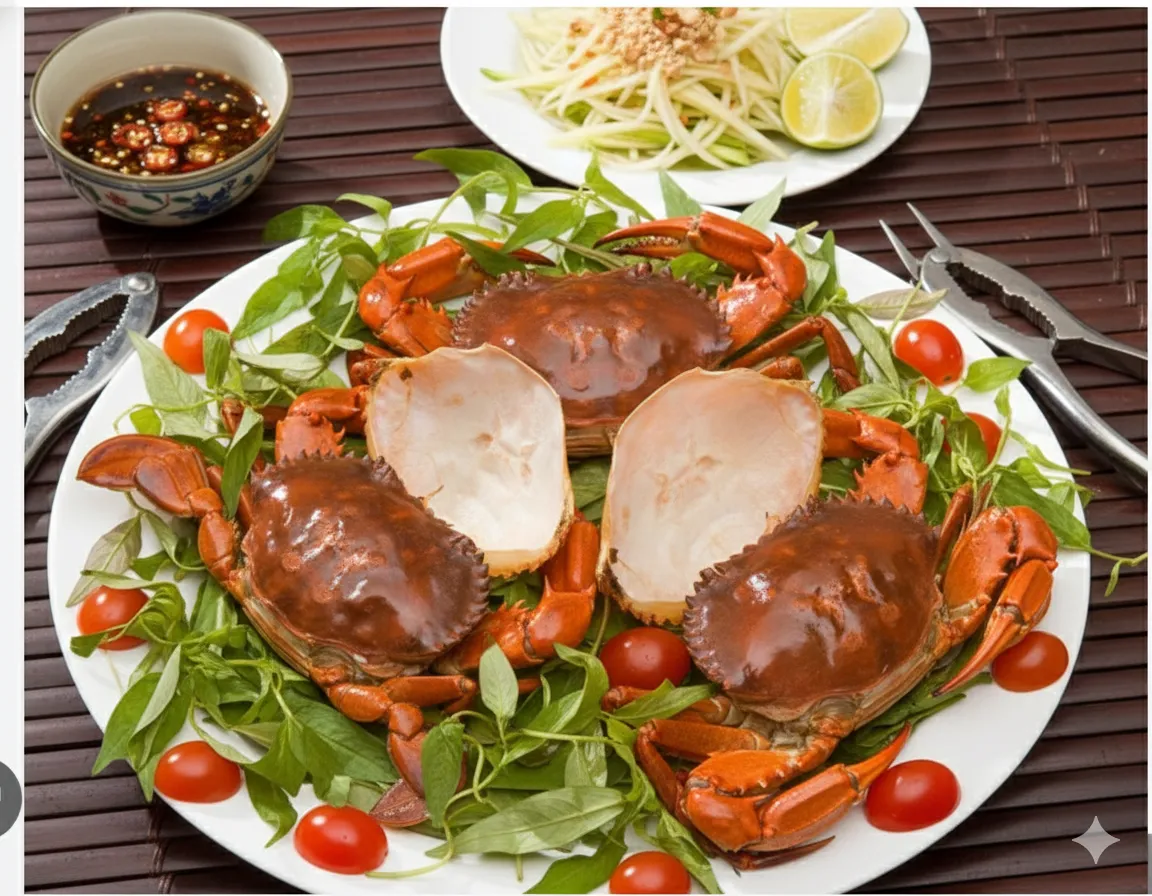
Heritage Ingredient
Soft-Shell Butter Crab (Molting Crab)
Soft-Shell Butter Crab (Molting Crab)
A rare molting mud crab from Ca Mau, valued for its edible soft inner shell and exceptionally creamy roe, making it the closest local equivalent to soft-shell crab concepts familiar abroad.
Nature's rare masterpiece—a delicate transition where a soft inner layer protects golden, custard-like roe in a fleeting moment of flavor.
The preparation of Ghe Sua as a snack or appetizer is a culinary tradition deeply ingrained in the Mekong Delta's food culture. It's a dish you'll find at local markets, roadside stalls, and family gatherings – a true taste of authentic Southern Vietnamese life.
2 The Tangy Heart of the Dish
If there's one flavor that screams "Southern Vietnam," it's tamarind. The sweet-sour pulp of the tamarind fruit is a cornerstone of many Vietnamese dishes, from savory stir-fries to refreshing drinks. For these baby crabs, tamarind provides the perfect acidic counterpoint to their delicate sweetness and the richness of the frying oil.
The process of making the tamarind sauce is an art form. It typically starts with soaking dried tamarind pulp in hot water, then straining it to extract a thick, flavorful concentrate. This concentrate is then simmered with garlic, chili, sugar, and sometimes a touch of fish sauce, until it thickens into a sticky, glossy glaze.
The complex sweet-sour profile is reminiscent of other Mekong specialties.

Heritage Ingredient
Fermented Sour Shrimp (Mekong Style)
Fermented Sour Shrimp (Mekong Style)
A Southern Vietnamese fermented shrimp preserve made with garlic, chili, and shredded green papaya, often served with boiled pork, rice paper, or plain rice.
A vibrant dance of flavors—sour, spicy, and sweet—where tender shrimp and crunchy papaya create a masterpiece of Southern preserved heritage.
The resulting glaze is intensely flavorful – a perfect balance of tart, sweet, and a hint of spicy. It coats the crispy crabs, creating an addictive sticky texture that makes it nearly impossible to eat just one. This sauce isn't just a topping; it's integral to the dish's identity.
3 Achieving the Perfect Crisp
The Fry
The key to truly great Ghe Sua is achieving a shatteringly crisp texture. The baby crabs are usually tossed in a light coating of rice flour or cornstarch, which helps them crisp up beautifully. They are then deep-fried until golden brown and incredibly crunchy. This step is crucial; the crispness must hold up even after being coated in the sauce.
The heat of the oil needs to be just right – hot enough to crisp them quickly without burning, but not so hot that the delicate shells shatter too soon. This ensures that the entire crab, shell and all, becomes edible and delightful.
The Glaze
Once perfectly fried, the crabs are drained and immediately tossed into the prepared, warm tamarind sauce. The residual heat from the crabs and the warmth of the sauce help the glaze adhere beautifully, creating that signature sticky coating. It’s a quick process to ensure the crabs remain as crispy as possible.
Some chefs might add a sprinkle of toasted sesame seeds or finely chopped scallions at the end for extra texture and aroma. But the essence remains: crispy crab meets tangy tamarind.
A Taste of Mekong Life
In the Mekong Delta, food is deeply intertwined with community, resourcefulness, and the rhythm of the seasons. Crispy baby crabs embody this perfectly. They represent making the most of what the environment provides, transforming humble ingredients into something incredibly delicious and shareable.
Resourcefulness
Utilizing small, abundant crabs signifies a respect for the ecosystem and a zero-waste approach to culinary traditions.
Community & Sharing
This dish is perfect for communal eating. Placed in the center of a table, everyone digs in, sharing stories and laughter over the crunchy morsels.
The Flavors of Home
For many who grew up in the Delta, the taste of tamarind-glazed crabs evokes childhood memories and the comforting flavors of home cooking.
These crabs, often prepared with a simple but potent tamarind glaze, are a prime example of how the Mekong Delta transforms everyday ingredients into extraordinary culinary experiences.
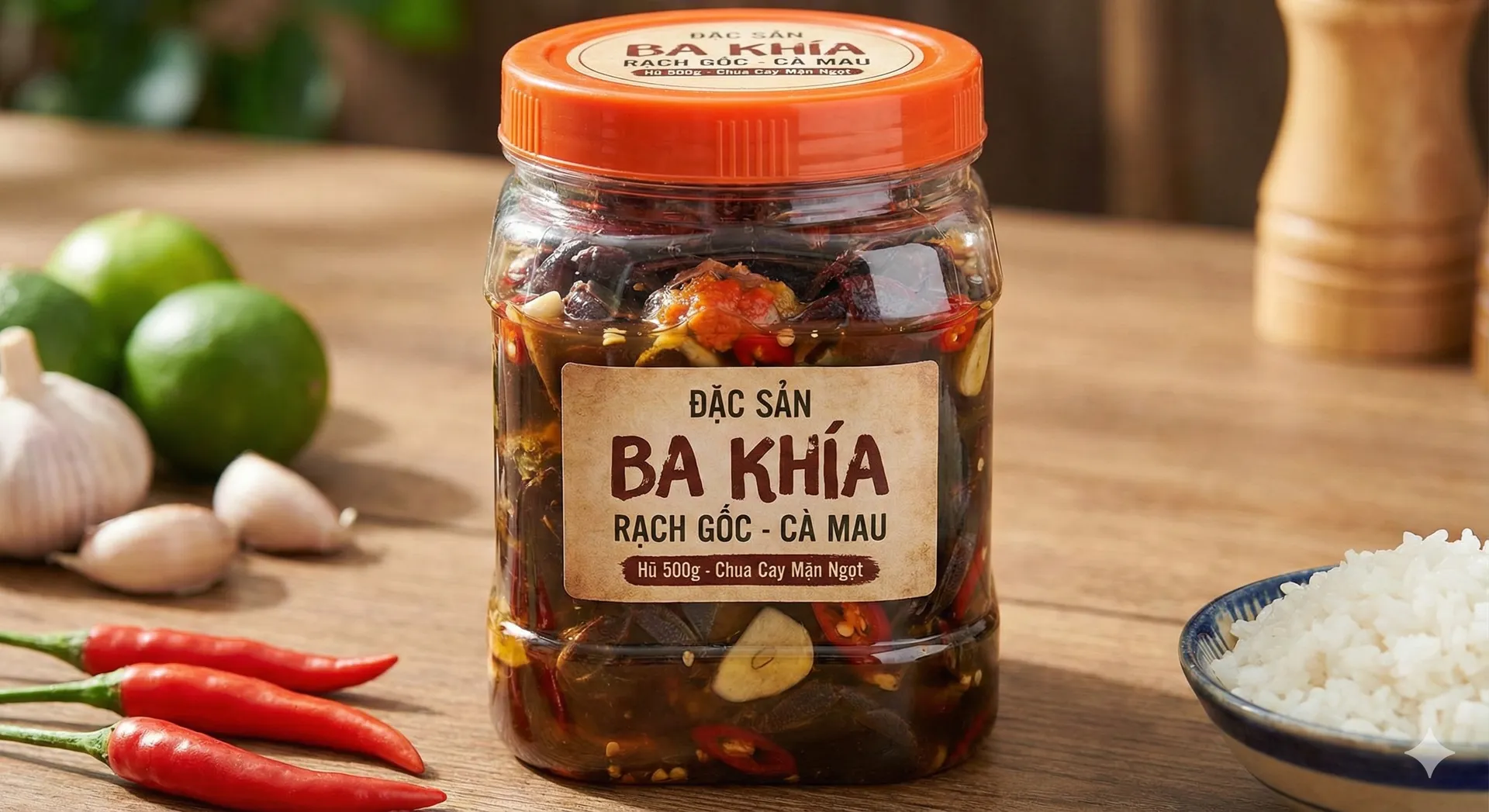
Heritage Ingredient
Fermented Mangrove Crab (Ba Khia)
Fermented Mangrove Crab (Ba Khia)
A traditional fermented crab specialty from the mangrove region of Rach Goc, often cited in articles about rustic Mekong Delta flavors and preserved seafood culture.
The salty-sour heartbeat of the wild south, where traditional fermentation turns forest crabs into a nostalgic explosion of rustic Mekong soul.
4 Eating Your Way to Strong Bones
One of the most compelling reasons to enjoy crispy baby crabs whole is their incredible nutritional value. Being able to consume the entire creature – shell and all – means you're getting a massive dose of calcium.
Calcium Rich: The soft shell is packed with calcium, essential for strong bones and teeth. For regions where dairy isn't a traditional staple, seafood like this becomes a vital source of this mineral. Eating them whole provides a significant dietary calcium boost.
Protein Power: Like all seafood, crabs are an excellent source of lean protein, vital for muscle repair and growth. The tiny morsels of meat within these crabs provide a good protein hit.
Micronutrients: Beyond calcium and protein, crabs also offer minerals like zinc and selenium, along with essential omega-3 fatty acids, which are beneficial for heart and brain health. While the tamarind glaze adds sweetness and flavor, it’s important to note the inherent goodness of the crab itself.
5 The Proper Technique
Eating crispy baby crabs is an experience in itself. Forget fancy cutlery; this is a dish best enjoyed with your hands. Here’s how:
- Grab a Crab: Pick one up with your fingers.
- The Bite: Take a good bite. You want to crunch through the shell, the body, and any tiny legs. The goal is to eat the whole thing in one or two bites.
- Savor the Flavors: Enjoy the initial crispness, followed by the tender meat, and then the lingering sweet-sour tang of the tamarind glaze.
- Repeat: Don't stop at one. Keep going until the plate is clean!
They are typically served as an appetizer, a bar snack (perfect with a cold Vietnamese beer), or even as part of a larger seafood feast. The key is to enjoy them while they are fresh and crispy.
6 Beyond the Tamarind Glaze
While tamarind is the classic, the resourceful cooks of the Mekong Delta aren't afraid to experiment. You might find baby crabs prepared with:
- Salt and Pepper: A simpler, savory preparation highlighting the natural sweetness of the crab.
- Garlic Butter: A richer, more indulgent version.
- Chili Lime: For those who love a spicy, zesty kick.
The versatility of these small crabs shows the depth of Vietnamese culinary creativity, always finding ways to enhance and celebrate the gifts from their bountiful waters.
7 The Real Deal in the Delta
Finding authentic Ghe Sua outside of Vietnam can be a challenge. They are a very regional specialty. However, if you find yourself exploring the Mekong Delta provinces like Ca Mau, Soc Trang, or Can Tho, keep an eye out for them:
- Floating Markets: Early morning is the best time to find fresh catches.
- Local Eateries & Street Stalls: Look for humble restaurants or stalls specializing in regional seafood.
- Small Fishing Villages: Sometimes, the freshest finds are directly from the source.
When you do find them, don't hesitate. Order a plate (or two!), grab a cold beer, and savor a true taste of the Mekong.
Craving More Spice?
If you love the bold flavors of the Mekong but want something with a different kind of crunch, explore the fermented delights of the region.
🌊 Discover Fermented Ba Khia