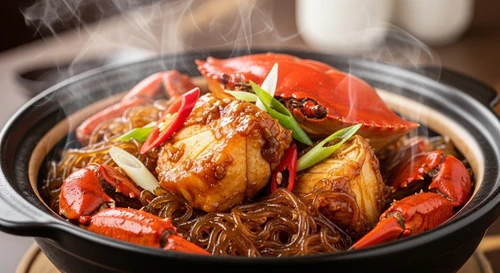
" In the bustling markets of Ca Mau, where the air hangs thick with the scent of saltwater and the chatter of vendors, the crab is king. But not all crabs are created equal. "
1 The Jewel of the Mangroves
The Mekong Delta, a sprawling labyrinth of rivers, canals, and fertile floodplains, is Vietnam's rice bowl and a veritable seafood pantry. Along its vast coastlines and within its brackish waterways, blue swimmer crabs – Portunus pelagicus – thrive. These aren't just any crabs; they are a vital part of the region's culinary identity and a livelihood for countless families.
Coastal Harvests
From the oyster farms of Ben Tre to the mangrove forests of Ca Mau, these crabs are caught using a variety of traditional methods – nets, traps, and hand-lines. The freshness is paramount, straight from the water to the market.
A Culinary Staple
Whether steamed, grilled, stir-fried with tamarind, or simmered in rich broths, the blue swimmer crab is a versatile ingredient. But its true potential is only realized when you start with a crab packed with sweet, succulent meat.
Heritage Ingredient
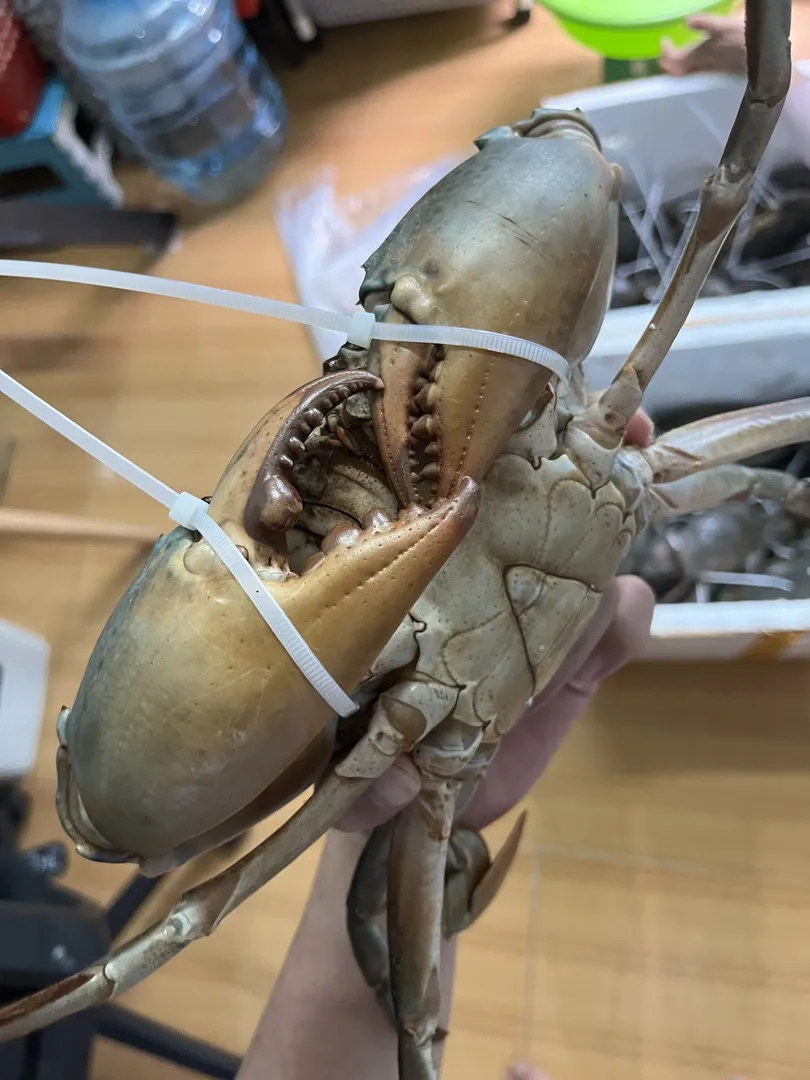
Ca Mau Jumbo Mud Crab
Ca Mau Jumbo Mud Crab
A large male mud crab prized for dense, sweet meat and thick claws, commonly used in steamed crab and grilled crab dishes across the Mekong Delta.
An icon of coastal culinary heritage, featuring firm, sweet meat that captures the raw power and freshness of Ca Mau's tides.
The problem many face, especially those sourcing crabs from overseas or even less experienced vendors, is the dreaded "hollow crab." You pay for crab, but you get water and disappointment. It’s a waste of money and, more importantly, a missed opportunity for a truly magnificent meal.
2 The Underbelly Secret: A Gentle Squeeze
Visual Cues
Before you even touch it, look. A good crab will often have a vibrant, rich color. The legs should feel firm, not flimsy. But the real telltale sign is when you hold it, carapace (top shell) up.
- Top Shell (Carapace): Should appear full, without significant dents or discoloration.
- Legs & Claws: Feel heavy for their size. If they seem light or flimsy, proceed with caution.
The Touch Test
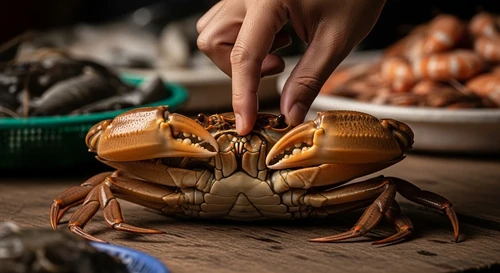
This is where the magic happens. Gently turn the crab over so its belly is facing you. This is the plastron.
- Feel the Plastron: It’s the smooth, somewhat triangular plate in the center of the underbelly.
- Apply Gentle Pressure: Use your thumb and index finger to lightly squeeze this plastron.
3 Meat vs. Water: The Squeeze Test Explained
The Meaty Crab:
When you squeeze a meaty crab’s plastron, it should feel firm and solid. There might be a slight give, but it will feel dense. This indicates that the body cavity is filled with muscle and sweet crab meat. It sounds and feels substantial, not hollow.
The Hollow Crab:
If you squeeze and the plastron feels soft, spongy, or gives way completely with a hollow 'thud' or squelch, you've got a crab that's mostly water. This happens when the crab has recently molted and the shell hasn't hardened, or if the crab is sick or old. The meat has receded, leaving empty space.
Roe Crabs (Subtlety):
For female crabs carrying roe (often a vibrant orange), the plastron might feel slightly different due to the roe mass. However, a truly roe-filled crab will still feel dense and heavy. A hollow roe crab will feel disproportionately light for its size, even with the roe.
Beyond the Underbelly
While the plastron squeeze is your primary tool, a few other visual and tactile clues can help you select the best blue swimmer.
Weight
A good crab feels heavy for its size. Lift it. If it feels light and airy, it's likely hollow.
Leg Movement
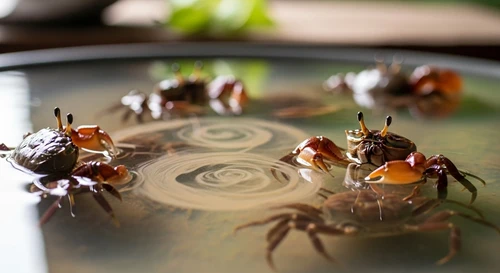
Live crabs should be active. Vigorous leg movement and antenna twitching are good signs of a lively, healthy animal.
Shell Condition
Look for a shell that is hard and intact. Avoid crabs with chipped shells or soft spots, as these can indicate recent molting or poor health.
In the Mekong Delta, you'll often find various types of crabs. Blue swimmer crabs are sought after for their sweetness. For a richer, more luxurious experience, look for Ca Mau mud crabs, especially those with roe, known for their dense meat and creamy interiors. Learn more about Mud Crabs here.
The Life Cycle of a Crab
🦀 Molting (The 'Soft Shell' Stage)
🦠 Sickness or Old Age
🏆 The Value of Quality
6 Recognizing the Difference
The best way to understand is to see and feel. Here are a couple of visual references for what you might find, from the prized muddy depths of Ca Mau to the vibrant blue swimmers.
Heritage Ingredient
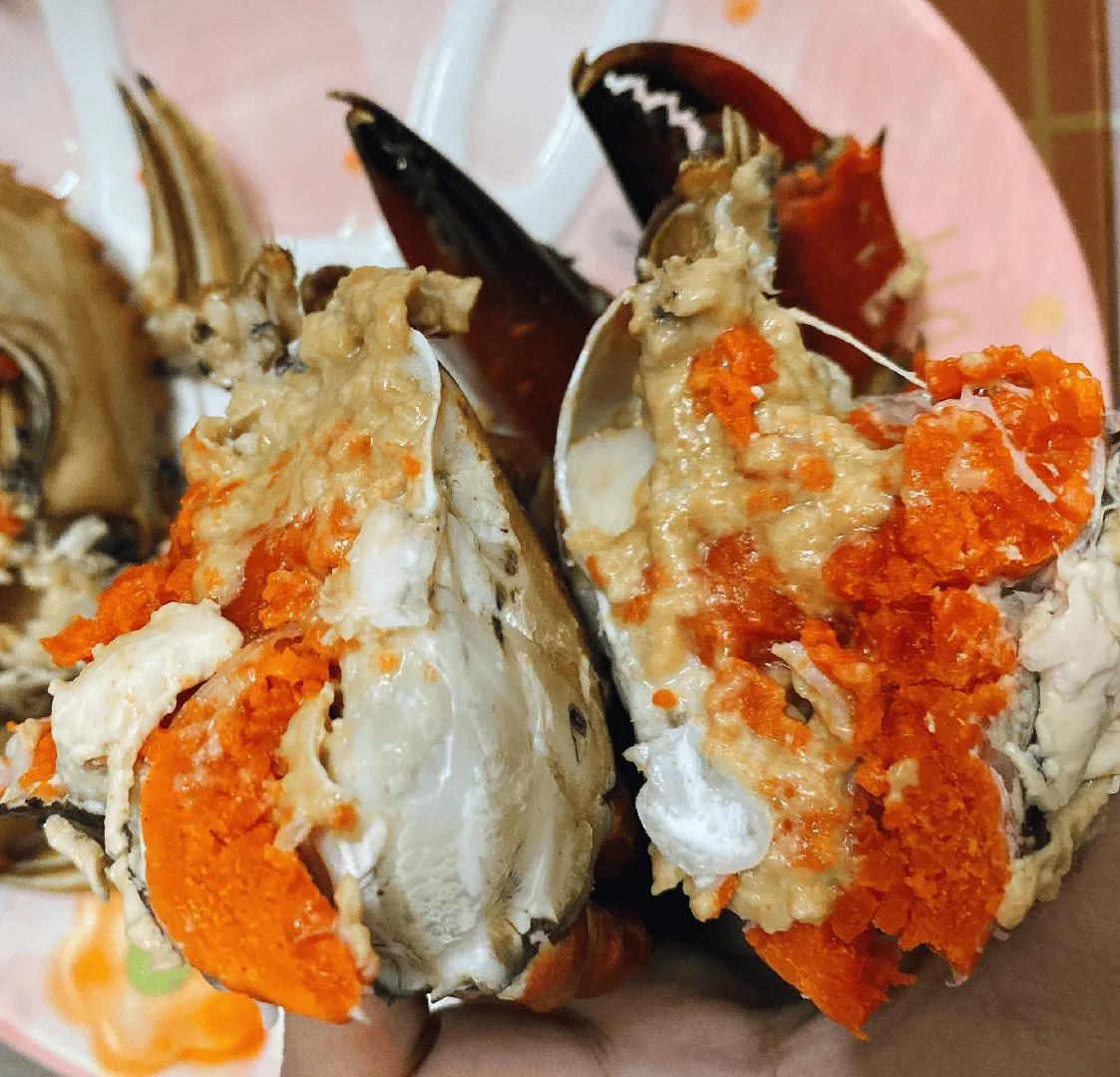
Ca Mau Roe Mud Crab
Ca Mau Roe Mud Crab
A female mud crab known for deep orange roe and a rich, creamy finish, often featured in celebratory Southern Vietnamese seafood meals.
A crimson treasure hidden within a shell, boasting rich, creamy roe that melts on your tongue like a golden sunset over the delta.
Heritage Ingredient
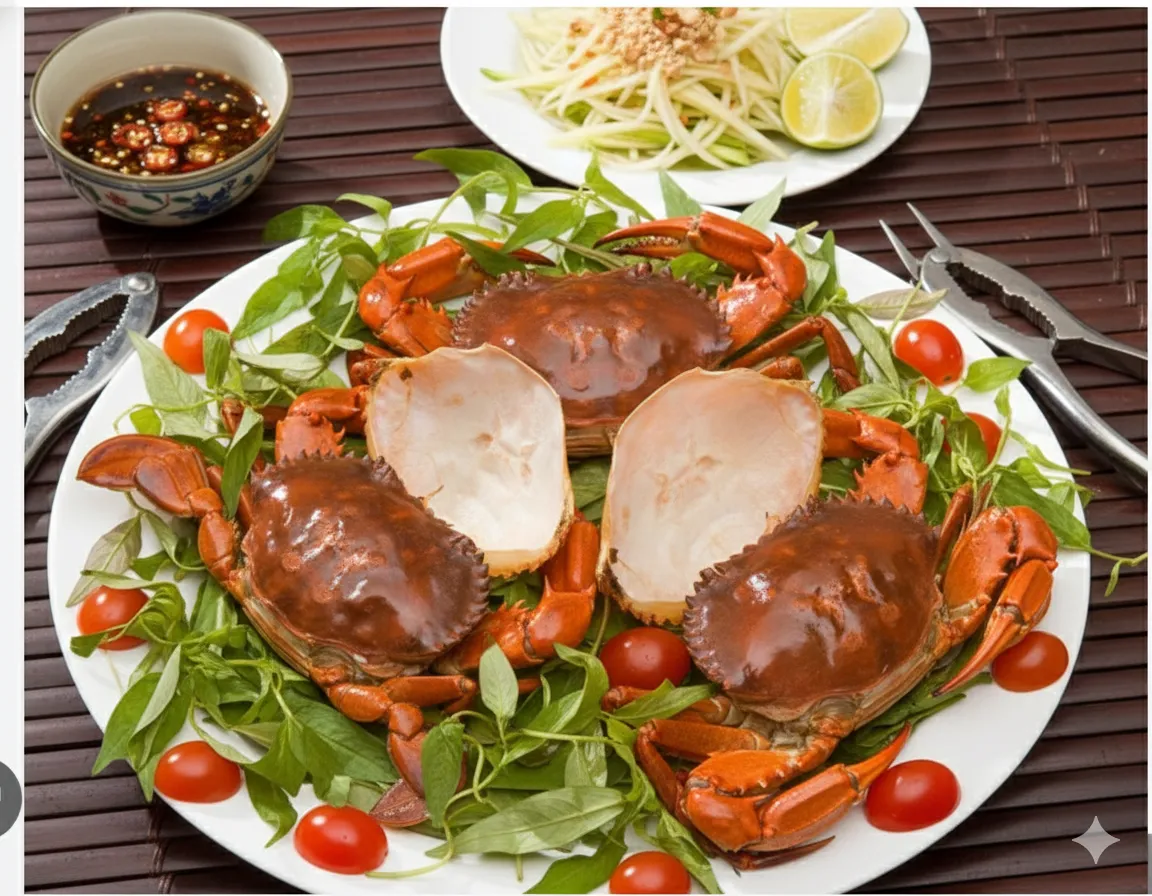
Soft-Shell Butter Crab (Molting Crab)
Soft-Shell Butter Crab (Molting Crab)
A rare molting mud crab from Ca Mau, valued for its edible soft inner shell and exceptionally creamy roe, making it the closest local equivalent to soft-shell crab concepts familiar abroad.
Nature's rare masterpiece—a delicate transition where a soft inner layer protects golden, custard-like roe in a fleeting moment of flavor.
7 From Market to Plate
Once you’ve selected your perfect, meaty crab, the possibilities are endless. In the Mekong Delta, simplicity often reigns supreme. A simple steam, a quick grill, or a bath in a fragrant broth showcases the crab's natural sweetness.
- Steamed Blue Swimmer Crab: My personal favorite for a truly *meaty* crab. Paired with a zesty lime-salt-chili dip, it’s perfection. The steam coaxes out the purest flavor.
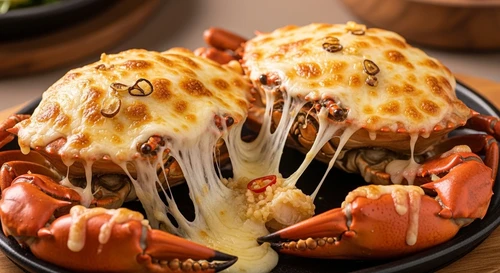
- Grilled Mud Crab with Salted Egg Yolk: A richer, more decadent affair often found with the prized Ca Mau mud crabs.
- Tamarind Crab: A popular dish where the crab is stir-fried in a sweet, sour, and spicy tamarind sauce. It’s messy, addictive, and a true Southern Vietnamese classic.
Whatever method you choose, starting with a crab that you *know* is packed with meat is half the battle. That gentle squeeze of the plastron is your passport to crab nirvana.
8 Trust Your Gut (and Your Fingers)
Navigating the seafood market can be daunting, but this simple technique for choosing blue swimmer crabs is a game-changer. It’s a piece of practical wisdom that has served generations of cooks and diners in the Mekong Delta, ensuring that every shell cracked open yields a treasure of sweet, tender meat.
So next time you find yourself at the market, whether it's a floating market on the Mekong or your local fishmonger, don't be shy. Give that crab a gentle squeeze. Your taste buds will thank you for it. It’s more than just buying seafood; it’s understanding the pulse of the region that provides it.