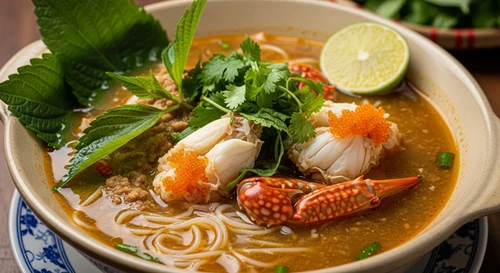
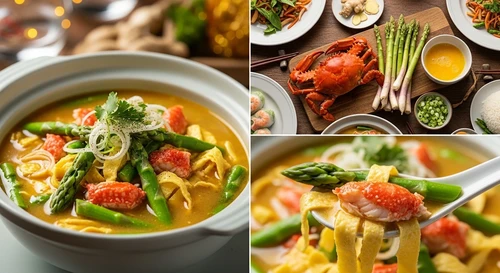
" Forget the heavy, simmering stews of other cuisines. This is the Mekong's answer to a hot day: a soup so light, so fragrant, it feels like a cool breeze on your skin. "
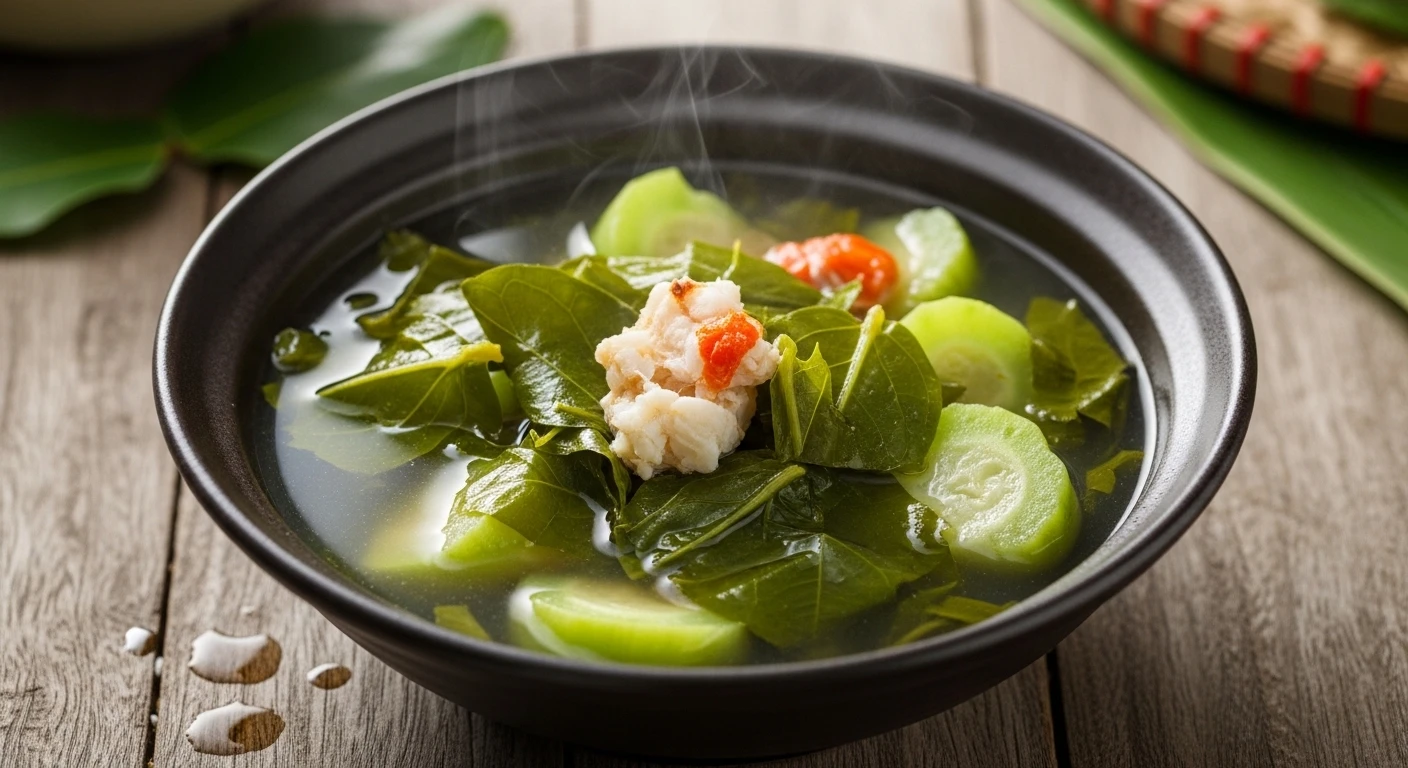
📸 A bowl of pure sunshine and delta bounty.
1 The Mekong's Summer Secret: A Symphony of Simplicity
In the relentless heat of the Mekong Delta, where the air hangs thick and humid, a different kind of comfort food thrives. It’s not about hearty, slow-cooked meals. It’s about refreshment, about bright, clean flavors that cut through the swelter. And few dishes embody this spirit as perfectly as Blue Crab Soup with Jute Leaves and Sponge Gourd (Canh Cua Rau Đay Bầu). This isn't your average crab soup; it’s a revelation in delicate broth-making.
While many crab soups use whole field crabs or crab meat chunks, the true magic of this regional specialty lies in its base: a deeply flavorful broth painstakingly rendered from pounded blue crabs. This method extracts every last drop of sweetness and oceanic essence, creating a soup that is both profoundly savory and refreshingly light. It’s a testament to the ingenuity of Delta cooks, who transform humble ingredients into culinary poetry.
Imagine this: a late afternoon, the sun beginning its descent, casting a golden hue over the emerald rice paddies and winding canals. You're perched on a wooden stool at a small riverside eatery, the gentle breeze carrying the scent of cooking. This soup arrives—a steaming, vibrant bowl that promises respite. The aroma of fresh herbs, tender vegetables, and the subtle brine of the sea wafts upwards. This is the essence of Mekong summer.
2 The Pounded Crab Method: Unlocking the Soul of the Broth
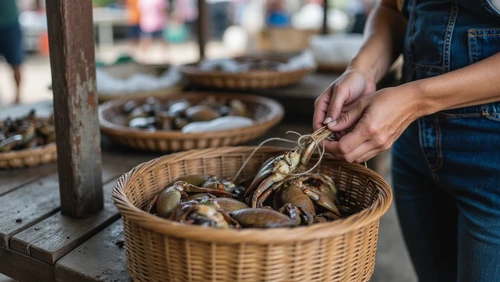
The distinction between this soup and others is crucial: the crab. Forget the large, meaty mud crabs often featured in more robust dishes. Here, the star is the smaller, more common blue crab or swamp crab (cua đồng), often found in the rice paddies and canals that crisscross the Delta.
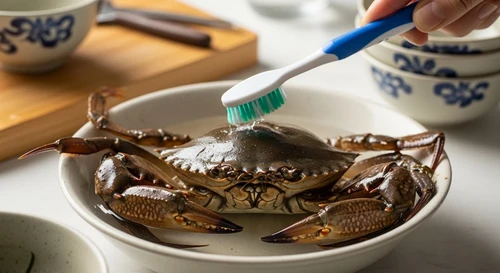
The technique is simple in concept, but requires patience and love. The crabs, cleaned thoroughly, are pounded whole—shells and all—into a rough paste. This paste is then simmered in water, coaxing out the rich crab essence. After a period of gentle cooking, the liquid is carefully strained through a fine-mesh sieve or a piece of muslin cloth. What remains is not just a stock, but a concentrated elixir, a liquid embodiment of the crab’s sweet, briny soul. This strained liquid, devoid of shell fragments, is the foundation of the soup, promising a smooth, unctuous texture.
This method is particularly effective with the types of crabs abundant in the Mekong's freshwater and brackish environments. While you *could* theoretically use larger mud crabs like those from Ca Mau, the delicate nature of the soup might be overwhelmed. The true character comes from the smaller, sweeter crabs that are part of the daily rhythm of Delta life.
Why Pound?
To break down the shells and extract maximum flavor and body from the entire crab, creating a richer, smoother broth than simply simmering whole crabs.
Crab Choice
Smaller blue crabs (cua đồng) are traditional. For a richer, more luxurious take at home, consider using a whole, smaller mud crab pounded carefully, ensuring shells are finely ground.
3 The Verdant Companions: Jute Leaves and Sponge Gourd
The richness of the crab broth is perfectly balanced by two humble, yet essential, protagonists: jute leaves (rau đay) and sponge gourd (bầu). These ingredients are the backbone of countless Delta soups, and here, they shine.
Jute Leaves (Rau Đay)
- These leafy greens have a slightly mucilaginous texture when cooked, lending a pleasant, silky body to the soup.
- They possess a unique, mildly earthy flavor that complements seafood beautifully.
- Handle them gently; they cook quickly and are best when tender-crisp.
Sponge Gourd (Bầu)
- A mild, watery squash that absorbs flavors wonderfully.
- When cooked, it becomes tender and slightly sweet, adding a subtle textural contrast.
- Choose young, firm gourds for the best texture; overripe ones can become mushy.
The preparation is straightforward: the jute leaves are roughly chopped, and the sponge gourd is peeled and cut into bite-sized pieces. They are added towards the end of cooking to retain their color and delicate texture, ensuring they don’t dissolve into the broth.
4 The Recipe: A Taste of the Delta
Yields: 4 servings | Prep time: 30 mins | Cook time: 45 mins
The Crab Essence
Clean about 300-400g of small blue crabs or swamp crabs thoroughly. Pound them whole with a mortar and pestle until they form a coarse paste. In a pot, combine the crab paste with 6 cups of water. Bring to a boil, then reduce heat and simmer gently for 20-30 minutes, skimming off any scum that rises to the surface. Strain the broth through a fine-mesh sieve lined with cheesecloth or a clean kitchen towel, pressing down to extract all the liquid. Discard the solids. You should have about 4-5 cups of rich, clear crab broth.
The Fresh Accents
Finely chop 2-3 cloves of garlic and sauté briefly in 1 tbsp of neutral oil (like canola or vegetable oil) in your soup pot until fragrant. Peel 1 medium sponge gourd (approx. 200g), cut it in half lengthwise, remove the seeds, and chop into 1-inch pieces. Wash and roughly chop about 150g of jute leaves.
Building the Flavors
Pour the strained crab broth back into the pot with the sautéed garlic. Bring to a simmer. Add the sponge gourd and cook for 5-7 minutes until it starts to soften. Then, add the chopped jute leaves and cook for another 2-3 minutes until they wilt. Season the soup with fish sauce (nuoc mam) and a pinch of salt to taste. A tiny dash of sugar can balance the flavors if needed.
The Final Touch
Ladle the soup into bowls, ensuring an even distribution of sponge gourd and jute leaves. Garnish with freshly chopped scallions or cilantro if desired. Serve immediately, ideally with a side of steamed rice. Some enjoy it with a small dish of fresh chili slices for an extra kick.
5 The Soul of the South: A True Delta Experience
This soup is more than just a recipe; it's a portal to the Mekong Delta. It speaks of the rich aquaculture, the bounty of the rivers and canals, and the resourceful spirit of its people. In places like Ca Mau, the southernmost province, where mangrove forests meet rice paddies and a vast coastline, such dishes are daily fare. They represent a connection to the land and water that is palpable.
The subtle sweetness of the crab broth, the tender crunch of the sponge gourd, the delicate silkiness of the jute leaves – it all evokes the slow pace of life, the natural abundance, and the pure, unadulterated flavors that define Southern Vietnamese cuisine. It’s the kind of food that nourishes not just the body, but the soul.
Daily Life
A staple in homes and small eateries across the Delta, perfect for a light lunch or dinner.
Resourceful Cooking
Utilizes common, accessible ingredients harvested locally.
Regional Identity
A defining dish of the Mekong Delta's refreshing culinary landscape.
6 Ingredient Spotlights
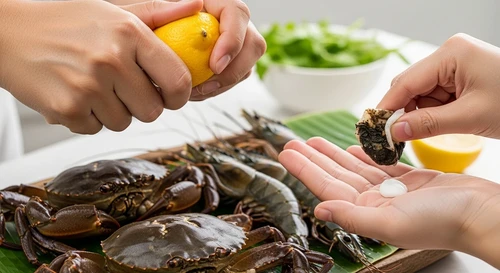
While the soup traditionally uses smaller local crabs, understanding the quality of Mekong seafood is key. Here are some examples that represent the region's diverse offerings:
Heritage Ingredient
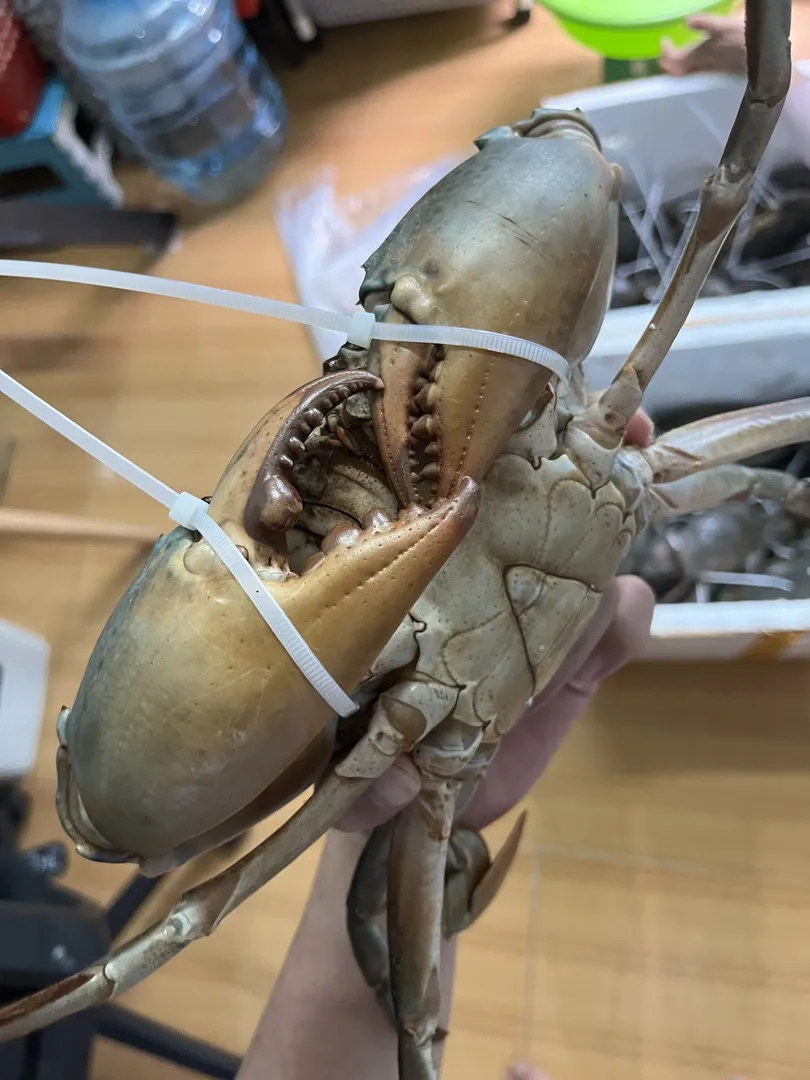
Ca Mau Jumbo Mud Crab
Ca Mau Jumbo Mud Crab
A large male mud crab prized for dense, sweet meat and thick claws, commonly used in steamed crab and grilled crab dishes across the Mekong Delta.
An icon of coastal culinary heritage, featuring firm, sweet meat that captures the raw power and freshness of Ca Mau's tides.
Heritage Ingredient
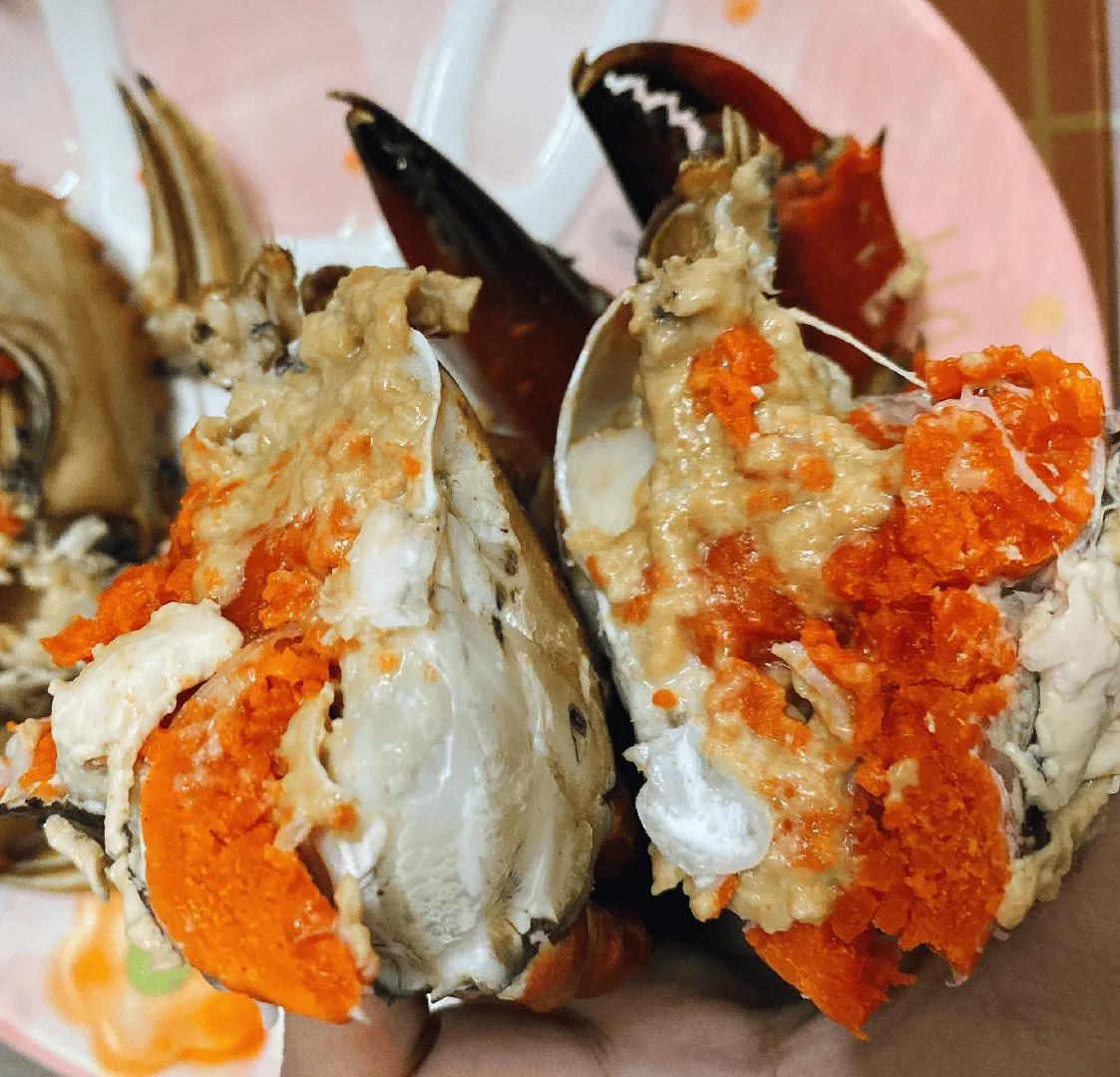
Ca Mau Roe Mud Crab
Ca Mau Roe Mud Crab
A female mud crab known for deep orange roe and a rich, creamy finish, often featured in celebratory Southern Vietnamese seafood meals.
A crimson treasure hidden within a shell, boasting rich, creamy roe that melts on your tongue like a golden sunset over the delta.
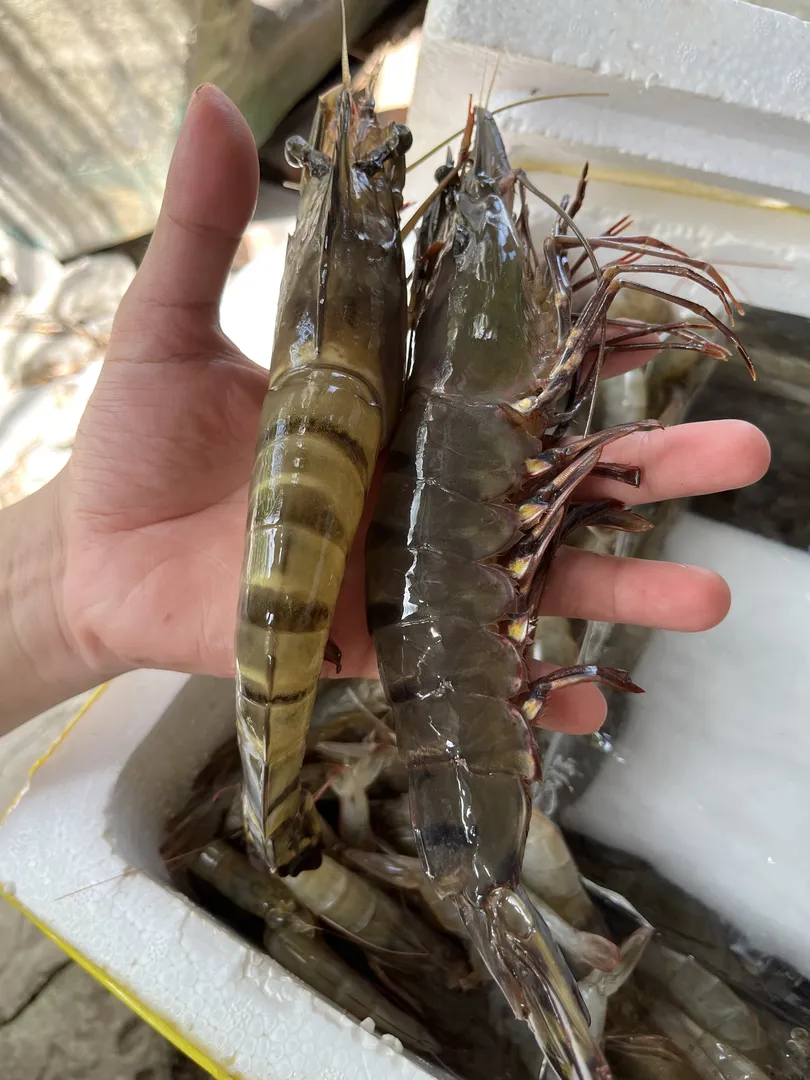
Heritage Ingredient
Ca Mau Black Tiger Shrimp
Ca Mau Black Tiger Shrimp
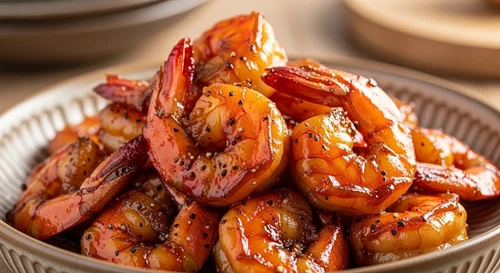
Large black tiger shrimp associated with mangrove aquaculture in Ca Mau, known for firm flesh and a cleaner, sweeter finish than intensively farmed shrimp.
Wild spirits of the mangroves, these black-banded gems deliver a firm, snappy texture and a sweetness that echoes the forest's vibrant life.
7 Chef's Notes for a Perfect Bowl
Broth Clarity is Key
Ensure you skim off all impurities when simmering the crab paste. Straining multiple times through fine mesh or cloth will yield a beautiful, clear broth. This is crucial for the soup's delicate character.
Don't Overcook the Greens
Jute leaves cook very quickly. Add them only in the last few minutes of cooking to maintain their vibrant green color and tender texture. Overcooking makes them mushy and dull.
Seasoning Nuances
The sweetness of the crab broth should be complemented, not masked. Start with a conservative amount of fish sauce and salt, tasting and adjusting as you go. A tiny pinch of sugar can enhance the natural sweetness.
Serving Suggestion
This soup is typically served as a light course or a main dish with steamed jasmine rice. For a more complete meal, pair it with grilled fish or simple stir-fried vegetables.
8 The Essence of Freshness: Why it Matters Most
As with any dish where seafood is the star, freshness is paramount. The delicate flavor of the blue crab is the soul of this soup. Using frozen or older crab will result in a dull, lackluster broth. The vibrant aroma and subtle sweetness are only truly achievable with the freshest possible ingredients.
This is where the Mekong Delta's rich waterways truly shine. The daily catch, often brought in by small boats to local markets and floating stalls, ensures that cooks have access to the freshest seafood. The practice of pounding the crabs whole might seem unusual to some, but it’s a direct result of leveraging the sweet, clean flavor of crabs that are vibrant and full of life. It’s a culinary tradition born from a deep respect for the ingredients and the environment that provides them.
So, when you set out to make this soup, seek out the freshest crabs you can find. The effort will be rewarded with a bowl that sings of the Mekong, a true taste of summer that is both profoundly comforting and astonishingly refreshing.