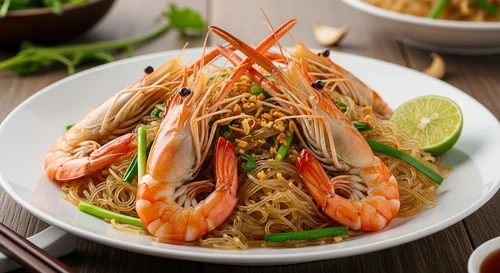
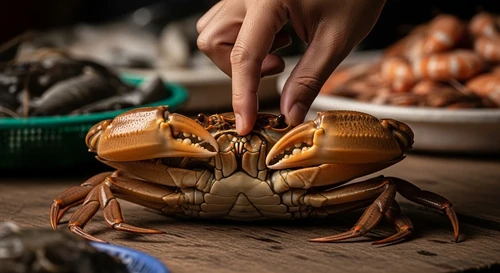
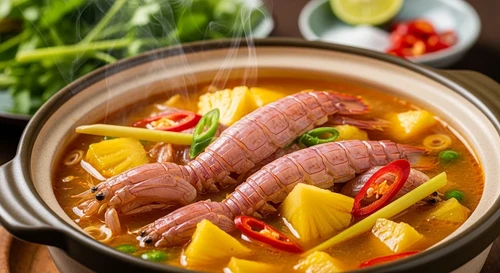
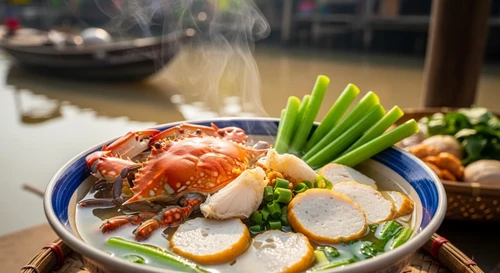
" On a sweltering Mekong Delta noon, when the air hangs thick and still, the ultimate relief doesn't come from air conditioning. It comes from a bowl. A simple, honest bowl that whispers of cool rivers and gentle breezes. "

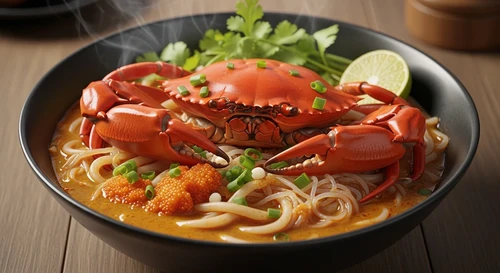
📸 A bowl of comfort: The heart of a Mekong home.
1 The Soul of the Delta's Summer
The Mekong Delta, a labyrinth of rivers, canals, and fertile floodplains, is a land where life moves with the ebb and flow of water. Summers here are not just hot; they are a deep, humid embrace that can drain the energy from even the most seasoned soul. In such a climate, the local cuisine evolves into a testament to nature's bounty and human ingenuity, focusing on ingredients that offer respite, refreshment, and a subtle, nourishing power.
Among these cooling treasures, the humble gourd stands out. Whether it’s the smooth, pale skin of the bottle gourd (often called 'bau' or 'bi') or the delicate strands of snake gourd, these vegetables are water-rich and possess a naturally mild, slightly sweet flavor that readily absorbs the essence of whatever they are cooked with. And when paired with the sweet, briny flesh of freshly caught blue crab, you have a dish that transcends mere sustenance. It becomes a ritual of comfort, a culinary sigh of relief.
This soup, often prepared in simple home kitchens across the delta, is more than a recipe; it’s a memory. It's the taste of grandmother's care, the aroma of a kitchen opened to catch the faintest breeze, and the simple joy of a meal that makes the oppressive heat bearable. It’s the kind of food that feels like a cool drink of water on a parched throat.
2 Jewels from River and Field
The Sweetness of Blue Crab
While 'mud crab' often garners the most fame, the blue crab (often referred to as "cua xanh" in Vietnamese) plays a vital role in the delta's culinary tapestry. It's smaller, more agile, and its meat, particularly when fresh, carries a delicate sweetness that is distinct from its larger cousins. For this soup, the crab is typically smashed to release its flavorful juices and sweet meat into the broth. Often, the carapace and legs are cracked open to allow the essence to meld with the liquid.
Heritage Ingredient
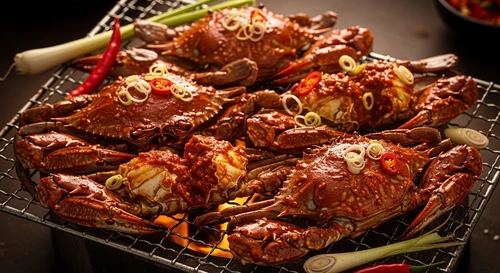
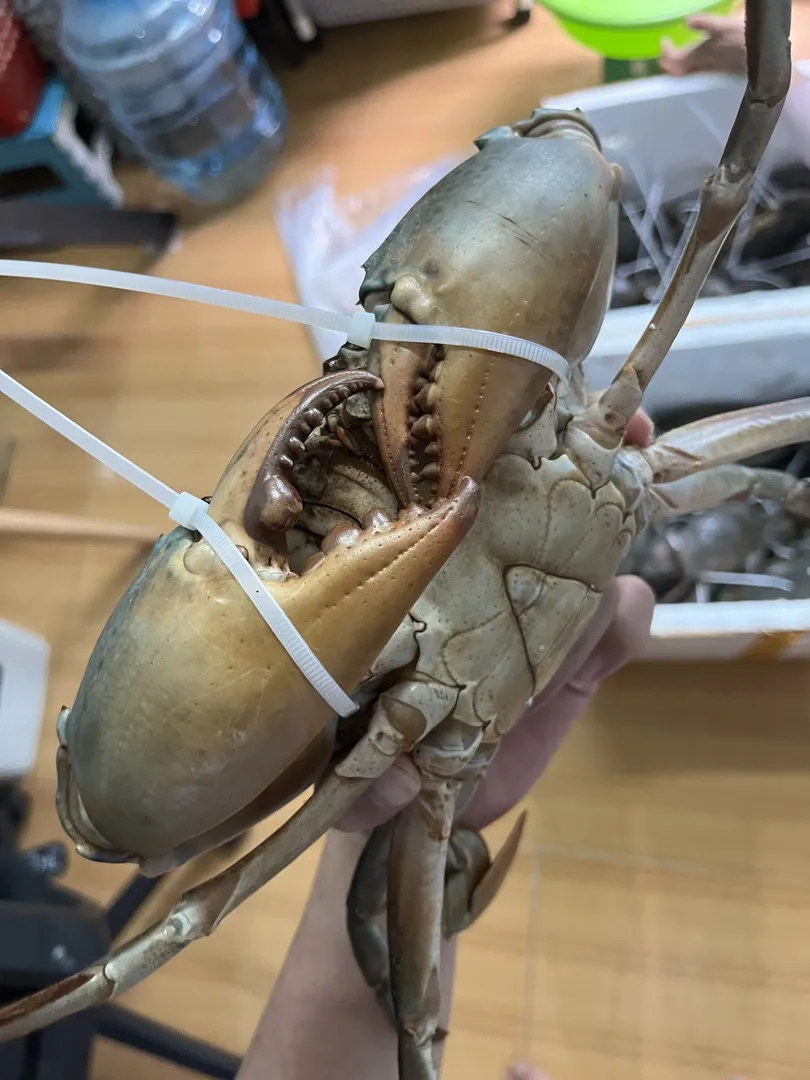
Ca Mau Jumbo Mud Crab
Ca Mau Jumbo Mud Crab
A large male mud crab prized for dense, sweet meat and thick claws, commonly used in steamed crab and grilled crab dishes across the Mekong Delta.
An icon of coastal culinary heritage, featuring firm, sweet meat that captures the raw power and freshness of Ca Mau's tides.
The Hydration of Gourds
Bottle gourd (or calabash gourd) is the star here. Its high water content makes it inherently cooling. When cooked, it becomes tender and slightly translucent, absorbing the savory crab broth beautifully. It's often shredded or cut into small, bite-sized pieces, ensuring a pleasant textural contrast to the delicate crab meat. Other gourds, like snake gourd, can also be used, offering a slightly different, more stringy texture.
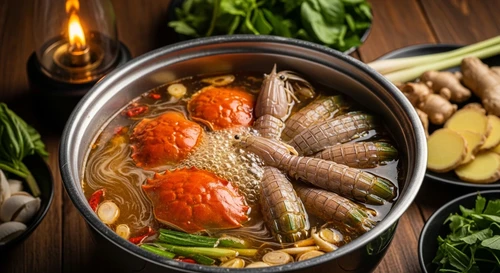
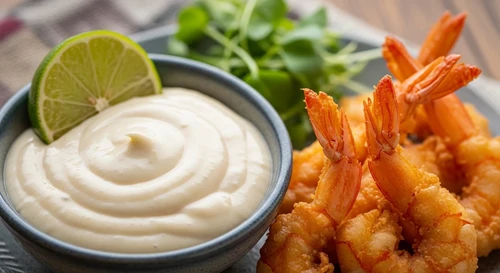
While not used in this specific soup, other common delta ingredients for soups include Heritage Ingredient Hau Giang Featherback Fish Cake A hand-scraped featherback fish cake known for natural bounce and clean fish flavor, often used in soups, hotpot, and stuffed bitter melon dishes. A testament to Hau Giang's artistry—silky, springy, and pure, these hand-scraped fish cakes are the bouncy heart of every clear soup. Heritage Ingredient Whiteleg Shrimp A widely used shrimp in Vietnamese home kitchens, suitable for stir-fries, soups, steamed dishes, and practical cooking articles that need a familiar shrimp reference. Translucent jewels of the coast, thin-shelled and remarkably sweet, making every simple home meal feel like a seaside celebration.
Hau Giang Featherback Fish Cake
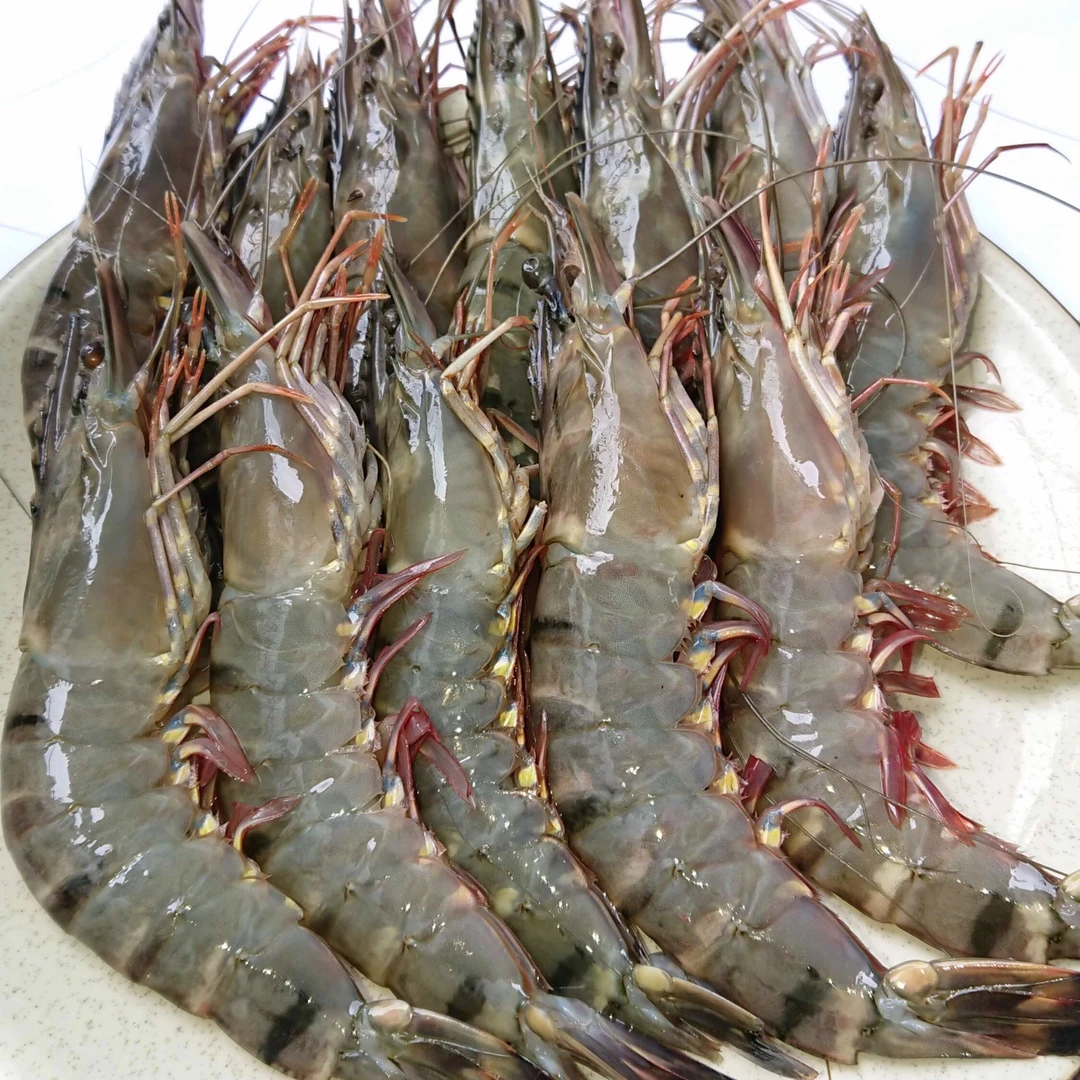
Whiteleg Shrimp
3 A Bowl Crafted with Care
Ingredients
- 250-300g Blue Crab, cleaned and smashed
- 1 medium Bottle Gourd (about 400g), peeled and shredded
- 2-3 cloves Garlic, minced
- 1 small shallot, minced (optional)
- 1 tsp Fish Sauce (nuoc mam)
- Salt and Pepper to taste
- Fresh Cilantro and Spring Onion for garnish
- Water or light seafood broth
Instructions
- Prep the Crab: Ensure the crab is cleaned thoroughly. Smash the body and claws lightly to expose the meat and allow flavors to infuse.
- Sauté Aromatics: In a pot, heat a small amount of cooking oil. Sauté the minced garlic and shallot until fragrant.
- Cook the Crab: Add the smashed crab to the pot. Stir-fry for a minute or two until the crab changes color slightly.
- Build the Broth: Pour in about 1-1.2 liters of water or light seafood broth. Add fish sauce, salt, and pepper. Bring to a boil.
- Add the Gourd: Once boiling, add the shredded bottle gourd. Reduce heat and simmer gently for about 5-7 minutes, or until the gourd is tender but still holds its shape.
- Simmer & Serve: Let the soup simmer for a few more minutes to allow flavors to meld. Taste and adjust seasoning if necessary. Ladle into bowls, garnish generously with chopped cilantro and spring onions. Serve piping hot, but its cooling essence is best enjoyed when the heat of the day is at its peak.
4 More Than Just a Meal
In the Mekong Delta, food is inextricably linked to family, community, and the rhythms of nature. A simple soup like this is a cornerstone of home cooking, a comforting presence during long, hot afternoons. It represents resourcefulness, using readily available ingredients from the abundant waterways and fertile lands.
While not a dish found in haute cuisine restaurants, its value lies in its authenticity and its ability to connect people to their heritage and to the environment. It’s the kind of dish that you find on a simple wooden table, shared amongst family, the steam rising to kiss the humid air. It's a reminder that the most profound culinary experiences are often the most uncomplicated, rooted in tradition and the honest flavors of the land.
The act of preparing and sharing this soup also highlights the delta's symbiotic relationship with its waterways. The crabs caught from the rivers, the water used to cook, the gourd grown in the rich soil – all elements are interconnected, reflecting a way of life that is deeply attuned to the natural world.
5 A Symphony of Subtle Flavors
The taste of this soup is a masterclass in subtlety. The initial impression is one of delicate sweetness, primarily from the blue crab, enhanced by the mild, almost ethereal flavor of the gourd. There's a gentle savoriness from the fish sauce and a hint of aromatics from the garlic. It’s not a bold, punchy flavor; rather, it’s a gentle, refreshing wave that washes over the palate.
The texture is equally important: the tender, yielding gourd contrasts beautifully with the tender, slightly shredded crab meat. The broth itself is light and clear, devoid of heavy fats or thickeners. This lightness is key to its cooling properties. Each spoonful is meant to be invigorating, not heavy.
It's the kind of soup that, when eaten on a hot day, feels like it’s actively working to cool you down from the inside out. The garnishes of fresh herbs add a final burst of freshness, a bright counterpoint to the soup's inherent mildness.
6 Beyond the Blue Crab: Other Delta Coolers
While this Blue Crab and Gourd Soup is a prime example, the Mekong Delta offers a rich repertoire of cooling dishes designed to combat the tropical heat. These often feature water-rich vegetables, light broths, and fresh seafood or lean meats.
- Bitter Melon Soup (Canh Khổ Qua): Stuffed with seasoned ground pork and shrimp, the slightly bitter melon becomes pleasantly mellow when simmered in a clear broth.
- Water Spinach Soup (Canh Rau Muống): Simple, quick, and refreshing, often cooked with garlic or a light broth.
- Seaweed Soup (Canh Rong Biển): While more common in coastal areas, its hydrating properties make it a great summer choice.
- Lotus Seed Soup: A sweet, often dessert-like soup, but its mildness and hydrating lotus seeds make it a gentle palate cleanser.
Each of these dishes, like the crab and gourd soup, embodies the delta’s philosophy of using nature’s gifts to find balance and comfort, especially during the challenging summer months.
7 Unlocking the Flavor: Chef's Secrets
Freshness is Paramount
This soup is unforgiving of old ingredients. The crab must be alive when purchased, and the gourd should be firm and heavy for its size, indicating good water content.
Don't Overcook the Gourd
The gourd should be tender, but not mushy. It should retain a slight bite to provide textural contrast. Overcooking will result in a watery, flavorless mess.
Smash, Don't Just Chop
When preparing the crab, smash it enough to break the shell and expose the meat, but not so much that it disintegrates into pulp. This helps release maximum flavor and sweet juices into the broth.
The Power of Garnish
Fresh herbs like cilantro and spring onions are not just for color. They provide a final layer of freshness and aroma that elevates the entire dish, cutting through any lingering heaviness.
A Taste of True Cooling
This Blue Crab and Gourd Soup is more than just a recipe; it’s an edible embrace from the heart of the Mekong Delta. It’s a reminder that the simplest ingredients, prepared with care and respect for tradition, can offer profound comfort and a much-needed respite from the world's heat. It’s the taste of summer in the delta – pure, refreshing, and deeply nourishing.