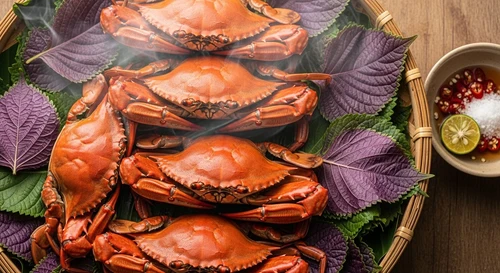
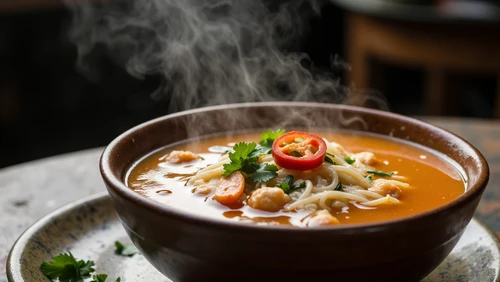
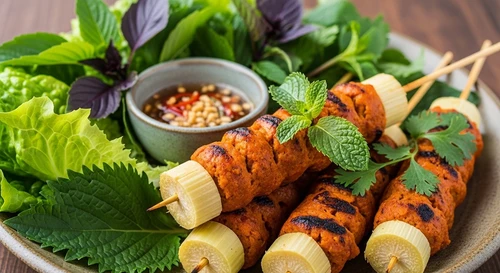
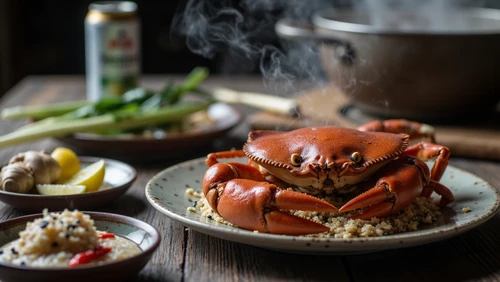
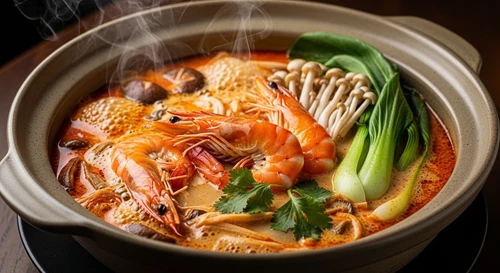
" In the heart of the Mekong Delta, where the rivers pulse like veins and every meal is a celebration of the water's bounty, a simple dip can transform the ordinary into the extraordinary. It’s not about complexity; it’s about balance, a vibrant dance of sweet, sour, salty, and spicy that awakens the palate and brings out the very soul of the seafood. "
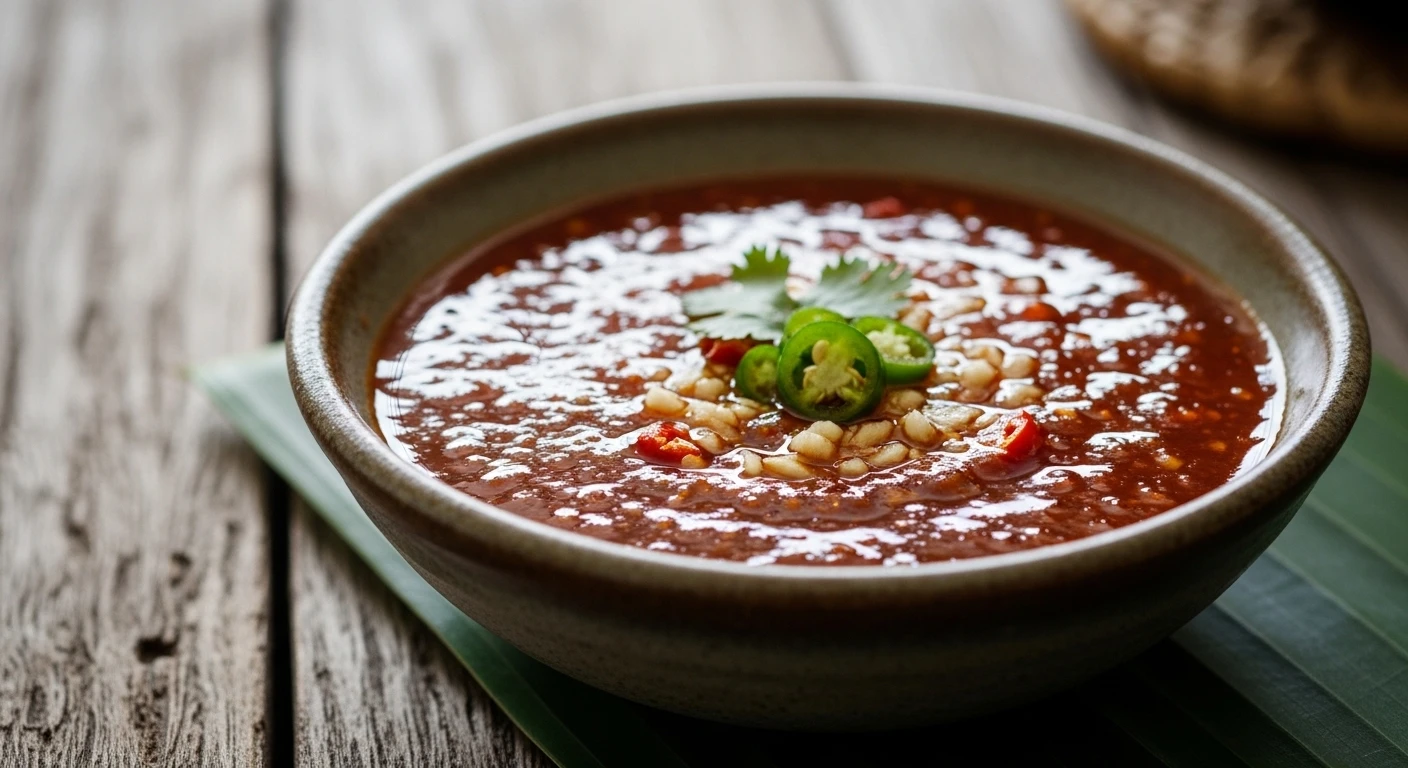
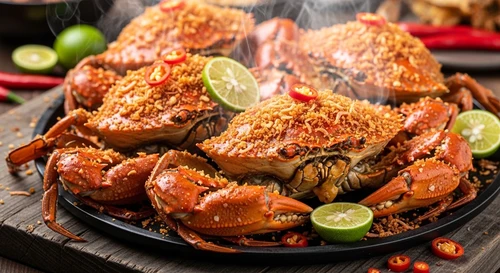
📸 The color of life: A perfect balance of sweet, sour, and spice.
1 The Soul of the Delta: Tamarind's Tang
Tamarind, or me* (though often referred to by its direct name in recipes), is more than just an ingredient in Southern Vietnamese cuisine; it's a cornerstone. Grown prolifically across the fertile Mekong Delta, its distinctive sweet-and-sour profile is the beating heart of many iconic dishes. This dip, often simply called Nuoc Cham Me, harnesses that natural tang, creating a flavor that’s both comforting and exciting.
Unlike the more common lime-based dipping sauces, tamarind offers a deeper, more complex sourness with a subtle fruity undertone. It's this unique character that makes it an indispensable partner for the rich, sweet meat of Mekong Delta seafood, especially crab.
2 The Humble Ensemble
The beauty of this dip lies in its minimal, yet potent, ingredients. Each element plays a crucial role in achieving that perfect sweet, sour, salty, and spicy equilibrium. You’ll find this sauce is a constant companion to the freshest catches from the South China Sea or the vast river systems.
Core Components
- Thick Tamarind Paste: Look for a concentrated paste derived from ripe tamarind pods. It’s the backbone.
- Premium Fish Sauce: The soul of Vietnamese seasoning. A good quality, fermented fish sauce (nuoc mam nhi) adds umami and saltiness.
- Palm Sugar: Provides a natural, complex sweetness that balances the sourness. Granulated sugar can be substituted, but palm sugar offers a richer flavor.
Aromatics & Spice
- Garlic: Freshly minced, it adds a pungent depth.
- Chili: Bird's eye chilies (ớt hiểm) are traditional for their heat, but adjust to your tolerance. Finely chopped or pounded.
- Water: Just enough to help meld the flavors and achieve the right consistency.
3 The Alchemy of Flavor
Tamarind Infusion
In a small saucepan, combine about 1/2 cup of thick tamarind paste with 1/4 cup of water. Gently heat over low flame, stirring constantly, until the paste loosens slightly. This isn't boiling, but rather a gentle warming to release its essence. Strain this mixture through a fine-mesh sieve into a bowl, pressing to extract all the liquid. Discard the solids.
The Flavor Foundation
To the strained tamarind liquid, add 1/4 cup of premium fish sauce, 2 to 3 tablespoons of palm sugar (adjust to taste), and 1 tablespoon of finely minced garlic. If you desire heat, add 1 to 2 finely chopped bird's eye chilies now.
The Gentle Simmer
Return the mixture to the saucepan. Heat gently over low flame, stirring until the palm sugar is completely dissolved and the sauce is homogenous. Do not boil vigorously; you want to meld the flavors, not cook them down. The sauce should thicken slightly.
Taste and Adjust
This is the most crucial step. Taste the sauce. Is it too sour? Add more palm sugar. Too sweet? A splash more fish sauce or a squeeze of lime. Not spicy enough? Add more chili. It’s a personal journey to find your perfect balance. The ideal sauce should be lick-your-fingers good.
Cool and Serve
Allow the sauce to cool to room temperature. It will thicken further as it cools. Serve in a small, attractive dipping bowl alongside your seafood.
The Ultimate Seafood Companions
This sweet and sour tamarind fish sauce dip is designed to complement the natural sweetness and delicate textures of seafood. It’s a versatile condiment that shines brightest with:
Grilled Seafood
Think grilled prawns, squid, fish, and of course, crab. The char from the grill meets the bright acidity of the dip.
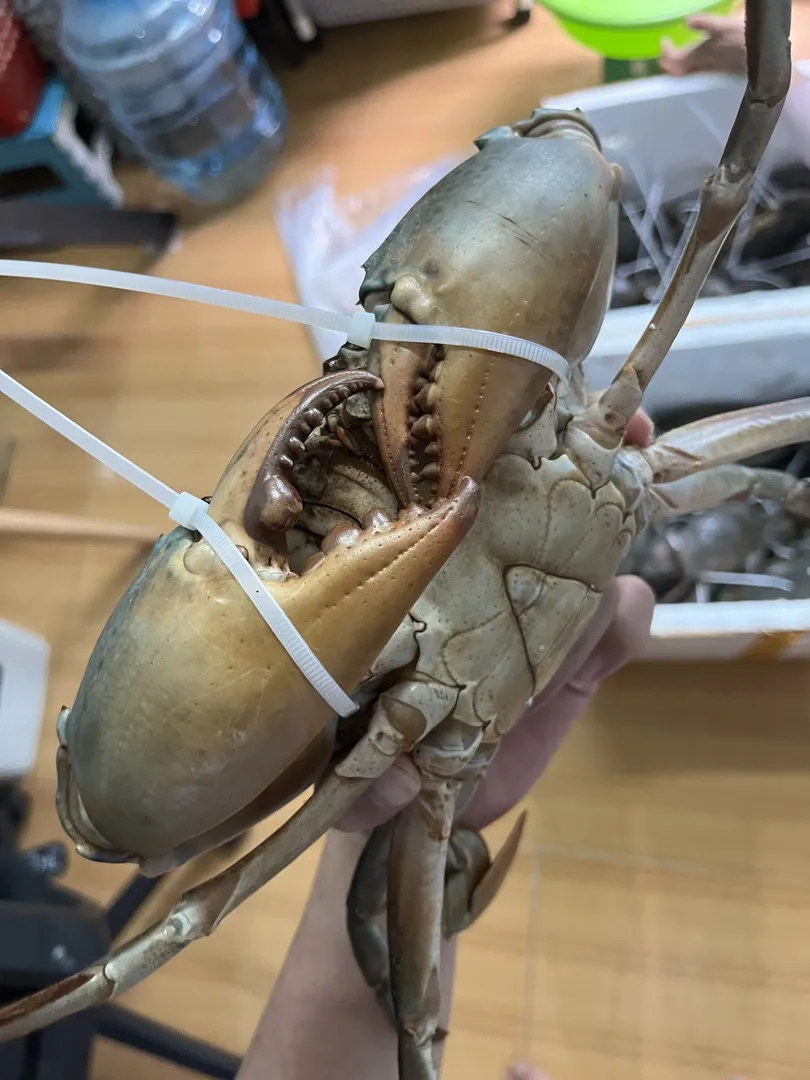
Heritage Ingredient
Ca Mau Jumbo Mud Crab
Ca Mau Jumbo Mud Crab
A large male mud crab prized for dense, sweet meat and thick claws, commonly used in steamed crab and grilled crab dishes across the Mekong Delta.
An icon of coastal culinary heritage, featuring firm, sweet meat that captures the raw power and freshness of Ca Mau's tides.
Boiled Seafood
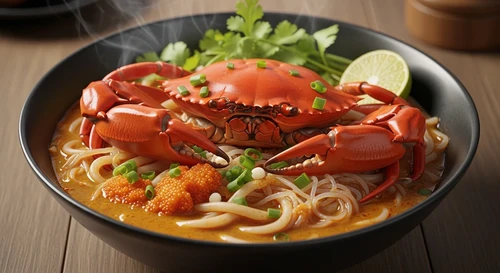
Especially effective with shellfish like clams, mussels, and the crown jewel: Ca Mau Mud Crab. The dip cuts through the richness and enhances sweetness.
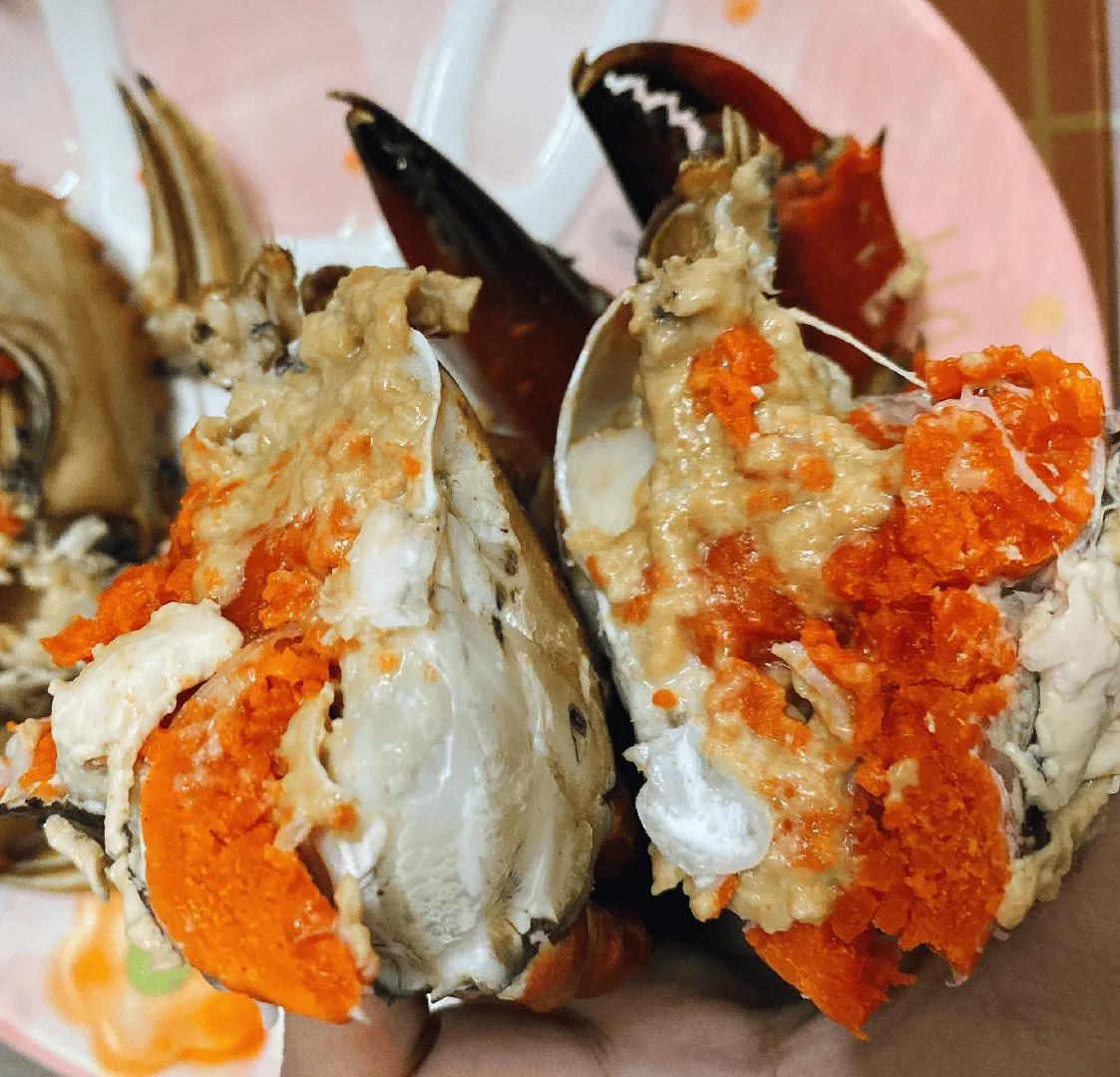
Heritage Ingredient
Ca Mau Roe Mud Crab
Ca Mau Roe Mud Crab
A female mud crab known for deep orange roe and a rich, creamy finish, often featured in celebratory Southern Vietnamese seafood meals.
A crimson treasure hidden within a shell, boasting rich, creamy roe that melts on your tongue like a golden sunset over the delta.
Steamed Dishes
Delicate steamed fish or prawns benefit from a zesty counterpoint. The dip provides an extra layer of savory complexity.
Heritage Ingredient
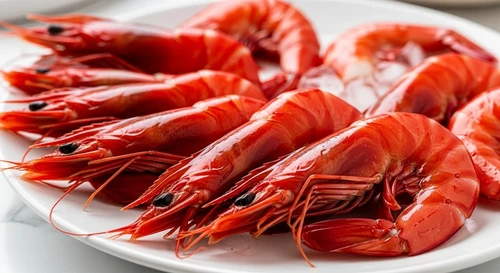
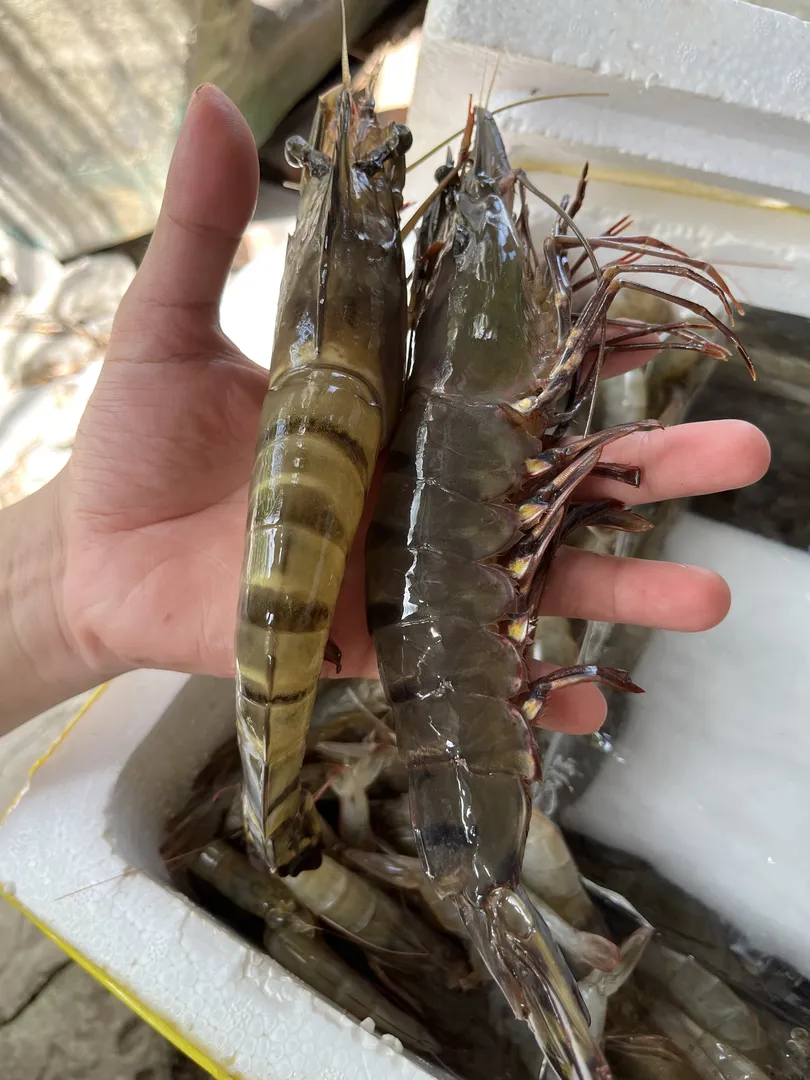
Ca Mau Black Tiger Shrimp
Ca Mau Black Tiger Shrimp
Large black tiger shrimp associated with mangrove aquaculture in Ca Mau, known for firm flesh and a cleaner, sweeter finish than intensively farmed shrimp.
Wild spirits of the mangroves, these black-banded gems deliver a firm, snappy texture and a sweetness that echoes the forest's vibrant life.
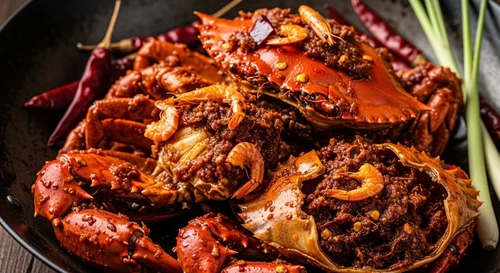
It's particularly divine with a perfectly steamed Ca Mau mud crab, where the sweet, firm flesh is the perfect canvas for the dip's vibrant profile.
Secrets from the Delta Kitchen
💡 The Tamarind's Temperament
🌶️ Heat Management
🍬 Sugar, The Harmonizer
6 More Than a Dip: Tamarind's Delta Footprint
The influence of tamarind extends far beyond this simple dipping sauce. In the Mekong Delta, you'll find it lending its signature tang to:
- Canh Chua (Sour Soup): A quintessential Mekong soup, often featuring prawns, fish, pineapple, bean sprouts, and okra, all swimming in a flavorful tamarind broth.
- Tamarind-Glazed Ribs/Chicken: A popular street food and restaurant dish, where the sweet and sour glaze caramelizes beautifully.
- Various Seafood Preparations: From stir-fries to braises, tamarind is used to create complex, mouthwatering marinades and sauces.
Understanding this dip is a gateway to understanding a fundamental flavor profile that defines much of the Mekong Delta's culinary identity.
7 Keeping the Flavor Fresh
This dip is best enjoyed fresh, as the garlic and chili flavors are most vibrant. However, it can be stored in an airtight container in the refrigerator for up to 3-4 days. The flavors may mellow slightly, but it will still be delicious. If it thickens too much, you can stir in a teaspoon of water before serving.
8 The Heart of Vietnamese Hospitality
In Vietnamese culture, food is an expression of love and hospitality. A well-made dipping sauce like this tamarind fish sauce is a testament to that. It’s the little touches, the carefully balanced flavors, that transform a meal into a memorable experience. Whether you're dining in a bustling Ho Chi Minh City market or a quiet riverside eatery in the Mekong Delta, this dip is a constant, reliable source of delight.
So, the next time you're preparing seafood, remember this simple, potent dip. It's more than just a condiment; it's a little taste of the vibrant heart of Vietnam.