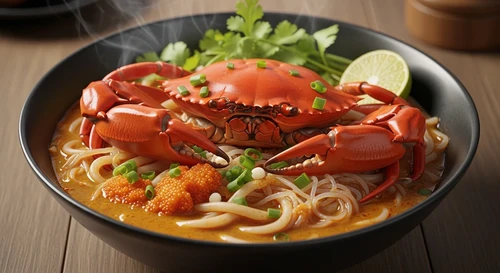
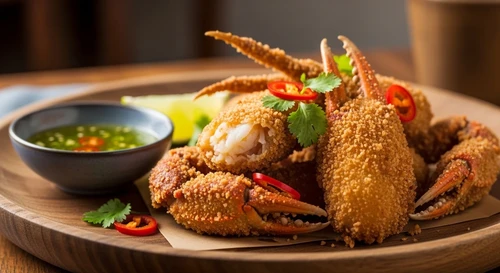
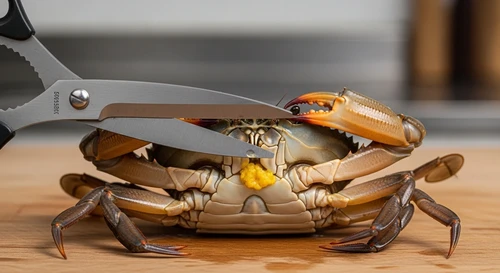
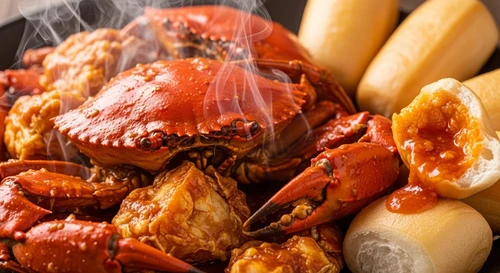
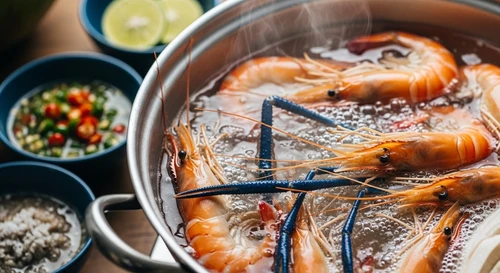
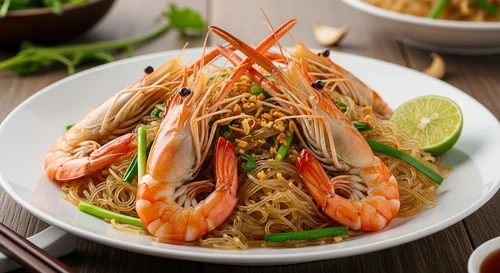
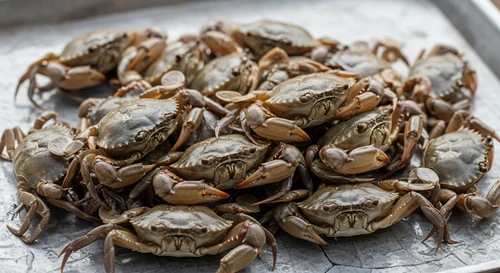
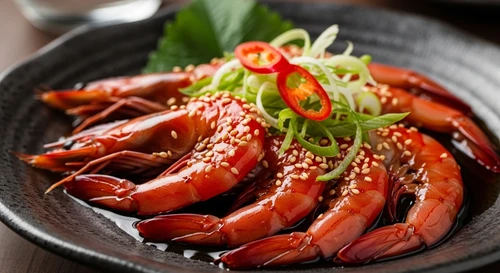
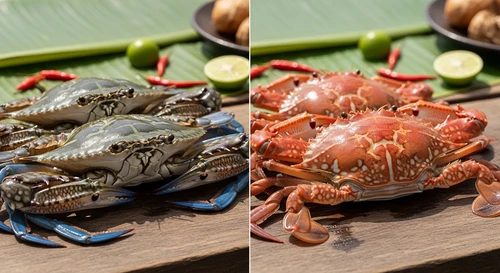
" If Tamarind Crab is a heavy metal concert, Steamed Crab is an acoustic session. Unplugged. Raw. Honest. You can't hide bad quality crab with this method. It's a true test of the ingredient. "
1 The Mekong Delta's Simple Pride
In the heart of Vietnam's fertile Mekong Delta, where rivers crisscross the landscape like veins and lifeblood, simplicity often reigns supreme in the kitchen. Forget complex sauces or deep-frying. Here, the philosophy is to let the exceptional quality of the produce speak for itself. And when it comes to seafood, few ingredients command such reverence as the mud crabs from the brackish waters of Ca Mau.
This Beer-Steamed Crab with Lemongrass recipe is a testament to that philosophy. It's a dish born from necessity and refined by generations of resourceful cooks who understood that the best way to honor a pristine ingredient is to enhance, not mask, its natural brilliance. It’s a weekend ritual, a celebration of freshness, and a direct connection to the bounty of the region's waters.
Imagine this: the humid air thick with the scent of salt and water, the gentle lapping of waves against a wooden sampan, and the promise of a truly spectacular meal. This dish captures that essence in every tender, succulent bite.
2 Why Beer? (It's not to get drunk)
You might raise an eyebrow: "Why waste precious beer on a steaming pot?" It's a question that has merit, but in this culinary context, the beer plays a crucial, albeit subtle, role. It’s not about infusing a malty flavor, but about leveraging the science of steam.
Odor Neutralizer
Seafood, especially crab, can have that distinct "marine" aroma. The alcohol and hops in beer bond with volatile amines – the compounds responsible for that fishy smell – and help to carry them away as steam. The result? A cleaner, sweeter crab aroma.
Tenderizing Magic
While not a primary tenderizer, the enzymes and compounds in beer contribute to a subtly more tender and moist texture compared to plain water. It adds a faint, earthy undertone that beautifully complements the bright, zesty notes of lemongrass.
3 The Star of the Show: Ca Mau Crab
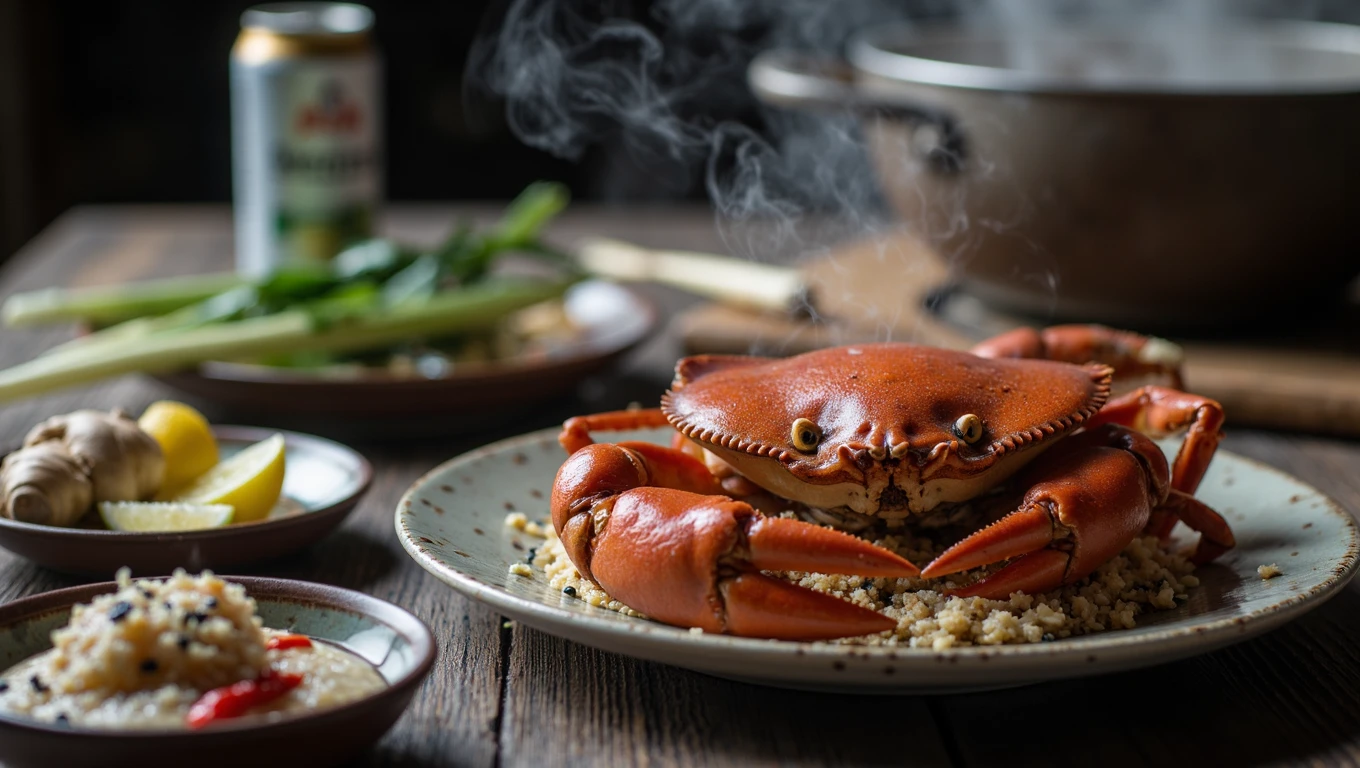
📸 The color of perfection: Vibrant orange-red, a sign of a perfectly cooked Ca Mau crab.
When we talk about crab in Vietnam, especially in the context of pristine, minimal cooking methods, the name Ca Mau echoes with a certain prestige. This southern province is renowned for its vast mangrove forests and coastal wetlands, creating the ideal habitat for mud crabs (often referred to as "black tiger crabs" or "mud crabs" in Western markets) of exceptional quality.
The crabs from Ca Mau are prized for their firm, sweet meat and a relatively thin shell, making them a delight to crack and devour. Whether you choose a male crab packed with dense meat or a female laden with rich, creamy roe, the key is freshness. For this steaming method, using live crab is non-negotiable. It's the difference between a good meal and an unforgettable one.
For those seeking the absolute best, consider the varieties available:

Heritage Ingredient
Ca Mau Jumbo Mud Crab
Ca Mau Jumbo Mud Crab
A large male mud crab prized for dense, sweet meat and thick claws, commonly used in steamed crab and grilled crab dishes across the Mekong Delta.
An icon of coastal culinary heritage, featuring firm, sweet meat that captures the raw power and freshness of Ca Mau's tides.
Heritage Ingredient
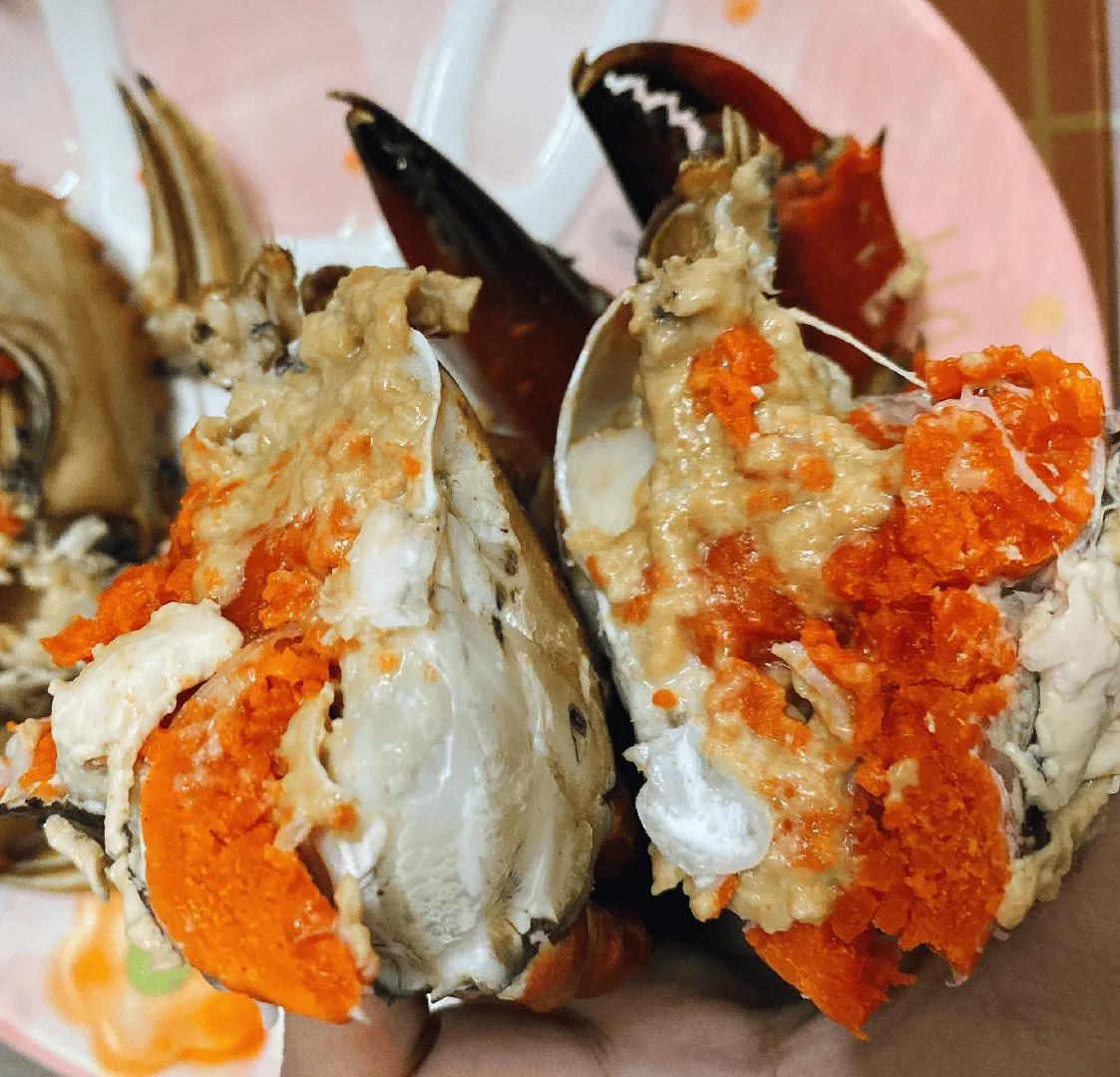
Ca Mau Roe Mud Crab
Ca Mau Roe Mud Crab
A female mud crab known for deep orange roe and a rich, creamy finish, often featured in celebratory Southern Vietnamese seafood meals.
A crimson treasure hidden within a shell, boasting rich, creamy roe that melts on your tongue like a golden sunset over the delta.
Heritage Ingredient
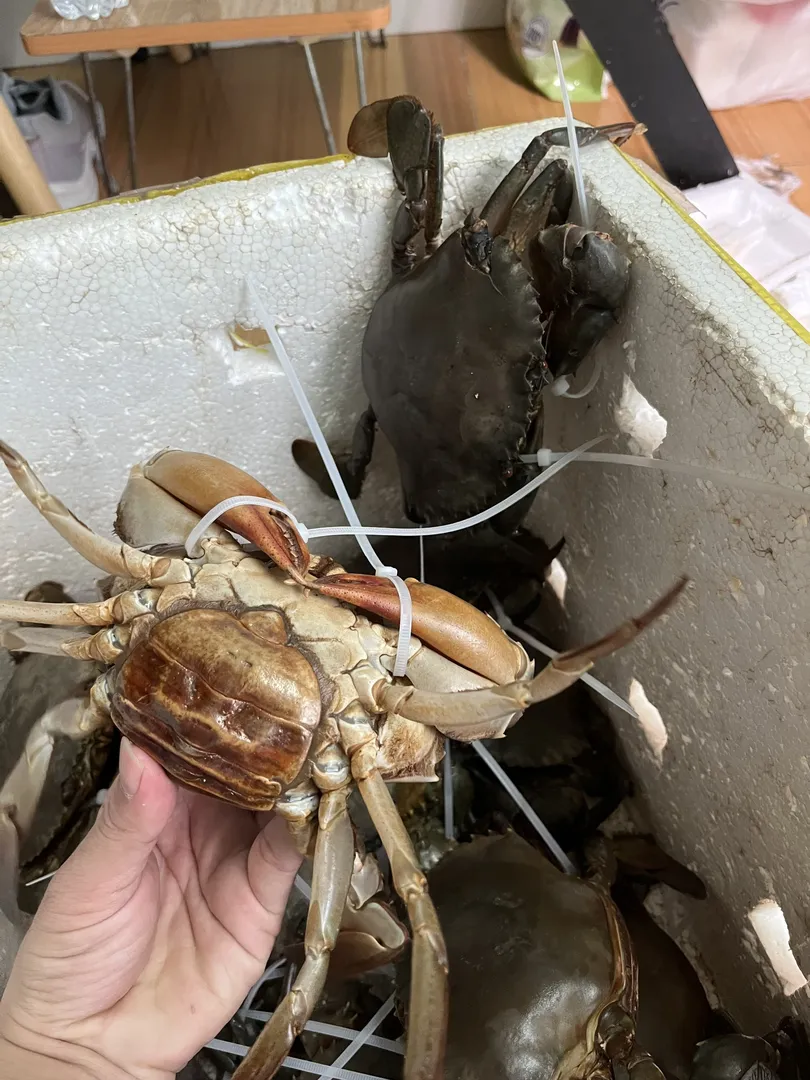
Young Roe Mud Crab (Virgin Crab)
Young Roe Mud Crab (Virgin Crab)
A young female mud crab identified before full spawning, offering a balance of sweet meat and light roe that sits between meat crab and roe crab styles.
A graceful balance of sweetness and creaminess, where tender meat meets a hint of light, buttery roe for a truly refined palate.
Each type offers a unique experience, but all share that quintessential Ca Mau sweetness.
4 The Supporting Cast: Aromatics
The Fragrant Duo
- Lemongrass: 5-6 stalks. This is the star aromatic. Smash them thoroughly with the back of your knife or a rolling pin to break the fibers and release their essential oils. Don't be shy; you want that potent fragrance to infuse the steam.
- Ginger: A thumb-sized piece, sliced thickly. Its warming, slightly peppery notes cut through the richness of the crab and complement the lemongrass beautifully.
Optional Enhancements
- Lime Leaves: 2-3 bruised leaves add a citrusy, floral depth.
- Garlic: A few smashed cloves can be added for an extra layer of savory aroma.
- Chili: If you like a hint of heat, add a sliced bird's eye chili to the steaming bed.
5 The Art of Steaming: A Gentle Process
The Ethical Goodbye (Optional but Recommended)
To ensure the kindest preparation, place the live crab in your freezer for 15-20 minutes. This numbs them, making the cooking process more humane. Alternatively, for quick preparation, you can humanely dispatch the crab by quickly piercing the top shell at the center of its body, where the legs meet.
Prepare the Steaming Bed
In a large pot or wok, pour in 1-2 cans (about 330-660ml) of your chosen lager. Lay the smashed lemongrass stalks, sliced ginger, and any optional aromatics (lime leaves, garlic) on top of the beer. This forms the fragrant "bed" for the crab.
The Gentle Steam Bath
Place your prepared crab, belly-side up, onto the aromatic bed. Cover the pot tightly with a lid. Bring the liquid to a boil, then reduce the heat slightly to maintain a vigorous steam. Steam for 15-20 minutes for medium-sized crabs (around 400-500g), or up to 25 minutes for larger specimens. The shell should turn a vibrant, opaque red-orange.
Rest and Serve
Once perfectly cooked, remove the pot from the heat and let it rest, covered, for a minute or two. This allows the steam to finish its work. Serve immediately while piping hot.
The Soulmate: Salt, Pepper, and Lime 🍋
This is arguably the most important part of the dish. Steamed crab's delicate sweetness needs a sharp, salty, acidic counterpoint. Forget ketchup; embrace tradition.
1. The Base: Salt & Pepper
Start with fine sea salt and freshly ground black pepper. The ratio is to your preference, but a 2:1 salt to pepper is a good starting point.
2. The Zing: Fresh Lime Juice
Gradually add fresh lime juice, mixing until a coarse, slightly greyish paste forms. Don't make it too watery; it should cling to the crab meat.
3. The Kick: Fresh Chili (Optional)
For those who crave heat, finely mince a bird's eye chili and stir it in. A little goes a long way!
For an adventurous palate, try the famous Vietnamese Green Chili Condensed Milk Sauce (Muối Ớt Xanh). It offers a creamy, tangy, and spicy experience that is surprisingly addictive with crab.
6 Expert Tips for Mekong Flavor
- Source the Freshest Crab: This cannot be stressed enough. If possible, buy from a reputable fishmonger who can guarantee the crab was alive when you bought it. For those in Vietnam, direct from the markets of Ca Mau or Bac Lieu is ideal.
- Don't Overcook: Overcooked crab becomes dry and rubbery. The steam time is crucial. Start checking around the 15-minute mark for smaller crabs.
- The Beer Choice Matters: Stick to crisp, clean lagers like Tiger, Bia Saigon, or Heineken. Avoid overly hoppy, dark, or flavored beers, which can overpower the delicate crab.
- Embrace the Mess: Eating crab is a hands-on affair. Provide plenty of napkins, possibly even bibs, and small tools like crab crackers and picks.
- Pairing Perfection: Serve with steamed rice and a crisp, dry white wine or, more traditionally, an ice-cold Vietnamese lager.
7 Beyond Beer: The Coconut Water Classic
While beer provides a savory depth, another equally beloved method in the Mekong Delta involves steaming crab with fresh coconut water. This imparts a natural sweetness that is incredibly pure and satisfying. If you find the beer method too "heavy" or are looking for a milder, sweeter profile, coconut water is your answer. It’s a delightful variation that highlights the crab's inherent sweetness even further.
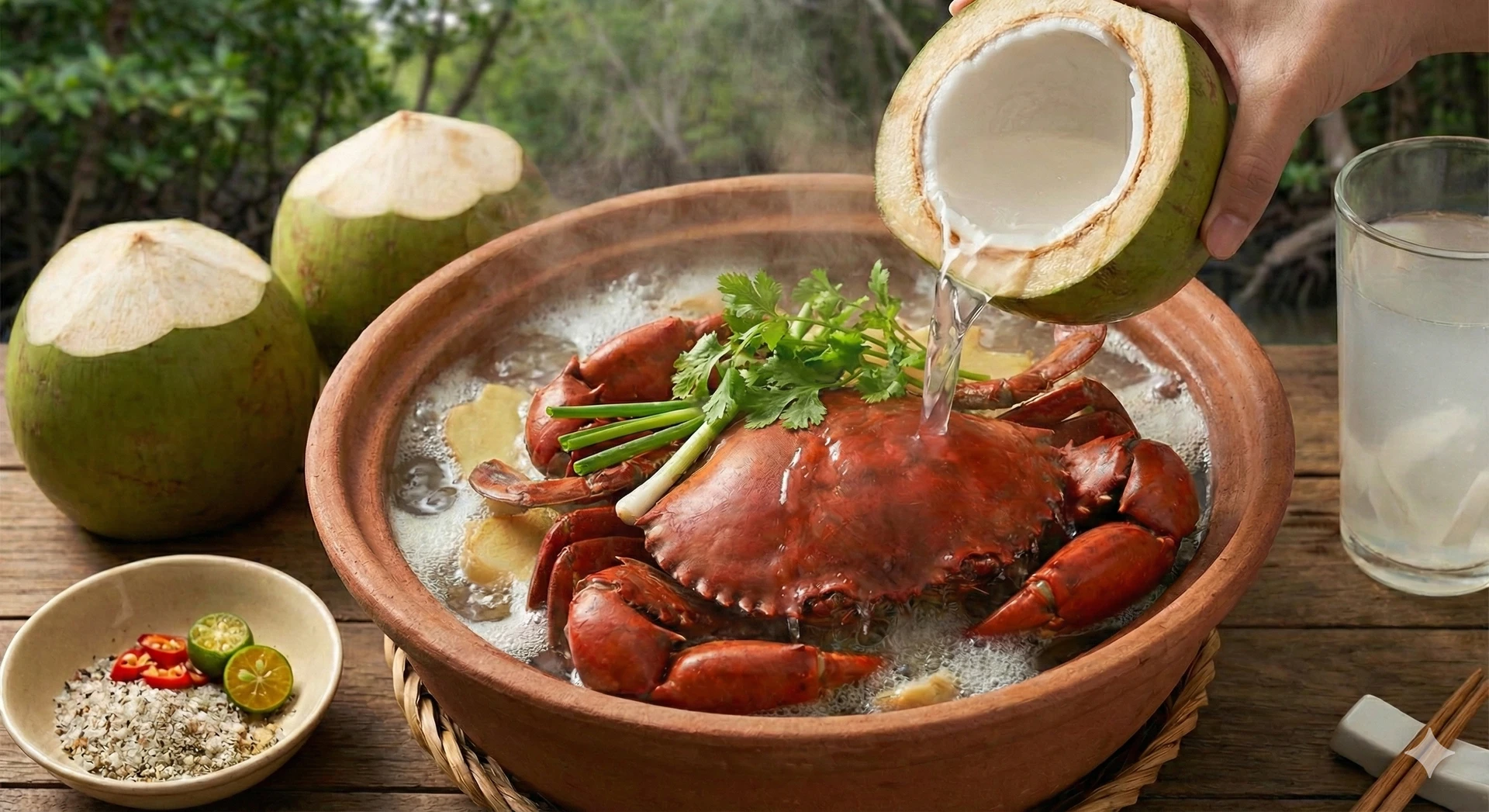
A healthy, sweet alternative: Steamed crab in fresh coconut water.
8 The Weekend Ritual
This isn't just a recipe; it's an invitation. An invitation to slow down, to gather loved ones, and to celebrate the simple, profound pleasure of truly excellent food. The weekend is the perfect time to source fresh crabs, to prepare this dish with care, and to savor the fruits of the Mekong's rich waters. It’s a culinary moment that connects you to the heart of Vietnamese food culture, one fragrant, succulent bite at a time.
So next weekend, bypass the grocery store's pre-packaged options. Seek out that live crab, grab a cold lager, a few stalks of lemongrass, and embark on a culinary journey that is as rewarding as it is delicious.