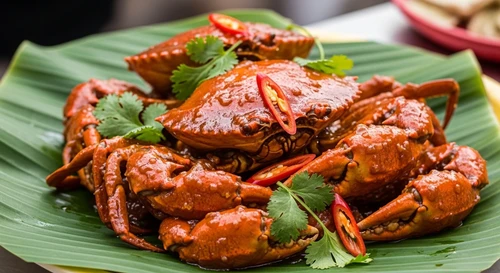
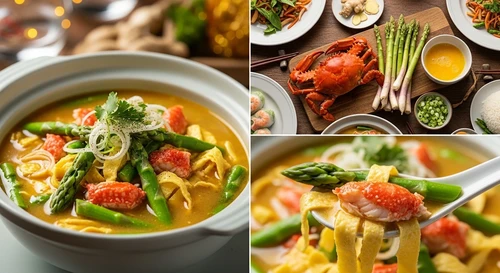
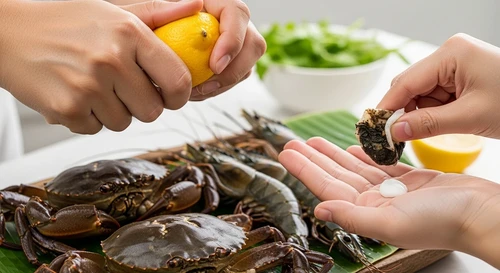
" It's a scene you'll find in kitchens from the vibrant floating markets of Can Tho to the humble home cooks in Ca Mau: the frantic struggle to keep a crab intact before it hits the boiling pot. We've all been there, watching those precious legs detach, floating away like little casualties of culinary war. "
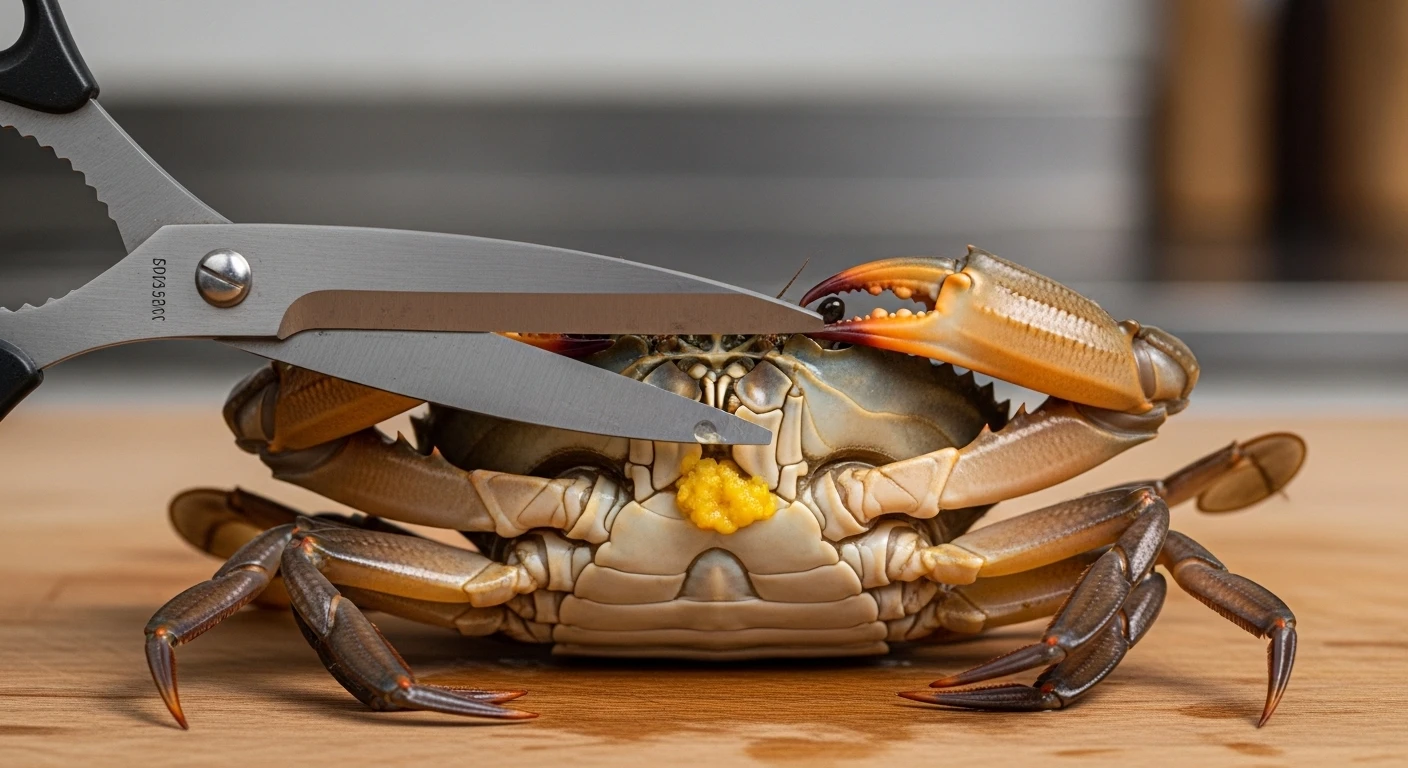
📸 Precision and purpose: A clean cut is the key.
1 The Autotomy Instinct: Nature's Escape Plan
Crabs, like many crustaceans, possess a remarkable defense mechanism known as autotomy – the ability to shed a limb. This is primarily a survival tactic. When a crab senses extreme danger, such as being grabbed by a predator or, in our case, aggressively handled before cooking, its nervous system triggers the detachment of a limb at a pre-determined fracture point. This allows the crab to escape while the predator is distracted by the still-flailing limb.
In the kitchen, this instinct becomes our foe. A crab, especially a large, feisty one from the brackish waters of Ca Mau, feels the stress of capture and preparation. If you simply throw a live, agitated crab into boiling water, its instinct to flee will lead to a messy shedding of legs. It's not just about presentation; it's about maximizing your yield and ensuring a beautiful dish.
Survival Instinct
The crab detaches limbs to escape predators or severe threats. This is a primal reflex.
Culinary Consequence
In cooking, this instinct results in leg loss, diminishing the visual appeal and the amount of prime crab meat.
2 The Source: Ca Mau's Crown Jewels
The Mekong Delta, particularly the province of Ca Mau, is synonymous with some of the world's finest mud crabs. These aren't just any crabs; they are the product of intricate mangrove ecosystems, where they feed on a rich diet of small mollusks and crustaceans. This diet contributes to the dense, sweet, and profoundly flavorful meat that chefs and home cooks covet.
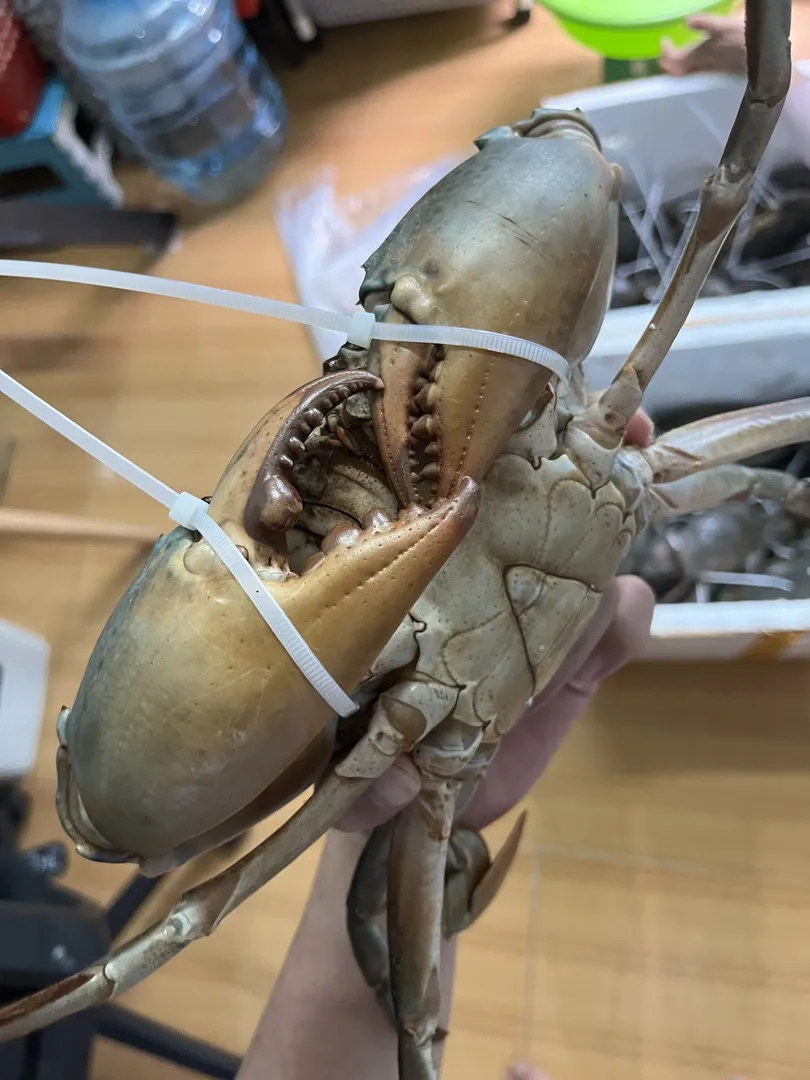
Heritage Ingredient
Ca Mau Jumbo Mud Crab
Ca Mau Jumbo Mud Crab
A large male mud crab prized for dense, sweet meat and thick claws, commonly used in steamed crab and grilled crab dishes across the Mekong Delta.
An icon of coastal culinary heritage, featuring firm, sweet meat that captures the raw power and freshness of Ca Mau's tides.
When you're dealing with a magnificent specimen, like the Ca Mau Jumbo Mud Crab, the last thing you want is for it to lose its impressive claws or legs in transit to the pot. The visual impact of a whole, intact crab is paramount, whether it's destined for a simple steam, a fiery stir-fry, or a celebratory feast.
The traders and cooks in the delta, often out of necessity and generations of learned skill, developed simple, effective techniques. This "scissor technique" is one such testament to their resourcefulness and respect for the bounty of their environment.
3 The Scissor Method: Humane and Effective
This is where precision meets compassion. The goal is to neutralize the crab's escape reflex instantly, preventing it from activating the autotomy mechanism. This is best achieved by targeting its central nervous system.
Gather Your Tools
You'll need a sturdy pair of kitchen scissors. Ensure they are clean and sharp. A live crab, ideally one that's relatively calm.
Locate the Nerve Center
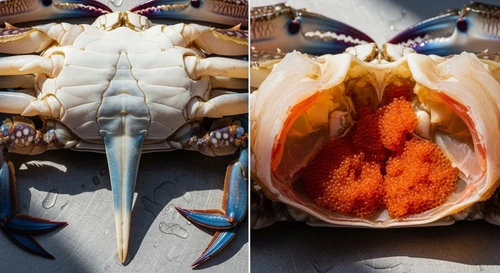
Observe the underside of the crab. Roughly between the base of the front legs, there's a small triangular plate (the abdomen). Just behind this, beneath the carapace, lies the main nerve ganglion.
The Swift Cut
With a decisive and swift motion, insert the tip of the scissors into the soft spot just behind the abdominal plate and push downwards through the shell into the crab's body. This action instantly destroys the nerve center. The crab will likely twitch momentarily and then go still.
Proceed to Cooking
Immediately after the cut, you can proceed with your chosen cooking method – steaming, boiling, or grilling. The crab will be rendered immobile and incapable of shedding its legs.
The Result: Perfect Presentation, Every Time
This simple, quick technique ensures that your beautiful crab emerges from the pot fully intact. No more missing limbs, no more struggling with detached appendages. The legs remain firmly attached, providing a visually stunning presentation that honors the quality of the seafood, especially prized specimens from regions like Ca Mau.
Visual Appeal
A whole crab looks more appetizing and impressive.
Maximizes Yield
No legs lost means more delicious meat for diners.
Humane Practice
Reduces the stress and potential suffering of the crab.
5 Beyond the Pot: Culinary Traditions
Once your crab is perfectly prepared and intact, the Mekong Delta offers a myriad of ways to enjoy it. While simple steaming highlights its natural sweetness, regional dishes showcase its versatility.
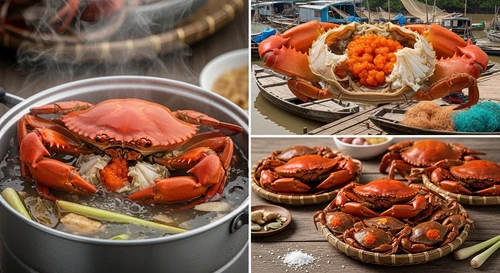
Steamed Crab with Lemongrass and Lime
The classic. Served with a zesty lime-salt-pepper dipping sauce, this allows the crab's pure flavor to shine, elevated by aromatic herbs.
Tamarind Crab
A richer, more complex dish where the crab is stir-fried in a tangy, sweet, and savory tamarind sauce. Sticky fingers are guaranteed!
Crab Noodle Soup (Banh Canh Cua)
A hearty and comforting soup featuring thick, chewy rice noodles in a rich, slightly sweet crab broth, often topped with generous chunks of crab meat.
Grilled Crab with Chili Salt
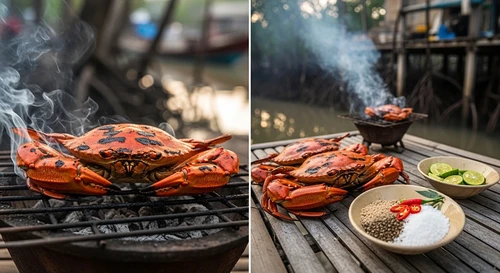
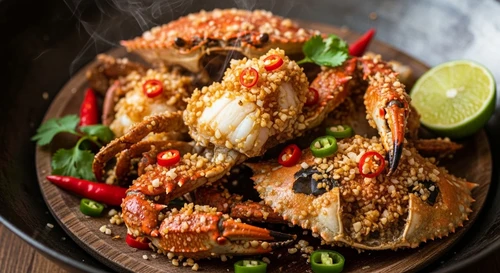
Simple grilling brings out a smoky char, perfectly complemented by a fiery chili-salt seasoning, a popular choice along the coast.
6 Respect the Ingredient
The scissor technique is more than just a cooking hack; it's an embodiment of respect for the ingredient. In the Mekong Delta, where seafood is deeply intertwined with the rhythm of life, treating your catch with care is paramount. It ensures you get the best possible outcome from a valuable food source and acknowledges the effort it took to bring it to your table.
By taking a few extra seconds to perform this humane dispatch, you not only enhance the final presentation but also demonstrate a deeper appreciation for the culinary journey, from the mangrove-fringed waters of Ca Mau to your plate.
Expert Tips
🔪 Ensure Sharp Scissors
🥶 The Chill Factor
🎯 Aim for Accuracy
The Takeaway
The scissor technique is a simple yet profound method that elevates your seafood preparation. It's a practical application of understanding animal behavior and applying it to culinary success, ensuring that every crab you cook is presented at its absolute best. Embrace this technique, and you'll cook crabs with confidence and style, worthy of the Mekong Delta's rich culinary heritage.