" The scent of brine, the cacophony of vendors, the glint of fresh catch under the tropical sun – this is where the true story of Mekong seafood begins. And at the heart of it often sits the crab. "
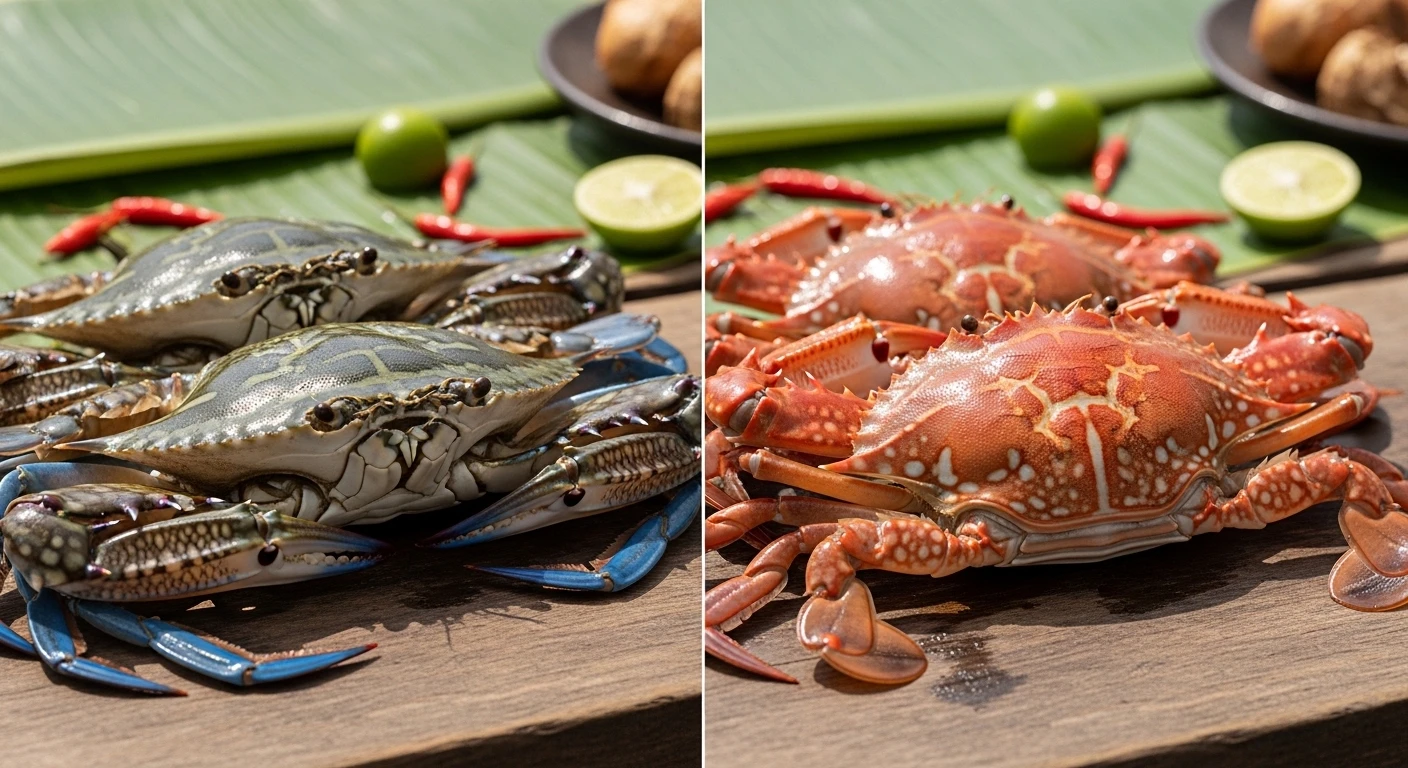
📸 Spotting the difference: The subtle markings that speak volumes about flavor.
1 The Mekong Crab Canvas: A World of Difference
Step into any bustling seafood market in the Mekong Delta, from the floating labyrinth of Can Tho to the coastal plains of Ca Mau, and you’ll be met with a dazzling array of crustaceans. Among the most common, and often confused, are the crabs we’re here to discuss: the highly prized Blue Swimmer Crab and the more… accessible Red Cross Crab.
These aren't just names; they represent distinct culinary experiences, dictated by biology, habitat, and ultimately, taste. Understanding the difference isn't just about being a savvy shopper; it's about unlocking the true potential of Mekong seafood.
The Mekong Delta, a vast network of rivers, canals, and mangrove forests, is a natural paradise for crustaceans. The brackish waters support a rich ecosystem, and crabs are a cornerstone of the region's diet and economy. But not all crabs are created equal.
2 The Blue Swimmer: The Ocean's Jewel
The Blue Swimmer Crab, scientifically known as Portunus pelagicus, is often hailed as the king of the delta's crab population. You'll recognize it by its distinctive, iridescent blue legs and broad, paddle-shaped swimmerets – adaptations for its life in open waters, both coastal and estuarine.
In Vietnamese markets, these crabs are highly sought after. Their shells are typically firm and hard, a sign of maturity and dense meat. The flavor? Pure, unadulterated sweetness, with a delicate, slightly briny finish. The meat is flaky, succulent, and firm, particularly in the claws and legs.
Heritage Ingredient
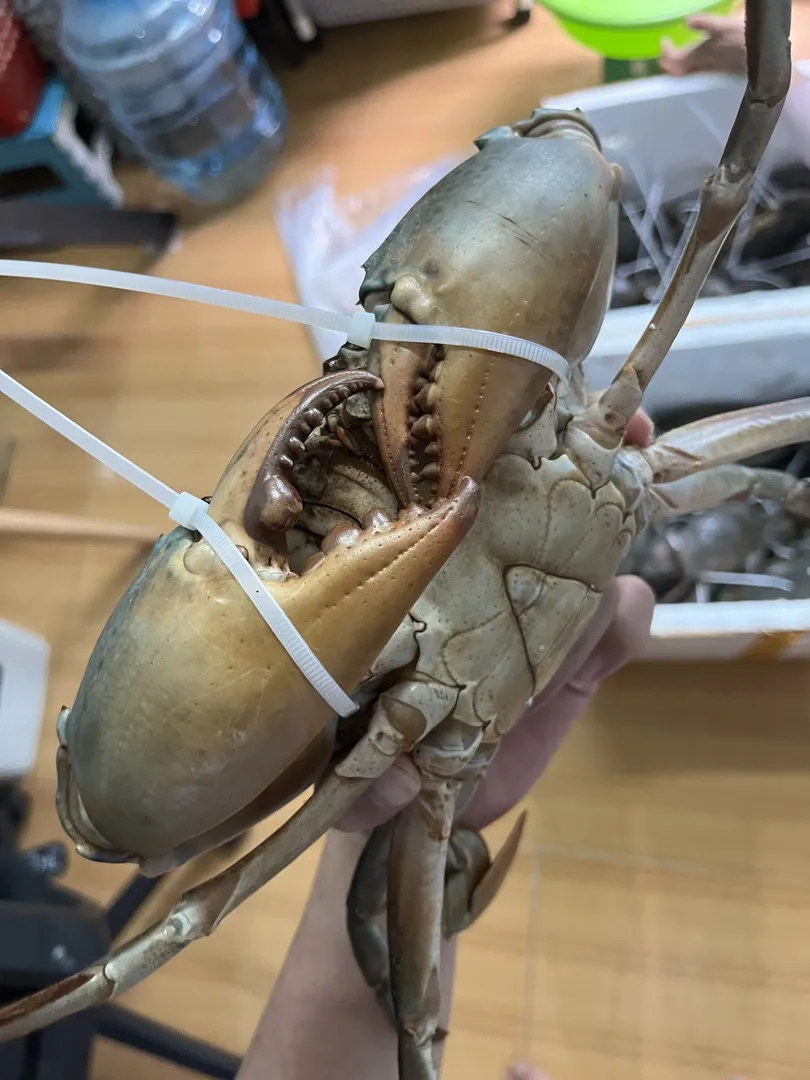
Ca Mau Jumbo Mud Crab
Ca Mau Jumbo Mud Crab
A large male mud crab prized for dense, sweet meat and thick claws, commonly used in steamed crab and grilled crab dishes across the Mekong Delta.
An icon of coastal culinary heritage, featuring firm, sweet meat that captures the raw power and freshness of Ca Mau's tides.
When steamed, boiled, or grilled, the Blue Swimmer Crab offers a clean, pristine taste that needs little adornment. It’s the kind of crab that makes you pause between bites, savoring the pure essence of the sea. This is the crab you want for a celebratory meal, a testament to the bounty of the delta's waters. Its meat has a satisfying texture that holds up well to simple preparations, allowing its natural sweetness to shine without being overpowered.
3 The Red Cross Crab: A Different Narrative
Now, let's talk about the Red Cross Crab. Often identified by a subtle cross-like marking on its carapace (though this can vary and is not always a definitive marker), this crab is generally a different species or subspecies, and its characteristics are quite distinct. While it might be more abundant and therefore more affordable, it offers a different kind of eating experience.
The most significant difference lies in the shell. Red Cross crabs often have softer, thinner shells, especially when they are in a molting phase. This can make them easier to crack, but it also means the meat inside is often less dense and can be more watery or mushy. The flavor profile tends to be milder, less sweet, and sometimes carries a more pronounced muddy or earthy undertone, particularly if the crab was sourced from less pristine, silty areas.
Heritage Ingredient
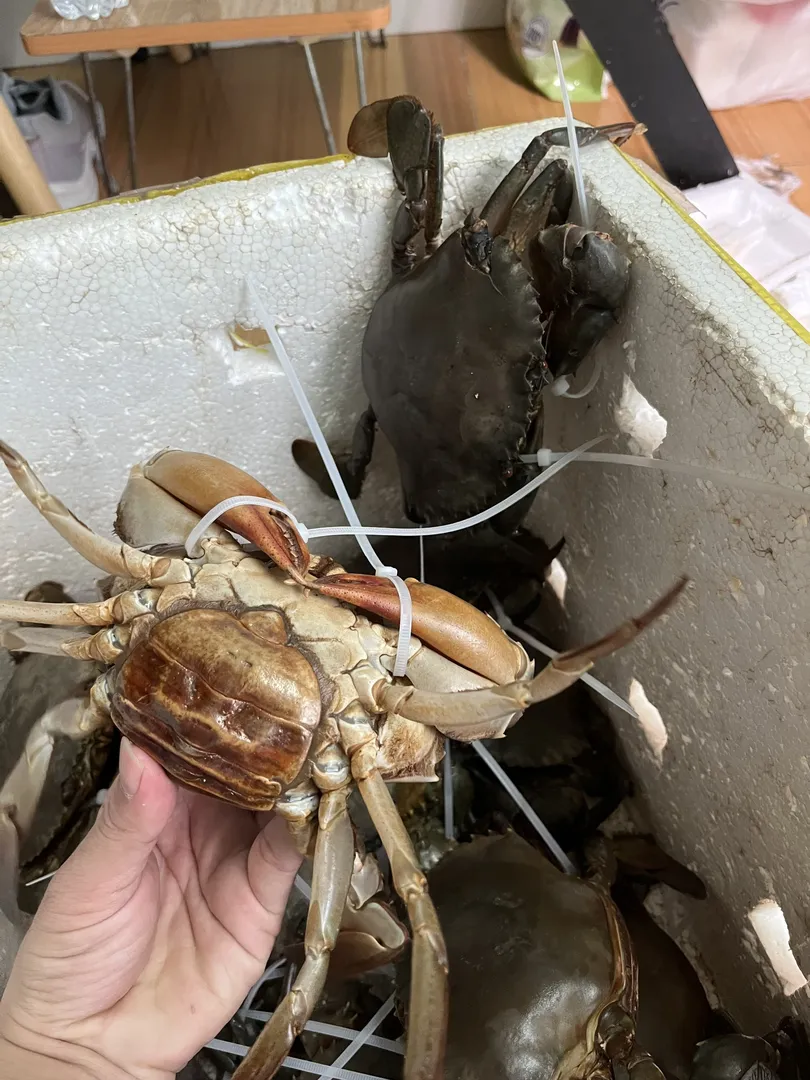
Young Roe Mud Crab (Virgin Crab)
Young Roe Mud Crab (Virgin Crab)
A young female mud crab identified before full spawning, offering a balance of sweet meat and light roe that sits between meat crab and roe crab styles.
A graceful balance of sweetness and creaminess, where tender meat meets a hint of light, buttery roe for a truly refined palate.
This doesn't mean the Red Cross Crab is "bad"; it simply means it's better suited for different culinary applications. Its softer shell makes it ideal for dishes where the crab is cooked whole and then broken down, like in certain noodle soups or stews, where the shell doesn't need to be a pristine vessel for delicate meat. However, for those seeking that pure, sweet crab flavor, the Red Cross is often a compromise.
4 The Visual & Tactile Guide: How to Choose
Blue Swimmer Crab (The Premium Choice)
- Shell: Hard, firm, and smooth. Resists pressing with your fingernail.
- Color: Vibrant blue on legs and claws. The body (carapace) is usually a deep blue-green or olive.
- Weight: Feels heavy and dense for its size.
- Eyes: Bright and alert.
- Movement: Lively and active.
- Market Price: Generally higher.
Red Cross Crab (The Everyday Option)
- Shell: Softer, thinner, sometimes duller. May yield slightly to pressure.
- Color: Often more reddish-brown or orange-brown. The "cross" marking is not always present or clear.
- Weight: Feels lighter, possibly hollow.
- Eyes: May appear less vibrant.
- Movement: Can be lethargic, especially if not freshly caught.
- Market Price: Generally lower.
A crucial indicator for both types, but especially for the Blue Swimmer, is its liveliness. A crab that is active and strong is a sign of freshness. In the Mekong, you'll often see vendors keeping their crabs in shallow baskets or nets, exposed to the air and mist, ensuring they remain lively until sold.
5 Culinary Destiny: What to Cook?
Blue Swimmer Crab: Pure & Simple Elegance
Because of its superior texture and sweet flavor, the Blue Swimmer Crab truly shines in dishes that highlight its natural qualities:
- Steamed Blue Swimmer Crab: Served with a simple lime-chili dipping sauce. A classic for a reason.
- Grilled Blue Swimmer Crab: Marinated lightly to enhance its sweetness.
- Crab Fried Rice (Com Rang Cua): Where the sweet crab meat is the star.
- Crab Salad (Goi Cua): Delicate crab meat tossed with fresh herbs and a tangy dressing.
Red Cross Crab: Heartier Preparations
The softer shell and milder flavor of the Red Cross Crab make it suitable for dishes where it's cooked down, its flavor melding with other ingredients:
- Crab Noodle Soup (Bun Rieu Cua): A rich, flavorful broth where the crab is a key component, often pounded into paste.
- Crab Hot Pot: Lending its essence to a communal dining experience.
- Stir-fries: Where it can be cooked quickly and its meat combined with vegetables and sauces.
6 Beyond the Cross: Other Mekong Crab Cousins
It's important to note that "Red Cross Crab" isn't always a precise scientific classification. It often refers to a category of crabs that are less desirable than the prized Blue Swimmers, and can encompass various species with softer shells. The key takeaway is the shell hardness and the sweetness of the meat.
The Mekong Delta is also home to other unique crab varieties. For instance, the tiny, intensely flavored Ba Khia (fermented mangrove crabs) are a regional delicacy, their salty, sour, and pungent taste a far cry from the sweet delicacy of a fresh Blue Swimmer. These are preserved and relished as a condiment or a strong appetizer, showcasing the diverse ways Vietnamese culture utilizes its abundant marine life.
Heritage Ingredient
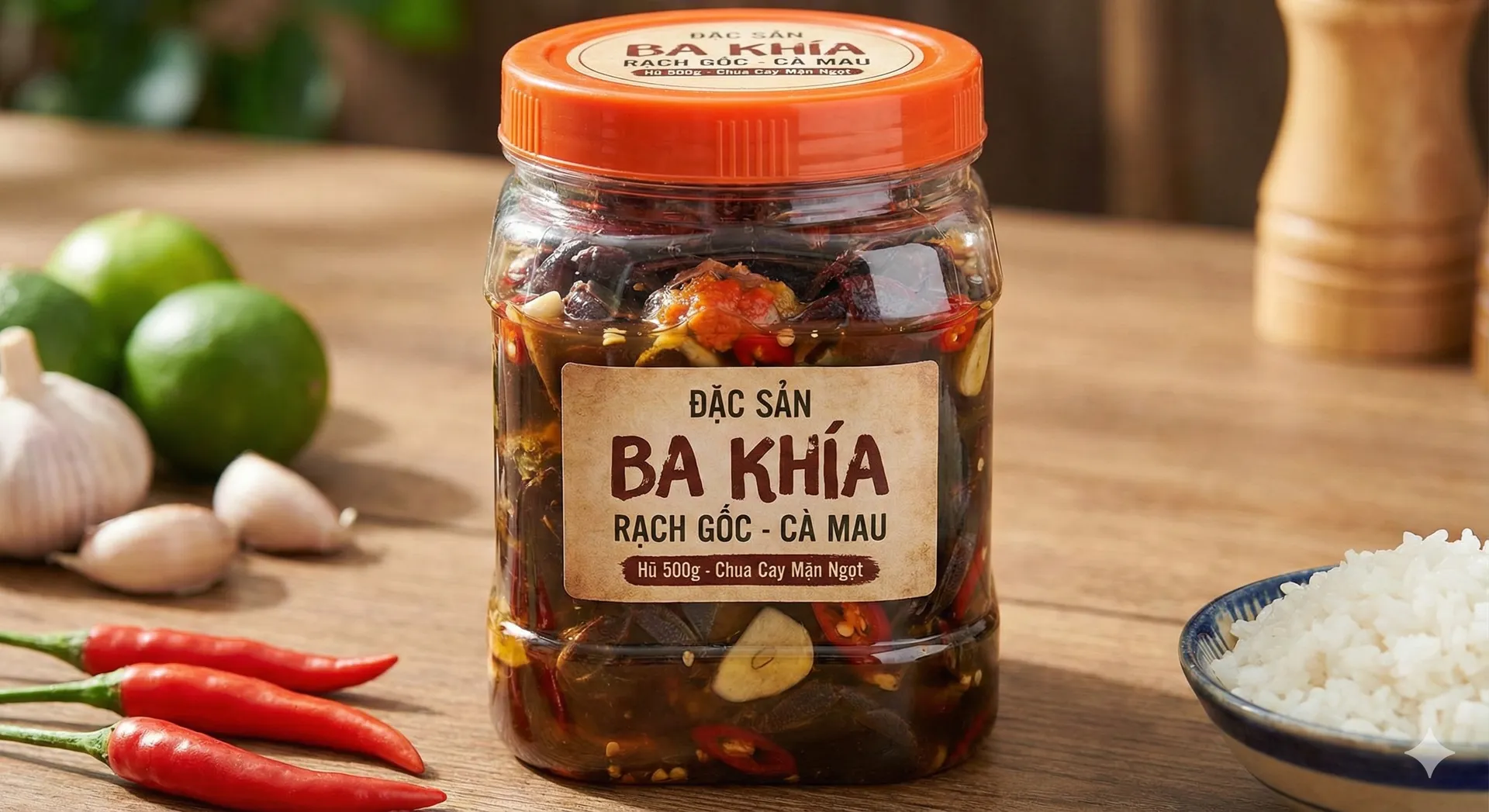
Fermented Mangrove Crab (Ba Khia)
Fermented Mangrove Crab (Ba Khia)
A traditional fermented crab specialty from the mangrove region of Rach Goc, often cited in articles about rustic Mekong Delta flavors and preserved seafood culture.
The salty-sour heartbeat of the wild south, where traditional fermentation turns forest crabs into a nostalgic explosion of rustic Mekong soul.
Whether it's the sweet bounty of the open sea or the robust flavors of the mangrove swamps, the Mekong Delta's crab landscape is rich and varied, offering something for every palate and every culinary intention.
Navigating the Market: Your Cheat Sheet
Live is Best
Always choose live crabs. They are fresher and, for Blue Swimmers, indicative of higher quality meat.
Tap the Shell
A hard shell means dense meat. If it sounds hollow or yields to pressure, it might be a softer-shelled variety, better for soups.
Smell the Sea
Fresh crab should smell clean, like the ocean. Avoid any hint of ammonia or foul odors.
7 The Verdict: Flavor Over Price
So, which is tastier? For sheer, unadulterated crab pleasure, the Blue Swimmer Crab reigns supreme. Its firm, sweet, and succulent meat is a true delicacy, a reward for seeking out the best the Mekong Delta has to offer. The Red Cross Crab, while more economical and versatile for certain dishes, simply doesn't deliver the same premium flavor and texture.
When you're in the Mekong, or sourcing seafood elsewhere, let this guide empower you. Don't be swayed solely by the lower price tag; look for the vibrant blue, feel the weight, and trust your instincts. The right crab, prepared simply, is a revelation – a pure taste of the vibrant waterways that define this extraordinary region of Vietnam.
More Mekong Delicacies
View More Food & Culinary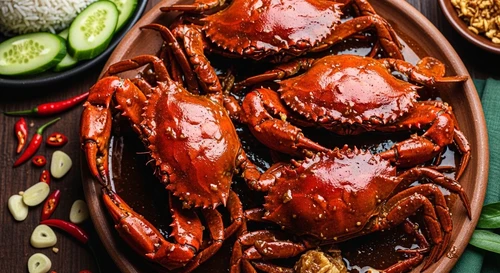
Tamarind Roasted Fresh Fiddler Crabs: A Crunchy Snack
Skip the fermentation! Cook fresh Ba Khia in a thick, sticky tamarind sauce for a crispy, shell-on appetizer.
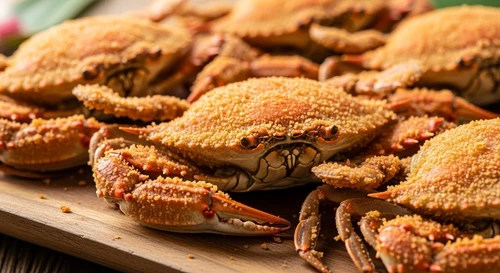
Panko Breaded Deep Fried Blue Crab
Fresh blue crab meat coated in Japanese panko breadcrumbs and deep-fried, offering a loud crunch with every bite.
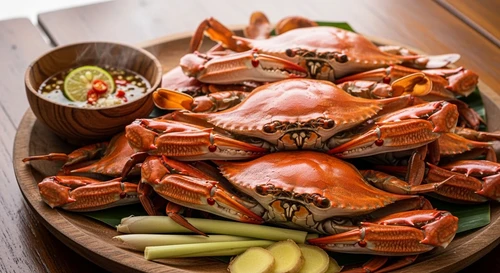
Steamed Blue Swimmer Crab with Beer and Lemongrass at Tra Co Beach
The secret to steaming live crabs so they don't drop their legs. Crack open the shell to reveal sweet meat and rich roe.
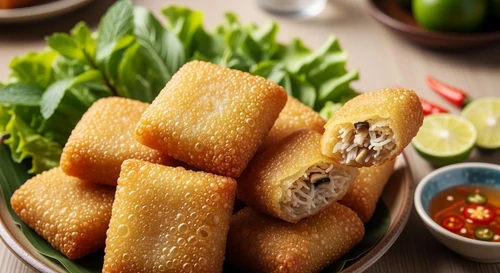
Crab Spring Rolls (Nem Cua Be): A Crispy Northern Vietnam Delicacy
Explore the crispy, square-shaped crab spring rolls from Hai Phong and how to make them at home.
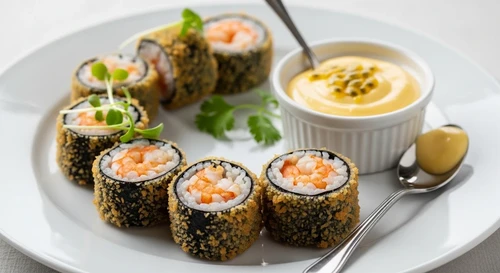
Crispy Seaweed-Wrapped Shrimp Rolls Dipped in Passion Fruit Mayonnaise
Finely minced and seasoned shrimp rolled in nori seaweed sheets, cut into small rounds, and deep-fried for a crunchy, fragrant shell.
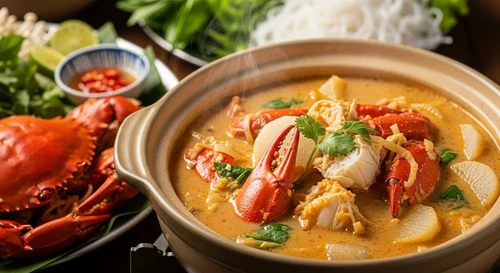
Mud Crab Hotpot with Fermented Rice Paste (Lau Cua Nau Chao)
A unique Southern Vietnamese dish using red fermented tofu to create a creamy, deeply savory hotpot broth.
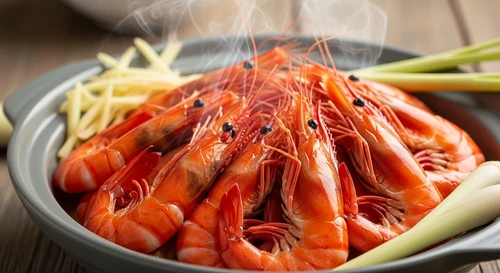
Beer & Ginger Steamed Giant Prawns for Snacking
Steaming giant prawns with canned beer and julienned ginger cooks the meat to a bright red without any fishy smell.
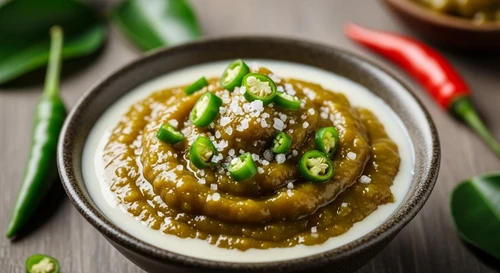
Recipe for Green Chili Salt Dip with Condensed Milk
Blend green bird's eye chilies, lime, sea salt, and sweetened condensed milk to create a divine, thick, sticky sauce loved by all.
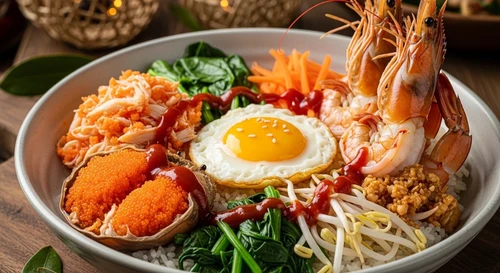
Crab Bibimbap: A Korean-Vietnamese Fusion Bowl
Upgrade your standard Korean mixed rice bowl with premium shredded Ca Mau crab meat and a spicy gochujang sauce.