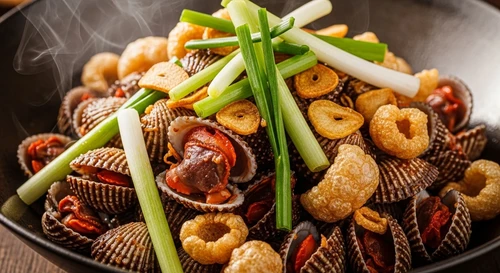
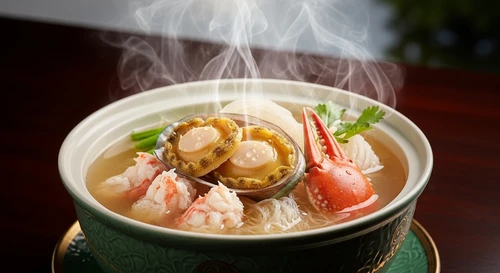
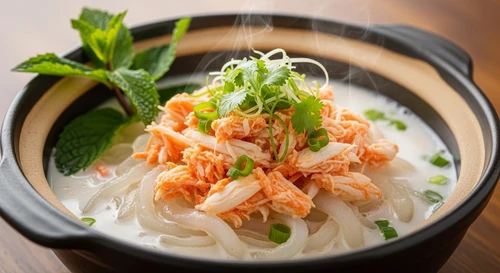
" Phu Quoc. The name itself conjures images of turquoise waters, swaying palms, and an island where the ocean's bounty is celebrated with every meal. And among its many treasures, this humble bowl of glass noodles stands out, a testament to the island's simple, potent flavors. "
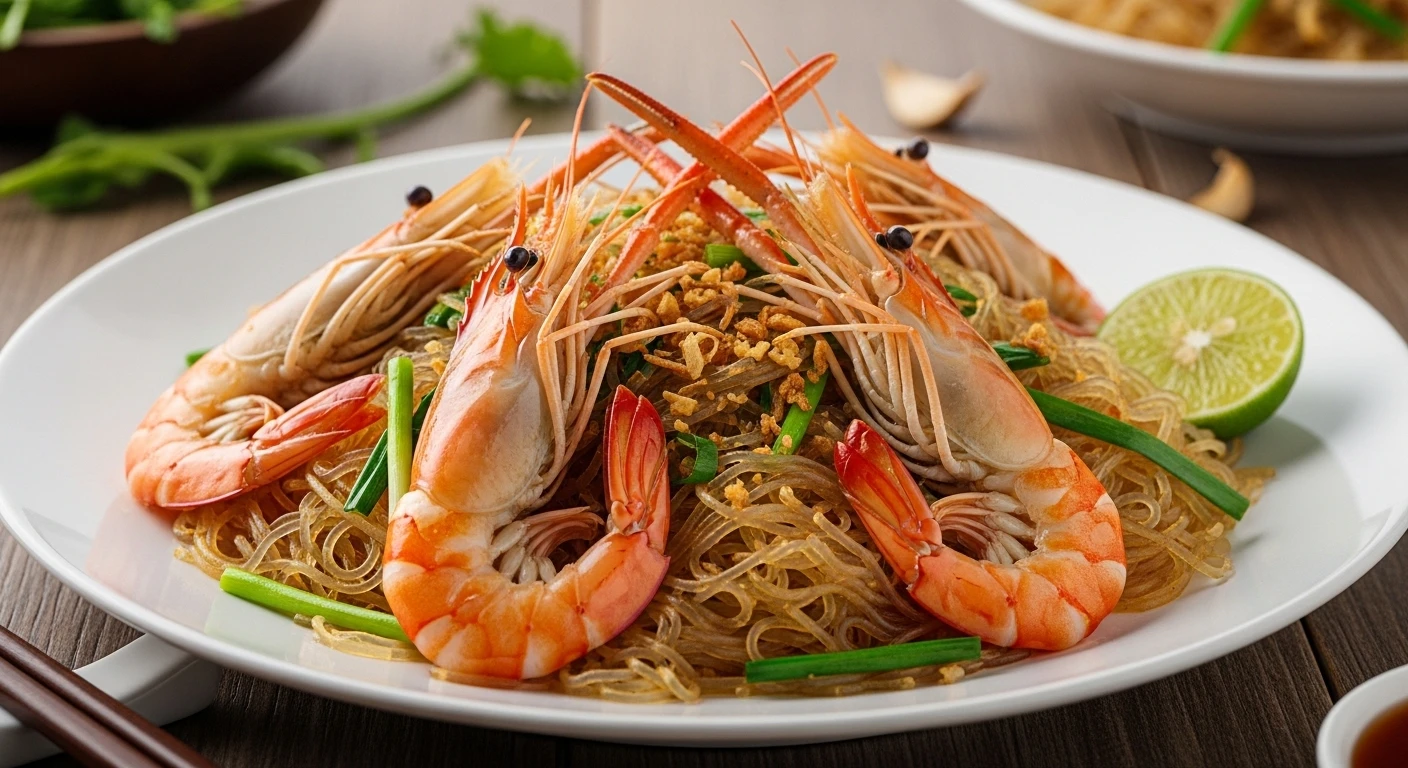
📸 A plate of glistening noodles, studded with vibrant prawns, ready to transport you to Phu Quoc.
1 Phu Quoc: Beyond the Beaches
Phu Quoc, Vietnam's largest island, is more than just postcard-perfect shores. It's a place where life moves to the rhythm of the tides, where fishing villages cling to rugged coastlines, and where the land itself is fertile ground for unique ingredients. The surrounding waters teem with life, and the island's farms produce some of the country's finest pepper, fish sauce, and—crucially for this dish—sweet, succulent seafood.
The island's culinary identity is deeply tied to its natural bounty. While many associate Phu Quoc with its famous pepper and fish sauce, the true soul of its food lies in the freshness of its ingredients. This glass noodle dish is a perfect embodiment of that philosophy—simple, direct, and letting the quality of the star components shine.
2 Noodles, Prawns, and the Magic of Scallion Oil
At its core, this dish is a marriage of textures and flavors:
Glass Noodles (Bún Sợi)
Also known as cellophane noodles or bean thread noodles, these translucent strands become wonderfully chewy and absorb flavors like a sponge. They provide a delightful textural contrast to the other elements.
River Prawns (Tôm Sông)
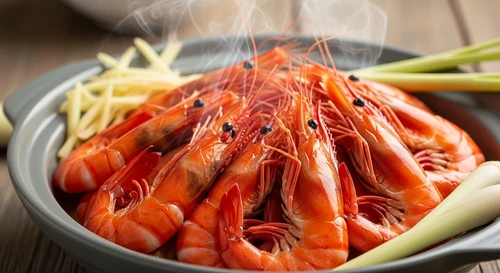
This is where the "island specialty" truly shines. Plump, sweet river prawns are the ideal choice. Their jade-colored claws, when cooked, are a beautiful visual cue to their freshness. The head fat from the prawns is also a secret weapon, lending an unparalleled richness to the sauce.

Heritage Ingredient
Mekong Giant Freshwater Prawn
Mekong Giant Freshwater Prawn
A river prawn with long blue claws and rich head fat, common in grilled prawn dishes and hotpot traditions across the Mekong basin.
Majestic blue-clawed warriors of the Mekong, famous for their rich, fatty heads and a savory depth that captures the essence of the delta's rivers.
Scallion Oil (Mỡ Hành)
The aromatic backbone. Rapidly fried shallots and green onions in oil create a fragrant, savory elixir that coats every strand of noodle and every piece of prawn. It’s the fragrant essence of Vietnamese stir-fries.
3 A Taste of the Southern Rivers
While this dish is a Phu Quoc specialty, its ingredients and cooking style echo the broader culinary landscape of the Mekong Delta. The delta, often called "Vietnam's rice bowl," is crisscrossed by a labyrinth of rivers and canals, making freshwater seafood a cornerstone of its diet. River prawns, like those pictured, thrive in these waters, prized for their tender flesh and rich head fat—a delicacy in their own right.
The Prawns
The choice of river prawns speaks volumes. They offer a different sweetness and texture compared to saltwater shrimp. In the Mekong Delta, these prawns are often grilled over charcoal, added to hot pots, or stir-fried – much like in this dish, where their natural sweetness is amplified by the wok's heat.
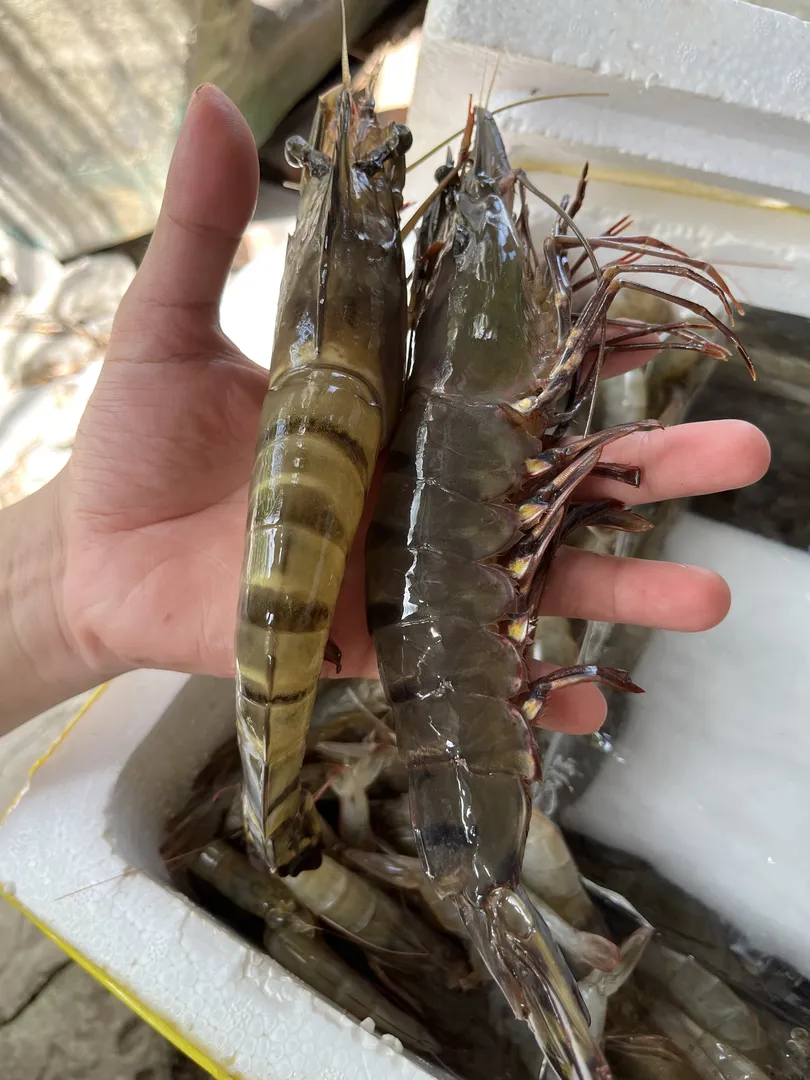
Heritage Ingredient
Ca Mau Black Tiger Shrimp
Ca Mau Black Tiger Shrimp
Large black tiger shrimp associated with mangrove aquaculture in Ca Mau, known for firm flesh and a cleaner, sweeter finish than intensively farmed shrimp.
Wild spirits of the mangroves, these black-banded gems deliver a firm, snappy texture and a sweetness that echoes the forest's vibrant life.
The Wok Hei
The high-heat stir-frying technique, or "wok hei," is quintessential to many Vietnamese and Southeast Asian cuisines, especially in areas where open-flame cooking is prevalent. It imparts a subtle smokiness and caramelization that is hard to replicate. This dish benefits immensely from that fiery kiss.
4 From Pan to Plate: The Method
This isn't a complex, multi-step process, but it requires attention to detail and timing. The goal is to cook everything quickly, ensuring the noodles remain chewy, the prawns are perfectly cooked, and the flavors meld beautifully.
Key Steps:
- Noodle Prep: Soak the glass noodles in warm water until pliable, then drain thoroughly. Over-soaking turns them mushy, so watch carefully.
- Aromatics: Heat a generous amount of neutral oil in a wok or large skillet over medium-high heat. Add sliced garlic and finely chopped shallots. Fry until fragrant and lightly golden – this is your flavor base.
- Scallion Oil: Add copious amounts of chopped green onions (both white and green parts) to the hot oil. Stir-fry for just a few seconds until they are bright green and fragrant. Remove most of the scallion oil and set aside. This infused oil is liquid gold.
- Prawns: Add the river prawns to the wok with the remaining garlic/shallot mixture. Stir-fry until they turn pink and opaque. Don't overcook!
- Noodles & Sauce: Add the drained glass noodles to the wok. Pour in the reserved scallion oil, along with a splash of fish sauce (use good quality Phu Quoc fish sauce if you have it!), a pinch of sugar, and perhaps a dash of soy sauce for color. Toss vigorously to coat every strand.
- Finishing Touches: Stir-fry for another minute or two, ensuring the noodles absorb the sauce and achieve a delightful chew. Garnish generously with more fresh scallions and perhaps some fried shallots for extra crunch.
The Scallion Oil Secret:
The true magic of dishes like this lies in the quality of the scallion oil. It’s not just about frying onions; it's about infusing neutral oil with their sharp, sweet essence. Using a good amount of both white and green parts of the scallion, and frying them quickly, ensures maximum flavor without bitterness.
The remaining oil after frying the prawns and noodles becomes a flavorful broth for the dish, laced with prawn head fat and the essence of garlic and scallions.
5 Beyond the Island
This dish might be a Phu Quoc specialty, but its appeal is universal. The combination of tender noodles, succulent prawns, and aromatic oil is a culinary language understood and loved across the globe. It’s a perfect example of how simple ingredients, prepared with respect and skill, can create something truly extraordinary.
Serving Suggestions:
- Serve immediately, piping hot, for the best noodle texture.
- A side of fresh lime wedges is essential for a final squeeze of brightness.
- While often a standalone dish, it pairs wonderfully with a crisp, fresh salad or a light broth.
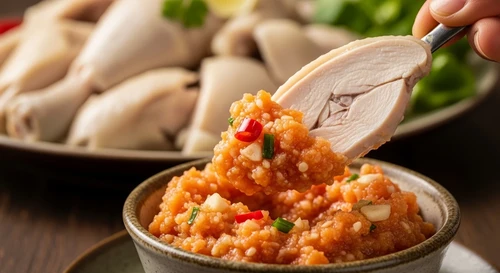
- Consider a side of Phu Quoc's famous fermented anchovy dip (nuoc mam) for those who crave an extra umami punch.
6 Other Island Gems
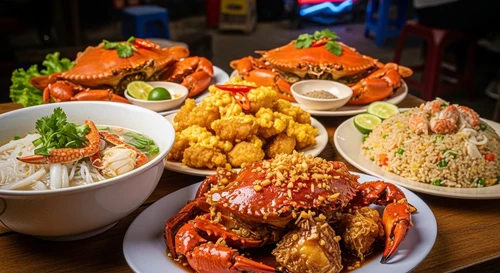
Phu Quoc's commitment to fresh seafood extends beyond prawns. If you find yourself exploring its markets or dining by the coast, keep an eye out for other regional delights that showcase the island's connection to the sea:
Grilled Sea Urchin (Nhum Nuong):
Often grilled with scallion oil and crushed peanuts, offering a creamy, briny, and subtly sweet experience. A true delicacy.
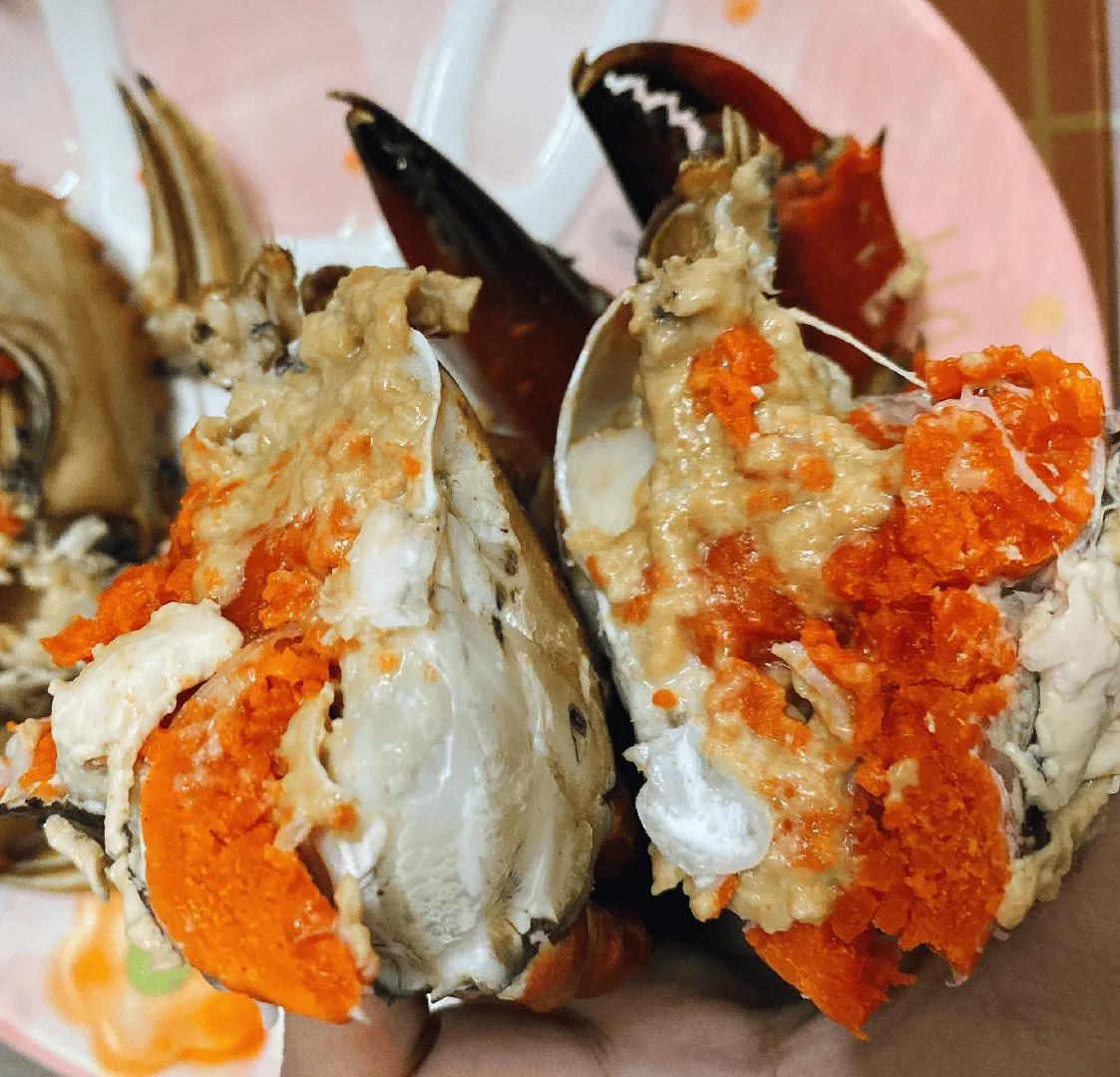
Heritage Ingredient
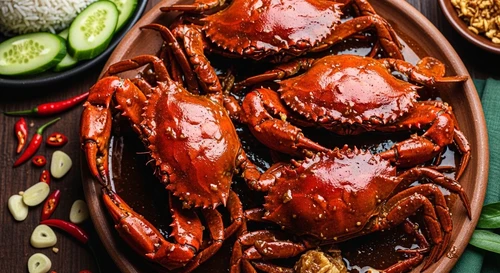
Ca Mau Roe Mud Crab
Ca Mau Roe Mud Crab
A female mud crab known for deep orange roe and a rich, creamy finish, often featured in celebratory Southern Vietnamese seafood meals.
A crimson treasure hidden within a shell, boasting rich, creamy roe that melts on your tongue like a golden sunset over the delta.
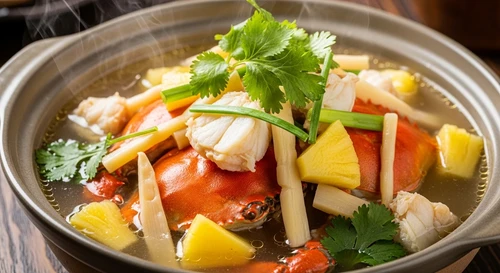
Steamed Crab with Lemongrass:
A simpler preparation that highlights the natural sweetness of crab, often enhanced with aromatics.
7 Simplicity is Key
The beauty of Phu Quoc glass noodles with river prawns lies in its unpretentious nature. It doesn't rely on complex sauces or exotic spices. Instead, it celebrates the inherent flavors of the ingredients: the sweetness of the prawns, the satisfying chew of the noodles, and the fragrant lift from the scallion oil. It’s a dish that embodies the island's spirit – vibrant, fresh, and utterly captivating.
8 Master the Dish
Chef's Notes:
- Freshness is Paramount: For prawns, look for firm shells, bright eyes, and a clean ocean smell. If you can't find river prawns, good quality tiger prawns will work, but the flavor profile will differ slightly.
- Noodle Texture: Don't be tempted to over-soak the glass noodles. They should retain a slight chewiness, not become soft and mushy.
- Hot Wok, Fast Cooking: High heat and quick stir-frying are essential to achieve the right texture and to prevent the noodles from sticking.
- Don't Skimp on Scallion Oil: This is where the flavor lives! Make a generous batch.
- Balance the Flavors: Taste and adjust seasoning as you go. A touch of sugar balances the saltiness of the fish sauce.