" The Mekong Delta is a riverine tapestry, a labyrinth of life where water dictates destiny. And in its silty embrace, prawns thrive. But not all prawns are created equal. "
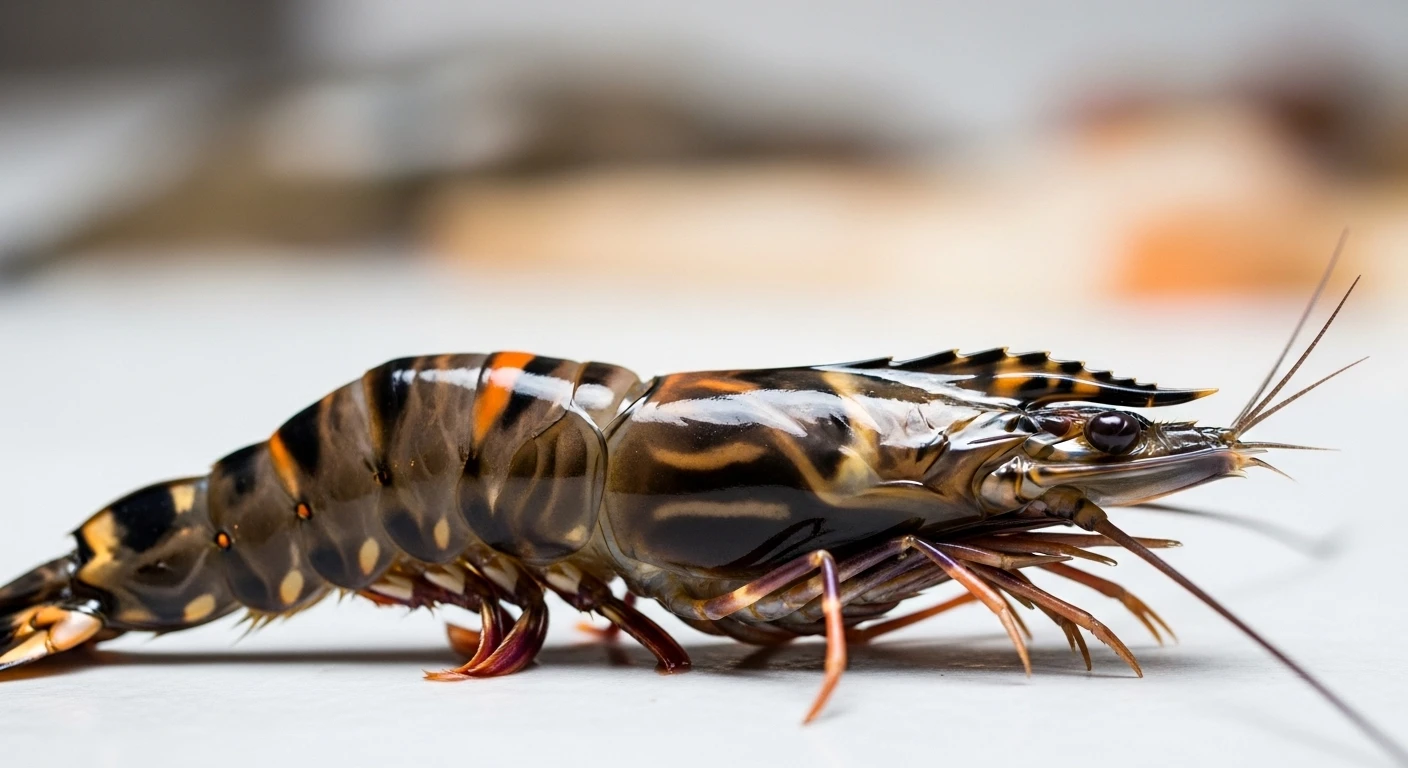
📸 The prize: A true wild tiger prawn, its shell a deep, rich hue.
1 The Delta's Bounty: Where Prawns Reign
The Mekong Delta, a sprawling, water-logged region in southwestern Vietnam, is an aquaculture powerhouse. It’s a land of intricate waterways, rice paddies, and mangrove forests that stretch towards the coast. This unique environment is the cradle for some of Southeast Asia's most prized seafood, and prawns are undoubtedly its superstars. Here, life moves at the rhythm of the tides, and generations have honed the art of harvesting the sea's gifts.
When we talk about "wild" prawns in this context, we often mean those that benefit from the natural ecosystem, particularly in brackish waters or near mangrove systems, rather than those confined to intensively managed, tarp-lined ponds. The difference isn't just semantics; it’s a difference you can taste, see, and feel.
2 Spotting the Difference: A Visual Guide
Wandering through a bustling market, the sheer variety of prawns can be overwhelming. Vendors will entice you with their wares, and while most are honest, a discerning eye can save you from disappointment. The key lies in observing a few crucial features.
The Wild Tiger Prawn
Shell Color: Look for a deep, rich, dark black or very dark grey shell. This intensity is a hallmark of prawns grown in natural environments where they forage freely. The stripes are usually distinct and pronounced.
Antennae: They tend to be long and robust, often a darker shade, reflecting their more active, wild lifestyle.
Firmness: The joints between the shell segments should feel firm and tightly connected. When you flex the body, it should have a noticeable resistance, indicating muscular, dense flesh.
The Pond-Lined Prawn
Shell Color: These prawns often appear paler, sometimes with a reddish or pinkish hue, and their stripes might be less defined or faded. This paleness can be due to the less varied diet and the conditions of a contained environment.
Antennae: Generally shorter and more delicate, sometimes appearing almost translucent.
Firmness: The joints might feel looser, and the body can be more yielding or 'mushy' when flexed. This can indicate less dense, waterier flesh.
A visual comparison is often the best teacher, highlighting the subtle yet significant differences.
3 Flavor Profile: Nature's Nuance
Beyond the visual cues, the true distinction lies in the palate. Wild tiger prawns, having navigated natural currents and foraged a diverse diet of microorganisms and plant matter in their estuarine or coastal homes, possess a flavor profile that is often described as more complex, sweeter, and with a cleaner finish. Their flesh is firm, succulent, and carries a subtle hint of the sea.
Pond-raised prawns, especially those from densely stocked, artificial environments, can sometimes lack this depth of flavor. Their taste can be more neutral, sometimes even a bit bland or 'muddy' if the pond management isn't pristine. While perfectly edible and often larger, they rarely achieve the same level of marine sweetness and firm texture that makes wild-caught varieties so sought after.
The Ca Mau Connection
In regions like Ca Mau, the southern tip of Vietnam and a cornerstone of the Mekong Delta's coastline, the traditional methods of prawn farming often involve integrating them with mangrove ecosystems or utilizing extensive, less intensive pond systems. This approach, often referred to as 'eco-friendly' or 'mangrove-associated' aquaculture, produces prawns that bridge the gap between truly wild-caught and intensive farm-raised, offering a superior flavor and texture compared to those from heavily managed, tarp-lined ponds.
4 From Natural Estuaries to Engineered Ponds
Understanding the environment is key to appreciating the difference. Wild or semi-wild tiger prawns often thrive in brackish water environments, such as mangrove forests or coastal estuaries. These areas are rich in natural food sources, providing a varied diet that contributes to their robust flavor and firm texture. They move freely, and their lives are governed by natural cycles.
In contrast, "tarp-lined pond prawns" are typically raised in engineered ponds. These ponds are often lined with plastic or synthetic materials to prevent water seepage and control the environment more strictly. While this method allows for higher stocking densities and often faster growth, it can lead to a less diverse diet, potential for antibiotic use (depending on regulations), and a less developed, sometimes 'muddy' flavor profile. The visual difference in shell color and antenna length is a direct reflection of the different conditions.
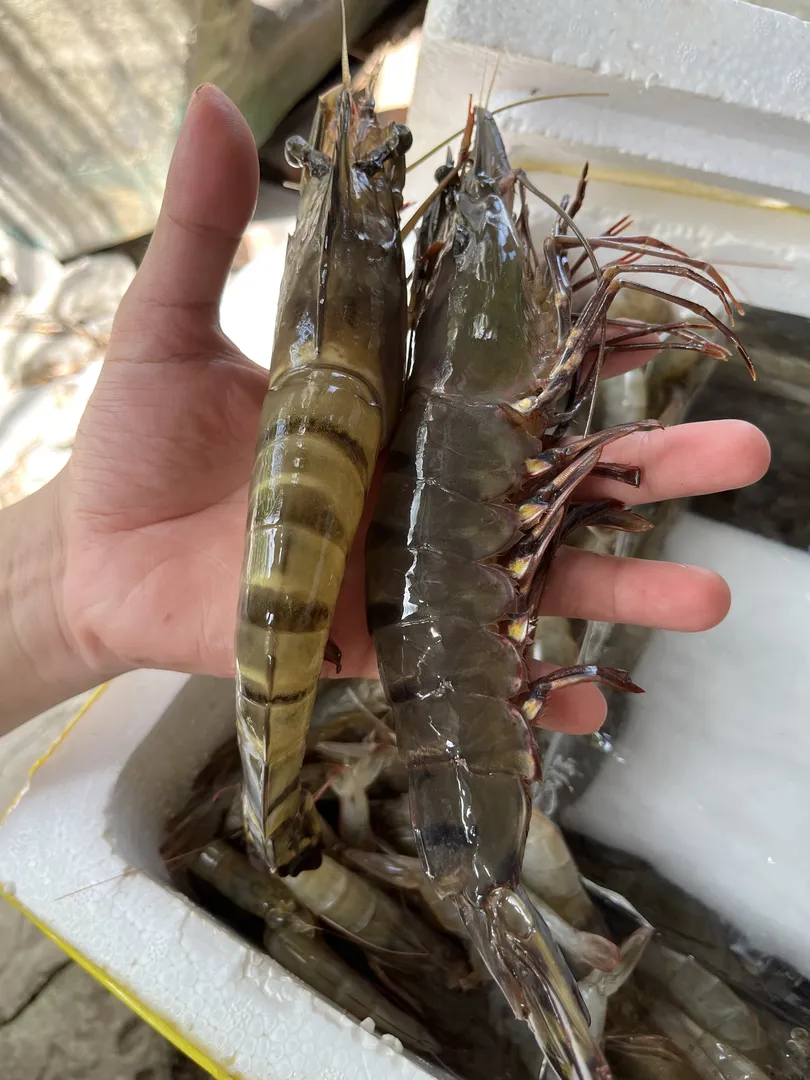 Wild-Style
 Natural Estuaries & Mangroves
Varied diet, free movement, rich ecosystem.
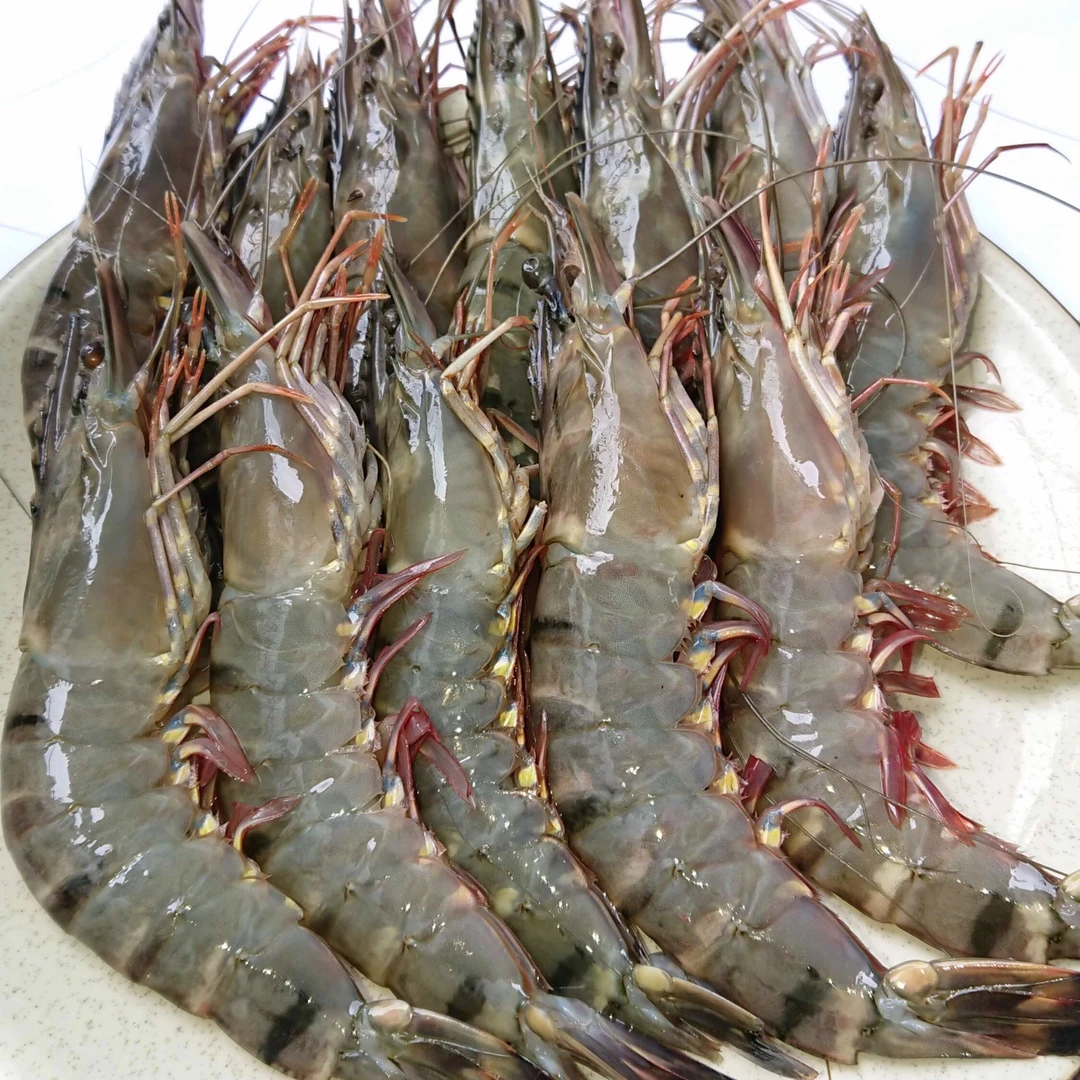 Pond-Raised
 Engineered Ponds
Controlled environment, higher density, specialized feed.
Taste Difference Flavor & Texture
Deep sweetness, firm flesh vs. Neutral, potentially watery.
5 Cooking the King Prawn
Whether you secure wild tiger prawns or sustainably farmed ones, their quality shines through with minimal cooking. Their robust flavor means they don't need heavy sauces or complex marinades to impress.
Grilling: Marinate lightly with garlic, chili, and a touch of lime juice, then grill over charcoal until just pink and slightly charred.
Steaming: A classic for a reason. Steam with ginger and lemongrass to preserve their natural sweetness. Served with a salty lime-chili dipping sauce.
Stir-fries: Add them towards the end of cooking to prevent them from becoming tough. Their firm texture holds up beautifully.
The key is to not overcook them. Overcooked prawns become rubbery and lose their delicate sweetness. A few minutes of heat is all they need to reach perfection.
6 Navigating the Market: Tips for Travelers
When you're exploring the floating markets of Can Tho or the seaside markets of Ca Mau, trust your senses.
- Freshness First: Look for prawns that are lively or, if already processed, have bright eyes, firm shells, and a clean, briny aroma – never a strong fishy or ammonia smell.
- Ask Questions: Don't be shy. Ask vendors about where the prawns came from. While some might not know the exact difference between pond and wild, they can often tell you if they are from the coast, mangroves, or inland ponds.
- Observe the Shell: As detailed above, that deep, dark shell is your best visual cue for a true tiger prawn.
- Feel the Firmness: Gently press the prawn. It should feel firm and elastic, not soft or mushy.
- Trust the Source: If you're visiting a reputable restaurant or market known for its quality seafood, you're more likely to get the genuine article.
7 Beyond Taste: Why it Matters
Choosing wild or sustainably farmed prawns isn't just about superior taste; it’s also about supporting ecosystems and traditional livelihoods. The intensive farming of prawns in poorly managed systems can have environmental impacts, including habitat destruction and water pollution.
Opting for prawns that benefit from natural environments, like those integrated with mangrove systems in the Mekong Delta, supports biodiversity and more responsible aquaculture practices. It's a small choice at the market that contributes to a larger, more sustainable future for this beloved crustacean.
8 The Mekong's Verdict
The next time you find yourself by the water, whether it's a bustling port in Vietnam or a market halfway across the world, remember these simple tips. The difference between a wild tiger prawn and its pond-raised cousin is a testament to nature's wisdom and the importance of understanding where our food truly comes from. The Mekong Delta, with its rich waters and enduring traditions, offers a profound lesson in appreciating the genuine bounty of the sea. So, look closely, ask questions, and savor the authentic flavors of the delta.
Explore More:
More Mekong Flavors
View More Food & Culinary
Banh Canh Cua: Vietnam's Comforting Crab Tapioca Noodle Soup
A rich, thick, and deeply flavorful broth filled with fresh crab meat. Here is why Banh Canh Cua is the ultimate comfort food.
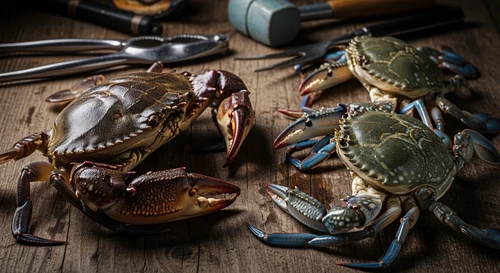
Internet Debate: Which is Harder to Peel, Mud Crab or Blue Swimmer?
Analyzing the shell thickness, internal cartilage structures, and sheer effort required to enjoy these two popular crustaceans.
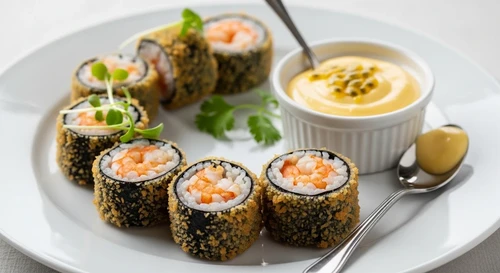
Crispy Seaweed-Wrapped Shrimp Rolls Dipped in Passion Fruit Mayonnaise
Finely minced and seasoned shrimp rolled in nori seaweed sheets, cut into small rounds, and deep-fried for a crunchy, fragrant shell.
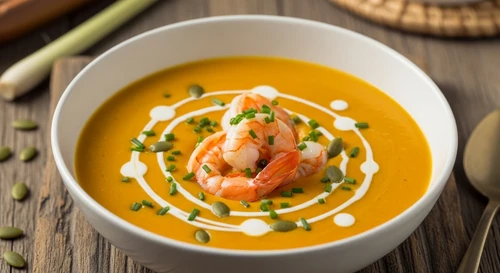
French Style Shrimp & Pumpkin Cream Soup
Blended shrimp cooked with slow-simmered pumpkin, drizzled with rich whipping cream, served with garlic butter bread.
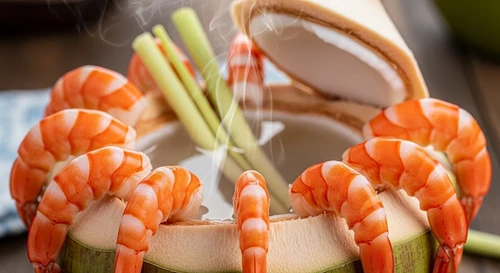
Shrimp Steamed in a Fresh Coconut: A Mekong Visual Stunner
Prawns hung around the rim of a fresh young coconut, steamed by the rising coconut water vapor from within.
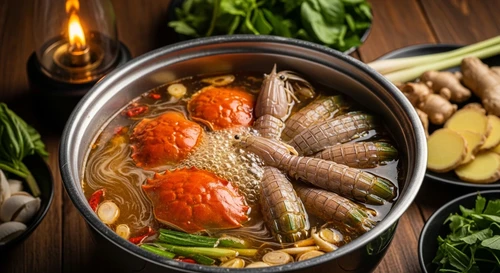
Field Crab Hotpot with Whole Mantis Shrimp
Double the sweetness of your broth by combining field crab paste with whole, fresh mantis shrimp in a hotpot.
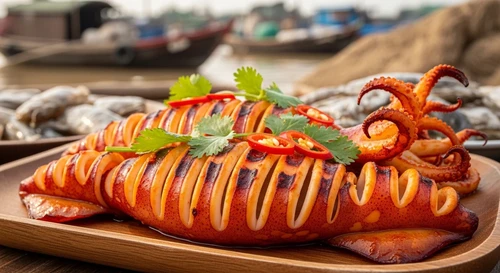
Tongue-Tearing Spicy Sa Te Grilled Bigfin Reef Squid
Thick bigfin reef squid scored in a diamond pattern, marinated in spicy Sa Te, and grilled over charcoal until curly, crunchy, and juicy.
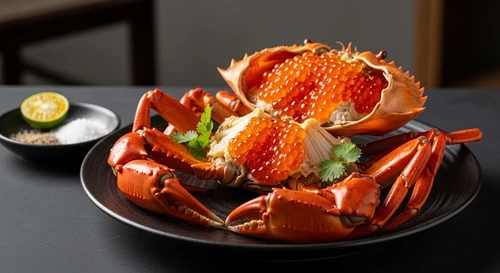
What is 'Cua Gach Son'? Understanding Vietnam's Premium Roe Crab
Why is the orange roe crab so highly prized in Asian cuisine? Discover the rich flavor profile of Ca Mau's most expensive export.
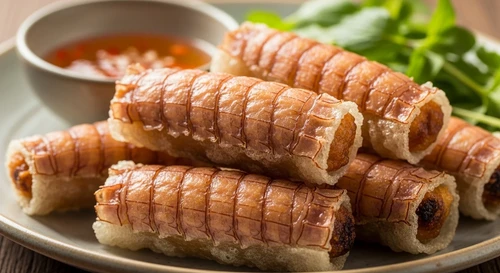
Crispy Hai Phong Mantis Shrimp Spring Rolls
A port city specialty with shredded mantis shrimp, glass noodles, and wood ear mushrooms wrapped in rice paper and fried golden.