" Forget your delicate broths and refined consommé. Lau Mam is a primal scream of flavor, a defiant embrace of the sea's most pungent gifts. It’s not for the faint of heart, but for those willing to embark on a true culinary pilgrimage. "
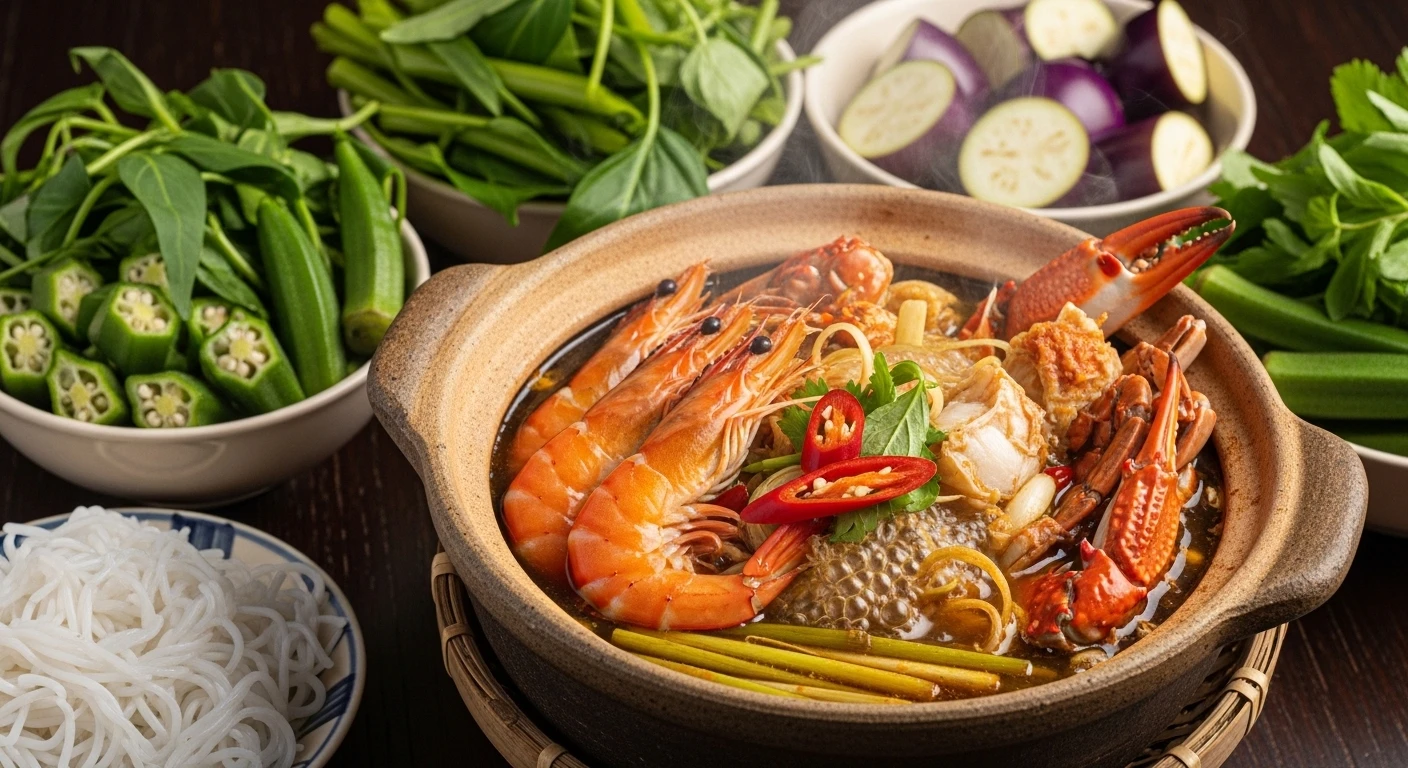
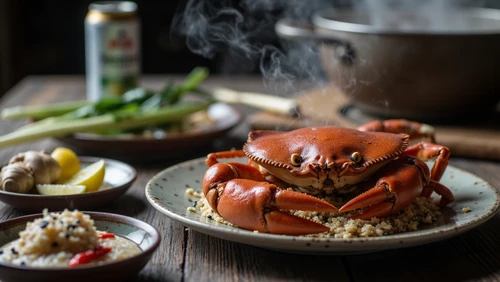
📸 The heart of the matter: A bubbling cauldron of Lau Mam.
1 The Soul of the Mekong: What is 'Mam'?
At its core, Lau Mam is about mam – the potent, fermented fish paste that is a cornerstone of Southern Vietnamese cuisine. This isn't just a condiment; it's a flavour base, a culinary tradition passed down through generations, especially in the fertile, water-logged Mekong Delta.
The Legend of Mam
The most common base for Lau Mam is mam cá lóc (fermented snakehead fish) or mam cá sặc (fermented gummy gourami). These small, flavourful freshwater fish are salted and left to ferment in jars, developing a complex aroma that's both challenging and addictive. It's a testament to resourcefulness, transforming humble ingredients into something extraordinary.
Beyond the Funk
While the smell can be intense – think pungent, salty, and deeply umami – the taste is a revelation. The fermentation breaks down proteins, creating a rich, savory depth that no fresh ingredient can replicate. It's the secret weapon in countless Mekong Delta dishes.
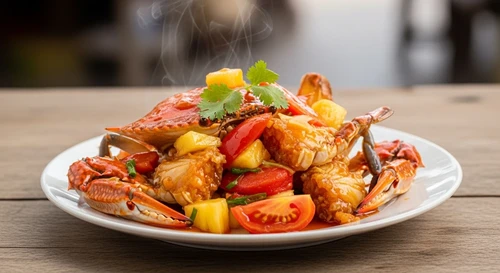
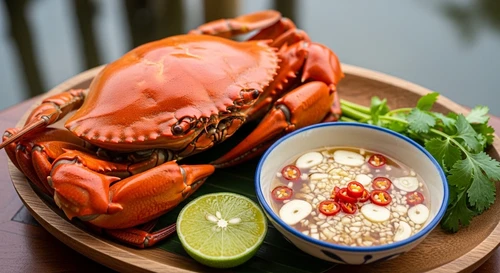
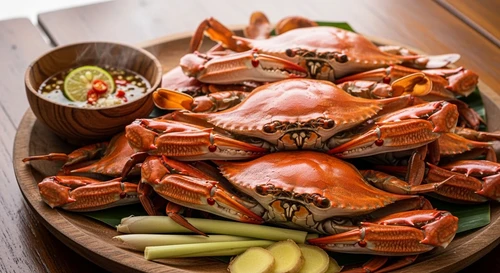
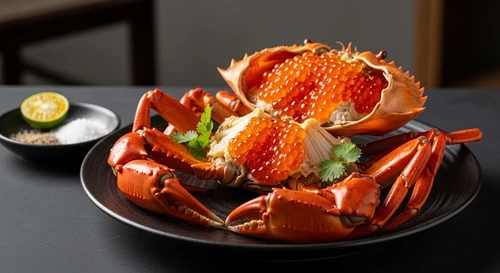
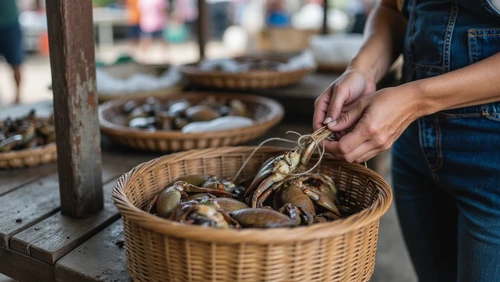
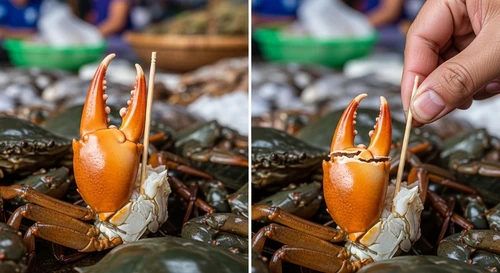
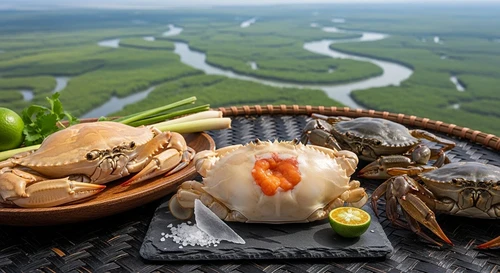
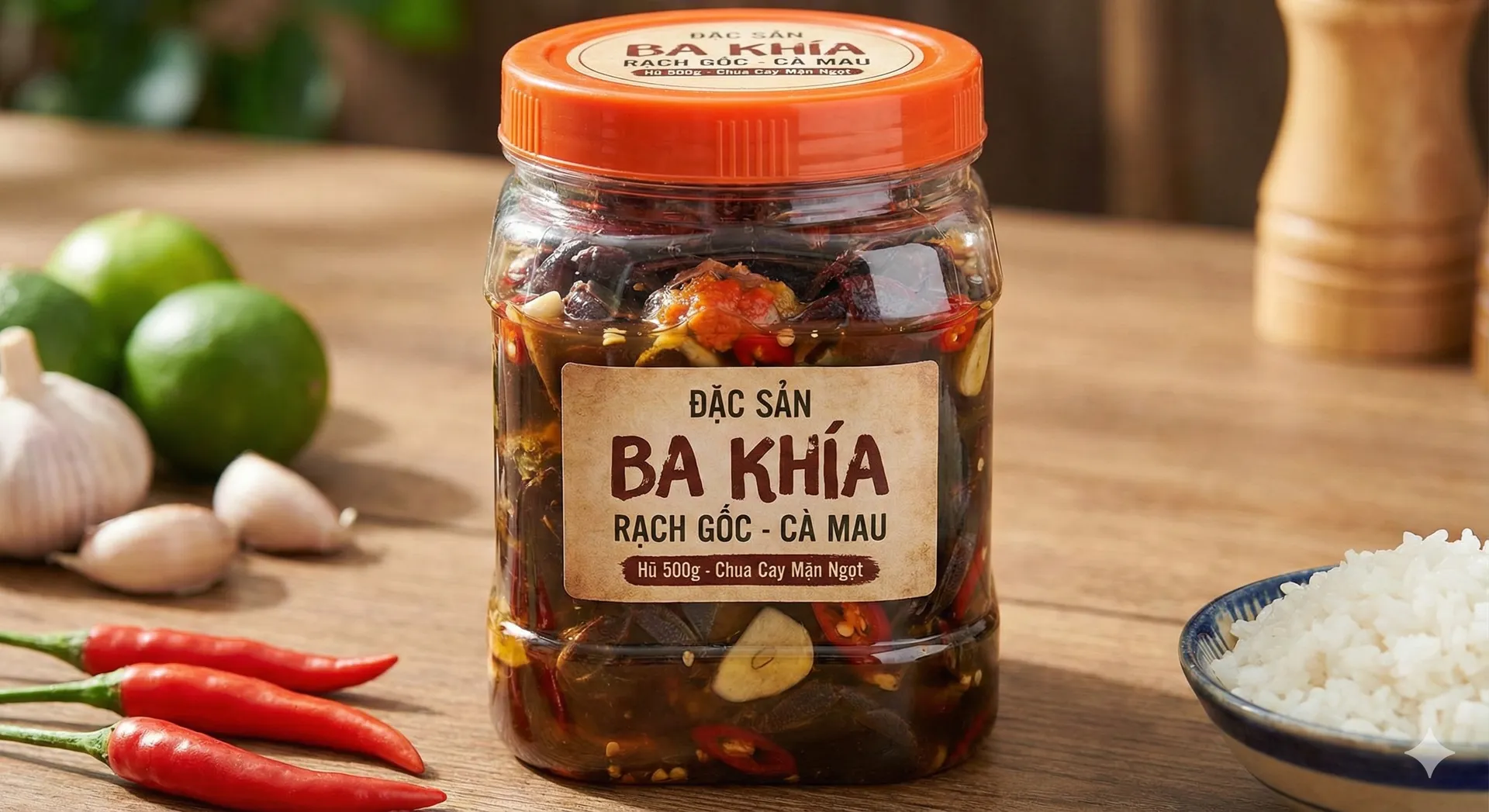
The mangrove crabs of Rach Goc are often a key component in traditional Vietnamese preserves. This rustic preparation for Lau Mam is a direct descendant of such regional food cultures.
Heritage Ingredient
Fermented Mangrove Crab (Ba Khia)
Fermented Mangrove Crab (Ba Khia)
A traditional fermented crab specialty from the mangrove region of Rach Goc, often cited in articles about rustic Mekong Delta flavors and preserved seafood culture.
The salty-sour heartbeat of the wild south, where traditional fermentation turns forest crabs into a nostalgic explosion of rustic Mekong soul.
2 A Sensory Journey Through the Delta
To truly understand Lau Mam, you have to picture the Mekong Delta itself. It's a land of endless waterways, vibrant green rice paddies, and bustling floating markets. The air is thick with humidity, carrying the scents of ripe fruit, damp earth, and, yes, that unmistakable aroma of fermented fish.
This hotpot is an edible map of the region. The mam speaks of the rivers and their bounty. The fresh vegetables – water spinach, eggplant, okra, bitter melon – are pulled straight from the fertile soil. The seafood, often including plump shrimp and succulent crab, is sourced from the intricate network of canals and coastal waters. Even the humble ba khia (brine shrimp, often translated as mangrove crab) finds its way into the pot, adding a unique, salty bite.

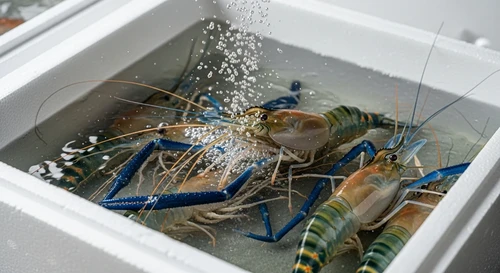
📸 The bounty of the Mekong: Markets are bursting with fresh produce and seafood daily.
Dining on Lau Mam isn't just eating; it's an immersion. It’s the taste of humid afternoons, the sound of water lapping against wooden boats, and the communal joy of sharing a meal that’s both comforting and exhilarating.
3 The Anatomy of the Cauldron
A truly exceptional Lau Mam is a delicate balance of intense flavors, brought together in a simmering pot. It’s a testament to how seemingly disparate ingredients can create harmony.
The Foundation: Broth
- Fermented Fish Paste (Mam): The star. Usually mam cá lóc or mam cá sặc.
- Lemongrass: Essential for cutting through richness and adding fragrance.
- Garlic & Shallots: Sautéed to build aromatic depth.
- Chili: For a building heat that complements the saltiness.
- Water/Coconut Water: To dilute the intensity of the mam and create a soup base. Some prefer a milder coconut water base.
The Supporting Cast: Ingredients
- Seafood: Shrimp, various types of crab (mud crab, mangrove crab), fish.
- Vegetables: Water spinach (rau muống), eggplant (cà tím), okra (đậu bắp), bitter melon (khổ qua), bean sprouts (giá đỗ), herbs like basil and mint.
- Noodles: Rice vermicelli (bún) is almost always served alongside.
- Optional Additions: Thinly sliced pork belly, eel, or even frog legs for the truly adventurous.
4 The Art of Assembly
While recipes can vary, the fundamental process for creating Lau Mam is consistent, focusing on building layers of flavor.
The Aromatic Base
Start by sautéing minced garlic and shallots in a bit of oil. Add smashed lemongrass stalks and chili. Fry briefly until fragrant.
Introducing the Mam
Add the fermented fish paste to the pot. Stir and cook for a minute to release its pungent aroma. Be warned: your kitchen will smell! This is part of the experience.
The Simmering Broth
Pour in water or coconut water. Bring to a boil, then reduce heat and simmer for at least 20-30 minutes, allowing the flavors to meld. Taste and adjust seasoning – it should be salty, savory, and slightly spicy.
Adding the Stars
As the broth simmers, add the seafood, vegetables, and any other proteins. Cook until just done – you want everything tender but not mushy.
The Critical Accompaniments
Lau Mam isn't served alone. The array of fresh accompaniments is just as crucial as the broth itself, providing a counterpoint of texture and freshness.
1. Fresh Herbs
Bunches of Thai basil, mint, Vietnamese coriander (rau răm), and perilla leaves.
2. Raw Vegetables
Thinly sliced banana blossom, cucumber, bean sprouts, and fresh chilies.
3. Rice Noodles (Bún)
The perfect vessel to soak up that rich, pungent broth.
Alongside mam, fermented sour shrimp (Mắm Tôm Chua) is another classic preserve that showcases the Mekong's unique flavor profiles.

Heritage Ingredient
Fermented Sour Shrimp (Mekong Style)
Fermented Sour Shrimp (Mekong Style)
A Southern Vietnamese fermented shrimp preserve made with garlic, chili, and shredded green papaya, often served with boiled pork, rice paper, or plain rice.
A vibrant dance of flavors—sour, spicy, and sweet—where tender shrimp and crunchy papaya create a masterpiece of Southern preserved heritage.
6 A True Mekong Icon
Lau Mam is more than just a meal; it's a cultural statement. It represents the ingenuity and daring spirit of the Mekong Delta people. They are not afraid of strong flavors, of embracing the challenging aspects of their environment, and of turning humble ingredients into a feast.
It's a dish that encourages conversation, shared dipping, and a communal appreciation for authentic, unadulterated taste. It’s a flavor you won’t easily forget, a culinary signature of a region that thrives on its connection to the land and water.
While it might seem intimidating at first, approaching Lau Mam with an open mind is a rewarding experience. It’s a chance to taste the very essence of the Mekong, distilled into a single, unforgettable hotpot.
7 Beyond the Broth: Other Fermented Delights
The art of fermentation is deeply ingrained in Vietnamese culinary traditions, particularly in the South. Lau Mam is just one prominent example of how these preserves are celebrated.
Mam Nem: A Condiment King
A less intense, more liquid form of fermented fish sauce, often used as a dipping sauce for spring rolls, grilled meats, and rice paper rolls. It's typically made with anchovies and seasoned with lime, chili, garlic, and sugar.

Other 'Mam' Varieties
From mam ruốc (fermented shrimp paste, similar to Thai 'kapi') to various fish-based pastes, each region boasts its own specialty, often used in complex sauces or as a flavor base for soups and stews.

Heritage Ingredient
Hau Giang Featherback Fish Cake
Hau Giang Featherback Fish Cake
A hand-scraped featherback fish cake known for natural bounce and clean fish flavor, often used in soups, hotpot, and stuffed bitter melon dishes.
A testament to Hau Giang's artistry—silky, springy, and pure, these hand-scraped fish cakes are the bouncy heart of every clear soup.
8 Tips for the Adventurous Eater
- Start Slow: If you're new to fermented flavors, start with a milder mam or a broth that's more diluted.
- Embrace the Veggies: The fresh, crisp vegetables are your perfect palate cleanser. Don't be shy with them.
- Don't Fear the Smell: The aroma is part of the experience. Trust that the taste will be more nuanced and delicious.
- Seek Authenticity: The best Lau Mam is found in local eateries in Southern Vietnam, not typically in tourist traps.
- Ask Questions: Vietnamese people are proud of their food. Ask about the ingredients and the cooking process.
- Go with Friends: Lau Mam is best enjoyed communally. Share the adventure!
Not Pungent Enough?
Ready for more bold, unforgettable flavors from the Mekong? Dive into the fiery world of…
🦀 Spicy Crab Noodles (Bún Riêu Cua)