" Forget subtlety. This is food that grabs you by the lapels and demands your attention. It’s the taste of the river, the salt flats, the humid air after a sudden downpour. "
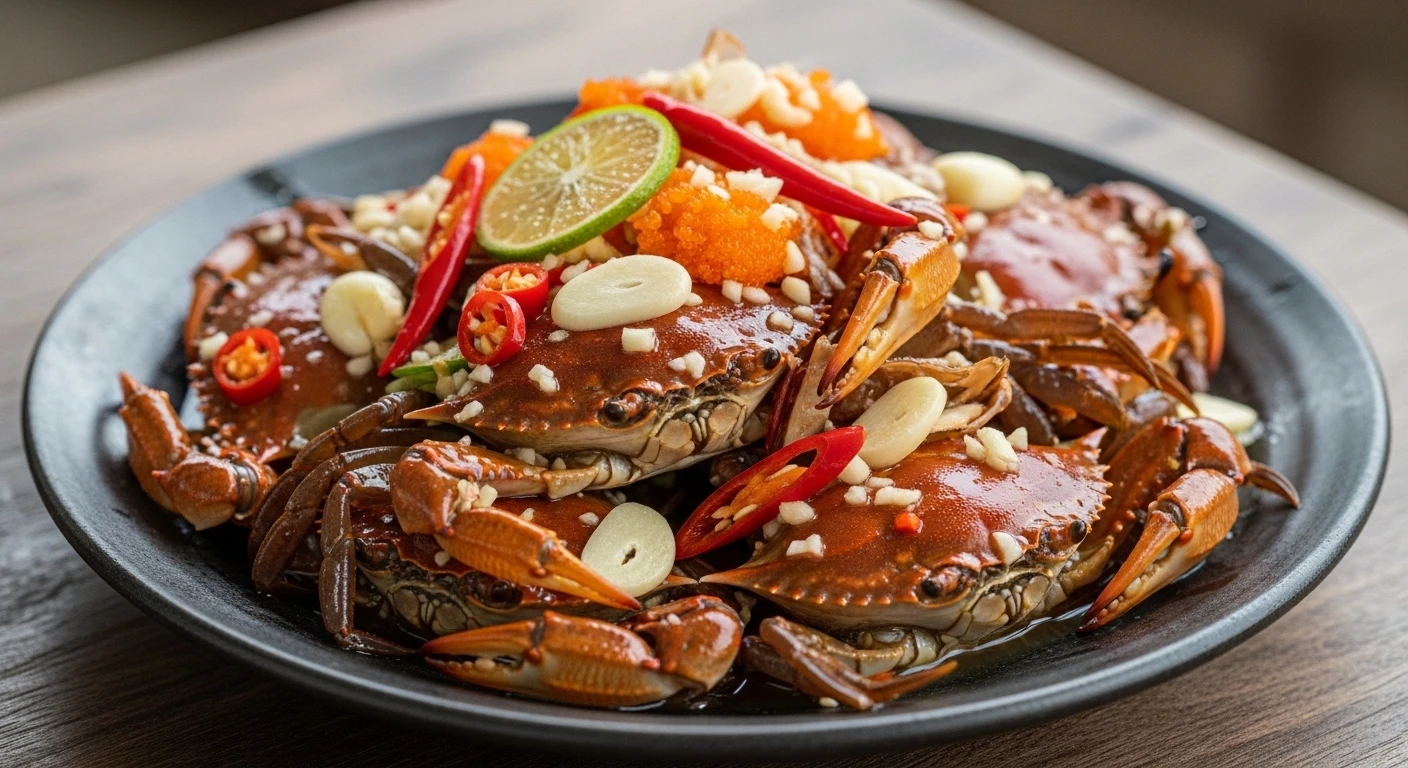
📸 A close-up of Ba Khia Tron, glistening with its dressing.
1 The Soul of the Mekong: Ba Khia
In the labyrinthine waterways of the Mekong Delta, life pulses to the rhythm of the tides. And where there are mangroves, there are crabs. Specifically, ba khia – the humble fiddler crab. These small, tenacious crustaceans, often found in the brackish waters where fresh rivers meet the salty sea, are the backbone of countless traditional Southern Vietnamese dishes.
Unlike the plump mud crabs destined for steaming or grilling, ba khia are typically preserved. The most iconic preparation? A fiery, zesty, and intensely savory pickle or salad known as Ba Khia Tron. This isn't just a side dish; it's a phenomenon, a "rice killer" that makes a simple bowl of steamed grains a feast.
The Source
Found in coastal mangrove areas of Western Vietnam, particularly around provinces like Ca Mau, Bac Lieu, and Soc Trang.
The Method
Usually fermented in brine for days, then mixed fresh with a vibrant dressing. Some recipes start with fresh crab, but the preserved version is more classic.
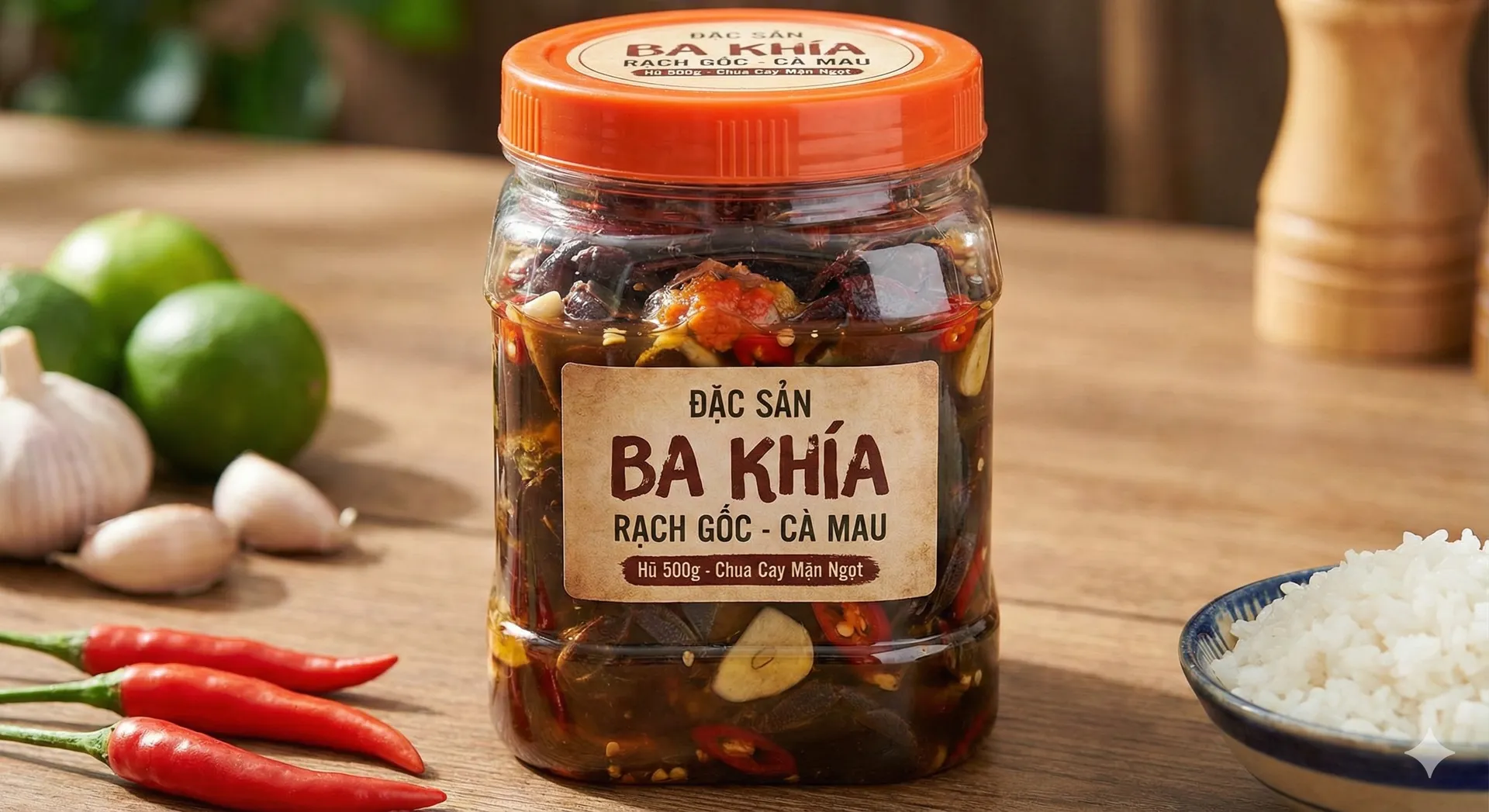
Heritage Ingredient
Fermented Mangrove Crab (Ba Khia)
Fermented Mangrove Crab (Ba Khia)
A traditional fermented crab specialty from the mangrove region of Rach Goc, often cited in articles about rustic Mekong Delta flavors and preserved seafood culture.
The salty-sour heartbeat of the wild south, where traditional fermentation turns forest crabs into a nostalgic explosion of rustic Mekong soul.
The magic lies in balancing the crab's inherent saltiness with the sharp tang of lime, the pungent kick of garlic and chili, and a whisper of sugar to round it all out. It’s a flavor profile that electrifies the palate, making you reach for more rice, then more crab, in an endless, delicious cycle.
2 The Anatomy of "Ba Khia Tron"
This isn't a dish that adheres to strict, unyielding rules. Regional variations abound, and every family might have their own secret touch. But the core elements are non-negotiable.
The Star (Ba Khia)
Ideally, fermented fiddler crabs. If you can't find pre-fermented ones, some recipes call for fresh crabs that are briefly blanched or steamed. The brine-cured ones offer a more complex, fermented funk.
The Aromatics
Garlic: Minced, abundant. The pungency is key.
Chili: Fresh bird's eye chilies, finely sliced. Adjust heat to your bravery.
The Balance
Lime Juice: Freshly squeezed. Provides the essential sour counterpoint.
Sugar: Granulated or palm sugar. Just enough to temper the acidity and brininess, not to make it sweet.
The Supporting Cast
Fish Sauce (Nuoc Mam): A splash, especially if your crabs aren't salty enough. Choose a good quality, clear one.
Optional: Shallots, thinly sliced; lemongrass, finely minced; Vietnamese mint (rau răm) for a peppery finish.
3 The Art of Preparation: Mixing the Magic
This is where the alchemy happens. It's less about precise measurements and more about tasting and adjusting. The goal is harmony between pungent, sour, salty, and a hint of sweet.
Prep the Ba Khia
If using pre-fermented ba khia, drain them well. Some vendors sell them already cleaned. If they are too salty, you can rinse them *very* lightly under cold water (but be careful not to wash away the brine). If using fresh crabs, steam them briefly (about 5-7 minutes) until just cooked and cooled, then extract the meat and break them into manageable pieces. The roe, if present, is highly prized!
The Dressing Base
In a mixing bowl, combine the minced garlic, sliced chilies, sugar, and lime juice. Stir well until the sugar dissolves. This is your flavor foundation.
Taste and Adjust
Add a splash of fish sauce if needed. Taste the dressing. Does it sing? Is it too sour? Too salty? Too bland? Adjust lime, sugar, and fish sauce until it hits that perfect sweet-sour-salty balance. This step is crucial. It should taste intense and vibrant.
Combine and Marinate
Gently toss the prepped ba khia with the dressing. Add any optional ingredients like shallots or Vietnamese mint. Let it sit for at least 15-30 minutes (or longer in the fridge) to allow the flavors to meld. The longer it sits, the more the crab will absorb the dressing.
Serving: The Rice Obliterator 🍚
This dish is not for the faint of heart, nor is it meant to be eaten alone. It's a communal experience, a centerpiece that fuels conversation and empties rice bowls at an alarming rate.
The Ritual
Serve chilled or at room temperature.
The Accompaniment
Steamed white rice is non-negotiable. Jasmine or broken rice works beautifully.
The Vibe
Best enjoyed with friends and family, cold beer or iced tea.
Fiddler crabs have a unique texture – some find it delightfully chewy, others slightly gritty. This is part of their charm and tradition.
5 Fermentation: A Delta Delicacy
The "tron" (mixed) preparation often starts with ba khia that have undergone a period of natural fermentation in brine. This isn't pickling in vinegar; it's a slow, controlled process where salt draws out moisture and allows naturally occurring bacteria to develop complex, funky flavors.
This fermentation process also helps to tenderize the crab's shell and meat, making them easier to eat and imbuing them with a characteristic tang that's distinct from mere sourness. It's a taste acquired by many, but once you're in, you're in for life. The process transforms a simple crab into a culinary artifact, a testament to generations of delta dwellers mastering the art of preservation.
6 The Mekong's Verdict: Why It's a Rice Killer
So, what makes this dish so compelling? It's the sheer intensity. The brine from the fermented crab hits first, a powerful wave of salinity. Then, the lime cuts through it with sharp acidity, cleansing your palate. The garlic and chili join the fray, adding layers of pungent heat. Finally, the sugar acts as the mediator, ensuring no single flavor overpowers the others, creating a balanced yet explosive whole.
It’s a dish that engages all your senses. The aroma, the vibrant colors, the contrasting textures, and, of course, that unforgettable, addictive flavor. It’s the perfect foil for plain steamed rice, which acts as a canvas, allowing the complex notes of the ba khia to shine without competition. It's a celebration of the delta's bounty, a direct connection to the land and rivers.
7 Culinary Notes & Delta Variations
The Salt Factor:
If your ba khia are very salty, you might need less fish sauce, or none at all. Taste constantly. The goal isn't to mask the crab's flavor but to enhance it.
Sweetness Levels:
The sweetness from the sugar should be subtle, just enough to balance the sour and salt. It's not a dessert, it's a flavor enhancer.
Fresh vs. Fermented:
While fermented is traditional, using fresh, blanched crabs allows for a brighter, cleaner flavor. The fermented version offers a deeper, funkier complexity.
Regional Touches:
Some areas might add a touch of grated green papaya for texture, or use different herbs like basil or sawtooth herb for a unique aromatic profile.
8 More Than Just Food: A Cultural Icon
In the Mekong Delta, Ba Khia Tron is more than a meal; it's a symbol of resourcefulness, a connection to the environment, and a taste of home. It represents the simple yet profound culinary wisdom of a region that thrives on its waterways. It's the kind of dish that sparks memories, evokes nostalgia, and proudly showcases the unique flavors of Southern Vietnam to the world. So, next time you find yourself craving something bold, something that truly sings with the spirit of the delta, reach for the ba khia. Your rice bowl will thank you.
More Mekong Flavors
View More Food & Culinary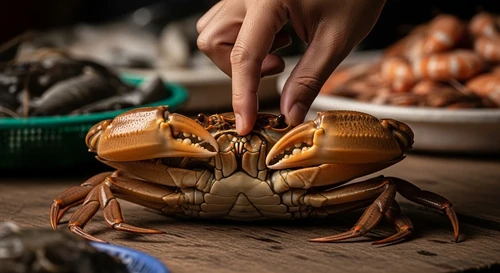
The 'Press Test': How to Guarantee You Buy a Meaty Crab
Stop buying hollow crabs! Learn exactly where to press on the crab's plastron (belly) to check its meat density.
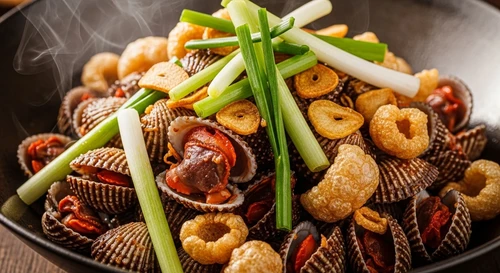
Blood Cockles Sautéed with Garlic, Pork Cracklings & Scallions
Opened blood cockles sautéed with crispy garlic and pork cracklings, topped with fried scallions. Chewy, crunchy, and perfect with beer.
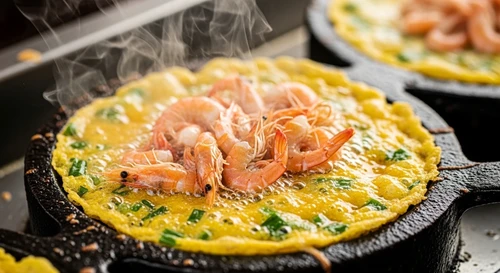
Binh Dinh Crispy Jumping Shrimp Pancakes (Banh Xeo)
The sizzling pancake molds feature live, jumping earth shrimp that cook into a crispy, golden crust.
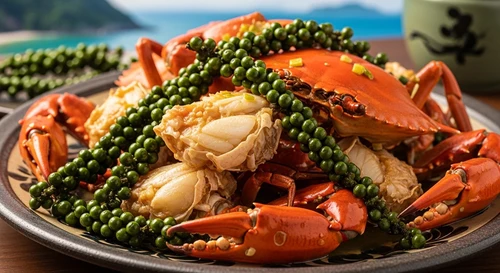
Phu Quoc Green Peppercorn Roasted Crab
Clusters of smashed fresh green peppercorns stir-fried with crab create a warm, zesty heat that isn't as harsh as red chilies.
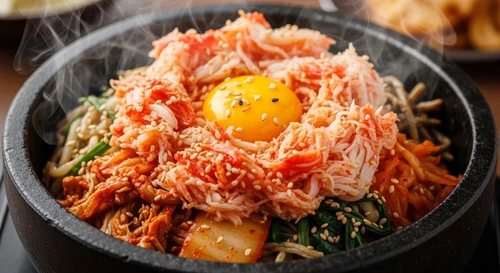
Korean Stone Bowl Crab & Kimchi Bibimbap
An upgraded Korean mixed rice with shredded crab meat, spicy sour kimchi, and a raw egg yolk in a sizzling stone bowl.
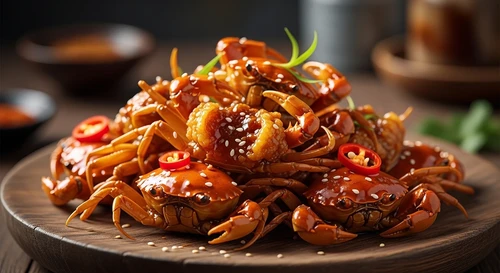
Crispy Baby Sentinel Crabs Roasted in Tamarind Sauce (Ghe Sua)
Bite-sized, soft-shelled baby crabs deep-fried and tossed in a sticky sweet sauce. Eat them whole for a massive calcium boost.
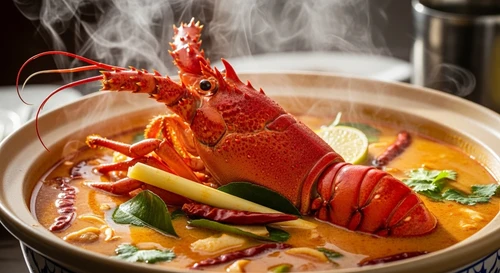
Thai Spicy & Sour Tom Yum Lobster Hotpot
A whole ornate rock lobster plunged into a spicy, sour Tom Yum broth made with coconut milk, lemongrass, and lime.
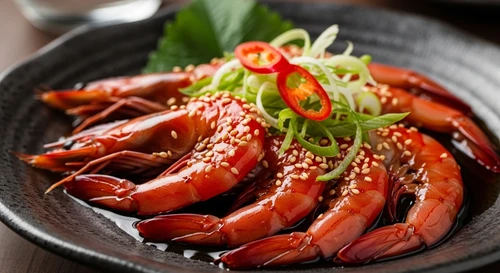
Ganjang Saeu: Korean Soy-Marinated Raw Shrimp
Sweet, sticky, and deeply savory. How to safely marinate fresh raw tiger shrimp in soy sauce, apples, and chilies.
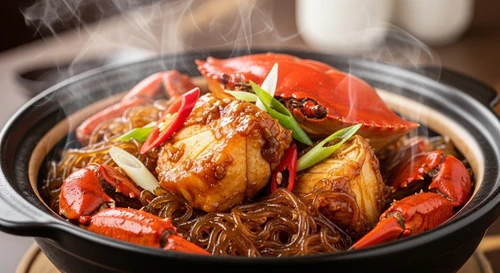
Hong Kong Style Claypot Crab with Glass Noodles
Chewy glass noodles soaking up premium XO sauce and the natural sweetness of fresh mud crab, cooked in a hot claypot.