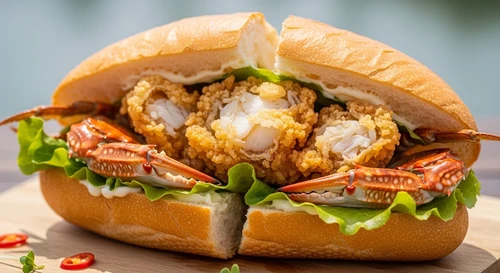
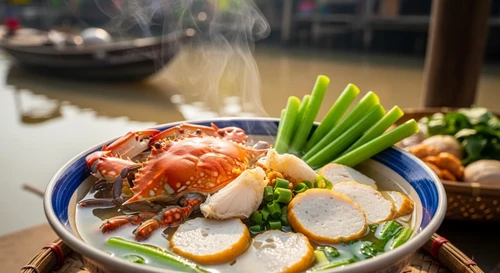
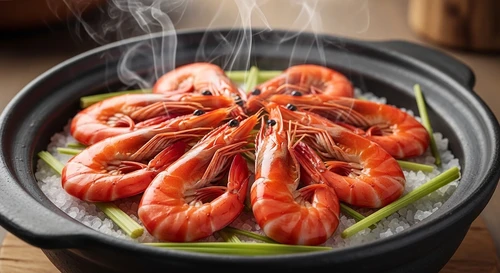
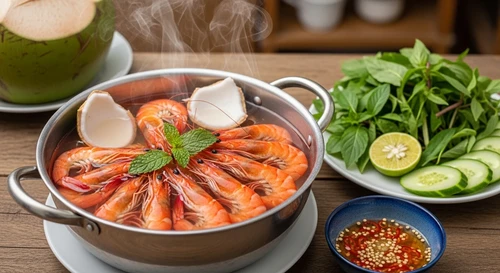
" Picture this: the humid air of the Mekong Delta, the scent of brine and earth. Now, fast forward to a bustling Seoul alley, steam rising from a stone pot. We're bridging worlds here, folks. "
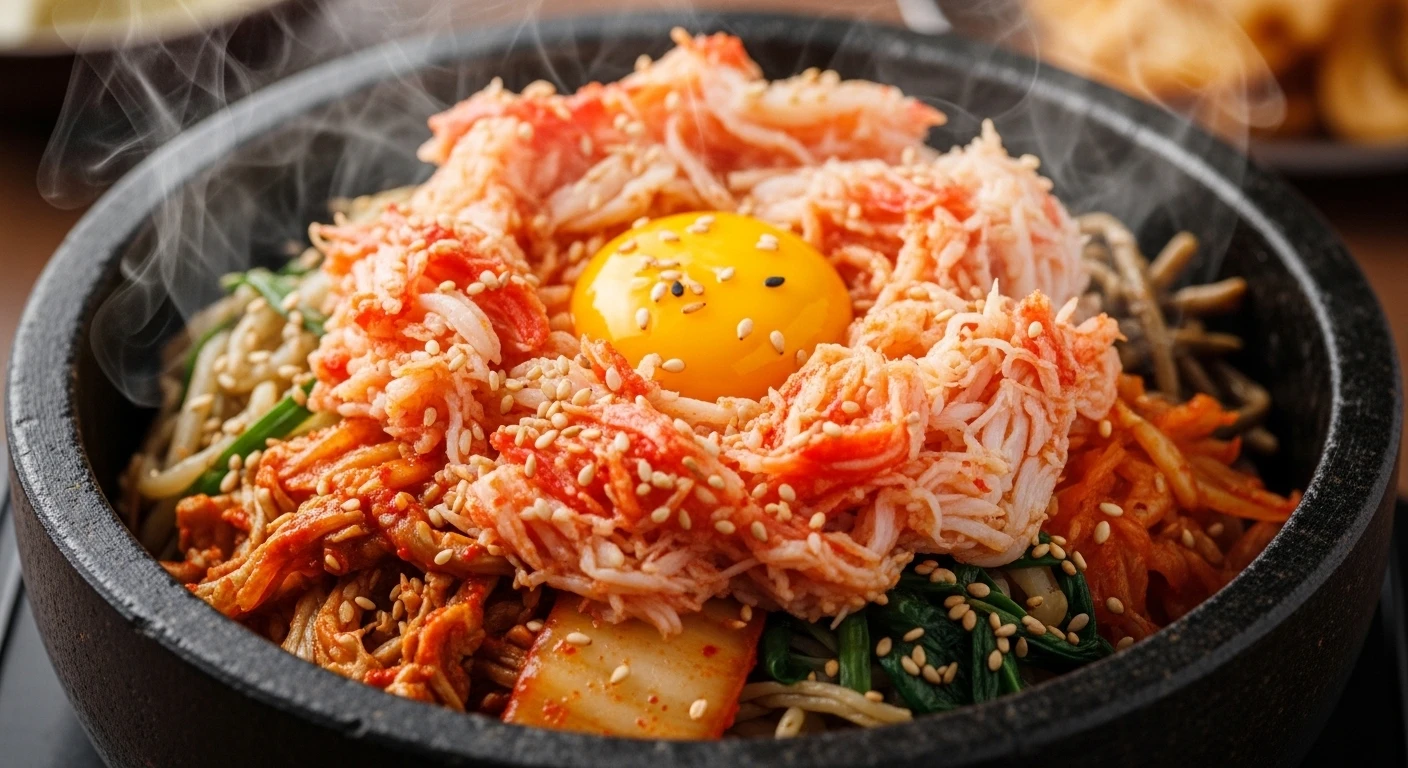
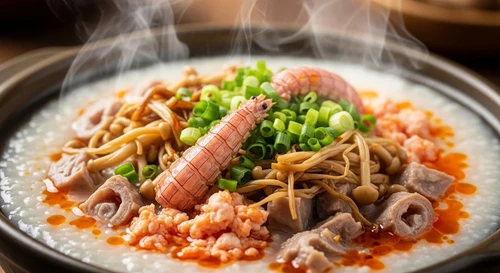
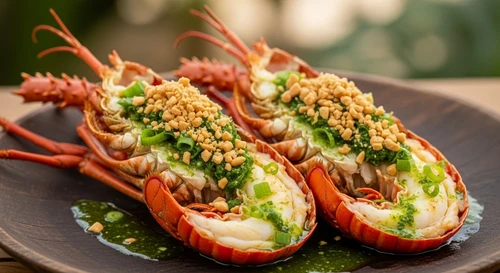
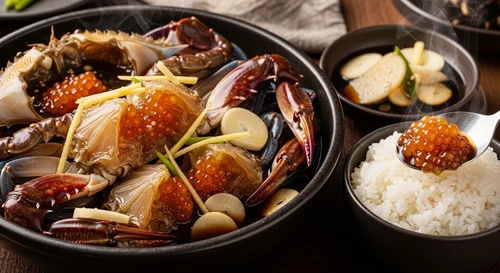
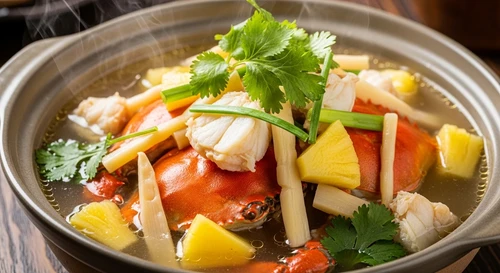
📸 A symphony of textures and colors, ready to be mixed.
1 The Mekong's Golden Touch: Why Crab?
Forget your everyday seafood. We're talking about the legendary mud crabs of Ca Mau, Vietnam – the jewels of the Mekong Delta. Their meat is dense, sweet, and carries a whisper of the salty mangroves.
Sweet & Dense
The firm, succulent flesh of Ca Mau crabs adds a luxurious depth that plain chicken or beef simply can't match. It's the taste of coastal Vietnam, the bounty of its unique waterways.
A Taste of Place
This isn't just any crab meat; it's crab meat sourced from waters where freshwater meets saltwater, giving it a distinct, clean flavor profile prized by connoisseurs. It’s the essence of the delta, carefully extracted.
We're not using fancy crab roe here; this is about the pure, unadulterated crab meat that provides substance and a sweet counterpoint to the spice.
Heritage Ingredient
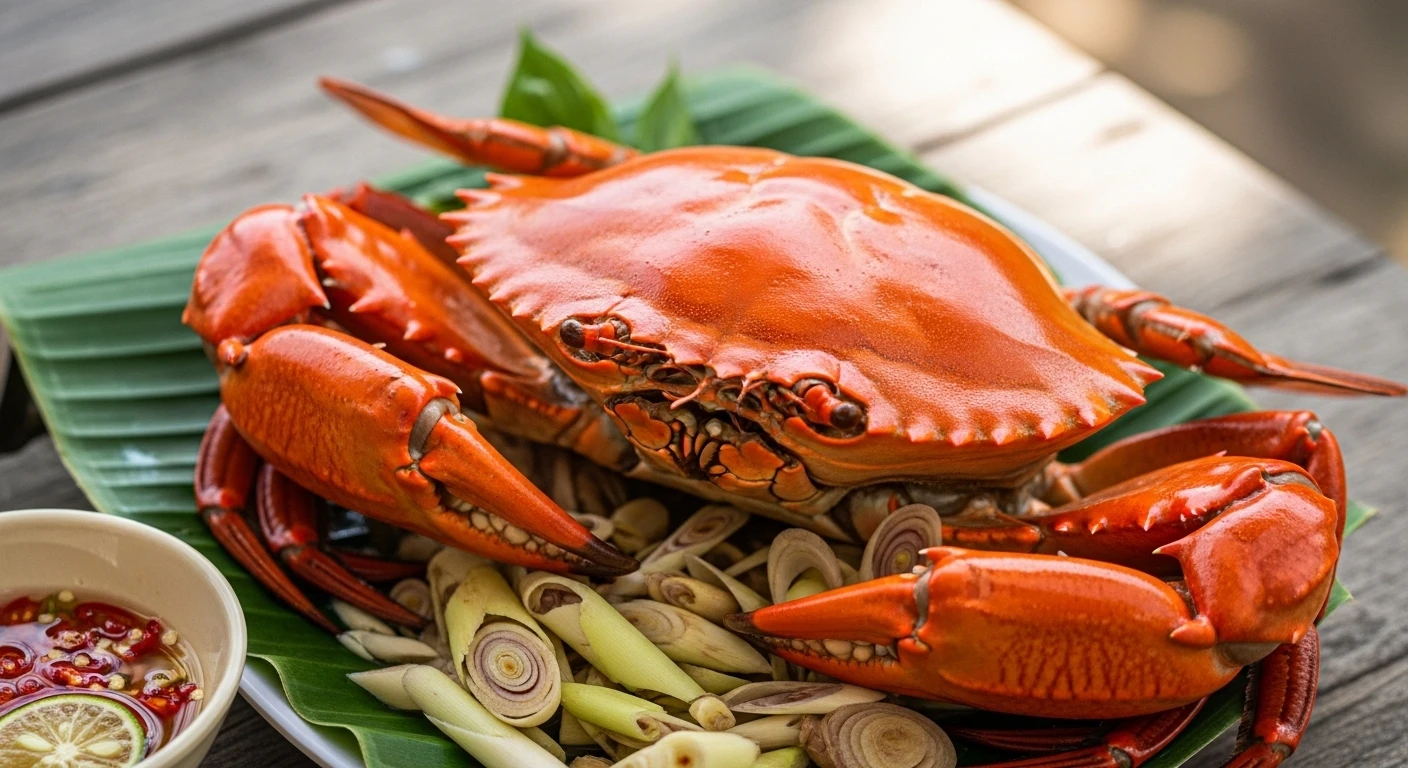
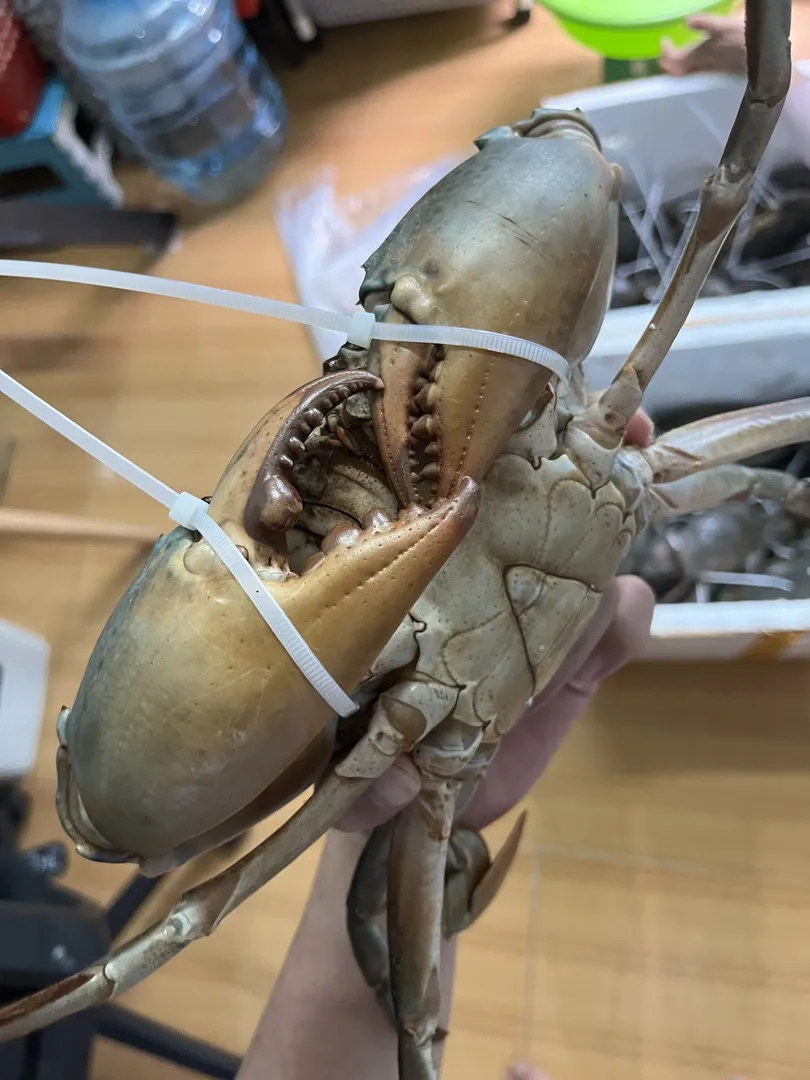
Ca Mau Jumbo Mud Crab
Ca Mau Jumbo Mud Crab
A large male mud crab prized for dense, sweet meat and thick claws, commonly used in steamed crab and grilled crab dishes across the Mekong Delta.
An icon of coastal culinary heritage, featuring firm, sweet meat that captures the raw power and freshness of Ca Mau's tides.
Imagine this sweet crab meat, gently shredded, finding its place amongst the vibrant threads of kimchi and the creamy yolk. It’s a marriage of textures and tastes that’s surprisingly harmonious.
Heritage Ingredient
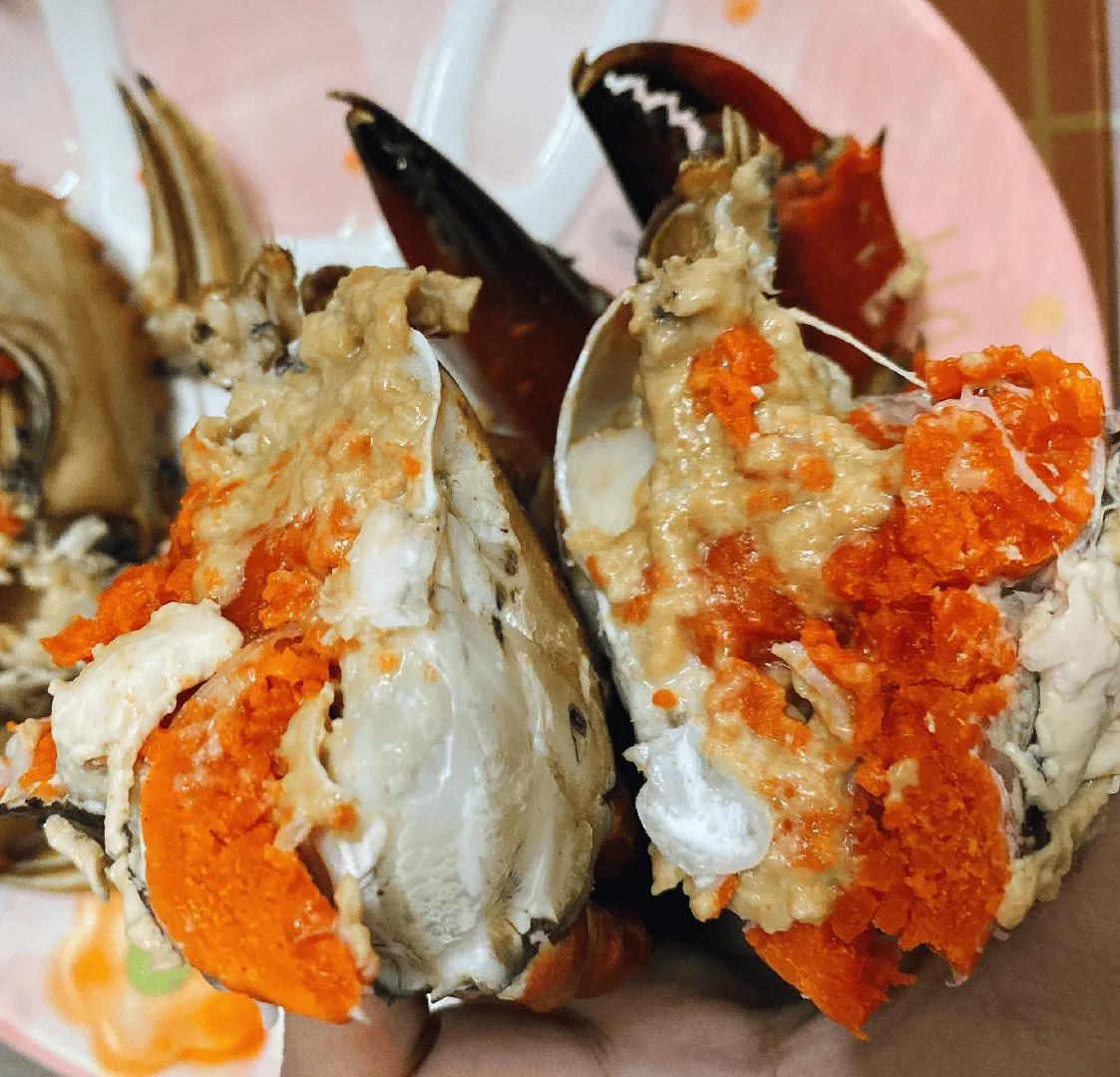
Ca Mau Roe Mud Crab
Ca Mau Roe Mud Crab
A female mud crab known for deep orange roe and a rich, creamy finish, often featured in celebratory Southern Vietnamese seafood meals.
A crimson treasure hidden within a shell, boasting rich, creamy roe that melts on your tongue like a golden sunset over the delta.
2 Fermented Fire & Sizzling Secrets
Kimchi, the ubiquitous Korean staple, brings its signature spicy, sour, and umami punch. But not just any kimchi. We want one that’s been aged just right – giving it a deeper, more complex funk.
The Kimchi Factor
The fermentation process breaks down the napa cabbage, creating those irresistible tangy notes. When it hits the heat of the dolsot, it becomes even more aromatic and less aggressively sharp.
The Dolsot's Dance
The "dolsot" (Korean stone bowl) is crucial. It retains heat like a dragon's hoard, ensuring that every grain of rice gets a kiss of the fiery bottom, creating that coveted crispy layer – the "nurungji." This is where the magic happens.
3 Building Your Bowl of Bliss
The Base
- Cooked Rice: Medium-grain white rice is ideal. Slightly sticky is good for binding.
- Sesame Oil: A generous drizzle before adding anything else to the dolsot.
The Stars
- Shredded Crab Meat: Cooked, sweet crab meat.
- Kimchi: Chopped, well-fermented kimchi.
- Raw Egg Yolk: Placed right in the center, ready to cook into a rich sauce.
The assembly is key. You want distinct layers, not a muddled mess. The hot dolsot will do the rest of the work.
Heat the Dolsot
Coat the inside of your stone bowl with sesame oil. Place over medium-high heat until it starts to smoke slightly. This creates the essential crispy rice layer.
Layer the Flavors
Spread a layer of cooked rice evenly on the bottom. Top with the chopped kimchi and shredded crab meat. Arrange them artfully, leaving a small well in the center for the egg yolk.
The Grand Finale: Egg Yolk
Gently place the raw egg yolk in the center. The heat from the bowl will cook it to a luscious, creamy consistency as you mix.
Mix it Up: The Gochujang Kiss 💋
While the crab and kimchi are the stars, the sauce is the conductor of this flavor orchestra. Keep it simple, or make it complex – your call.
Basic Bliss
A good dollop of Gochujang (Korean chili paste), a swirl of sesame oil, and a pinch of toasted sesame seeds.
Mekong Flair
Add a tiny splash of fish sauce and a squeeze of fresh lime to the Gochujang. This bridges the gap, adding that subtle Southeast Asian umami.
The Creamy Dream
For a richer finish, mix in a tablespoon of mayonnaise or Kewpie. It mellows the spice and creates a luxurious coating.
Serve with a side of seasoned seaweed strips (gim) for extra crunch and oceanic flavor.
Rooted in the Delta
While this is a Korean dish at heart, the soul of the Mekong Delta lives in the quality of the crab. The rich biodiversity of the Mekong, from its extensive coastline in Ca Mau to its vast river networks, provides some of the freshest and most sought-after seafood in Southeast Asia.
Crab fishing is more than a livelihood here; it's a tradition passed down through generations. The careful selection and handling of these crustaceans ensure that their natural sweetness and texture are preserved, making them perfect for simple preparations that let their quality shine. Bringing this exceptional crab to a globally beloved dish like bibimbap isn't just fusion; it's a celebration of origin.
6 Elevating the Game
Feeling adventurous? Here are a few ways to push this dish even further:
- Add More Veggies: Shredded carrots, zucchini, or spinach sautéed with a touch of garlic add color and nutrition.
- Toasted Seaweed: Crumbled gim (Korean roasted seaweed) or a sprinkle of furikake offers a salty, umami crunch.
- Pickled Radish: A side of sweet and tangy pickled radish (danmuji) provides a refreshing palate cleanser.
- Mekong Mushrooms: Sautéed straw mushrooms or shiitake mushrooms, common in Delta cuisine, can add an earthy depth.
The Final Scoops
🦀 Can I use other types of crab?
🥵 Is it very spicy?
🍚 What if I don't have a stone bowl (Dolsot)?
The Taste of Two Worlds
This Crab & Kimchi Bibimbap is more than just a meal; it's a conversation between cultures. It's proof that the best flavors often come from unexpected pairings, grounded in the respect for exceptional ingredients. From the humid mangroves of the Mekong to the bustling kitchens of Korea, this dish is an edible journey. So, fire up that stone bowl, embrace the sizzle, and dive in.