" There are dishes that whisper their origins, and then there are those that roar. This claypot crab, a beloved fixture on Hong Kong tables, might seem distant from the serpentine waterways of the Mekong Delta. But look closer. The very soul of this dish – its reliance on pristine, sweet seafood – is a language spoken fluently across Southern Vietnam. "
1 The River's Bounty: From Delta to Dynasty
The magic of this dish begins long before the claypot hits the flame. It starts with the crab. While this style is celebrated in Hong Kong, the finest mud crabs, prized for their dense, sweet meat and rich roe, often hail from the coastal regions of Vietnam, particularly the fertile grounds around Ca Mau in the Mekong Delta. These aren't just any crabs; they are the ocean's jewels, nurtured by brackish waters and mangrove ecosystems, lending a depth of flavor that is simply unparalleled.
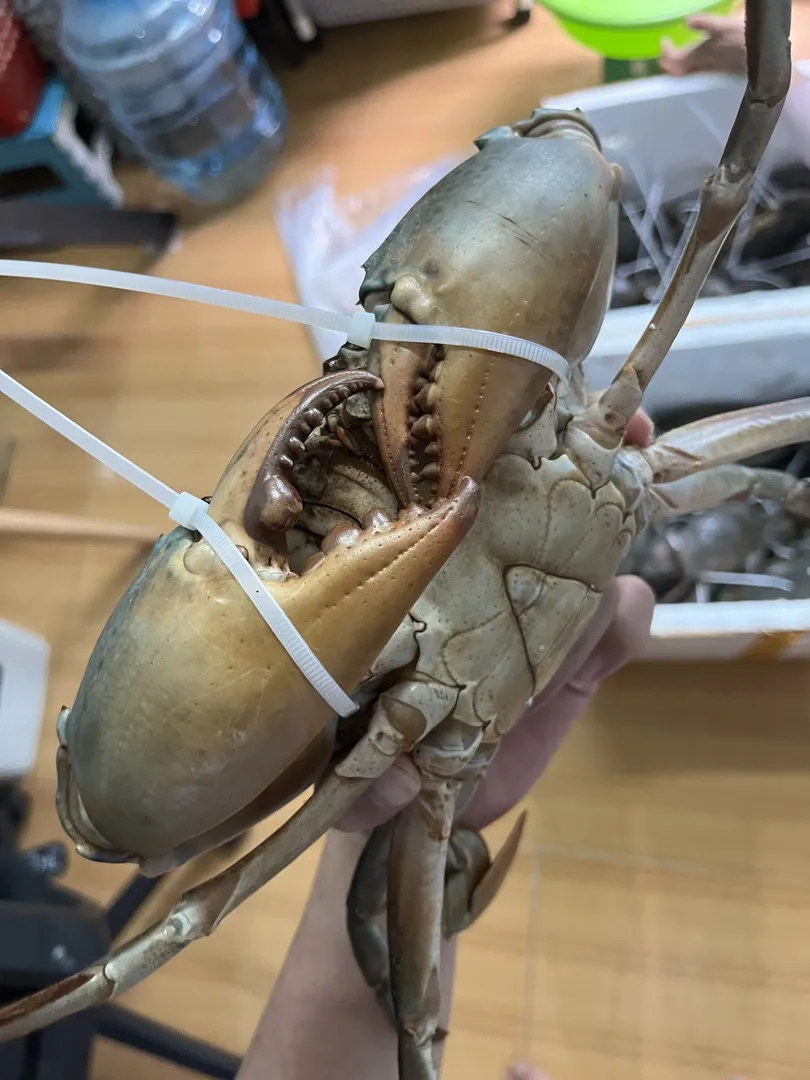
When you encounter a truly exceptional mud crab, imagine it like this:

A prime example of the kind of mud crab that forms the foundation of this dish.
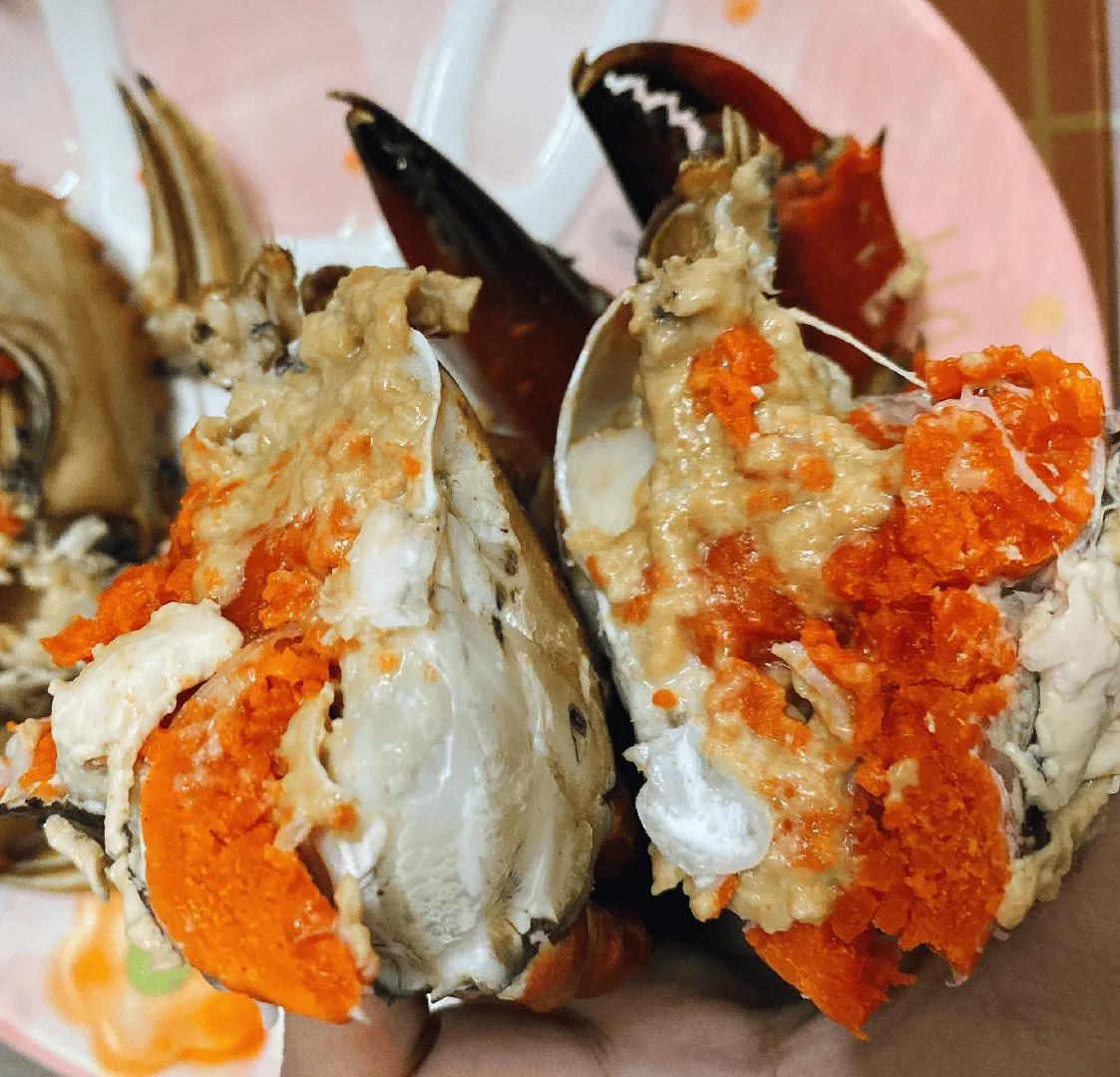
Or, if the roe is king:

The legendary roe, a delicate luxury found in female mud crabs.
The essence of this dish lies in highlighting that natural sweetness. The chosen crab, whether a 'meat crab' with substantial claw and body mass or a 'roe crab' with its precious, creamy orange treasure, is the star. The cooking method is designed to amplify, not mask, its inherent flavors.
2 The Alchemy: XO Sauce and Fragrant Foundations
If the crab is the heart, then the XO sauce and aromatics are the soul of this claypot. XO sauce, a decadent condiment originating from Hong Kong, is a complex symphony of dried seafood (scallops, shrimp), cured ham, chili, and garlic. It's savory, umami-rich, and slightly spicy, a perfect foil to the crab's sweetness. But to truly elevate it, especially for a Mekong-inspired interpretation, we bring in the subtle, fragrant magic of Southern Vietnamese aromatics.
Key Aromatics:
- Garlic: Minced, lots of it. The bedrock of many Southeast Asian flavors.
- Ginger: Freshly grated or finely chopped, offering a gentle warmth.
- Scallions/Spring Onions: Both white and green parts, sliced. For sharpness and color.
- Chili: Fresh red chilies, thinly sliced, for a vibrant kick that complements the XO.
- A Whisper of the Delta: Consider adding a touch of thinly sliced lemongrass or kaffir lime leaves for that unmistakably Southern Vietnamese fragrance.
The XO Factor:
A good quality XO sauce is essential. Its depth comes from slow-cooked ingredients and a blend of premium spices. It's this rich, potent essence that will coat the noodles and infuse the crab.
Chef's Tip: Making your own XO sauce is an undertaking, but if you can find a reputable brand or a skilled Asian grocer, it's worth the splurge. The flavor is transformative.
3 The Glass Noodles: A Chewy Canvas
And then there are the glass noodles. Also known as cellophane noodles or bean thread noodles, these translucent strands are made from mung bean starch or sweet potato starch. Their beauty lies in their ability to absorb flavors without becoming mushy. When cooked in the simmering juices of the crab and XO sauce, they transform into glistening, slippery threads that are utterly addictive. Their chewy texture provides a delightful contrast to the tender crab meat.

They soak up every drop of that precious sauce, ensuring that each mouthful is a burst of savory, sweet, and slightly spicy goodness. It's a textural playground that perfectly complements the main event: the crab.
4 The Claypot's Embrace
The use of a claypot is not merely aesthetic; it's functional. Clay retains heat exceptionally well, allowing the dish to cook evenly and slowly, meld flavors, and keep warm at the table. This gentle, consistent heat is crucial for tenderizing the crab and ensuring the glass noodles absorb the sauce beautifully. The slight porous nature of clay also imparts a subtle, earthy character to the food.

As the claypot heats, the garlic and ginger sizzle, releasing their fragrant oils. The XO sauce follows, deepening in aroma, before the star – the crab – is nestled amongst the noodles. The lid goes on, and the magic happens as steam and heat work their wonders.
5 The Culinary Journey: From Riverbanks to Hong Kong Homes
While the dish is a staple in Hong Kong, its heart beats with ingredients that echo the bounty of the Mekong. Picture this: fishermen in Ca Mau's coastal waters bringing in their daily catch of plump mud crabs. These crabs, perhaps destined for local markets or international export, carry within them the unique terroir of the delta. They journey north, their inherent sweetness preserved, eventually finding their way into the bustling kitchens of Hong Kong.
There, the skilled hands of chefs embrace them, not with heavy sauces, but with a respectful nod to their quality. They are paired with ingredients that enhance, rather than overpower, their delicate flavor. The glass noodles act as a perfect conduit for the rich, umami-laden XO sauce, creating a dish that is both comforting and luxurious. The visual of the steaming claypot, with its rich, glossy contents, is a testament to this fusion – a culinary bridge connecting two distinct, yet harmonious, worlds of flavor.
Heritage Ingredient
Ca Mau Jumbo Mud Crab
Ca Mau Jumbo Mud Crab
A large male mud crab prized for dense, sweet meat and thick claws, commonly used in steamed crab and grilled crab dishes across the Mekong Delta.
An icon of coastal culinary heritage, featuring firm, sweet meat that captures the raw power and freshness of Ca Mau's tides.
Heritage Ingredient
Ca Mau Roe Mud Crab
Ca Mau Roe Mud Crab
A female mud crab known for deep orange roe and a rich, creamy finish, often featured in celebratory Southern Vietnamese seafood meals.
A crimson treasure hidden within a shell, boasting rich, creamy roe that melts on your tongue like a golden sunset over the delta.
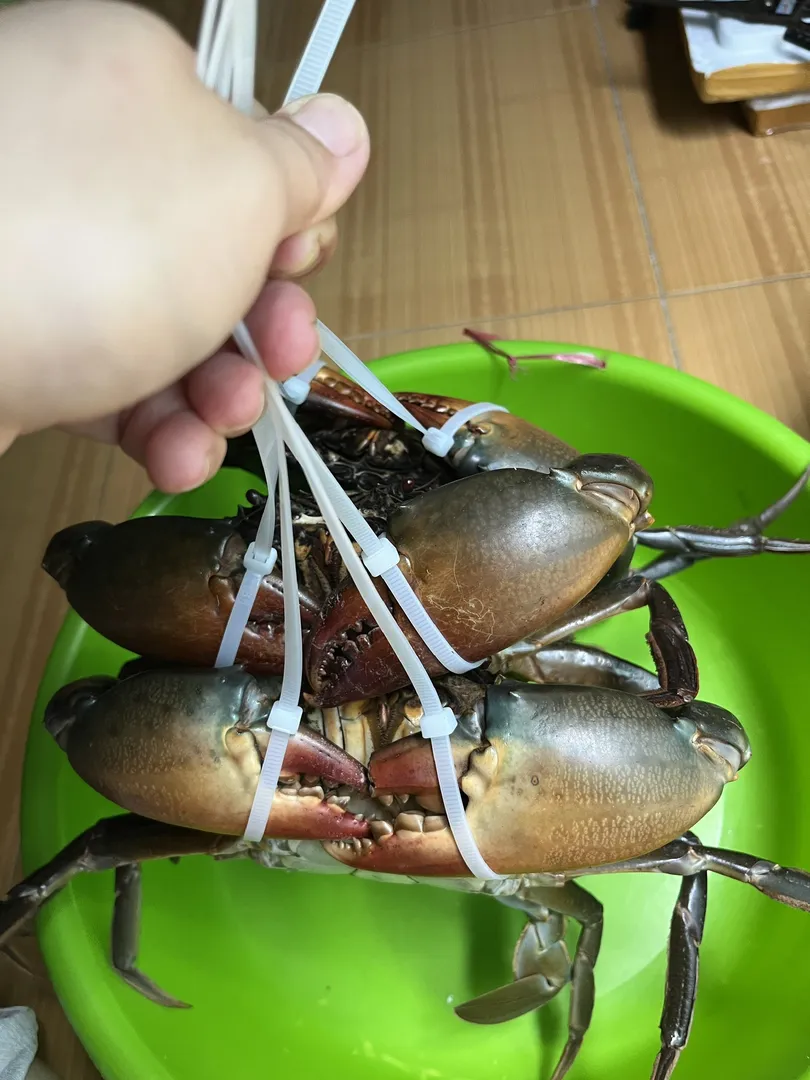
Heritage Ingredient
Giant Ca Mau Mud Crab
Giant Ca Mau Mud Crab
A larger export-grade mud crab with dramatic claws and thick meat, often used to illustrate oversized crab categories in Vietnamese seafood markets.
A titan of the ocean, offering colossal claws filled with muscular, succulent meat that elevates every feast into a royal experience.
6 A Symphony of Flavors and Textures
The first bite is a revelation. The glass noodles, tender yet satisfyingly chewy, are slick with the savory essence of the XO sauce and aromatic stir-fry. Then comes the crab meat – sweet, succulent, flaking away with the slightest touch. It’s a dance between the briny depths of the ocean and the fiery heart of the sauce. The subtle warmth of ginger and garlic, the sharp bite of scallion, and the optional kick of chili create layers of complexity that keep you coming back for more. Each spoonful is a complete experience: the soft noodles, the yielding crab, the rich sauce clinging to everything. It's a dish that is both rustic in its presentation and refined in its execution.
7 Communal Joy: Sharing the Claypot
Claypot dishes are inherently communal. Served piping hot directly from the earthenware vessel, they are meant to be shared. Gathered around the table, chopsticks in hand, the ritual of digging into the pot is part of the pleasure. The aroma fills the air, a promise of the deliciousness to come. It’s a dish that fosters connection, conversation, and the simple, profound joy of good food shared with loved ones. Serve it with a side of steamed rice to soak up any remaining sauce, and perhaps a simple, crisp green vegetable dish for balance.
8 Echoes of the Delta: Why This Dish Resonates
This claypot crab, while bearing the Hong Kong label, carries an undeniable spirit of the Mekong Delta. The respect for fresh, high-quality seafood is paramount in both cuisines. The delta's rich aquaculture and plentiful waterways provide an endless supply of crustaceans and fish, forming the backbone of its culinary identity. Chefs in both regions understand that the best way to prepare such precious ingredients is often with simplicity, allowing their natural sweetness and texture to shine. The rich, savory sauce in this dish is a modern interpretation of the bold flavors often found in Vietnamese cooking, using premium ingredients to achieve a similar umami depth. It’s a beautiful reminder that food traditions travel, evolve, and find common ground across vast distances.
So, the next time you savor a bowl of claypot crab with glass noodles, take a moment to appreciate the journey – from the sun-drenched waters of the Mekong Delta to the vibrant kitchens of Asia. It's a testament to the universal language of good food, celebrating the ocean's bounty in a way that is both timeless and utterly delicious.