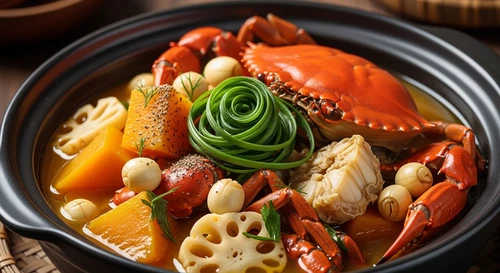
" In the relentless humidity of the Mekong Delta, a steaming bowl of soup can be both a comfort and a cure. This isn't just any soup; it's a whisper of the northern delta's culinary soul, a dish that dances on the edge of sour and sweet, a refreshing balm for a sweltering day. "
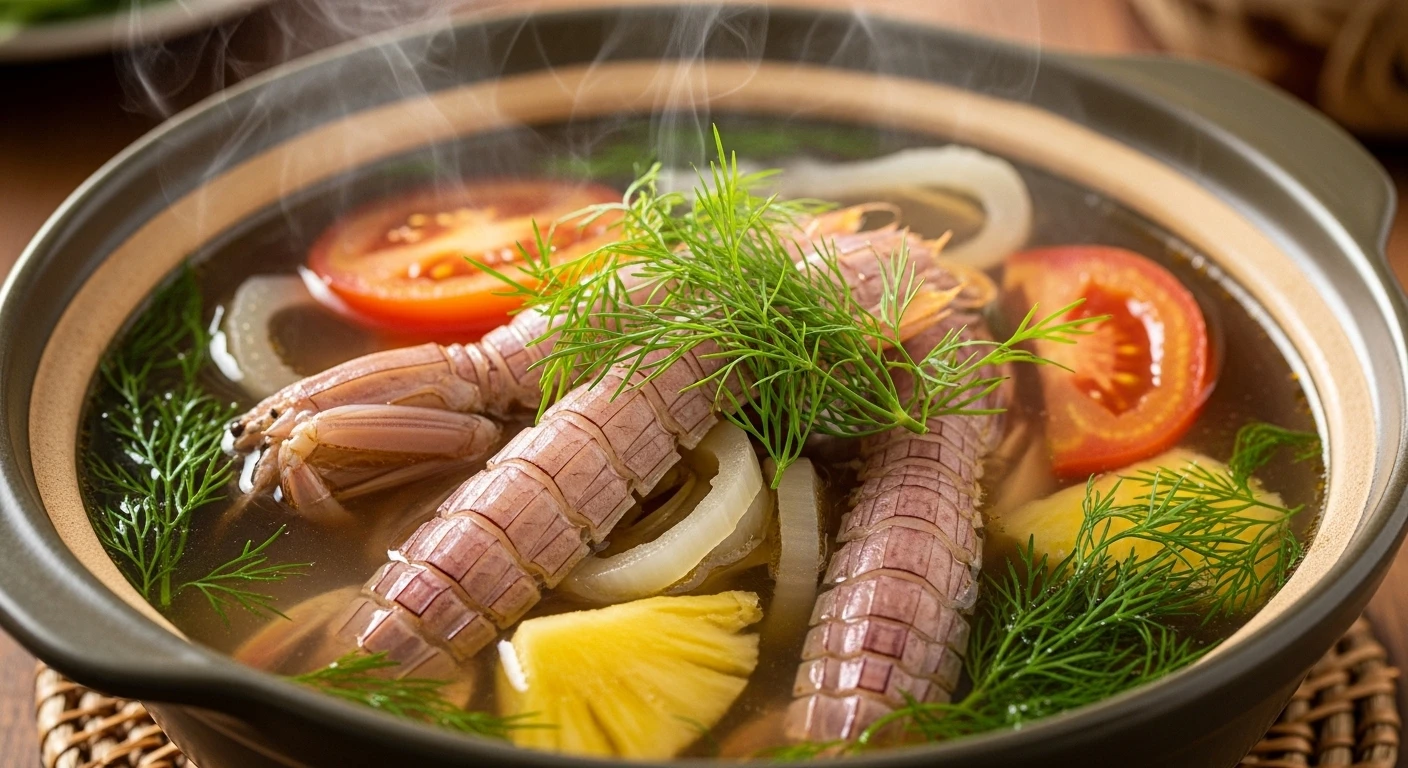
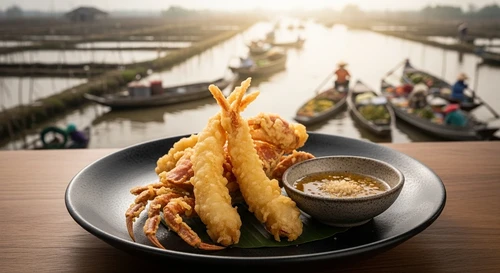
📸 The visual promise of a light, refreshing broth.
1 The Delta's Embrace: A Taste of Northern Roots
While the Mekong Delta conjures images of vast rice paddies and floating markets, its culinary landscape is diverse. This particular soup, Canh Chua Tôm Tít, hails from the northern reaches of the delta. It’s a dish that speaks of a different humidity, a different rhythm of life—one tied to the intricate network of canals and the bounty they yield.
Unlike the robust, often richer flavors of the south, northern delta cuisine often leans towards a delicate balance. Here, the sweetness of the seafood is paramount, coaxed out by gentle sourness, aromatic herbs, and vegetables that provide texture and freshness. This soup is a testament to that philosophy—allowing the star ingredient, the mantis shrimp, to shine without being overpowered.
Whole Mantis Shrimp
Using the whole shrimp, shell and all, is key. The shells release a subtle sweetness and body into the broth, creating a foundation that’s far richer than using just the meat.
Heritage Ingredient
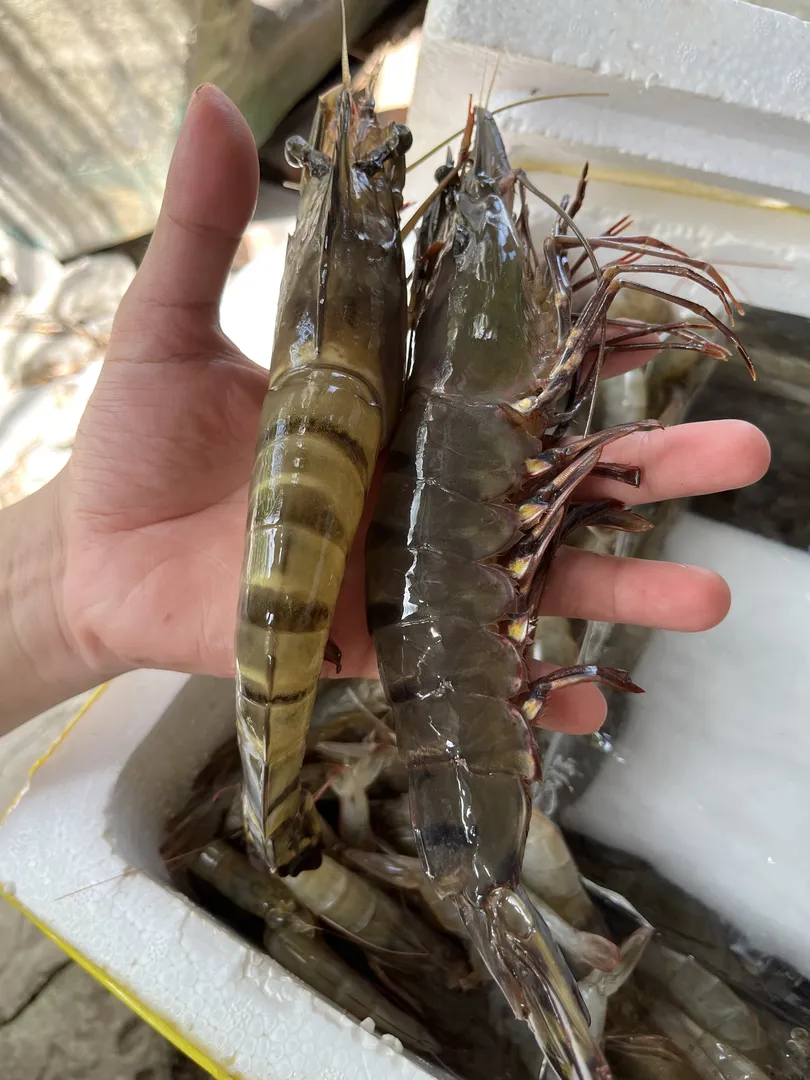
Ca Mau Black Tiger Shrimp
Ca Mau Black Tiger Shrimp
Large black tiger shrimp associated with mangrove aquaculture in Ca Mau, known for firm flesh and a cleaner, sweeter finish than intensively farmed shrimp.
Wild spirits of the mangroves, these black-banded gems deliver a firm, snappy texture and a sweetness that echoes the forest's vibrant life.
The Cooling Effect
This soup is inherently cooling, making it a perfect antidote to the oppressive heat of the delta. The dill, in particular, adds a vibrant, almost medicinal freshness that lifts the entire dish.
2 The Soul of the Broth: Ingredients & Essence
The Star Players
- Whole Mantis Shrimp: Fresh, lively specimens are crucial. Their shells lend depth to the broth.
- Elephant Ear Stems (Bạc Hà): These hollow, slightly spongy stems add a delightful texture and absorb the sour broth beautifully. Look for firm, unblemished stalks.
- Tomatoes: For color and a mild, natural acidity.
- Pineapple: A small wedge adds a crucial layer of sweet-sour complexity.
- Tamarind Paste: The backbone of the sourness, but use judiciously to avoid overwhelming the delicate flavors.
The Aromatic Symphony
- Dill (Thì Là): This is the secret weapon. Its pungent, unique aroma is what elevates this soup, providing a fragrant finish. Be generous.
- Shallots & Garlic: For a foundational aromatic base.
- Chili: Optional, for a gentle kick.
- Fish Sauce & Sugar: To balance the saltiness and sweetness.
- Vegetable Broth or Water: The liquid base.
Heritage Ingredient
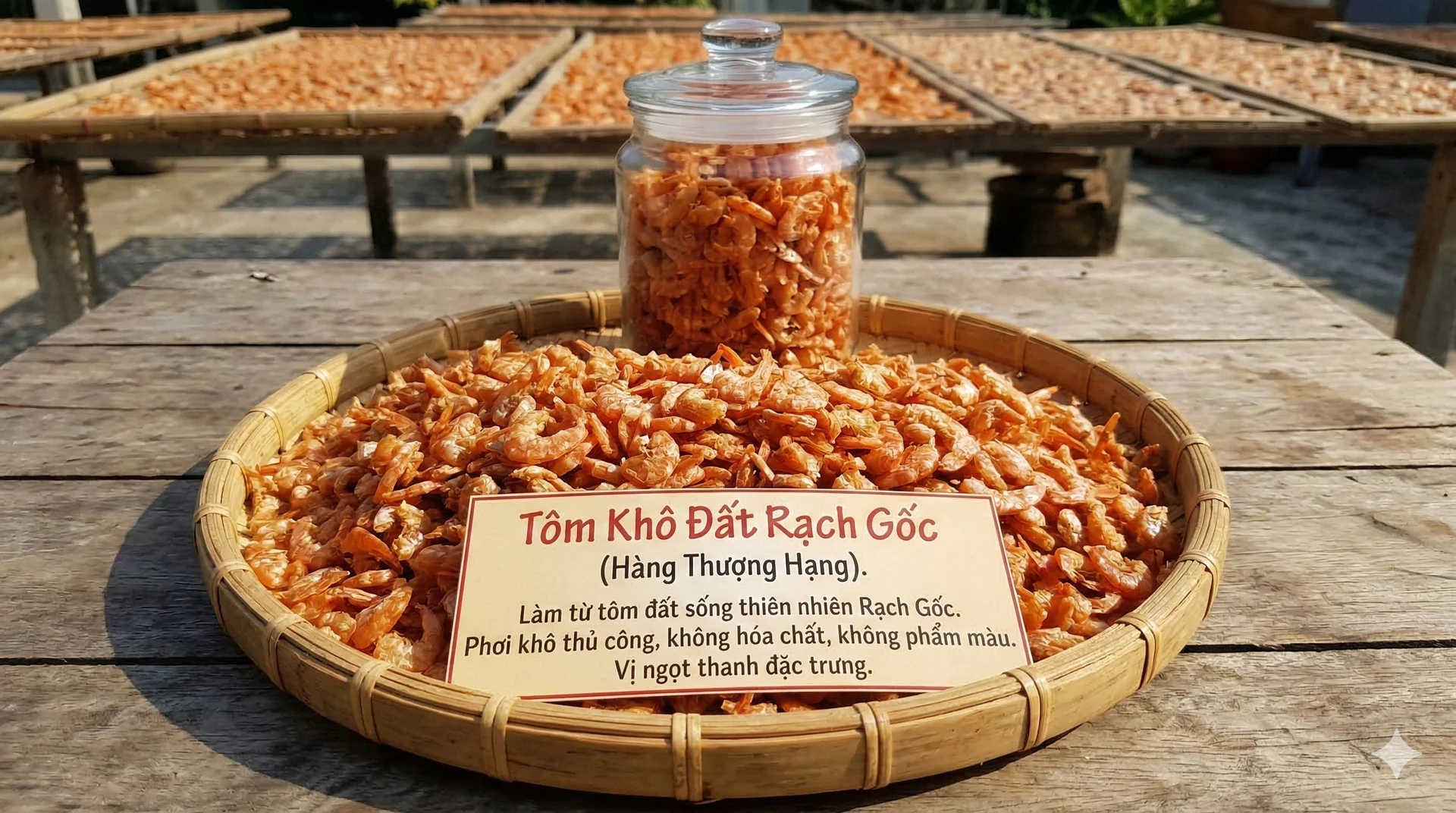
Sun-Dried Wild Shrimp from Rach Goc
Sun-Dried Wild Shrimp from Rach Goc
Traditional dried shrimp made from small wild shrimp, valued for natural sweetness and commonly used in Vietnamese salads, soups, and festive dishes.
Concentrated sunlight and sea salt in every bite, these crimson gems offer a deep, umami sweetness that whispers tales of Rach Goc's golden shores.
3 Crafting the Flavor: A Step-by-Step Journey
Prep the Stars
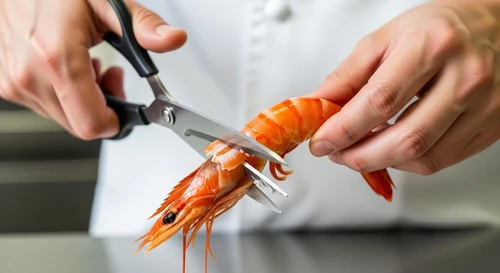
Clean the mantis shrimp, leaving them whole. Peel the elephant ear stems and cut them into bite-sized pieces. Slice tomatoes, pineapple, and chili. Mince shallots and garlic.
Build the Base
Sauté minced shallots and garlic in a little oil until fragrant. Add tomatoes and sauté until softened. Pour in the vegetable broth or water.
Sour & Sweet Notes
Once the broth boils, add the pineapple and tamarind paste. Stir well and let it simmer for a few minutes to infuse. Season with fish sauce and sugar to achieve a balanced sweet-sour taste.
The Texture & Spice
Add the elephant ear stems and chili (if using). Cook until the stems are tender-crisp.
The Final Aroma
Gently add the mantis shrimp. Cook for just 2-3 minutes until they turn pink and are cooked through. Overcooking makes them tough. Stir in the generous handful of fresh dill just before serving. This is key for that vibrant aroma.
The Mekong's Endless Larder 🦐
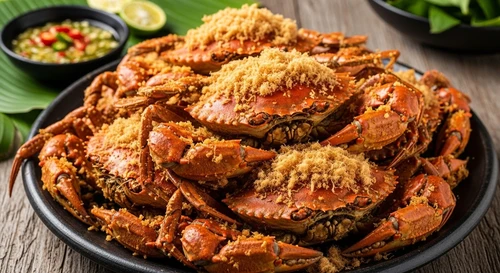
The Mekong Delta is a treasure trove of seafood, and while mantis shrimp hold a special place, the region offers a vast spectrum of aquatic delights. From the famed mud crabs of Ca Mau to the abundant river fish and prawns, each brings its own character to the table.
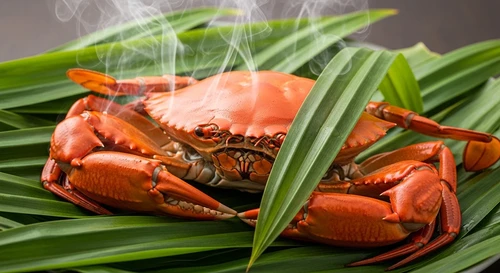
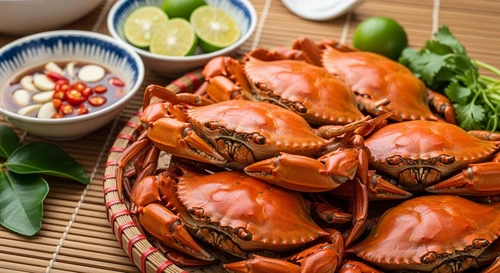
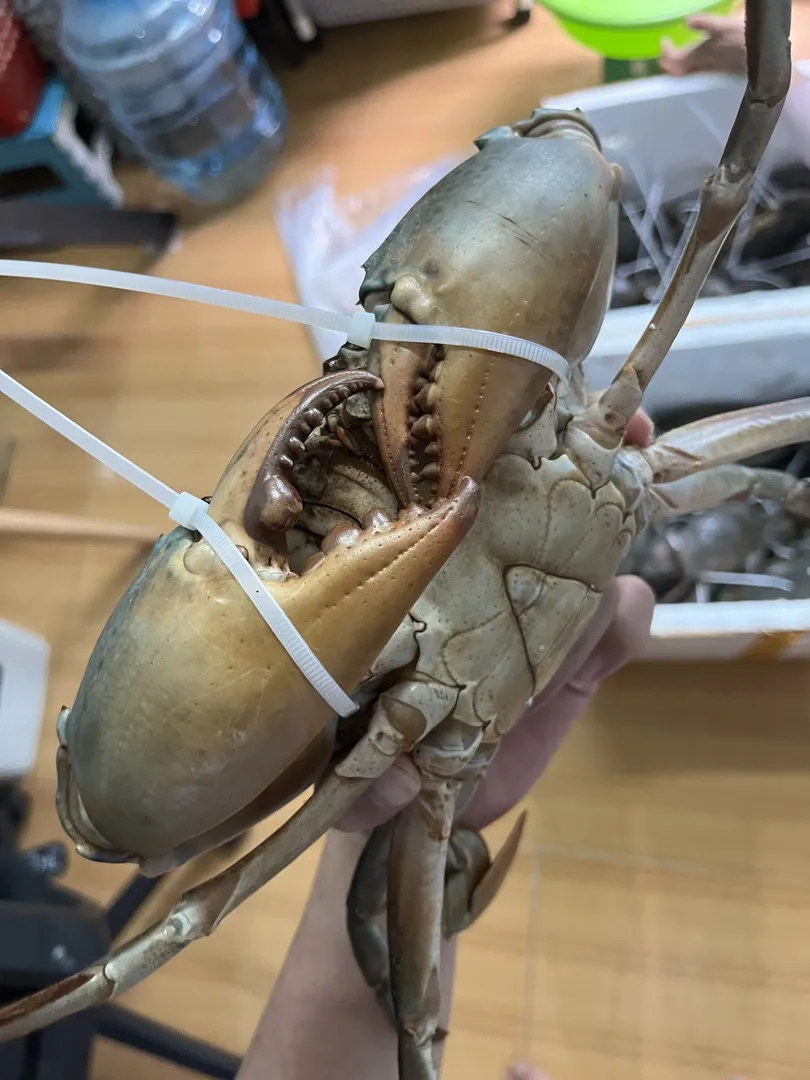
Ca Mau Mud Crab
Prized for its dense, sweet meat and rich roe, a staple in many delta dishes.
Heritage Ingredient
Ca Mau Jumbo Mud Crab
Ca Mau Jumbo Mud Crab
A large male mud crab prized for dense, sweet meat and thick claws, commonly used in steamed crab and grilled crab dishes across the Mekong Delta.
An icon of coastal culinary heritage, featuring firm, sweet meat that captures the raw power and freshness of Ca Mau's tides.
Mekong River Prawns
Known for their size and rich head fat, often grilled or added to hotpots.

Heritage Ingredient
Mekong Giant Freshwater Prawn
Mekong Giant Freshwater Prawn
A river prawn with long blue claws and rich head fat, common in grilled prawn dishes and hotpot traditions across the Mekong basin.
Majestic blue-clawed warriors of the Mekong, famous for their rich, fatty heads and a savory depth that captures the essence of the delta's rivers.
Mudskippers
An unusual but cherished mangrove dweller, often grilled.

Heritage Ingredient
Ca Mau Mudskipper
Ca Mau Mudskipper
A mangrove mudskipper from Ca Mau, often grilled with chili salt and featured in articles about unusual delta seafood and mudflat ecosystems.
The acrobatic spirit of the mudflats, delivering a fragrant, smoky flesh that embodies the untamed beauty of Ca Mau's mangrove world.
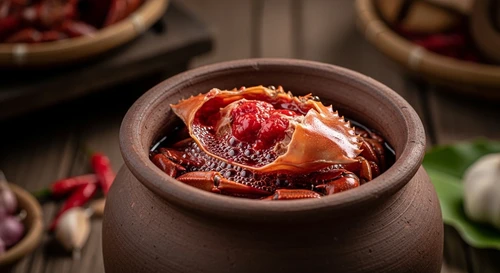
Even fermented crab specialties like Ba Khia showcase the delta's ingenuity in preserving and enjoying its aquatic gifts.
The Art of Balance: Serving & Enjoyment
This soup is best served piping hot, its fragrant steam carrying the essence of dill and sour broth. It's a standalone dish, often enjoyed as a light lunch or a cooling starter to a larger meal.
Pairing Perfection: What to Eat With It
- Plain Rice: The perfect canvas to soak up the flavorful broth.
- Grilled Meats: A small portion of grilled pork or chicken can complement the soup's lightness.
- Steamed Fish: For a truly aquatic feast.
Tips from the Delta Kitchen
- Freshness is Key: Use the freshest ingredients possible. The mantis shrimp should be lively.
- Don't Overcook: Mantis shrimp cook very quickly. A few minutes is all they need.
- Dill Power: Add the dill right at the end, or even stir it in bowls just before serving, to preserve its vibrant aroma.
- Adjusting Sourness: Taste and adjust the tamarind and sugar to your preference. The goal is a delicate balance, not an overpowering tang.
6 The Cooling Effect: Health & Wellness
In traditional Vietnamese medicine, ingredients are often categorized by their thermal properties – cooling, warming, neutral. This soup, with its water-based broth, dill, tomatoes, and tender shrimp, is firmly in the cooling category. It's designed to counteract the body's internal heat generated by the tropical climate, aiding digestion and providing a sense of well-being.
The sourness from tamarind and tomatoes is believed to stimulate appetite and aid digestion, while dill is known for its carminative properties, helping to relieve bloating. It’s a dish that nourishes not just the body, but also the spirit, offering a moment of refreshing respite in the intense delta heat.
7 Beyond the Bowl: The Mekong's Culinary Heritage
The story of this soup is intertwined with the lifeblood of the Mekong Delta – its rivers, its fertile soil, and the ingenuity of its people. The delta’s food culture is not static; it’s a living tapestry woven from generations of adaptation, trade, and a profound respect for nature's bounty.
From the vibrant colors of floating markets to the subtle nuances of regional spices, every dish tells a story. This sour mantis shrimp soup, with its specific balance of flavors and unique ingredients like elephant ear stems, is a chapter in that ongoing narrative. It’s a reminder that the simplest ingredients, prepared with care and tradition, can create experiences that linger long after the last spoonful.
8 Variations and Adaptations
While this recipe embodies the classic Northern Delta style, culinary traditions are always evolving. Some cooks might add a splash of fish sauce for extra umami, while others prefer a touch more chili for warmth. For those seeking a quicker preparation, pre-peeled mantis shrimp can be used, though you’ll miss out on the subtle depth the shells provide.
The key is to maintain the light, refreshing, and aromatic character of the dish. If elephant ear stems are unavailable, young bamboo shoots or even a touch of taro could offer a textural variation, though they would alter the traditional profile.
Craving More Delta Flavors?
Explore the diverse culinary tapestry of the Mekong.
🌊 Discover Mekong Seafood