" This isn't just food; it's medicine. It's the embrace of generations, a gentle reminder of the river's bounty, slow-cooked into a bowl of pure comfort. "
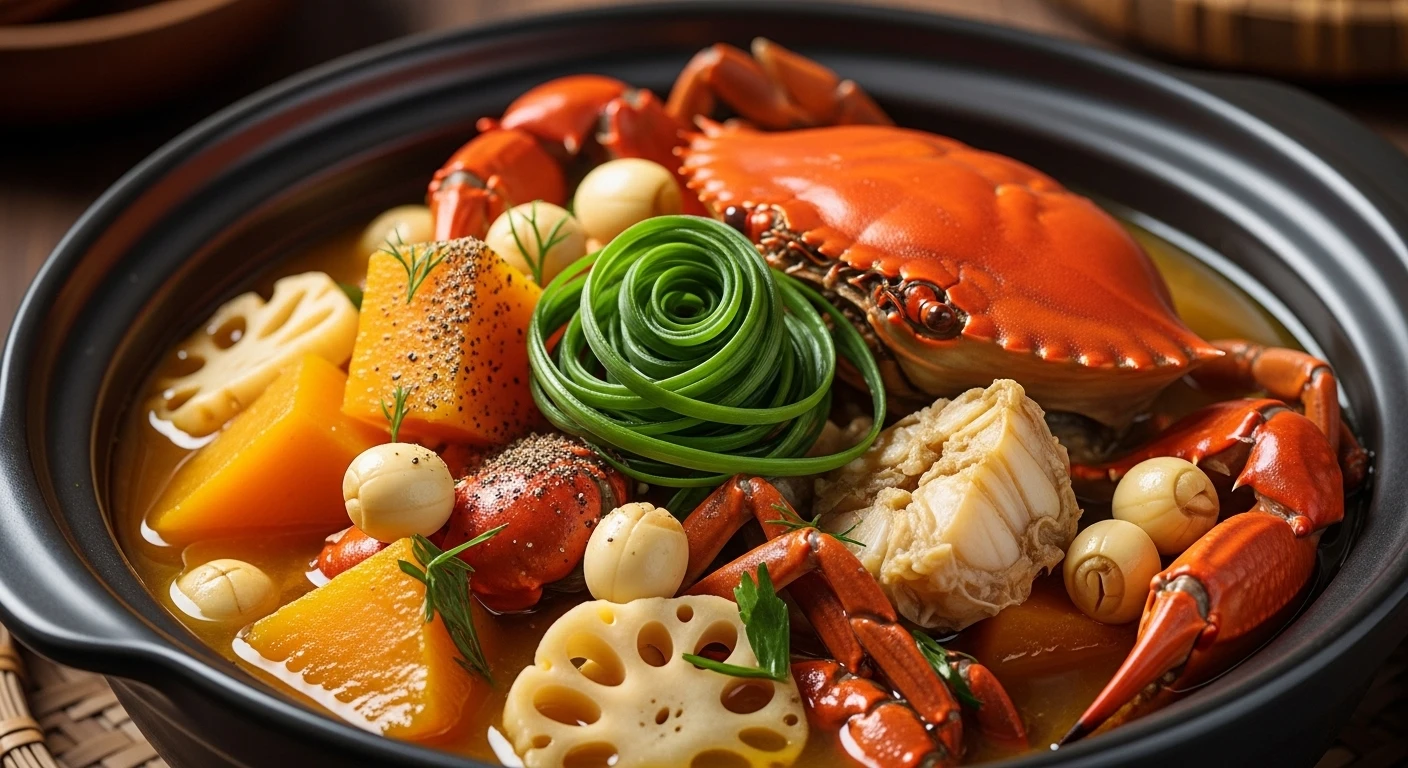
📸 A bowl of liquid gold, rich with the essence of the delta.
1 The Mekong's Embrace: Why This Dish Endures
In the labyrinth of waterways that define the Mekong Delta, food is lifeblood. Generations have navigated these waters, their diets shaped by what the rivers and fertile land provide. This stew, simple in its ingredients, is a testament to that profound connection. It's a dish born not of elaborate technique, but of necessity, resourcefulness, and a deep understanding of nutrition.
The star, of course, is the crab. Not just any crab, but the crabs that thrive in the brackish waters and mangrove-lined channels of regions like Ca Mau. These crabs are packed with essential nutrients. They are paired with the humble pumpkin, a staple in Vietnamese cuisine, offering its natural sweetness and vibrant color. And then, the lotus seeds – small powerhouses of energy and believed to have calming properties, making this dish ideal for the vulnerable: the elderly seeking gentle nourishment and children building their strength.
Calcium & Protein Powerhouse
Mud crabs, especially from the Ca Mau region, are renowned for their dense, sweet meat, rich in protein and vital minerals like calcium. This provides the foundational strength for the stew.
Heritage Ingredient
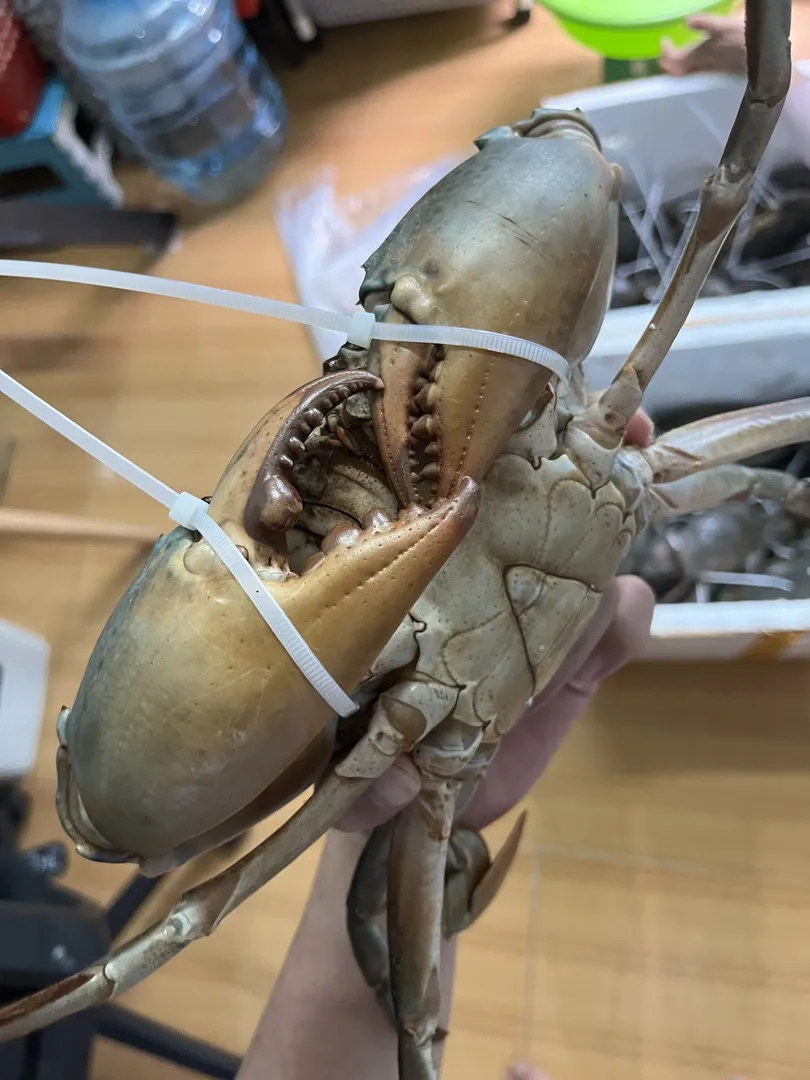
Ca Mau Jumbo Mud Crab
Ca Mau Jumbo Mud Crab
A large male mud crab prized for dense, sweet meat and thick claws, commonly used in steamed crab and grilled crab dishes across the Mekong Delta.
An icon of coastal culinary heritage, featuring firm, sweet meat that captures the raw power and freshness of Ca Mau's tides.
Sweetness & Vitality
Pumpkin offers a natural sweetness that complements the crab, along with beta-carotene and fiber. Lotus seeds contribute complex carbohydrates for sustained energy and have long been used in traditional medicine for their soothing effects.
Heritage Ingredient
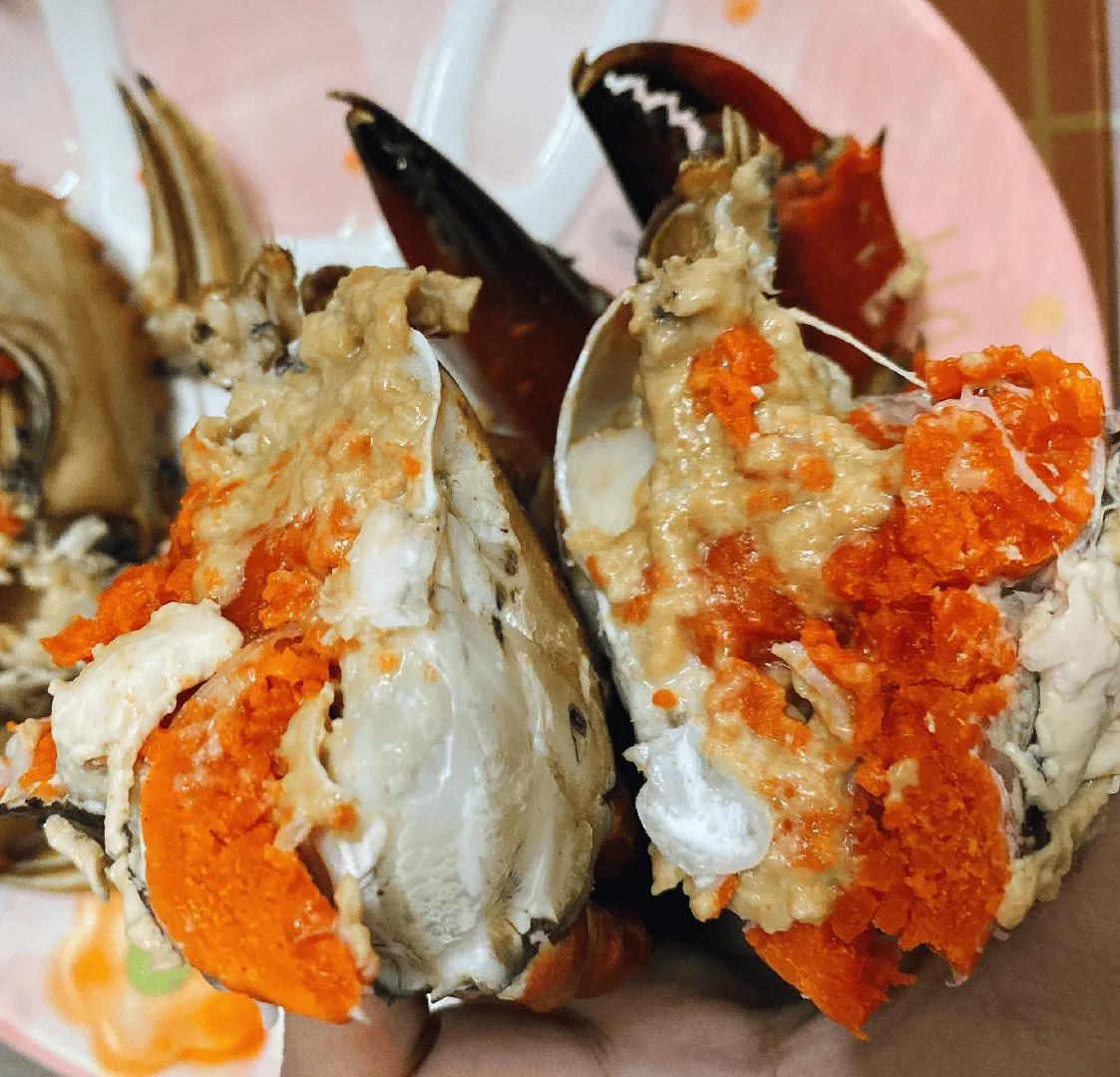
Ca Mau Roe Mud Crab
Ca Mau Roe Mud Crab
A female mud crab known for deep orange roe and a rich, creamy finish, often featured in celebratory Southern Vietnamese seafood meals.
A crimson treasure hidden within a shell, boasting rich, creamy roe that melts on your tongue like a golden sunset over the delta.
2 Ingredients: The Symphony of Simplicity
The Core Elements
- Mud Crab: About 500-700g, live if possible. The sweet, firm meat is key.
- Pumpkin: 300-400g, peeled, seeded, and cut into bite-sized cubes. Choose a firm, sweet variety like Kabocha or Butternut.
- Lotus Seeds: 50g, dried. Soak them in warm water for at least 1 hour (or overnight if very hard) to soften. If using fresh, just rinse.
The Flavor Base & Enhancements
- Shallots: 2-3 cloves, finely minced.
- Garlic: 2-3 cloves, finely minced.
- Fish Sauce (Nuoc Mam): 2-3 tablespoons, to taste. Vietnamese fish sauce is essential for authentic umami.
- Water or Chicken Broth: 500-700ml, enough to cover ingredients.
- Black Pepper: Freshly ground, to finish.
- Fresh Dill or Scallions: For garnish.
- Optional: A pinch of sugar to balance flavors if needed.
3 The Gentle Art of Slow Cooking
Prep Your Foundation
If using live crab, humanely dispatch it (e.g., brief freeze or swift chop). Clean and cut the crab into manageable pieces. Rinse the soaked lotus seeds and cut the pumpkin into roughly 2cm cubes.
Build the Flavor Base
In a heavy-bottomed pot or Dutch oven, heat a tablespoon of neutral oil (like vegetable or canola) over medium heat. Sauté the minced shallots and garlic until fragrant and softened, about 2-3 minutes.
The Gentle Simmer
Add the crab pieces, pumpkin cubes, and soaked lotus seeds to the pot. Pour in the water or broth. Stir in the fish sauce and a pinch of sugar if using. Bring to a boil, then reduce heat to low, cover, and simmer gently for 30-45 minutes, or until the pumpkin is tender and the crab is cooked through.
Rest and Serve
Once cooked, let the stew rest off the heat for about 10 minutes. This allows the flavors to meld beautifully. Taste and adjust seasoning if necessary with more fish sauce or pepper. Ladle into bowls, garnish generously with fresh dill or scallions and a grind of black pepper.
Serving Suggestions: A Delta Feast
This stew is often enjoyed as a complete meal, but in the Mekong Delta, it's part of a larger family experience.
Rice Companion
A bowl of steamed white rice (com) is almost mandatory to soak up the delicious broth.
Verdant Greens
A side of lightly blanched or stir-fried water spinach (rau muong) or mustard greens adds freshness.
Freshness from the River
Sometimes, this stew is served alongside a platter of fresh, raw shrimp or thinly sliced fish, embracing the "raw to cooked" spectrum of delta dining.
Heritage Ingredient
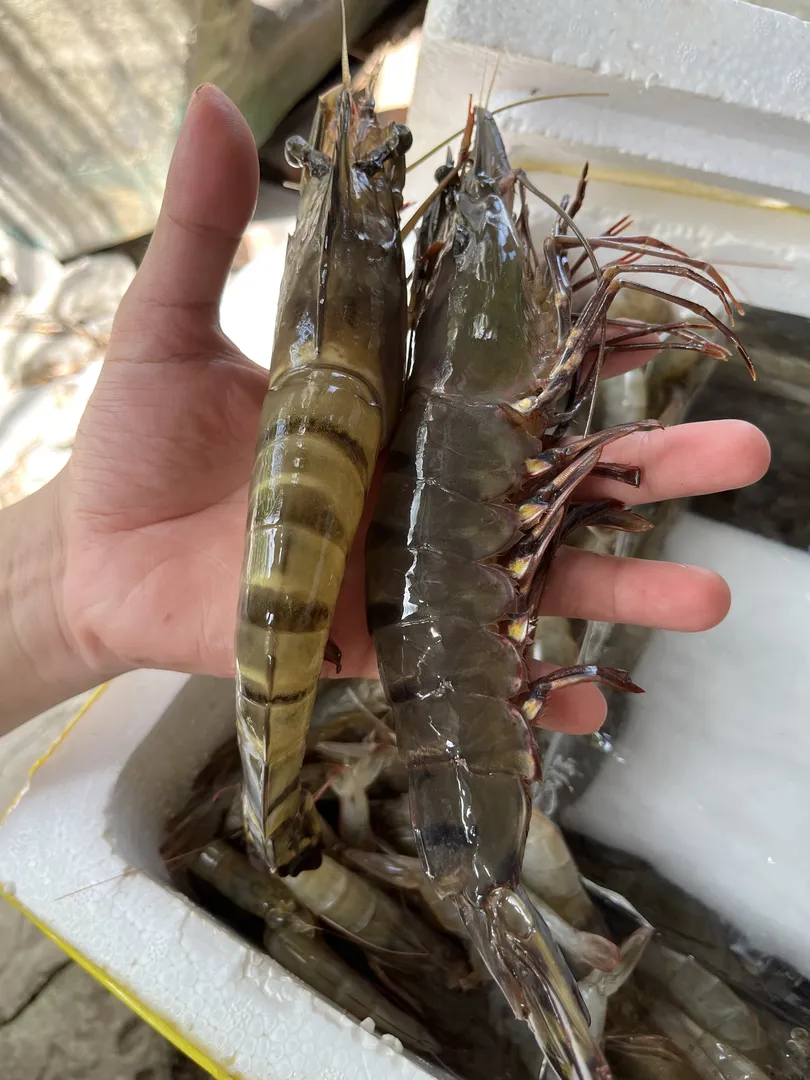
Ca Mau Black Tiger Shrimp
Ca Mau Black Tiger Shrimp
Large black tiger shrimp associated with mangrove aquaculture in Ca Mau, known for firm flesh and a cleaner, sweeter finish than intensively farmed shrimp.
Wild spirits of the mangroves, these black-banded gems deliver a firm, snappy texture and a sweetness that echoes the forest's vibrant life.
5 A Bowl for Every Generation
The true beauty of this dish lies in its universal appeal. The sweetness of the pumpkin and the tender crab meat make it incredibly palatable for young children. The slow-cooked nature and the nutritional density provide gentle sustenance for the elderly. It’s a dish that bridges age gaps, bringing families together around the table with a shared, wholesome experience. This isn't just about calories; it's about bioavailability and ease of digestion, crucial for those whose bodies need a little more care.
In many Mekong homes, this stew is a weekly ritual, a way to ensure everyone is eating well, drawing strength and comfort from the very land and water that sustains them.
6 From Ca Mau's Shores
When we speak of crabs in Vietnam, especially those destined for the finest kitchens, the name Ca Mau inevitably arises. This southern province, the "kingdom" of Vietnam's mangroves and wetlands, is a primary source of the prized mud crab. The unique environment—a blend of freshwater rivers and saltwater intrusions—imparts a distinct sweetness and firm texture to the crab meat, particularly the Jumbo Mud Crab varieties known for their substantial claws and meaty bodies.
While this stew can be made with any good quality crab, using a crab from Ca Mau, if available, elevates the dish. It's a direct connection to the wild bounty of the delta, a taste of the very ecosystem that has shaped Vietnamese culinary heritage for centuries. The slight brininess and clean, sweet flavor profile of a Ca Mau crab are perfectly complemented by the earthy pumpkin and subtle sweetness of the lotus seeds, creating a harmonious and deeply satisfying experience.
7 A Whisper of Change
While the classic recipe is a treasure, the spirit of Vietnamese home cooking is one of adaptation. Here are a few ways families might subtly alter this dish:
- Adding Shrimp: For an extra layer of oceanic flavor and texture, a handful of peeled, deveined shrimp can be added in the last 10-15 minutes of simmering.
- Aromatic Herbs: Some cooks might add a few bruised kaffir lime leaves to the simmering liquid for an extra citrusy aroma.
- The Rice Whisper: A small amount of glutinous rice, pre-soaked, can be added to the stew towards the end of cooking. This will thicken the broth and make it even more hearty, turning it into a true congee-like meal.
- Spicy Kick: While traditionally mild, a small bird's eye chili, sliced, can be added for those who enjoy a touch of heat.
8 The Unseen Ingredient: Patience
The term "slow-cooked" is central to this dish's charm. It's not about rushing the process. It's about allowing the crab's sweetness to infuse the broth, the pumpkin to soften and release its comforting starch, and the lotus seeds to become tender, almost creamy. This isn't a quick weeknight fix; it's a dish that asks for your time, your presence, and your intention.
The gentle simmering is where the magic happens. It transforms simple ingredients into a cohesive, nourishing whole. It respects the integrity of each component while coaxing out their best qualities. In the bustling, fast-paced modern world, embracing this kind of patient cooking is an act of love, especially for those we care about most.
Discover More:
Nourishing Meals from the Delta
View More Food & Culinary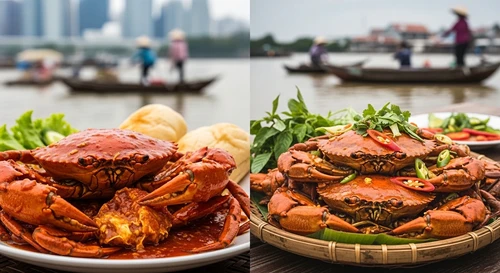
Singaporean Chili Crab vs. Vietnamese Tamarind Crab: A Flavor Showdown
Comparing two of Southeast Asia's most iconic crab dishes. Which flavor profile suits your palate better?
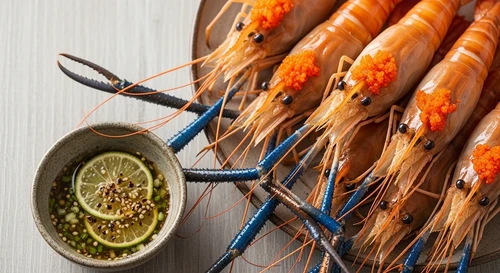
Giant River Prawns Steamed in Coconut Water with Lime-Pepper Dip
The bright orange head-roe dripping into the sweet tail meat. A luxurious display of Vietnam's finest river bounty.
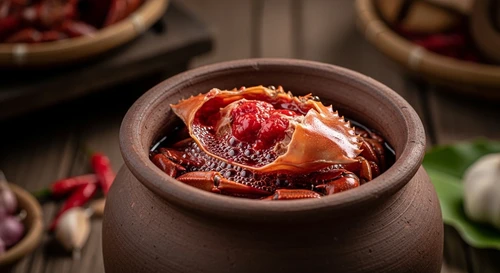
How to Tell When Fermented Crab is 'Ripe' and Ready to Eat
Patience is key. Look for a softened underbelly, a fragrant fermented aroma, and a deep reddish hue after 7-10 days.
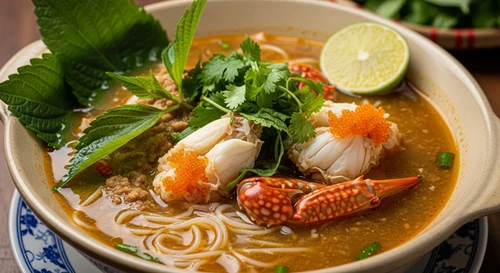
Crab Noodle Soup with Fermented Rice Paste (Me)
A Northern Vietnamese broth made from blended mud crab and fermented rice paste (Me), offering a gentle sourness.
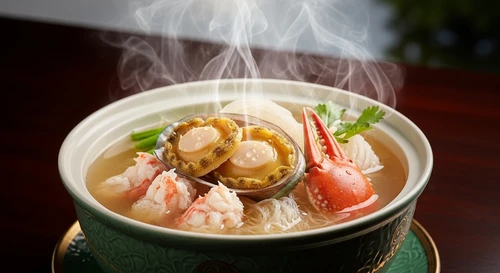
Ultimate Crab, Abalone & Bird's Nest Soup
A combination of the ocean's three most expensive ingredients, providing unparalleled vitality recovery for patients.
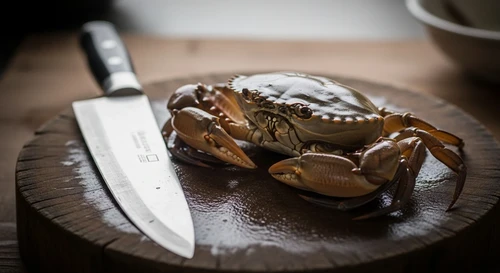
How to Humanely Dispatch a Crab Before Cooking
A quick thrust with a knife or scissors to the nerve center. A guide to humane and safe seafood preparation.
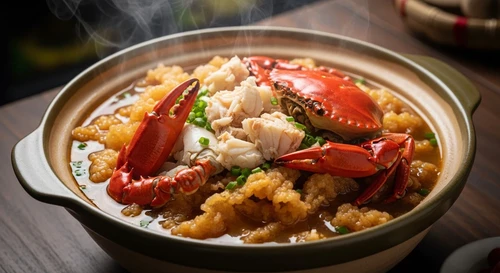
Cho Lon Fish Maw & Crab Soup
The legendary soup of Saigon's Chinatown, featuring spongy, crispy fish maw and massive lumps of crab meat.
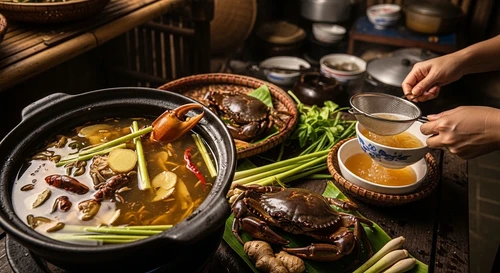
Can You Use Crab Boiling Water for Soup?
Answering the age-old question: Is the leftover water from boiling mud crabs too salty, or is it the perfect soup base?
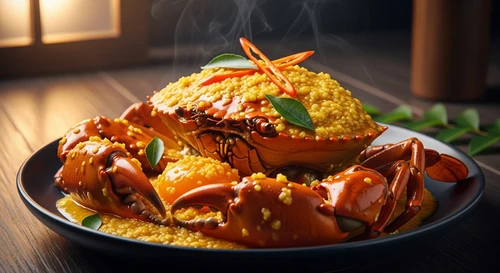
Salted Egg Yolk Crab: The Creamy Trend Taking Over Asia
How to make the rich, buttery, and savory salted egg yolk sauce that coats fresh deep-fried mud crabs.