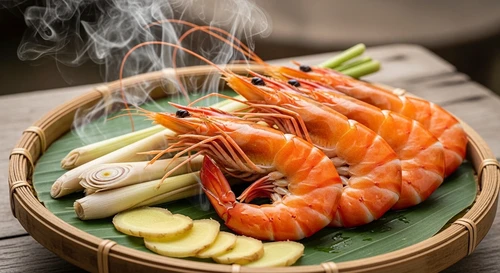
" There's a magic that happens in earthenware jars, a slow dance between salt, spice, and the wild spirit of the Mekong. It’s a transformation that demands respect, and more importantly, patience. "
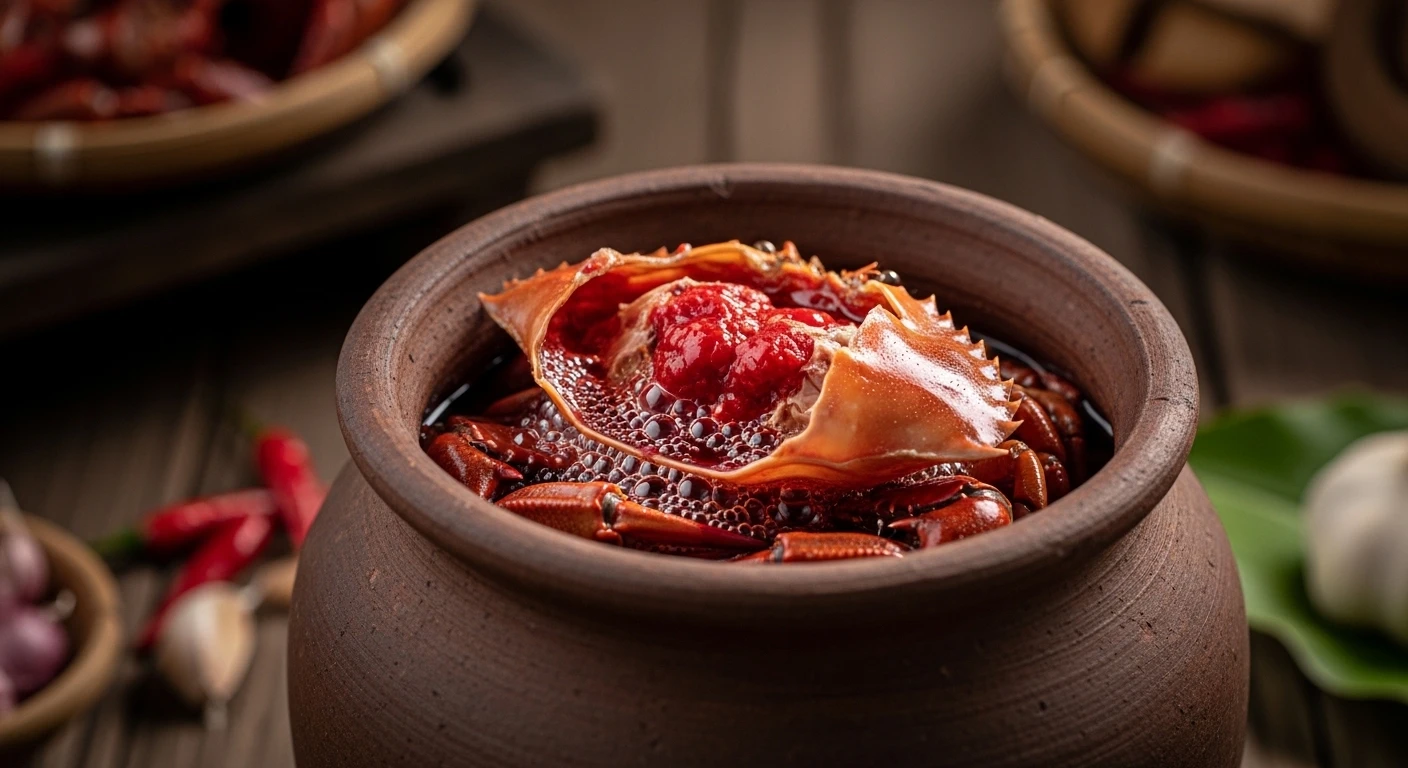
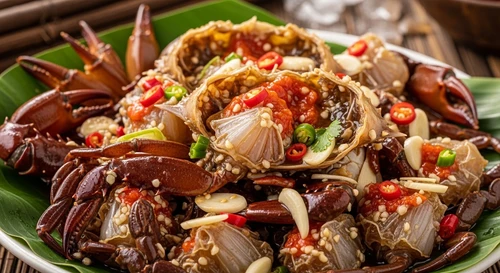
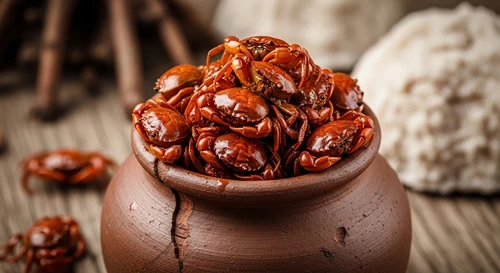
📸 The visual cues of a well-fermented crab.
1 The Soul of the Mekong: Our Crab Canvas
Before we talk fermentation, let's talk about the source. The Mekong Delta, particularly the mangrove-rich regions like Ca Mau, is a treasure trove of incredible seafood. It's here that the magic truly begins. We're talking about crabs that have been nourished by the rich estuaries, carrying a unique sweetness and robust texture that forms the perfect base for fermentation.
Ca Mau Mud Crab
These crabs are the workhorses of our delta kitchens. Known for their dense meat and rich flavor, they stand up beautifully to the salt and time involved in fermentation.
Heritage Ingredient
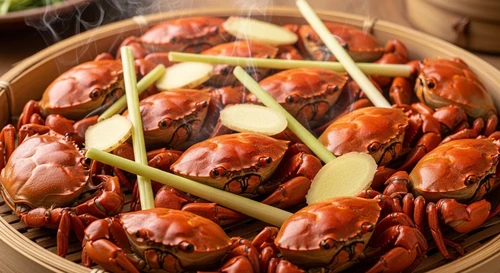
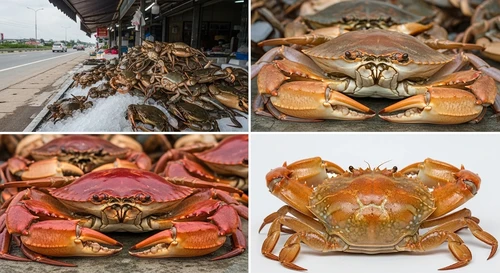
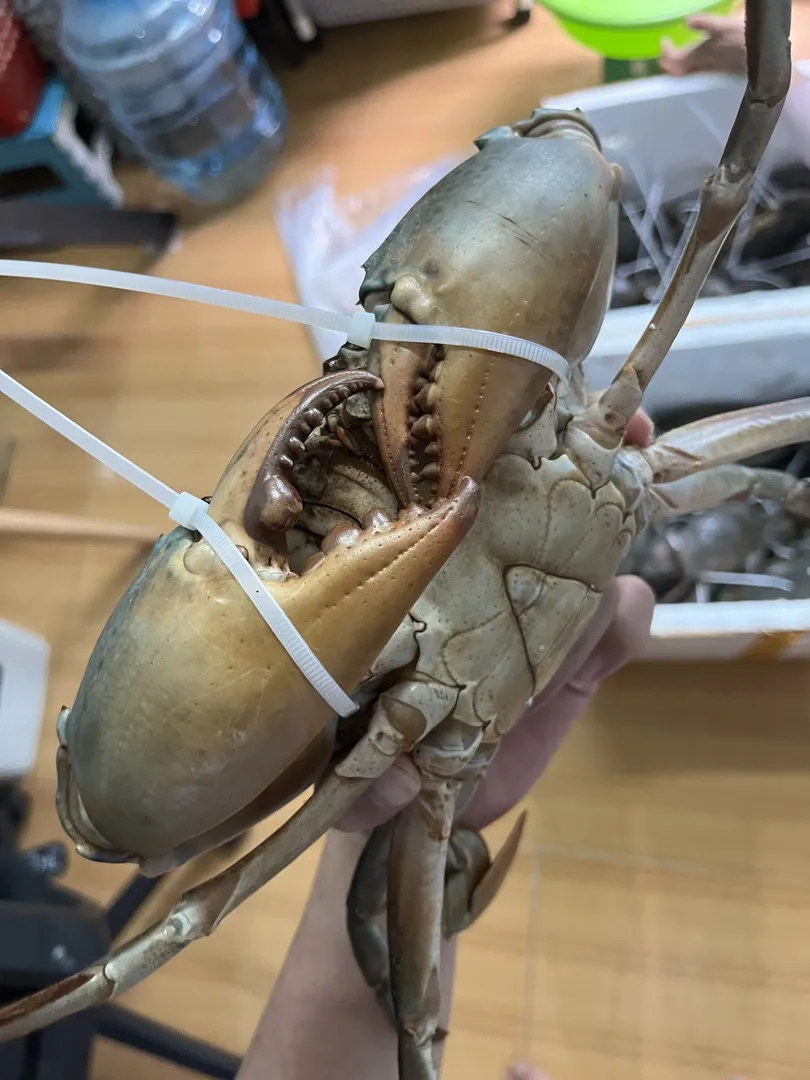
Ca Mau Jumbo Mud Crab
Ca Mau Jumbo Mud Crab
A large male mud crab prized for dense, sweet meat and thick claws, commonly used in steamed crab and grilled crab dishes across the Mekong Delta.
An icon of coastal culinary heritage, featuring firm, sweet meat that captures the raw power and freshness of Ca Mau's tides.
The Ba Khia Difference
While larger mud crabs can be fermented, the traditional choice for many iconic Mekong dishes is the smaller, more intensely flavored 'ba khia' – a type of mangrove crab. This is the crab we often refer to when discussing truly authentic fermented crab preparations from regions like Rach Goc.
Heritage Ingredient
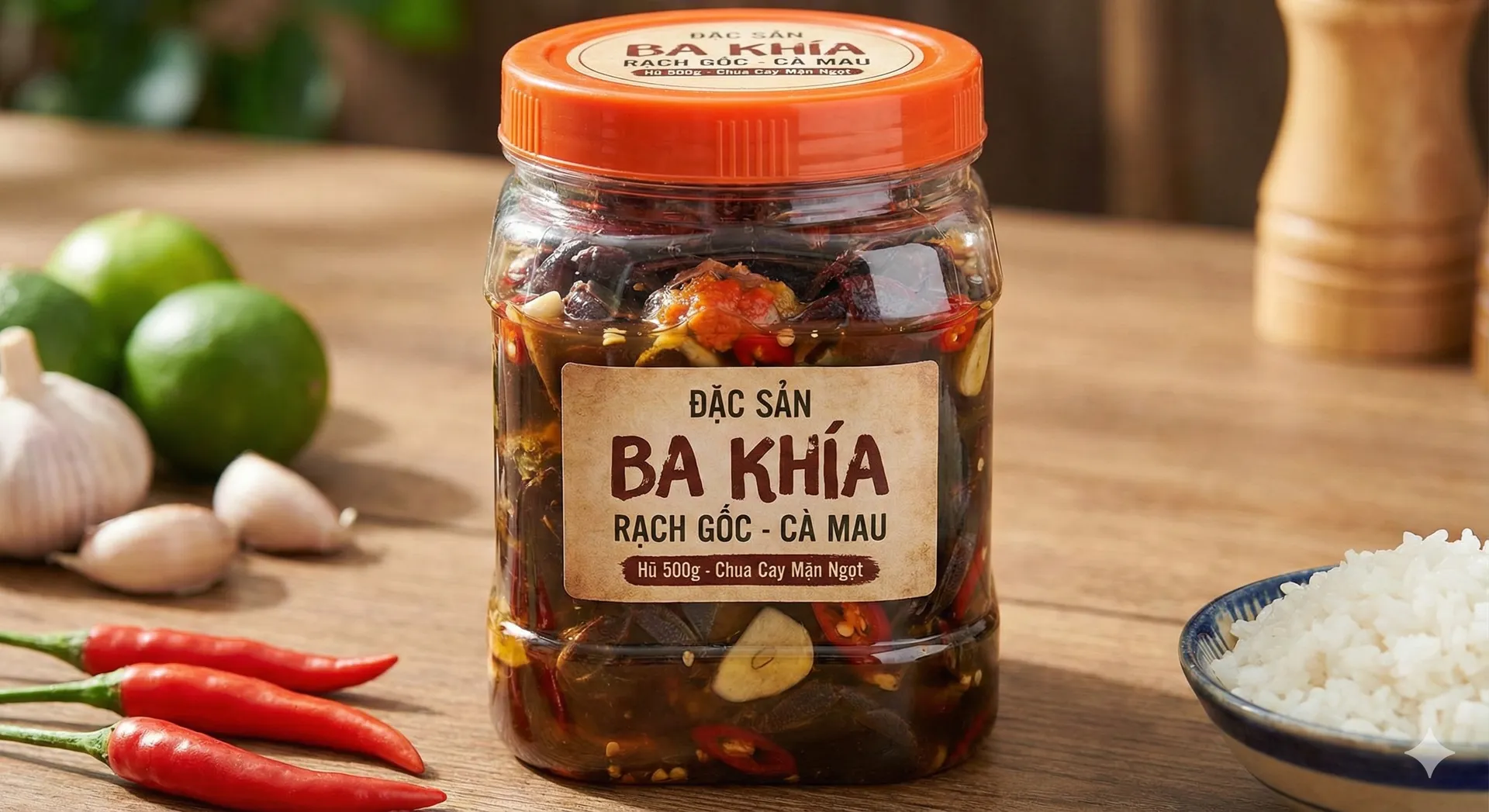
Fermented Mangrove Crab (Ba Khia)
Fermented Mangrove Crab (Ba Khia)
A traditional fermented crab specialty from the mangrove region of Rach Goc, often cited in articles about rustic Mekong Delta flavors and preserved seafood culture.
The salty-sour heartbeat of the wild south, where traditional fermentation turns forest crabs into a nostalgic explosion of rustic Mekong soul.
The choice of crab isn't just about size; it’s about the character it brings to the fermented dish. The wilder, the better.
2 The Unspoken Rule: Patience is Paramount
This is where many Western palates might falter. We are accustomed to instant gratification. But fermented foods, especially those as nuanced as crab, are a testament to the old ways. Rushing the process is the quickest way to culinary disappointment.
Typical Timeline
- Minimum: 7 days. This is the absolute earliest you might consider tasting. It will be very salty and sharp.
- Ideal: 10-14 days. This is often the sweet spot where the flavors have melded beautifully.
- Extended: Up to 30 days or more. Some very traditional preparations can go longer, developing deeper, more complex umami notes.
The exact time depends on ambient temperature, the salinity of the brine, the size of the crab, and the specific family recipe. There's no single perfect answer, only the signs you learn to read.
3 Decoding the "Ripe" Crab
The Visual Transformation: Color and Shell
The most obvious clue is the shell. A fresh crab is usually a duller green or brown. As it ferments, the shell will deepen to a rich, almost opaque reddish-brown or dark crimson. The shell itself will also start to soften slightly. You can gently press the underside (the belly flap) – it should yield slightly, not be rock hard. If the shell is still bright and glossy, it’s too early.
The Aromatic Symphony: Smell Test
This is crucial. A truly ready fermented crab should have a potent, unmistakably *fermented* aroma. It's pungent, salty, and deeply savory, with a hint of the original crab's sweetness. It should NOT smell rotten or overwhelmingly ammoniac. Think of the complex aroma of aged cheese or fine soy sauce – that's the direction you're aiming for. If it smells purely of raw, slightly decaying seafood, it needs more time.
Texture and Taste: The Final Verdict
The ultimate test is a small tasting. The meat should be firm but tender, easily flaking from the shell. The flavor should be an explosion of salty, sour, and umami. The sweetness of the original crab should still be present, but transformed. If it's mushy or just overwhelmingly salty, it needs more time or perhaps a slightly different brine balance. If it’s too tough and dry, it may have fermented too long or dried out.
More Than Just Food: A Mekong Tradition
In the Mekong Delta, fermentation is not just a preservation technique; it’s a way of life. It’s how coastal and riverine communities have historically preserved their bountiful harvests, transforming simple ingredients into complex, long-lasting delicacies. Fermented crab, or 'mắm cua', is a cornerstone of this tradition.
Resourcefulness
Utilizing every catch, even smaller crabs, through fermentation.
Flavor Evolution
Developing unique, pungent profiles that cannot be achieved through fresh cooking.
Generational Recipes
Passed down through families, each with subtle variations.
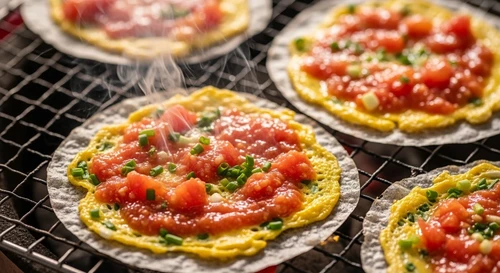
Fermented crab is often served as a condiment or dipping sauce with plain rice, boiled pork, fresh herbs, or in dishes like 'Banh Xeo' or 'Bun Mam'.
Pitfalls of the Impatient Chef
❌ Using the wrong salt
🌡️ Ignoring temperature
💧 Contamination
4 The Payoff: Serving Your Masterpiece
Once your fermented crab has reached that perfect stage, the real enjoyment begins. It's a flavor enhancer, a pungent jewel in the crown of a simple meal.
Classic Pairings:
- Plain Rice: The most traditional and arguably best way to appreciate the pure flavor.
- Boiled Pork Belly: The richness of pork cuts through the saltiness of the crab.
- Fresh Herbs: Mint, basil, cilantro – their freshness balances the intensity.
- Fresh Vegetables: Sliced cucumber, jicama, or green papaya offer a refreshing crunch.
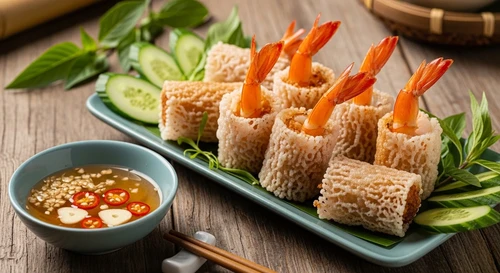
- Rice Paper Rolls: Wrap rice, pork, herbs, and a dab of fermented crab for a flavor explosion.
5 A Taste of the Delta's Soul
Understanding when fermented crab is ready is more than just a culinary skill; it's a connection to the heritage of the Mekong Delta. It speaks of a time when food preservation was essential for survival and celebrated for the complex flavors it could create. It’s a way to taste the very essence of the region – the brackish waters, the fertile soil, and the ingenuity of its people.
So, the next time you encounter a jar of 'mắm cua', remember the journey it has taken. Appreciate the time, the care, and the transformation. And when you finally take that bite, you’re not just eating crab; you’re tasting the soul of the Mekong.
Craving More Delta Flavors?
Explore other essential Mekong Delta tastes and traditions that will transport you straight to the riverbanks.
✨ Discover Delta Recipes