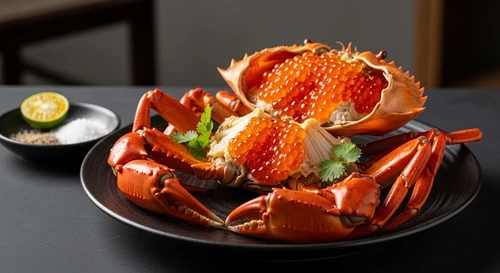
1 The Mekong's Sweet, Salty Embrace
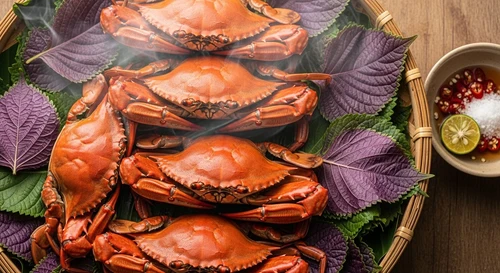
The Mekong Delta is a universe of water, a sprawling labyrinth where life flows with the rhythm of the tides. Here, the bounty of the brackish waters is a way of life, a constant, vibrant pulse. And few gifts from this watery realm are as prized as the mud crab. From the vast aquaculture ponds of Ca Mau to the mangrove-lined estuaries further south, these crustaceans are the muscle and soul of many a Southern Vietnamese feast.
2 Pandan: Nature's Deodorizer, Chef's Best Friend
Now, let's talk about the unsung hero of this dish: the humble pandan leaf. For many in the West, pandan is primarily known as that fragrant green extract used in desserts. But in Southeast Asian kitchens, it's a true workhorse. Its leaves, when bruised or heated, release a captivating aroma that's a delicate blend of vanilla, almond, and yes, sticky rice. It’s a scent that transports you.
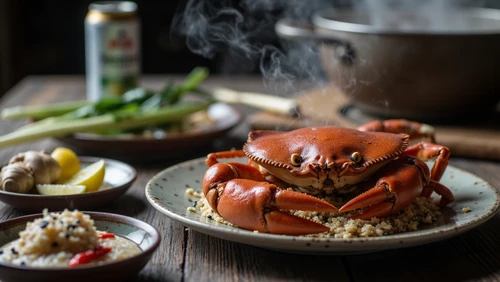
The magic happens in the steamer. Laying a few fresh, bruised pandan leaves at the bottom, nestled beneath the crab, is a culinary trick as old as time. It's not just about adding a pleasant fragrance; it’s about **odor elimination**. Seafood, especially crabs and shellfish, can sometimes carry a strong, briny odor. The complex volatile compounds in pandan leaf bind with the amines responsible for these "fishy" smells, effectively neutralizing them. The result? A steaming pot that fills your kitchen not with the overwhelming smell of the sea, but with a subtle, sweet, almost tropical perfume. It's cleaner, more elegant, and lets the natural sweetness of the crab shine through without compromise.
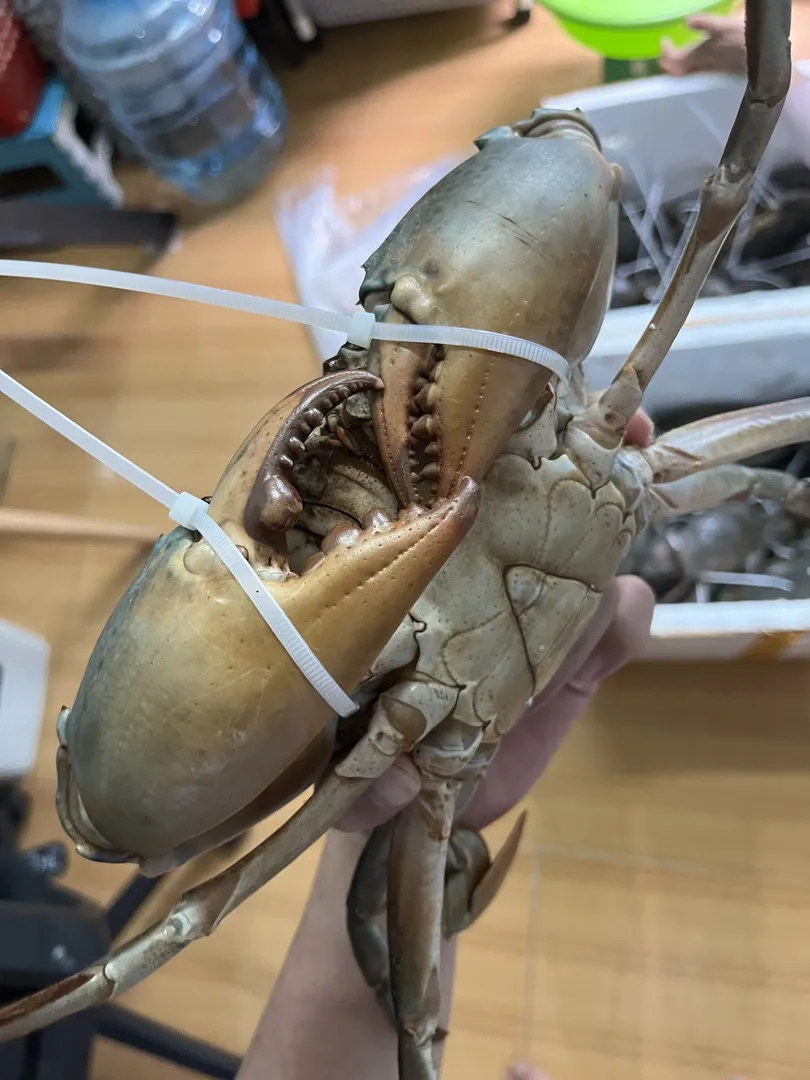
Heritage Ingredient
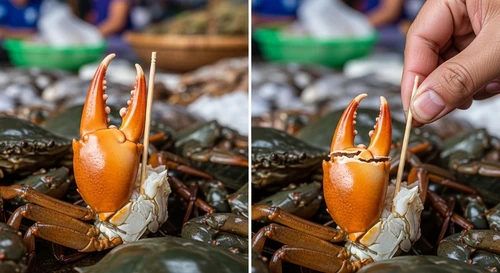
Ca Mau Jumbo Mud Crab
Ca Mau Jumbo Mud Crab
A large male mud crab prized for dense, sweet meat and thick claws, commonly used in steamed crab and grilled crab dishes across the Mekong Delta.
An icon of coastal culinary heritage, featuring firm, sweet meat that captures the raw power and freshness of Ca Mau's tides.
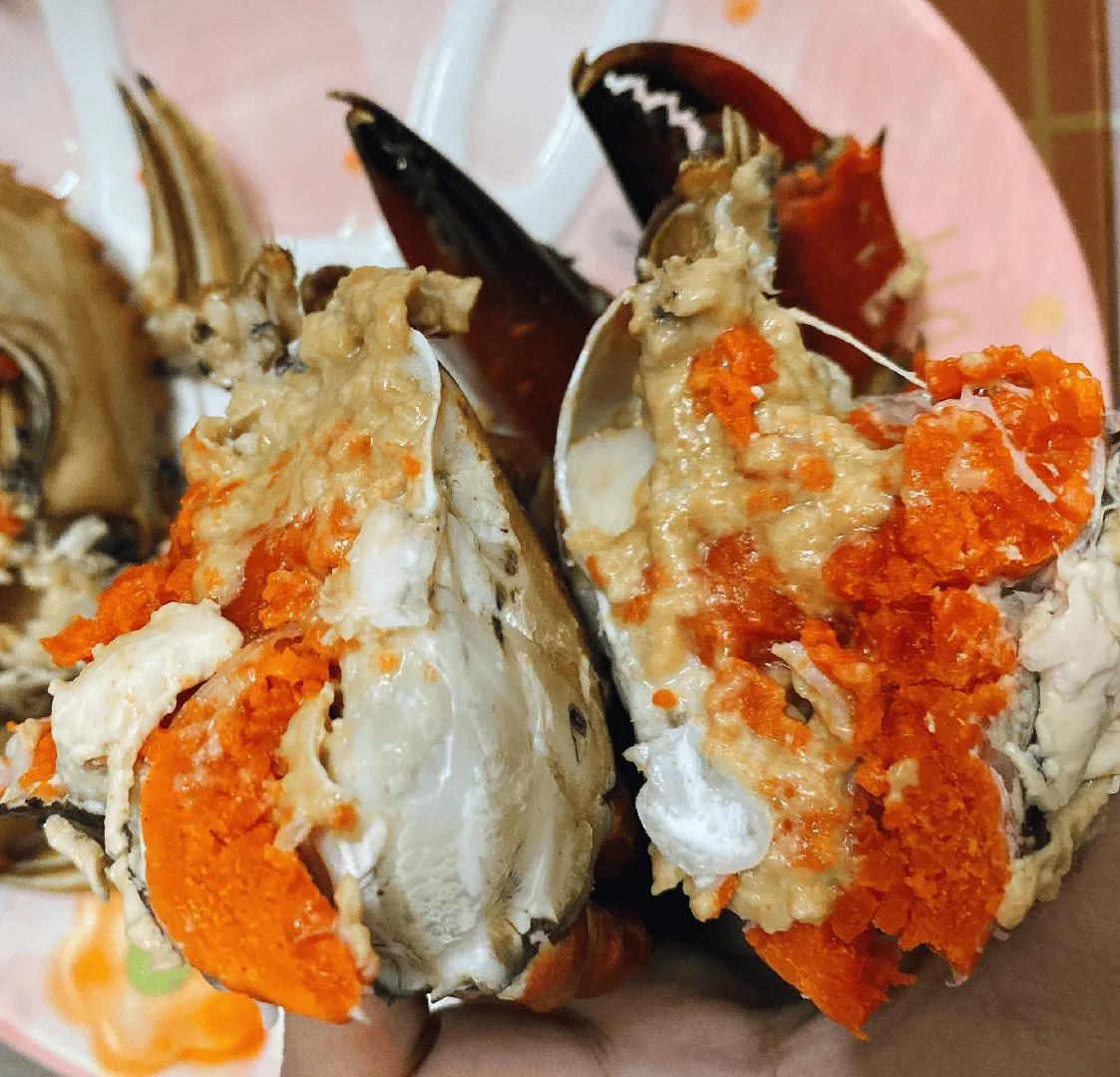
Heritage Ingredient
Ca Mau Roe Mud Crab
Ca Mau Roe Mud Crab
A female mud crab known for deep orange roe and a rich, creamy finish, often featured in celebratory Southern Vietnamese seafood meals.
A crimson treasure hidden within a shell, boasting rich, creamy roe that melts on your tongue like a golden sunset over the delta.
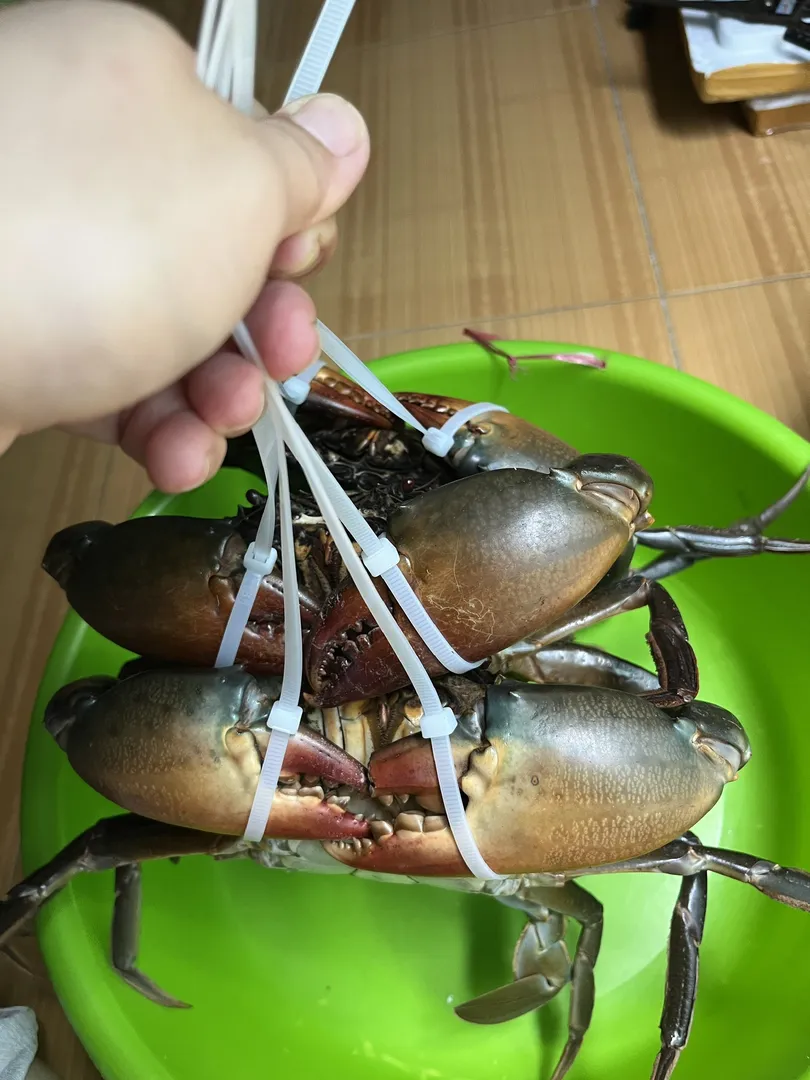
Heritage Ingredient
Giant Ca Mau Mud Crab
Giant Ca Mau Mud Crab
A larger export-grade mud crab with dramatic claws and thick meat, often used to illustrate oversized crab categories in Vietnamese seafood markets.
A titan of the ocean, offering colossal claws filled with muscular, succulent meat that elevates every feast into a royal experience.
3 The Purest Ingredients: Less is Definitely More
This is not a dish where you'll find a long list of exotic spices or complex marinades. The beauty of pandan-steamed mud crab lies in its elegant simplicity. It’s about letting the quality of the main event, the crab itself, take center stage.
The Star of the Show
- Live Mud Crab: This is non-negotiable. For steaming, the crab must be alive, wriggling, and full of life. Frozen crab will not yield the same succulent texture or sweet flavor. Aim for a crab that feels heavy for its size. Mud crabs from Ca Mau, known for their dense meat and sweet flavor, are ideal.
The Fragrant Foundation
- Fresh Pandan Leaves: About 5-7 large leaves. Ensure they are fresh and green.
- Aromatics (Optional but Recommended): A few slices of ginger or kaffir lime leaves can complement the pandan beautifully.
4 The Gentle Steam: Respecting the Crustacean
This method is deceptively simple, but like many great dishes from the Mekong Delta, it’s about respecting the ingredient and the process. It’s an almost meditative act.
Prepare the Pandan Bed
Take your pandan leaves and gently bruise them by rolling them between your hands or lightly pounding them with a mortar and pestle. This releases their fragrant oils. Arrange these bruised leaves at the bottom of your steamer pot. If using ginger or lime leaves, add them here too.
Prepare the Crab
Ensure your crab is alive and healthy. Clean it gently under cold running water. Some chefs may choose to dispatch the crab humanely before steaming (e.g., by placing it in the freezer for a short period or a quick pierce to the heart), but the key is that it should be fresh and lively before it goes into the steamer. Place the crab on top of the pandan leaves.
The Steaming Process
Add just enough water to the bottom of the pot so it won't dry out during steaming. Place your steamer rack with the crab over the pandan leaves. Cover tightly and bring to a boil over medium-high heat. Steam for approximately 12-20 minutes, depending on the size of the crab. The shell will turn a vibrant orange-red when cooked through. Resist the urge to overcook, which can make the meat tough.
5 The Perfect Partner: A Dip That Sings
A dish this pure demands a dipping sauce that complements, rather than overpowers. In the Mekong Delta, simplicity often reigns supreme.
Classic Lime-Salt Dip
- Freshly Squeezed Lime Juice: The brighter, the better.
- Sea Salt: A pinch or two.
- White Pepper: Freshly ground, if possible.
- Optional: Thin slices of bird's eye chili for a touch of heat, or a small clove of minced garlic.
Mix well until the salt is dissolved. The acidity and saltiness cut through the richness of the crab meat beautifully.
The "Sea Breeze" Dip
- Fish Sauce (Nuoc Mam): Use a good quality, fragrant fish sauce.
- Lime Juice: To balance the saltiness.
- Sugar: A tiny pinch to round out the flavors.
- Chili & Garlic: Finely minced.
A more savory option, reminiscent of many Vietnamese dipping sauces, but lighter and brighter to suit the steamed crab.
6 Tasting the Delta: A Symphony of Sweetness
The moment of truth. You crack open the shell, revealing the pristine, pearly white meat. The aroma is subtle, clean, with that delicate whisper of pandan. Dip a piece into the lime-salt mixture and take a bite. The meat is tender, succulent, with a natural sweetness that speaks of clean waters and healthy living. The pandan has done its job, leaving no trace of anything but pure, unadulterated crab flavor. It's a taste of the Mekong – simple, honest, and utterly unforgettable. It’s a reminder that sometimes, the greatest culinary achievements are born from the fewest, best ingredients.
7 The Science Behind the Scent: Pandan's Olfactory Magic
It might seem like culinary folklore, but there's a sound scientific basis for using pandan leaves to neutralize seafood odors. The characteristic "fishy" smell in seafood is largely due to compounds like trimethylamine (TMA), a byproduct of bacterial decomposition. These volatile amines are what our noses detect. Pandan leaves contain a complex array of aromatic compounds, most notably 2-acetyl-1-pyrroline, the same compound that gives basmati rice its distinctive aroma.
When pandan leaves are heated, these aromatic compounds are released. Scientists have found that these molecules can interact with and bind to the volatile amines responsible for fishy odors. This process, known as **molecular complexation**, effectively traps the odor molecules, preventing them from reaching our olfactory receptors. The result is that the pungent smell is significantly reduced, or even eliminated, replaced by the pleasant, slightly sweet fragrance of pandan. It’s a natural, effective, and aromatically delightful way to enhance the experience of eating fresh seafood.
8 Connecting Continents: Bringing the Delta's Bounty Home
The Mekong Delta, with its rich biodiversity and dedicated aquaculture practices, is the heartland for some of the world's finest mud crabs. While the journey from the muddy waterways of Ca Mau to your kitchen might seem vast, the principles of preparing this pandan-steamed crab are universal. It’s about seeking out the freshest possible crab, respecting its natural flavor, and employing simple, effective techniques to enhance its inherent qualities.
This recipe is more than just a way to cook crab; it’s a gateway to understanding the culinary philosophy of Southern Vietnam – one that values freshness, simplicity, and the subtle power of aromatics. It’s a taste of home for those who grew up with the scent of pandan mingling with the sea breeze, and an invitation for everyone else to discover this fragrant, flavor-preserving secret.