" In the heart of the Mekong Delta, where lifeblood flows through a labyrinth of rivers and canals, nothing is truly wasted. Especially not the mighty lobster head. "

📸 A bowl of pure comfort and nourishment.
1 The Mekong Philosophy: Zero Waste, Maximum Flavor
Life in the Mekong Delta is intimately tied to the rhythm of the seasons and the bounty of its waters. For generations, families have mastered the art of making every part of a catch count. This philosophy extends far beyond simple thriftiness; it's a deep respect for nature's offerings. The substantial head of a crustacean, often discarded in Western kitchens, is here a treasure trove of flavor and nutrients.
This clay pot porridge, or "Chao Dau Xanh Dau Tom Hum," is a testament to that. It transforms what could be considered a byproduct into the star of a deeply restorative, incredibly rich, and profoundly comforting meal. Imagine the sweet essence of lobster, coaxed out slowly and harmoniously blended with earthy mung beans and the subtle nuttiness of toasted rice. It's a dish that heals from the inside out.
2 Beyond the Tail: Unlocking the Lobster Head's Secrets
When we talk about "Alaska Lobster Head," it's important to understand that while the origin might be different, the culinary spirit of the Mekong is universal. The magic lies not in the name of the lobster, but in the *principle* of utilizing its most flavorful parts. A lobster head, especially a large one, is packed with rich tomalley (the digestive gland), fat reserves, and the concentrated essence of the sea. These elements are precisely what make this porridge so luxurious.
This isn't just about broth; it's about extracting a deep, umami-rich foundation. The delicate meat around the antennae and cheeks also adds texture and bursts of sweetness. When simmered for hours in a clay pot, these flavors meld beautifully, creating a porridge that is miles away from its watery, bland cousins.
3 The Humble Heroes: Ingredients for Restoration
The Star Power
- Lobster Head(s): From one large Alaska lobster or two smaller ones. Ensure they are thoroughly cleaned.
- Mung Beans: Small, dried split mung beans (dhall). Rinsed well. These break down to create creaminess and a delicate sweetness.
- Toasted Rice Powder: Made by dry-toasting uncooked glutinous rice until golden brown, then grinding into a fine powder. This adds a subtle nutty aroma and helps thicken the porridge.
The Supporting Cast
- Aromatics: Ginger (sliced), garlic (minced or smashed), shallots (sliced).
- Seasoning: Fish sauce, salt, white pepper.
- Garnish: Fresh cilantro, spring onions, fried shallots, a drizzle of sesame oil.
- Liquid: Water or light seafood broth.
4 The Clay Pot's Embrace: A Mekong Tradition
The clay pot is more than just cookware in Vietnam; it's an institution. Its porous nature and excellent heat retention allow for slow, even cooking. This is crucial for coaxing out the deep, complex flavors from ingredients like lobster heads without scorching. The gentle, consistent heat transforms humble ingredients into something extraordinary. In the Mekong Delta, clay pots are used for everything from simmering rich stews to cooking delicate rice porridges, embodying the region's patient, soulful approach to food.
A Glimpse of Delta Seafood Richness:
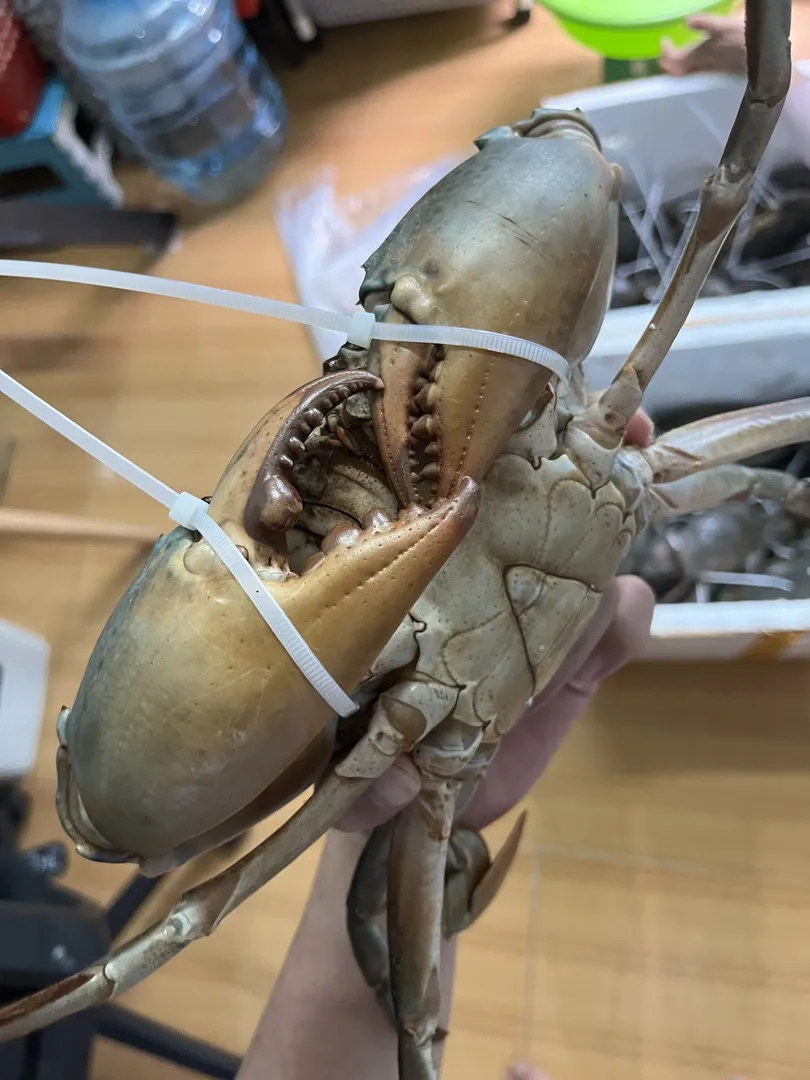
Heritage Ingredient
Ca Mau Jumbo Mud Crab
Ca Mau Jumbo Mud Crab
A large male mud crab prized for dense, sweet meat and thick claws, commonly used in steamed crab and grilled crab dishes across the Mekong Delta.
An icon of coastal culinary heritage, featuring firm, sweet meat that captures the raw power and freshness of Ca Mau's tides.
5 From Head to Humble Bowl: The Cooking Ritual
Prepare the Lobster Head
Thoroughly wash the lobster heads. If they have roe (orange matter), reserve it – it adds incredible richness. You can chop the heads into a few pieces to expose more surface area.
Toast the Rice
In a dry pan over medium-low heat, toast uncooked glutinous rice until it's fragrant and light golden brown. Let it cool, then grind into a fine powder. Set aside.
Build the Base
In your clay pot, sauté minced garlic and sliced shallots until fragrant. Add the prepared lobster heads and any reserved roe. Sear them for a few minutes, stirring to coat with aromatics.
Simmer & Infuse
Add the rinsed mung beans, sliced ginger, water (or broth), and a splash of fish sauce. Bring to a gentle simmer, then reduce heat, cover, and cook for at least 1 to 1.5 hours, or until the mung beans have broken down and the lobster flavor has infused the liquid.
Thicken and Season
Once the beans are soft, stir in the toasted rice powder, a little at a time, until the porridge reaches your desired consistency. Season with salt and white pepper to taste. The goal is a rich, savory, and slightly sweet profile.
Serve with Love
Ladle the piping hot porridge into bowls. Garnish generously with fresh cilantro, chopped spring onions, crispy fried shallots, and a final flourish of white pepper and a drizzle of toasted sesame oil. A little chili oil for those who crave heat.
6 Beyond the Plate: Health and Harmony
This dish is a power-packed nutritional bomb. Mung beans are a great source of plant-based protein, fiber, and essential vitamins and minerals. Lobster provides lean protein and a wealth of micronutrients. The slow cooking process makes everything incredibly digestible, perfect for recovery, the elderly, or anyone seeking a truly nourishing meal. It's not just food; it's medicine from the earth and sea, prepared with ancient wisdom.
Another Mekong Gem:

Heritage Ingredient
Mekong Giant Freshwater Prawn
Mekong Giant Freshwater Prawn
A river prawn with long blue claws and rich head fat, common in grilled prawn dishes and hotpot traditions across the Mekong basin.
Majestic blue-clawed warriors of the Mekong, famous for their rich, fatty heads and a savory depth that captures the essence of the delta's rivers.
7 Whispers from the Riverbank: Expert Tips
The Foundation is Key
Don't rush the simmering process. The longer the lobster head and mung beans cook, the richer and more flavorful the broth will become. Use low, steady heat.
Texture is Everything
The toasted rice powder is crucial for that signature slightly thick, velvety texture. Add it gradually to avoid lumps and achieve perfect consistency. Adjust based on your preference.
Quality of Ingredients
While this recipe celebrates using every part, starting with a good quality, fresh lobster is paramount. The freshness of the mung beans also matters for that perfect breakdown.
The Garnish Matters
Don't underestimate the power of fresh herbs and crispy toppings. They provide a vital contrast in flavor and texture, elevating the entire dish from comforting to gourmet.
8 A Taste of Home: The Soul of Western Vietnamese Cuisine
This clay pot porridge is more than just a recipe; it's a story. It tells of the ingenuity born from the fertile lands and abundant waters of the Mekong Delta. It speaks of a culinary heritage that finds beauty in simplicity and strength in tradition. For those who grew up here, it's the taste of comfort, of home, of a mother's care. For the visitor, it's an invitation to taste the true soul of Vietnam, one spoonful at a time. It's a reminder that the most profound flavors often come from the most unexpected places.
The Mekong's Bounty:
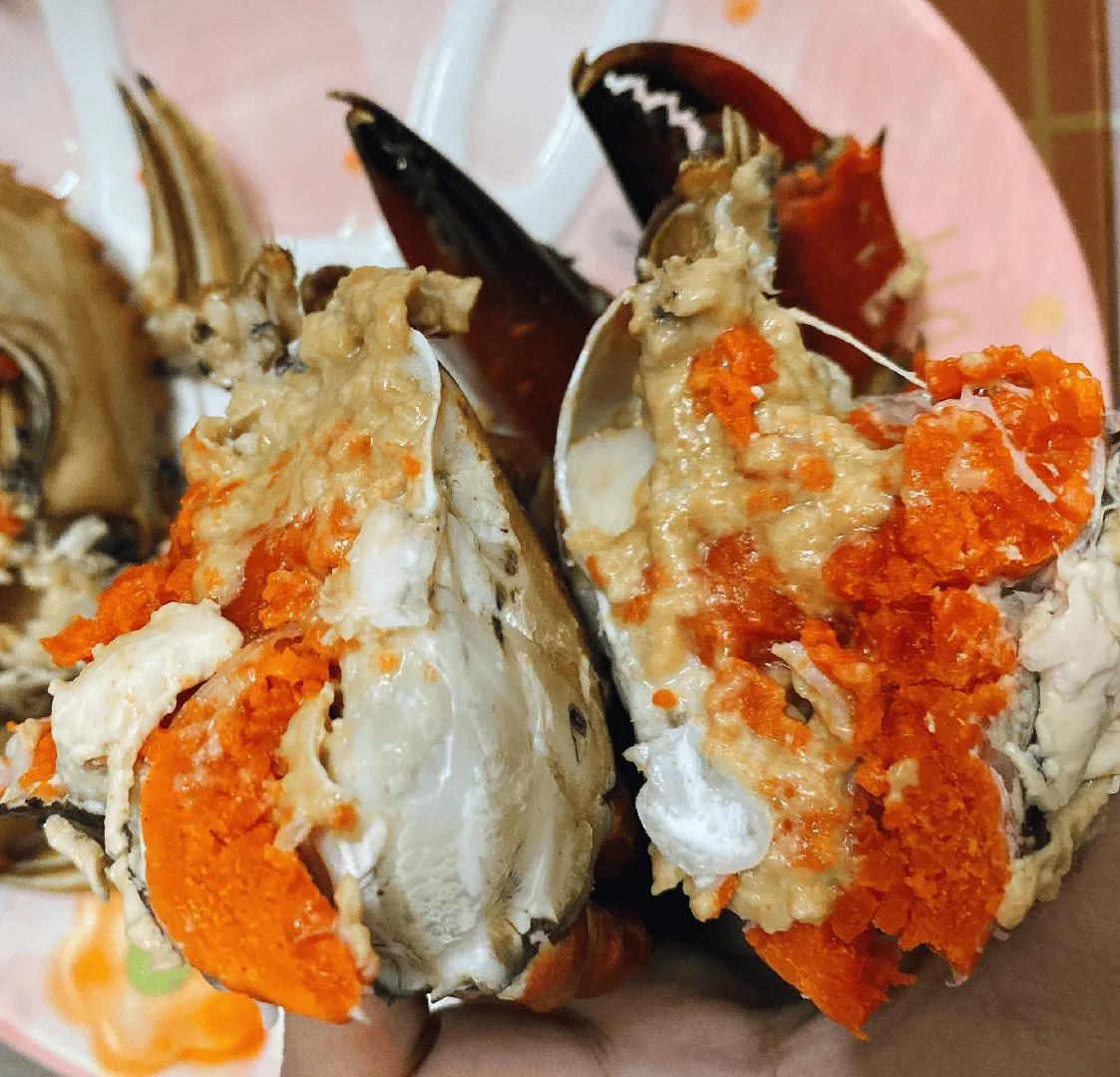
Heritage Ingredient
Ca Mau Roe Mud Crab
Ca Mau Roe Mud Crab
A female mud crab known for deep orange roe and a rich, creamy finish, often featured in celebratory Southern Vietnamese seafood meals.
A crimson treasure hidden within a shell, boasting rich, creamy roe that melts on your tongue like a golden sunset over the delta.
More Hearty Delights
View More Food & Culinary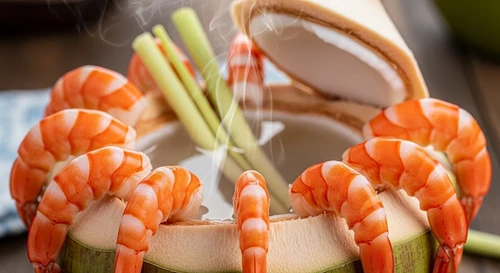
Shrimp Steamed in a Fresh Coconut: A Mekong Visual Stunner
Prawns hung around the rim of a fresh young coconut, steamed by the rising coconut water vapor from within.
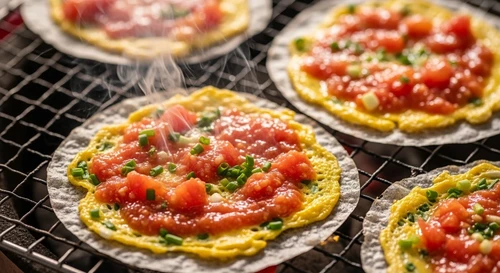
Ba Khia Tomato Sauce on Grilled Rice Paper (Banh Trang Nuong)
A wild fusion street food dish. Using fermented crab paste as a savory topping for the famous 'Vietnamese Pizza'.
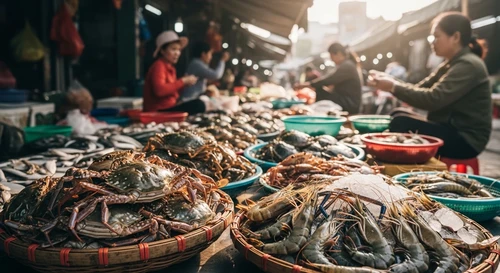
Why Vietnamese Restaurants Charge a 'Cooking Fee' for BYO Seafood
Understanding the hidden rules of Vietnamese seafood restaurants when you bring your own catch from the market.
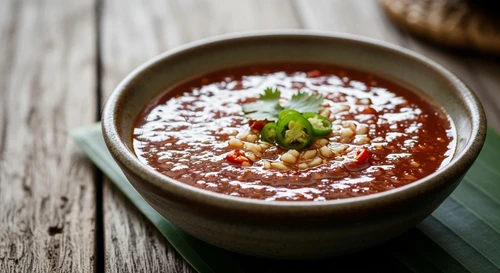
How to Mix the Ultimate Sweet & Sour Tamarind Fish Sauce
Boil thick tamarind paste with premium fish sauce, garlic, chili, and palm sugar. An excellent dip for both grilled and boiled seafood.
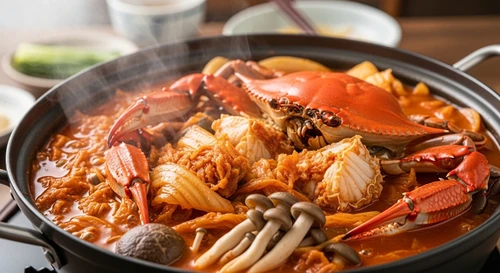
Kimchi & Oyster Mushroom Blue Crab Hotpot
A unique twist using the sharp sour-spicy flavor of Korean kimchi to balance the oceanic taste of fresh blue crabs.
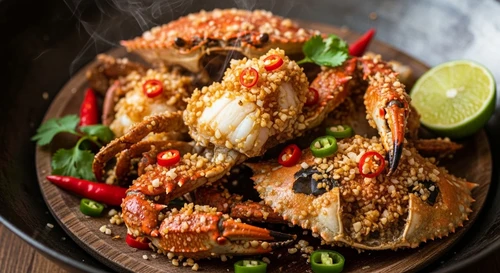
Salt and Chili Toasted Crab (Cua Rang Muoi): Spicy, Salty, Addictive
If you love spicy food, this classic Vietnamese seafood preparation will blow your mind. Perfect with a cold beer.
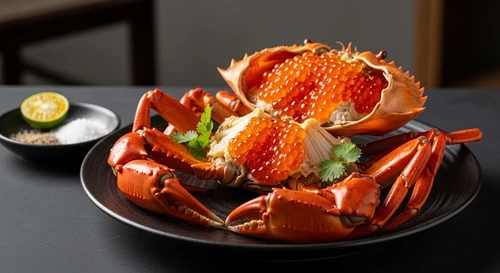
What is 'Cua Gach Son'? Understanding Vietnam's Premium Roe Crab
Why is the orange roe crab so highly prized in Asian cuisine? Discover the rich flavor profile of Ca Mau's most expensive export.
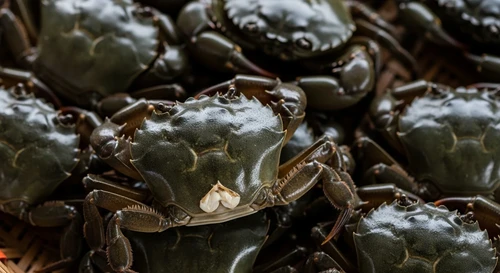
How to Tell the Difference Between a Meaty and Roe-filled Ba Khia
Expert tips on inspecting the shell color and underbelly of these tiny crabs to ensure you get the best bite.
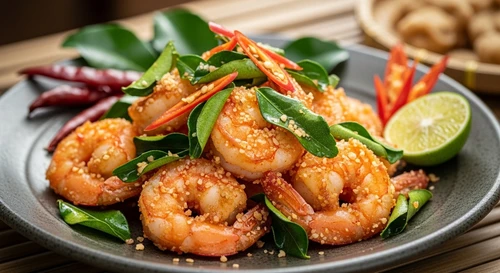
Fried Shrimp Tossed in Chili Salt & Lime Leaves
Crispy fried shrimp tossed in dry roasted chili salt and julienned lime leaves, creating a vibrant aroma in the winter kitchen.