" The Mekong Delta. A lifeblood of water, teeming with life. But even this mighty river system has its rhythms, its seasons of plenty and its seasons of struggle. The humble river prawn, a jewel of its waters, is a sensitive barometer of these changes. "

📸 The stark reality: A diminished waterway and its impact on aquatic life.
1 The Water Level Drop
The Mekong Delta, a labyrinth of rivers, canals, and tributaries, is heavily influenced by monsoon cycles. The dry season, typically from November to April, sees a dramatic reduction in freshwater flow. This isn't just about aesthetics; it fundamentally alters the ecosystem. Rivers shrink, canals become sluggish, and water quality can change.
For freshwater and brackish water crustaceans like river prawns (known locally as 'tôm càng' or 'tôm sú'), this means a constricted habitat. Their world literally gets smaller.
Consider the Mekong Giant Freshwater Prawn. These impressive crustaceans thrive in flowing waters with ample space and a rich diet. When the water recedes, their environment becomes cramped and potentially more competitive.
Habitat Shrinkage
Reduced water volume means less territory for prawns to roam, feed, and grow. This concentration can lead to stress and competition.
Water Quality Changes
Lower water levels can lead to increased salinity (in coastal areas) and higher concentrations of dissolved organic matter, impacting prawn health and metabolism.
2 Scarce Natural Sustenance
River prawns are opportunistic omnivores. Their diet consists of algae, small invertebrates, detritus, and other organic matter found in their aquatic environment. The abundance and variety of these food sources are directly tied to the health and flow of the waterways.
During the dry season, the natural food chain often suffers:
Reduced Biodiversity
- Lower water levels can stress or kill sensitive aquatic plants and microorganisms.
- The availability of natural food sources like plankton and small crustaceans diminishes.
Competition for What Remains
- As the habitat shrinks, more prawns (and other species) are concentrated, leading to intense competition for dwindling food supplies.
- Prawns may resort to cannibalism or consuming less nutritious detritus.
3 From Plump to "Ốp"
The Vietnamese term 'ốp' (pronounced roughly 'opp') describes this unfortunate condition: a prawn that looks plump on the outside but is significantly hollow or watery inside. It's not just a matter of appearance; the texture and flavor are compromised, often becoming mushy and less satisfying.
This phenomenon is a direct consequence of the biological stresses faced during the dry season:
Nutritional Deficiency
When natural food is scarce, the prawn's body cannot produce sufficient muscle tissue and fat reserves. This leads to a lack of density.
Water Retention (Osmotic Effect)
In environments with changing salinity (more salt during dry spells for coastal prawns), the prawn's body may retain more water to maintain internal balance, diluting its tissues.
Metabolic Slowdown
Lower temperatures and reduced food availability can slow down a prawn's metabolism. Less active means less energy expenditure, and potentially less efficient tissue building.
A Different Delta Tale: Mud Crabs
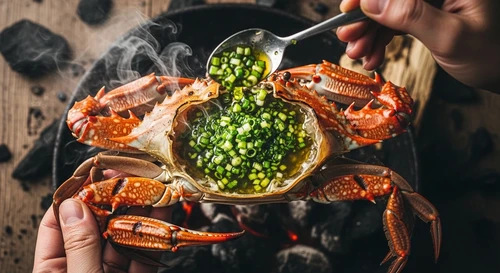
While river prawns suffer in the dry season, other Mekong Delta delicacies might fare differently or be less affected. Take the prized mud crabs from Ca Mau, for instance. Their farming environments, often integrated with mangrove forests or specialized ponds, can offer a more stable ecosystem less directly impacted by seasonal river flows.
Stable Habitats
Mangrove-crab systems in Ca Mau are often less reliant on fluctuating river levels.
Resilience
Mud crabs are adapted to brackish and saline environments, making them more tolerant to dry-season salinity shifts than pure freshwater prawns.
Consistent Quality
This resilience often translates to more consistent meat density and quality year-round, even during the dry season.
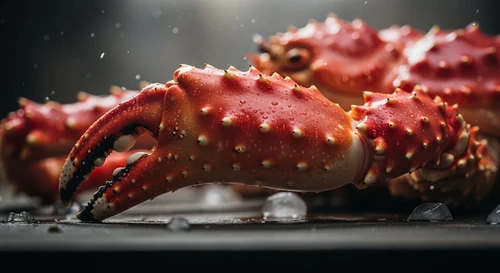
The Ca Mau Jumbo Mud Crab is a testament to the Delta's rich seafood diversity.
Navigating the Market: How to Spot the 'Ốp'
As a diner or home cook, how can you avoid the disappointment of hollow prawns, especially when the dry season is upon us? Here’s what seasoned buyers look for:
🔍 Visual Inspection: The "Head Gap" Test
🖐️ Touch and Feel: Firmness is Key
💡 Ask Your Vendor
⏱️ Timing is Everything
Beyond Hollow: The Muddy Prawn
Another phenomenon sometimes associated with the dry season and changing water conditions is when prawns absorb a 'muddy' or earthy flavor. This is less about the prawn's internal structure and more about what they've ingested.
Why it Happens:
As water levels drop and stagnant pockets form, the substrate (muddy bottom) becomes more disturbed. Prawns may ingest more mud or detritus that imparts an unpleasant, earthy taste. This is particularly common in less pristine aquaculture environments.
The cause of hollow prawns and muddy flavors are often interconnected, both pointing to stressed aquatic environments.
How to Mitigate:
Purging: If you suspect your prawns might be muddy, you can try purging them. Submerge live prawns in clean, salted water (about 35g salt per liter) for 30-60 minutes. They will often expel the contents of their digestive tracts.
Cooking Method: Cooking methods that emphasize freshness and minimal interference, like steaming or grilling, are best. Over-spicing can mask the issue but doesn't solve the underlying problem.
The Cycle Continues
The phenomenon of hollow prawns during the dry season is a powerful reminder of the delicate balance of nature in the Mekong Delta. It's a testament to the intricate link between water levels, food availability, and the health of its most cherished aquatic inhabitants.
However, the Delta is a region of immense resilience. As the rains return, the waterways swell, the food chains recover, and the prawns regain their plump, succulent form. The cycle of life, and of delicious seafood, continues. Understanding these natural rhythms helps us appreciate the bounty we receive and choose our ingredients wisely.
The Mark of a True Delta Palate
Knowing why prawns are 'ốp' isn't just trivia; it's part of becoming a discerning eater. It's about understanding the seasons, the environment, and the hard work of the fishermen and farmers who bring these treasures to our plates. So next time you encounter a slightly hollow prawn, you'll know the story behind it – a story written by the sun, the rain, and the mighty Mekong itself.