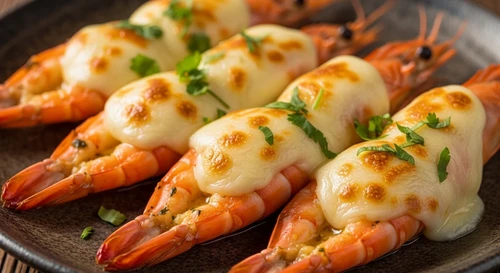
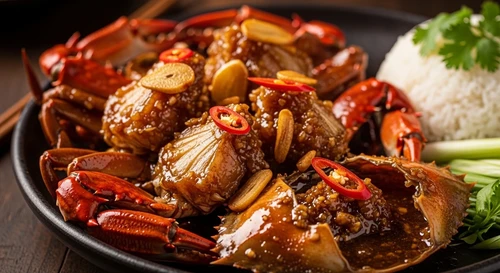
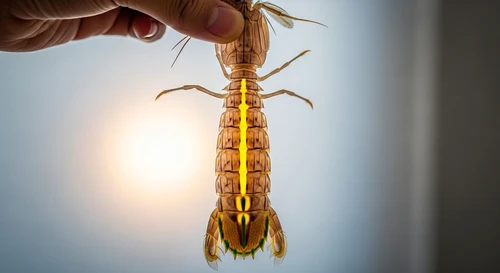
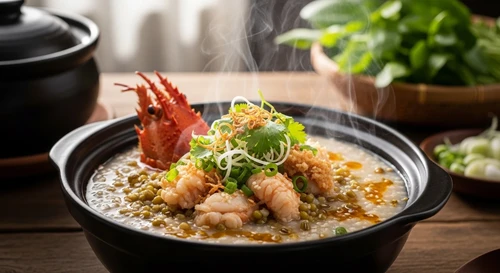
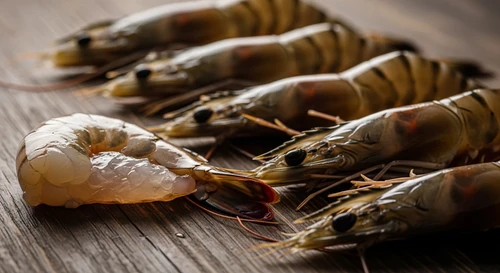
" Some dishes are made for the grand stage, others for the quiet, intimate supper. Chao Tom, that golden-fried stick of pure coastal delight, belongs to the latter. It's the kind of food that makes you close your eyes, savor the moment, and feel the salty breeze of Vietnam’s eastern shores. "
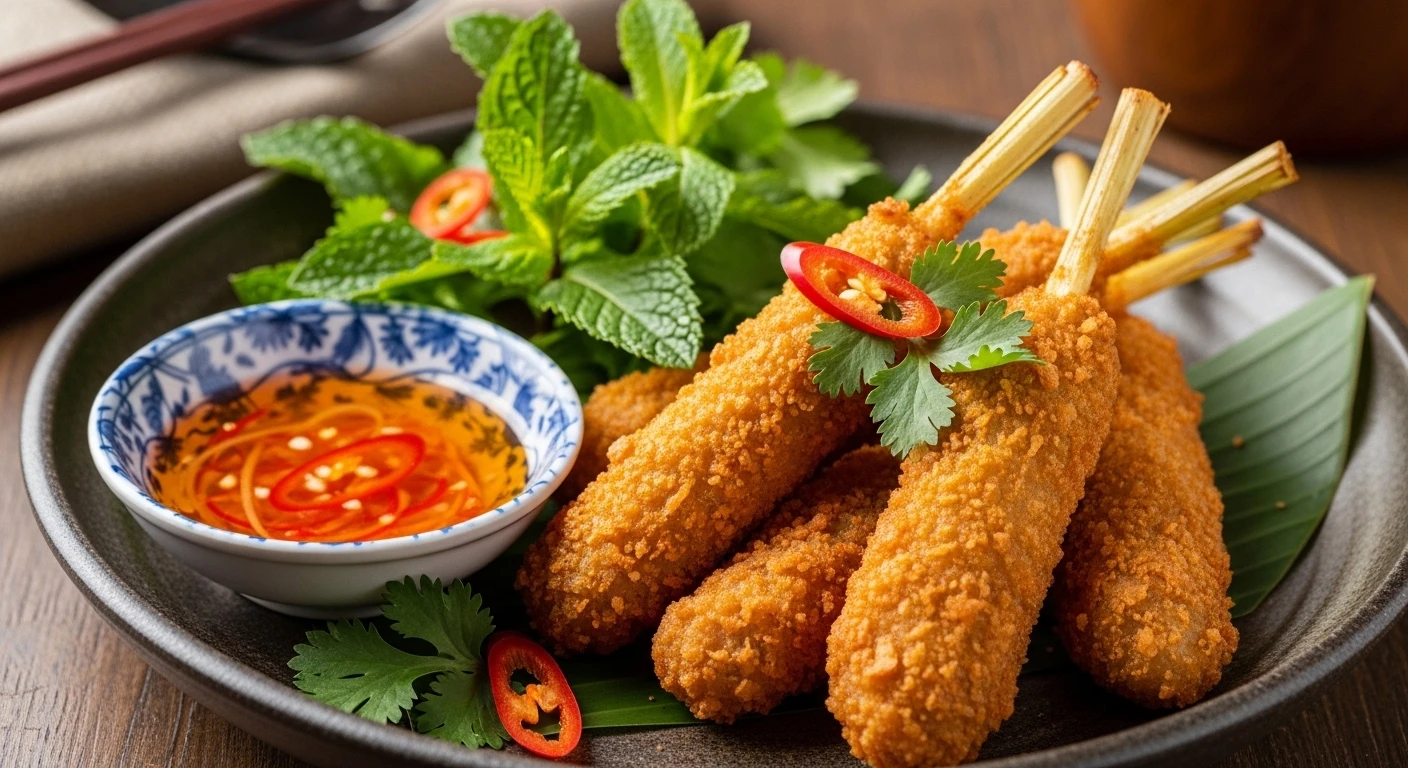
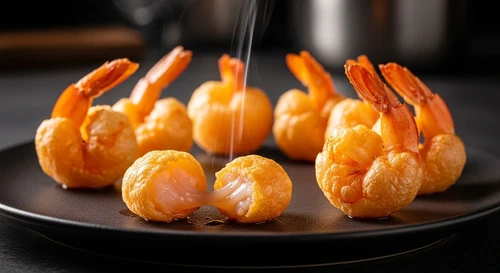
📸 Crispy perfection: The unmistakable golden hue of expertly fried Chao Tom.
1 The Mekong Delta's Coastal Whisper
While often hailed as a Central Vietnamese specialty, Chao Tom finds its deepest roots and most authentic expressions along the long, winding coastline of the Mekong Delta, particularly in provinces like Binh Thuan and parts of the southern coast where shrimp and lemongrass thrive. This isn't just food; it's a narrative of the land and sea.
Imagine sun-drenched fishing villages, the air thick with the scent of salt and the distant hum of boat engines. Here, life revolves around the sea's bounty. Shrimp, glistening and fresh, are more than just sustenance; they are the currency of daily life, the foundation of community meals. And lemongrass, its fragrant stalks standing tall in coastal gardens, offers an aromatic counterpoint, a verdant freshness that cuts through the richness.
Chao Tom is the perfect marriage of these elements. It's an appetizer that sings of its origins – humble, honest, and bursting with flavor. It’s the kind of dish that pairs perfectly with a cool beer after a long day under the tropical sun, or as a prelude to a more elaborate seafood feast.
Heritage Ingredient
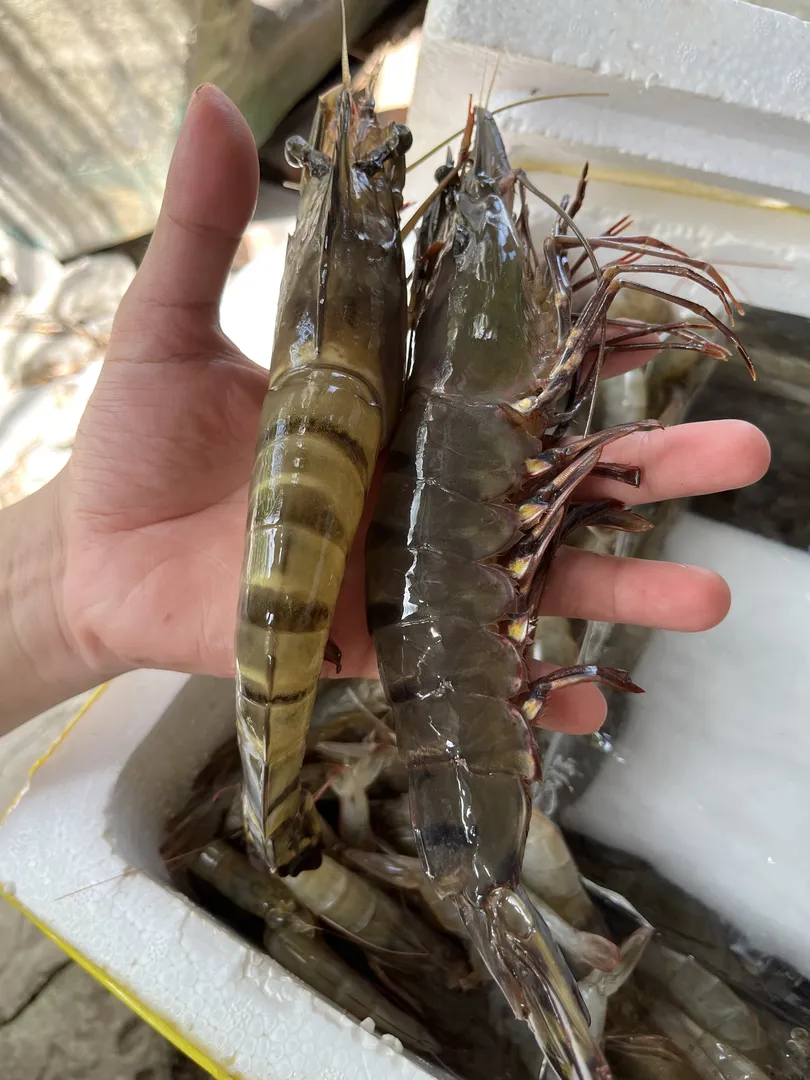
Ca Mau Black Tiger Shrimp
Ca Mau Black Tiger Shrimp
Large black tiger shrimp associated with mangrove aquaculture in Ca Mau, known for firm flesh and a cleaner, sweeter finish than intensively farmed shrimp.
Wild spirits of the mangroves, these black-banded gems deliver a firm, snappy texture and a sweetness that echoes the forest's vibrant life.
The preparation is deceptively simple, yet requires a respect for the ingredients that defines great Vietnamese cooking. It's about coaxing out the natural sweetness of the shrimp, infusing it with the aromatic oils of lemongrass, and binding it all together into a perfectly seasoned paste.
2 Harmony in Simplicity
The Stars: Shrimp & Pork
It's a common practice in Vietnamese cuisine to blend seafood with a bit of fatty pork. The pork adds richness, moisture, and a savory depth that complements the sweetness of the shrimp. For Chao Tom, finely minced or pounded shrimp is mixed with ground pork (ideally with a bit of fat), creating a sticky, cohesive paste. The quality of the shrimp here is paramount – fresh, plump shrimp from the Mekong coast are ideal.
The Aromatic Backbone: Lemongrass
Lemongrass is the soul of this dish. The stalks are trimmed, bruised heavily to release their fragrant oils, and then the shrimp-pork mixture is tightly wrapped around them. The lemongrass doesn't just impart flavor during cooking; it also provides a stable, edible skewer and a wonderful aroma when grilled or fried.
The Binding Agents & Seasoning
A touch of garlic, shallots, fish sauce (nuoc mam), a pinch of sugar, and sometimes a tiny amount of tapioca starch or egg to help bind the mixture. The key is not to over-season, allowing the pure flavors of shrimp and lemongrass to shine through.

Heritage Ingredient
Fermented Sour Shrimp (Mekong Style)
Fermented Sour Shrimp (Mekong Style)
A Southern Vietnamese fermented shrimp preserve made with garlic, chili, and shredded green papaya, often served with boiled pork, rice paper, or plain rice.
A vibrant dance of flavors—sour, spicy, and sweet—where tender shrimp and crunchy papaya create a masterpiece of Southern preserved heritage.
3 From Paste to Golden Perfection
This is where the magic truly happens. The shrimp and pork mixture is painstakingly molded around the prepared lemongrass stalks. Think of it as building a delicate flavor package. The goal is a compact, even layer of paste that will cook uniformly.
The next step is the fry. Traditionally, this might be done over charcoal for a smoky, rustic flavor. Modern kitchens often opt for a deep fryer or a generously oiled pan. The Chao Tom sticks are cooked until they achieve a beautiful, deep golden-brown hue and a crispy exterior. This frying process seals in the flavors and creates a delightful textural contrast.
Timing is crucial. You want the shrimp to be cooked through but still succulent, and the pork to be rendered without becoming dry. The exterior should be wonderfully crisp, yielding to a tender, flavorful interior.
The Sweet & Sour Kiss
Chao Tom is rarely eaten plain. It demands a dipping sauce, and the classic Vietnamese sweet and sour fish sauce (Nuoc Cham) is its perfect soulmate.
The Base
Fish sauce, water, sugar, and lime juice.
The Zing
A squeeze of fresh lime juice cuts through the richness.
The Heat (Optional)
Finely minced chili for those who like a kick.
Serve Chao Tom with fresh herbs like mint and basil, thinly sliced cucumber, and rice vermicelli noodles. Wrap it all in a rice paper wrapper for a delicious 'summer roll' experience.
4 A Taste of Coastal Vietnam
Chao Tom is more than just an appetizer; it's an experience. It represents the ingenuity and the deep connection to nature that defines Vietnamese cuisine, especially in its coastal regions.
- Flavor Explosion: A perfect balance of sweet, savory, aromatic, and a hint of salty-sour from the dipping sauce.
- Textural Delight: Crispy exterior giving way to a tender, slightly chewy interior.
- Aromatic Wonder: The unmistakable fragrance of lemongrass permeates every bite.
- Versatility: Delicious on its own, wrapped in rice paper, or as part of a larger meal.
- Regional Authenticity: A true taste of the Mekong Delta's coastal heritage.
Heritage Ingredient
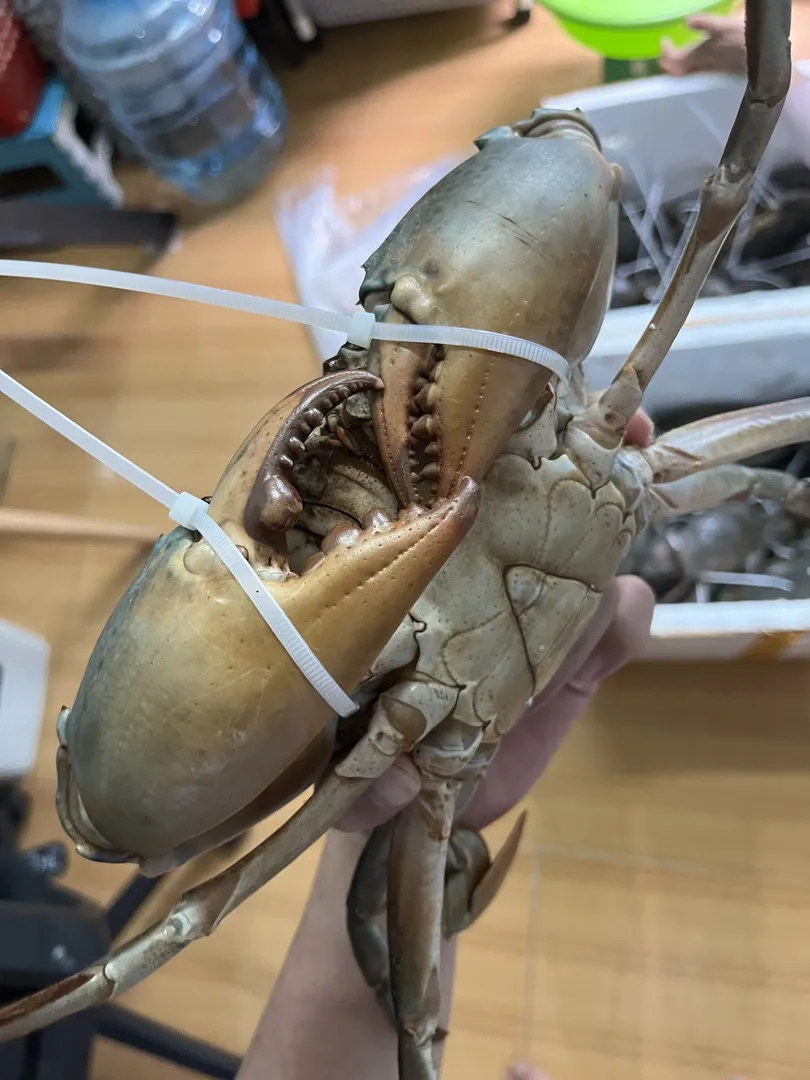
Ca Mau Jumbo Mud Crab
Ca Mau Jumbo Mud Crab
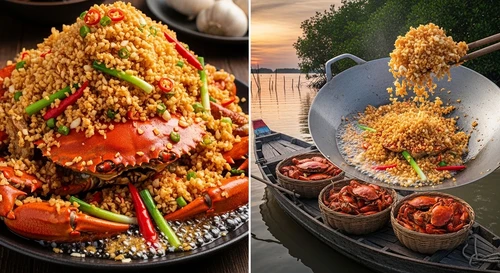
A large male mud crab prized for dense, sweet meat and thick claws, commonly used in steamed crab and grilled crab dishes across the Mekong Delta.
An icon of coastal culinary heritage, featuring firm, sweet meat that captures the raw power and freshness of Ca Mau's tides.
5 Regional Variations and Tips
While the core elements remain, you'll find subtle variations across different regions of Vietnam:
Binh Thuan Style:
Often features a higher ratio of shrimp to pork, emphasizing the pure seafood flavor. May include a touch of black pepper for a subtle warmth.
Southern Coastal Twists:
Sometimes incorporates a bit of finely chopped water chestnut for added crunch, or a whisper of black sesame for nuttiness.
Chef's Tips for Success:
- Freshness is Key: Use the freshest shrimp and pork you can find.
- Don't Skimp on Lemongrass: Bruise it well to release maximum aroma.
- Achieve the Golden Hue: Ensure your oil is hot enough for a quick, crisp fry. Don't overcrowd the pan.
- Balance is Everything: Taste and adjust your dipping sauce – it's the perfect foil to the richness.
6 A Legacy of Flavor
Chao Tom is a testament to the Vietnamese culinary philosophy of using simple, high-quality ingredients to create complex, memorable flavors. It’s a dish that connects you to the fishing communities along the coast, to the fragrant gardens, and to the simple joy of sharing delicious food. Whether served as a street food snack, an appetizer at a family gathering, or a refined starter at a restaurant, Chao Tom remains a beloved classic. It’s a bite of sunshine, a whisper of the sea, and a golden memory waiting to be made.